
The Day of the Siege: September Eleven 1683 2012

Directed by
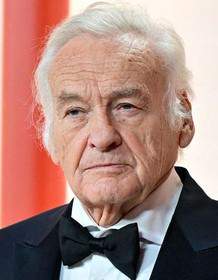
Jerzy Skolimowski
Made by

Agresywna Banda
The Day of the Siege: September Eleven 1683 Plot Summary
Read the complete plot summary and ending explained for The Day of the Siege: September Eleven 1683 (2012). From turning points to emotional moments, uncover what really happened and why it matters.
Marco d’Aviano is introduced in late 1682 northern Italy as a Catholic monk famed for miracles, drawing crowds who hope he can summon a sign to halt the Ottoman advance. The Ottoman ruler Mehmed IV appoints Kara Mustafa Pasha as his Grand Vizier, a calculating general determined to carve out an Islamic caliphate in Europe and infamous for converting conquered churches into mosques. Before he marches, Kara Mustafa shows his favorite wife Leila an amulet he received after saving a man in Venice, a keepsake that becomes tangled in omens and prophecy. A kahin predicts that Kara Mustafa will witness bloodshed, though not his own, and he entrusts the amulet to his son, promising a safe return. A comet with a red tail splits the sky, bright enough to be read as a sign of victory by both men.
When the Holy Roman Empire calls, Emperor Leopold I invites Marco to Vienna for counsel. Marco warns that the Ottomans have broken their peace and are marching toward Vienna and Hungary, urging Leopold to form alliances with Saxony, Bavaria, and the Polish–Lithuanian Commonwealth. Leopold’s court hesitates, but Marco’s influence grows after a different crisis helps him win support.
Leopold’s daughter, the Duchess of Lorena, suffers from breast cancer, and Marco miraculously heals her, a miracle that softens the emperor and makes him more receptive to Marco’s strategic advice. The odds in Vienna are stark: about 50,000 defenders against a 300,000-strong Ottoman army, with Kara Mustafa instructing his translator Abu’l to speak to the Viennese. Abu’l’s wife Lena accompanies Marco to Vienna and is shocked to learn her husband is working with the Ottomans; she at one point slips into the Ottoman camp to speak with him, is captured, and later freed after Abu’l pays for her release.
As the siege intensifies, Tartars arrive to warn of threats to the Ottomans’ rear, but Kara Mustafa dismisses the advice. The Ottomans unleash cannons to breach Vienna’s walls, and the defenders suffer heavy losses while clinging to hope. The Polish army, led by the rightful king of the Polish–Lithuanian Commonwealth, John III Sobieski, arrives to tip the balance. Despite initial resistance from the largely Protestant Viennese, Marco convinces them to heed Sobieski’s leadership. Sobieski plans a bold assault from the top of the Kahlenberg, striking from behind the Ottoman lines where they least expect danger.
A crucial moment arrives when Kara Mustafa realizes that the man he saved in Venice long ago was Marco, and he seeks a face-to-face meeting with the monk. The two clash over whether Islamic submission or Christian virtue should prevail, but Marco cannot deter Kara Mustafa from his attack. On September 11, 1683, Marco delivers a powerful speech urging the army to defend their Christian faith and Western civilization. The Ottoman cavalry suffer from strategic traps, and the Polish assault from the rear cripples their advance. The Ottomans retreat, and the threat to Western Europe is averted.
The aftermath unsettles Kara Mustafa, who is furious as his tacticians admit their warnings about artillery on Kahlenberg were ignored. The narrative elevates tension by suggesting a confrontation that ends with Kara Mustafa’s apparent death in battle, only for it to be revealed as a decoy—the real Kara Mustafa flees. In a grim coda, on Christmas Day, 1683 the sultan orders Kara Mustafa’s son to witness his father’s execution for failing to capture Vienna, and the amulet his father gave him is finally cast into the snow.
The Day of the Siege: September Eleven 1683 Timeline
Follow the complete movie timeline of The Day of the Siege: September Eleven 1683 (2012) with every major event in chronological order. Great for understanding complex plots and story progression.
Marco's miracle-reputation spreads across Northern Italy
In late 1682, Marco d'Aviano is renowned across northern Italy for his supposed miracles. Crowds gather when he speaks, hoping his blessing can halt the Ottoman advance. His reputation positions him as a beacon of faith amid looming invasion.
Kara Mustafa is appointed Grand Vizier and plots Europe conquest
Mehmed IV elevates Kara Mustafa Pasha to Grand Vizier, empowering him to push a European-wide campaign. He vows to convert conquered Christian churches into mosques, signaling a brutal expansion into Western Europe. The plan sets a direct path toward Rome and a prolonged siege of Europe.
Ominous omens and the Venice connection
Kara Mustafa shows his wife Leila an amulet given to him by a man saved from an accident in Venice. Leila recounts a nightmare in which arrows strike a monk brandishing a cross, unsettling his resolve. A kahin prophesies blood, but not his own, foreshadowing a violent confrontation.
Amulet entrusted to the conqueror's son and a red comet
Before leaving for Europe with his army, Kara Mustafa hands the amulet to his tearful son, promising he will return. A comet with a red tail appears in the sky, seen by both Kara Mustafa and Marco as a sign of victory. These omens set the stage for the looming siege.
Marco intervenes to protect Abu'l; Lena left behind
Marco stops an angry mob from killing Abu'l, a Muslim friend, preserving a fragile alliance of old loyalties. Despite this, Abu'l later departs to aid the Ottomans, leaving his deaf wife Lena behind. Lena is captured by the Ottoman forces but is eventually released after a payment.
Leopold I summons Marco to Vienna; advice is offered
Holy Roman Emperor Leopold I requests Marco's presence in Vienna to advise on the Ottoman threat. Marco urges alliances with Saxony, Bavaria, and the Polish–Lithuanian Commonwealth to counter the Ottomans. Leopold is reluctant to follow this counsel.
Duchess Lorena's healing and political influence
The Duchess of Lorena, Leopold's daughter, is miraculously healed by Marco, boosting his standing at court. Her recovery convinces her father to listen to his counsel and consider his alliances. The event demonstrates how Marco's involvement shifts political calculations in Vienna.
Vienna braces for siege as Ottoman numbers loom
Vienna's garrison stands at about 50,000 while the Ottoman army swells to roughly 300,000, creating overwhelming odds. Kara Mustafa orders Abu'l to serve as his translator and urges surrender. The capture of Lena underscores the personal stakes of the war.
Rear-guard warnings ignored; walls fall to cannons
The Tartars warn Kara Mustafa to shield the army's rear from the Polish threat, but he disregards the advice. The Ottomans unleash cannons that breach Vienna's walls, inflicting heavy casualties and shaking the defenders’ resolve.
Sobieski arrives with Polish relief; counterattack planned
King Jan III Sobieski arrives with a Polish-led force to reinforce Vienna. He devises a daring plan to strike from the Kahlenberg behind Ottoman lines, coordinating with other German and Protestant forces. Marco helps unite the defenders behind the plan.
Kara Mustafa and Marco confront each other
Kara Mustafa finally meets Marco, recognizing the monk who once saved him in Venice. They discuss the contrasts between Islamic submission and Christian virtues, with Marco urging him to abandon the assault. The exchange reframes the conflict as a moral contest rather than mere military might.
September 11: Marco's rallying speech
On September 11, 1683, Marco delivers a stirring speech urging the army to defend their Christian faith and Western civilization from destruction. The address helps galvanize the defenders and heightens the resolve across Vienna and its allies. The speech marks a turning point in morale before the counterattack.
Polish-led counterattack from Kahlenberg
The Polish assault from the rear on Kahlenberg clashes with the Ottoman center, inflicting heavy casualties on the cavalry. The Ottomans begin to waver as the siege loses momentum. The defense consolidates, and Vienna is saved from imminent fall.
Kara Mustafa's death and retreat illusion
Enraged by the defeat, Kara Mustafa chides his tacticians, then appears to charge at the Viennese lines. It is revealed to be a decoy; the real Kara Mustafa had fled the battle. The Ottoman command structure is shaken as their defeat consolidates.
Christmas Day execution of Kara Mustafa's son and amulet's fate
On Christmas Day, the Sultan orders Kara Mustafa's son to witness his execution for failing to capture Vienna. After the execution, the son tosses the amulet his father gave him into the snow, symbolizing the failure of his father's mission. The defeat ends the Ottoman bid to invade Western Europe for the time being.
The Day of the Siege: September Eleven 1683 Characters
Explore all characters from The Day of the Siege: September Eleven 1683 (2012). Get detailed profiles with their roles, arcs, and key relationships explained.
Marco D'Aviano
A Catholic monk celebrated for miracles who travels from northern Italy to Vienna to rally defenders. He blends faith with diplomacy, offering counsel to rulers and bridging religious divides. His personal history with Kara Mustafa adds dramatic tension as he confronts a former ally.
Jan III Sobieski
King of Poland who arrives to defend Vienna and leads the relief effort. He earns respect from Marco and forges a crucial alliance with other Christian powers. His leadership culminates in the famed caravan assault that turns the siege.
Kara Mustafa Pasha
Ottoman Grand Vizier intent on expanding empire and conquering Europe. He challenges Marco’s influence, dismisses counterarguments about artillery on the Kahlenberg, and faces ultimate defeat. His arc intersects with Marco's, revealing the clash between two worldviews.
Lena
Abu'l's wife who accompanies Marco and witnesses shifting loyalties within the Ottoman camp. She is captured and later released, illustrating the human cost and personal stakes of the grand historic conflict.
Leopold I
Holy Roman Emperor who initially hesitates to heed Marco's counsel, balancing political caution with military necessity. His response to the Ottoman threat evolves as the siege unfolds.
Abu'l
Translator for Kara Mustafa whose loyalties become conflicted. His actions reveal the personal dimensions of allegiance and the costs of war, including interactions with Lena.
Rosa Cristofori
A member of the Cristofori family within Vienna's social network, representing the civilian and courtly side of the siege-era world. Her presence highlights the broader human milieu surrounding the siege.
Ernst Rüdiger von Starhemberg
Vienna’s defense commander who organizes fortifications and commands troops against the Ottoman assault. His leadership emphasizes practical defense under pressure.
Eleonora Lotaryńska
Duchess of Lorraine who is healed of breast cancer through Marco's intervention, illustrating the miraculous dimension attributed to the monk’s influence. She advocates listening to Marco’s advice amid court politics.
Marysienka Sobieska
Wife of Jan III Sobieski; a noblewoman whose life intersects with the siege and the moral weight of political decisions. Her presence adds a feminine influence amid the war’s pressures.
Carlo Cristofori
A member of the Cristofori family who appears in the Vienna milieu surrounding the siege, representing the civilian-cultural layer of the narrative.
The Day of the Siege: September Eleven 1683 Settings
Learn where and when The Day of the Siege: September Eleven 1683 (2012) takes place. Explore the film’s settings, era, and how they shape the narrative.
Time period
1682-1683
Set in the late 17th century amidst the Ottoman–Habsburg conflicts, the film tracks Marco d'Aviano's movement from northern Italy to Vienna. It culminates in the 1683 siege and the dramatic relief of the city on September 11, 1683. The period is defined by shifting loyalties, religious tension, and large-scale warfare across Europe.
Location
Northern Italy, Vienna, Hungary, Venice
The story shifts from late 17th-century Northern Italy to the imperial capital Vienna and its surrounding Hungarian frontiers. It contrasts the vibrant Italian cities with the besieged fortifications of Central Europe under Ottoman threat. Venice appears as a historical backdrop connected to Marco d'Aviano's past and the broader European web of alliances.
The Day of the Siege: September Eleven 1683 Themes
Discover the main themes in The Day of the Siege: September Eleven 1683 (2012). Analyze the deeper meanings, emotional layers, and social commentary behind the film.
🛡️
Faith
Religious belief acts as a unifying force and source of resilience under siege. Marco’s reputation as a miracle worker strengthens morale among defenders and civilians alike. The film frames the confrontation as a struggle for Christian civilization, with faith guiding courage and choice.
⚔️
Leadership
Strategic leadership drives the plot, from Marco advising Leopold to Sobieski’s bold command of cavalry at the turning point. The narrative highlights diplomacy, alliance-building, and bold tactical moves that shape the outcome. Leaders are tested by pressure, politics, and the cost of war.
🏰
Siege
The defense of Vienna is depicted through cannon fire, breached walls, and siege warfare. The defenders rely on ingenuity, fortified positions, and timely counterstrikes. The climactic rear attack at Kahlenberg shifts the balance against the Ottomans.
💪
Courage
Courage is shown across factions and roles—monks, soldiers, and civilians face overwhelming odds. Acts of personal risk, loyalty, and moral resolve anchor the narrative. Bravery extends beyond battlefield valor to difficult, principled choices in a war-torn era.

Coming soon on iOS and Android
The Plot Explained Mobile App
From blockbusters to hidden gems — dive into movie stories anytime, anywhere. Save your favorites, discover plots faster, and never miss a twist again.
Sign up to be the first to know when we launch. Your email stays private — always.
Explore the mobile appThe Day of the Siege: September Eleven 1683 Spoiler-Free Summary
Discover the spoiler-free summary of The Day of the Siege: September Eleven 1683 (2012). Get a concise overview without any spoilers.
In the sweltering summer of 1683, the great city of Vienna teeters on the edge of history. A massive Ottoman army, intent on pushing deeper into Europe, gathers beyond the Danube, its presence a looming shadow over a continent still scarred by religious wars and fragile alliances. The atmosphere crackles with a blend of dread and defiant hope, as the marble streets of the capital echo with whispers of prophecy, prayer, and the clang of swords being forged. The film paints a richly textured world where faith and politics intertwine, and the stakes feel as vast as the empire itself.
Marco d’Aviano, a charismatic monk reputed for miraculous deeds, arrives in the imperial court carrying an aura of quiet authority. His reputation for bridging the divide between believers and skeptics draws the attention of Emperor Leopold I, whose rule is marked by both grandeur and uncertainty. Within these walls, personal crises unfold—royal heirs grapple with illness, and diplomats wrestle with the looming threat that could reshape the map of Europe. The tone remains taut yet contemplative, allowing the audience to feel the weight of decisions that could alter the fate of nations.
Across the frontier, the famed Polish king Jan III Sobieski readies his legendary cavalry, embodying a fierce, almost mythic resolve. His arrival hints at a convergence of forces—a meeting point for divergent cultures, strategies, and convictions. As the calendar turns toward the fateful September day, the film settles into a poised tension, inviting viewers to sense the imminent clash without revealing its outcome. The narrative balances sweeping historical spectacle with intimate character moments, crafting an immersive prelude to a battle that will echo through the ages.
Featured on this page

What's After the Movie?
Not sure whether to stay after the credits? Find out!
Check out our other apps:

SAT Sphere
Build confidence for the Digital SAT.

Mori Atlas
Discover wild places worth protecting.

Luntero
Search smarter for a home in Amsterdam.

Plot Explained
Unravel movie endings and hidden clues.

Pokechamp
Dive into Pokémon data and battle logic.

Driving Theory
Get ready for your European theory test.

Movie Dust
Plan your next cinema trip with ease.

Musemap
Find art and culture as you travel.

Selkobase
Compare credentials before committing.

Local Manual
Turn an unfamiliar country into practical next steps.

Lernavi
Compare school systems before your next move.

GymRoam
Find a workout stop wherever your plans take you.
Explore Our Movie Platform
New Movie Releases (2026)
Famous Movie Actors
Top Film Production Studios
Movie Plot Summaries & Endings
Major Movie Awards & Winners
Best Concert Films & Music Documentaries
Movie Collections and Curated Lists
© 2026 What's After the Movie. All rights reserved.
Privacy Policy