What Is The Dam Busters About?
The premise of The Dam Busters in 288 words, with nothing given away. The full story follows below.
In the bleak summer of 1942, Britain’s war effort feels both urgent and stretched thin, prompting a search for anything that might tip the balance against the industrial powerhouse of the German Ruhr. Within this pressure‑cooked atmosphere, Barnes Wallis—a visionary aeronautical engineer—conceives a radical idea: a bomb that can skip across water like a stone, delivering its explosive force directly to the heart of a dam. The notion is as audacious as it is technically demanding, demanding precision flying at dizzying low altitudes and a brand‑new approach to weapon design that could, if it works, change the strategic calculus of the entire conflict.
Convincing the rigid bureaucracy of the Ministry of Aircraft Production proves a battle in its own right, but the breakthrough arrives when Sir Arthur Harris, head of RAF Bomber Command, recognizes the potential of Wallis’s scheme. Their discussions cascade up to the highest levels of government, where a tentative green light sparks the creation of a purpose‑built unit. This new formation—617 Squadron—gathers under the command of the charismatic and steadfast Guy Gibson, whose reputation for daring low‑level flight makes him the natural leader for an operation that demands both nerves of steel and meticulous coordination.
As the crew assembles, the film settles into a tone of tense anticipation, blending the cold logic of scientific experimentation with the gritty camaraderie of seasoned airmen. Training scenes pulse with a mix of disciplined rehearsal and palpable anxiety, each practice run a reminder of the razor‑thin margin for error that defines the undertaking. The atmosphere is charged with a quiet, collective resolve: engineers, officers, and pilots converge on a single, high‑stakes goal, forging a partnership where ingenuity and courage must align perfectly before the night of the raid arrives.
What Happens in The Dam Busters?
The complete story of The Dam Busters, from the first scene to the last, in 560 words (about 2 minutes). Spoilers throughout. Names in the text link to 3 cast member pages.
Spoilers ahead
In spring 1942, aeronautical engineer Barnes Wallis, Michael Redgrave, is wrestling with a radical plan to strike at Germany’s Ruhr Dams and cripple its vast industrial heart. He sketches out a bouncing bomb designed to skim over the water, riding on backspin to sink only after it touches the dam wall, where the explosion would be most devastating. Wallis calculates that the aircraft must fly incredibly low—about 150 feet (46 meters)—to let the bomb skip across the surface and reach the targets with the intended effect. Yet when he brings these conclusions to the Ministry of Aircraft Production, he runs into a brick wall: there simply isn’t enough production capacity to pursue the idea.
Frustrated but undeterred, Wallis seeks a high-level advocate, and his breakthrough comes with an audience with Air Chief Marshal Sir Arthur Harris, Basil Sydney, the head of RAF Bomber Command. Harris is initially wary, but the engineering logic and potential payoff slowly win him over, and he takes Wallis’s concept to the Prime Minister, who ultimately authorises a special project. A bold new plan takes shape: form a dedicated squadron of Lancaster bombers, 617 Squadron, under the command of Wing Commander Guy Gibson, Richard Todd, and push for a credibility and capability that ordinary operations cannot deliver. Gibson begins assembling a crew famed for their low-altitude flying and the nerve to attempt something almost unprecedented in scale, while Wallis pushes to refine the bomb and the tactics under a ticking clock.
As the teams train for the mission, Wallis continues to work through technical hurdles that threaten the plan. The bomb, initially prone to breaking apart on impact with water, forces a drastic revision: the drop altitude must be reduced from 150 feet to about 60 feet (18 meters) to ensure the weapon behaves as intended. The clock tightens; weeks become days, and every test becomes a test of nerve as well as engineering. The aircrews, drilled in precision and discipline, brace themselves for the dangers of such a dangerous sortie, knowing that mistakes could spell disaster for the entire operation.
Finally, on the fateful day of 16 May 1943, the 617 Squadron takes to the skies in a formation of Lancasters. The mission is brutal and exacting: eight aircraft are lost, and 56 men give their lives in the line of duty. Yet the gamble pays off in dramatic fashion—the Möhne and Edersee dams are breached, unleashing catastrophic flooding that reveals the scale and impact of their audacious strike. Wallis absorbs the human cost with heavy emotion, yet Gibson underscores a grim but essential truth: the crews knew the risks they faced, and they chose to press on because the war effort required bold, decisive action.
In the aftermath, the victory is celebrated as a turning point in RAF strategy and in the collaboration between science and air power. Wallis, though deeply affected by the loss of so many of his colleagues and the personal toll of the mission, finds a measure of vindication in the success of the project. Gibson, steady and unflinching, signals the resolve that carried the mission through: he must first write letters to the families of the fallen before allowing himself rest. The tale closes on a note of somber reverence and professional admiration, a reminder of what can be achieved when tenacity, ingenuity, and courage align under immense pressure.
The Dam Busters Timeline: Every Key Event in Order
12 key events in the order they happen, from “Wallis conceives the bouncing bomb concept” to “Aftermath and legacy”. 12 events name a place, across 12 locations.
- 1
Wallis conceives the bouncing bomb concept
Spring 1942, aeronautical engineer Barnes Wallis develops a radical bouncing bomb designed to skip across water and strike the Ruhr Dams. He works under the Ministry of Aircraft Production and at Vickers, pushing the theory despite skepticism. He calculates a very low flight path and a precise impact to maximize explosive effect.
When:Spring 1942 Where:London
- 2
Ministry rejects the plan due to production limits
Wallis presents his figures but is told that Britain's production capacity cannot support such an operation. The project is effectively put on hold, stalling development. Wallis remains frustrated but continues to pursue the idea in parallel.
When:Early 1942 Where:London, Ministry of Aircraft Production
- 3
Wallis secures an interview with Arthur Harris
Frustrated with the rejection, Wallis secures an interview with Sir Arthur Harris, head of RAF Bomber Command. Harris is initially skeptical but is won over by the potential strategic impact. The concept moves closer to reality as the possibility of approval emerges.
When:1942 Where:Harris's office
- 4
Prime Minister authorizes the project
Harris takes Wallis's proposal to the Prime Minister, who finally approves the experimental project. The government's backing legitimizes moving forward with development and planning. This authorization marks the turning point from theory to wartime program.
When:1942 Where:Downing Street (Prime Minister's Office)
- 5
Formation of 617 Squadron
Bomber Command forms a special squadron, 617 Squadron, to execute the mission. Wing Commander Guy Gibson is appointed to command and begins selecting experienced crews for low-altitude flight. The squadron becomes the operational core of the plan.
When:1943 (formation and training) Where:RAF Bomber Command
- 6
Wallis continues bomb development amid setbacks
Wallis continues refining the bomb mechanism, but early tests show the device breaks apart on impact with water. The team reduces the drop altitude to 60 feet to ensure the bombs perform correctly. The pressure to deliver a working device intensifies as the deadline nears.
When:1943 Where:Vickers, London
- 7
Crews recruited and training begins
Gibson recruits crews with extensive low-altitude flight experience and the squadron begins intensive training. They practice flying extremely close to the water and coordinating with Wallis's device. The training builds cohesion and confidence for the perilous mission.
When:Early 1943 Where:RAF airfields in the UK
- 8
Final tweaks and readiness
With only weeks to go, Wallis resolves remaining problems and finalizes the bomb design and drop procedures. The team tests and retests, pushing the limits of aircraft performance at low altitude. The mission's success hinges on precision and timing.
When:May 1943 (leading up to May 16) Where:RAF testing ranges
- 9
The attack on the Ruhr Dams
On 16 May 1943, the 617 Squadron takes off to strike the Ruhr Dams. Eight Lancasters are lost and 56 men die during the operation, but the Möhne and Edersee dams are breached, causing catastrophic flooding. The mission is hailed as a pivotal achievement despite the heavy losses.
When:16 May 1943 Where:Ruhr Dams, Germany
- 10
Wallis's emotional reaction and Gibson's response
Wallis is deeply affected by the loss of the crew, grappling with the human cost of the success. Gibson emphasizes that the squadron knew the risks and chose to go in anyway. Their resolve underscores the moral complexity of the mission.
When:Immediately after the attack Where:Britain / over Germany
- 11
Gibson's letters to next of kin
After the mission, Gibson mentions that he must write letters to the dead airmen's next of kin before he can sleep. The act underscores the personal cost and the human side of war. The squadron's bravery is tempered by grief.
When:Post-mission, May 1943 Where:RAF base, UK
- 12
Aftermath and legacy
The dams are breached, floods devastate the German region, and the operation reshapes Allied bombing strategy. Wallis and Gibson's collaboration demonstrates how scientific innovation and fearless leadership can overcome heavy odds. The mission remains a landmark achievement in WWII history.
When:Post-16 May 1943 Where:Ruhr region, Germany
Who Are the Main Characters in The Dam Busters?
3 characters, among them Doctor B. N. Wallis (Michael Redgrave), Wing Commander Guy Gibson (Richard Todd) and Air Chief Marshal Sir Arthur Harris (Basil Sydney): who each one is and the part they play in the story. Every profile links to the actor’s page.
- DB
Doctor B. N. Wallis (Michael Redgrave)
Played by Michael Redgrave
An aeronautical engineer driving the bouncing bomb concept, Wallis pushes through bureaucratic resistance to get a practical plan. He blends scientific rigor with stubborn determination, balancing theoretical work with the real-world constraints of production. His work ethic and personal stake in the project shape the team’s direction and the ultimate mission.
- 🧠 Scientist
- 🛡️ Determined
- 💡 Innovator
- WC
Wing Commander Guy Gibson (Richard Todd)
Played by Richard Todd
Gibson leads 617 Squadron with calm authority, selecting experienced crews and training them for extreme low-altitude flight. He recognizes the risks but remains resolute, guiding the mission with strategic focus and a sense of duty. His leadership under pressure is central to the raid’s execution.
- 🎖️ Leader
- 🧭 Strategic
- 🫱 Courage
-
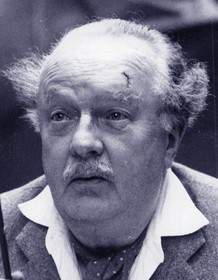
Air Chief Marshal Sir Arthur Harris (Basil Sydney)
Played by Basil Sydney
As head of RAF Bomber Command, Harris initially doubts Wallis's proposal but ultimately approves it after pressing discussions with the Prime Minister. He embodies pragmatic wartime leadership, balancing ambition with production realities and political oversight. Harris’s decisions shape the course of the mission and its risks.
- 🏛️ Authority
- 🎯 Pragmatic
- 🗺️ Strategic
Where and When Is The Dam Busters Set?
The Dam Busters is set in United Kingdom and Ruhr Dams (Germany) (1942–1943). Here is why the time and place matter to the story.
When
1942–1943
Set during World War II, the story begins in spring 1942 as Barnes Wallis develops the bouncing bomb and seeks approval. By May 1943, the mission goes ahead with 617 Squadron's low-altitude raid on the Ruhr Dams. The period is marked by production constraints, urgent decision-making, and the costs of combat.
Where
United Kingdom, Ruhr Dams (Germany)
The planning and training take place on British soil under wartime industrial coordination, with the Ministry of Aircraft Production and Vickers involved. The mission crosses into German territory to breach the Ruhr Dams, a critical industrial chokepoint. The setting highlights collaboration between scientists, military leadership, and aircrews under the urgency of a high-stakes operation.
- 🎖️ War setting
- 🇬🇧 Britain
- 🗺️ European theatre
What Are the Themes of The Dam Busters?
3 ideas the story keeps returning to, among them Courage, Innovation and Teamwork.
-
01
Courage
The film centers on brave choices under extreme risk, from Wallis's persistence to Gibson's leadership. It portrays the crews accepting the danger of a high-stakes mission, knowing many may not return. The story uses letters to next of kin and the fatalities to underline the human cost of wartime bravery.
-
02
Innovation
A core thread is the ingenuity behind the bouncing bomb and its precision demands—low-altitude drop, backspin, and adaptation after early failures. The collaboration between scientists and military leadership shows how theory must translate into practical, war-winning tactics. It also highlights production hurdles and problem-solving under pressure.
-
03
Teamwork
Success hinges on coordinated effort across scientists, aircrews, and command, despite bureaucratic obstacles. Wallis, Harris, and Gibson must align goals, manage risks, and motivate crews to act as a cohesive unit. The mission demonstrates how trust and discipline can overcome daunting odds.
What Kind of Film Is The Dam Busters?
Tense in tone, with steady pacing and a straightforward story, going by the plot summary.
- Tone
- Tense
- Pacing
- Steady
- Story
- Straightforward
- Intensity
- High
- Ending
- Bittersweet
A tense and methodical war drama that builds nerve-wracking suspense around a high-risk bombing raid, culminating in a somber victory achieved at a great human cost.
- tense
- somber
- gripping
- urgent
- methodical
- nerve-wracking
- military operation
- technological innovation
- world war two
- high-stakes mission
Content notes: war violence, military casualties, death.
Quiz
How well do you remember The Dam Busters? Test yourself on the story.
Where to Watch The Dam Busters
Stream it on Hoopla and Kanopy, or rent or buy it from Amazon Video and Apple TV Store. US availability and prices from JustWatch.
 Hoopla
  Kanopy
  The Roku Channel





Streaming availability in the US, powered by