
The Criminal Life of Archibaldo de la Cruz 1955


Directed by
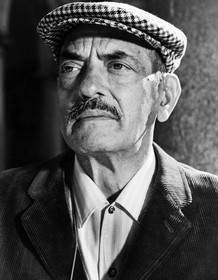
Luis Buñuel
Made by

Alianza Cinematográfica Española
Where to Watch The Criminal Life of Archibaldo de la Cruz
See current US streaming, rental, and purchase options for The Criminal Life of Archibaldo de la Cruz (1955) via JustWatch.

HBO Max
HD
HBO Max Amazon Channel
HD
Night Flight Plus
HD
Hoopla
SD
Plex
HD
Plex Channel
HD
Tubi TV
SD
Xumo Play
HD Streaming availability powered by 
The Criminal Life of Archibaldo de la Cruz Plot Summary
Read the complete plot summary and ending explained for The Criminal Life of Archibaldo de la Cruz (1955). From turning points to emotional moments, uncover what really happened and why it matters.
Archibaldo de la Cruz, a wealthy Mexican man, begins a tale by telling a nun a memory from his childhood, a memory that still haunts him with a sense of dangerous power. During the upheaval of the Mexican Revolution, his indulgent mother entrusts him with a special music box, and his stern governess, The Governess, warns that it can unleash death on his enemies. To test this ominous claim, Archibaldo winds up the box, and tragedy follows in a flash: the governess is struck by a stray bullet, fueling a chilling belief that he has killed her. Emboldened by the illusion of control that such thoughts grant him, he goes so far as to threaten a nun with a straight razor; the nun flees, only to plunge down an open elevator shaft. When a judge investigates the strange incident, Archibaldo confesses to killing the nun, and hints that she is not his first victim.
With the confession, Archibaldo then spins a second, longer story for the judge. A few weeks earlier, he sees the music box in an antique shop, where a beautiful woman named Lavinia, and her elderly fiancé, prowl over it. He persuades the shopkeeper to sell it to him, insisting the box once belonged to his mother and was stolen during the Revolution. Back home, he replays the box, and a shaving cut he gives himself bleeds—triggering vivid visions of the governess’s death. His obsession deepens as he crosses paths with Carlota Cervantes, a young woman he admires. Outside her home, she is with her married lover, the architect Alejandro Rivas, and Archibaldo’s growing fixation becomes a source of tension rather than romance: Carlota’s mother urges distance, and the relationship seems fragile.
At a gambling parlor, Archibaldo spots Patricia Terrazas and follows her when she leaves in a heated mood. Their encounter leads him to a moment of danger, but Patricia’s own admission later reveals she was trying to provoke jealousy in her lover, Willy Corduran. The next day, a police detective informs him that Patricia has apparently taken her own life. Carlota, wary of Archibaldo’s advances, avoids his calls, and he heads to a bar where he glimpses Lavinia again—this time seemingly surrounded by flames emanating from her drink. Lavinia is not just a pretty face; she is linked to the life Archibaldo imagines for himself, and she agrees to meet him in his studio under the pretense of modeling.
Carlota finally breaks away from her lover and contemplates a future with Archibaldo, though she must navigate an obstacle: Alejandro’s resistance and a desire for a divorce from his wife. The day Lavinia is set to visit, Archibaldo sends away his servants, presenting the studio as a private sanctuary. Lavinia arrives, and the two engage in a dangerous game: she pretends to be compliant, but swaps clothes with a mannequin to mock him. Archibaldo, momentarily fooled, tries to kiss what he thinks is Lavinia, only for her to kiss him back as the ruse falls away. In a bold twist, Lavinia removes her own clothes but keeps the mannequin’s expensive garments, further fueling the tension between desire and manipulation.
A ring of disruption follows when a group of tourists unexpectedly arrives at the studio, and Lavinia claims she invited them for a tour. Archibaldo’s anger boils as he watches the living woman and the mannequin he bought share his world. He melts the mannequin in a kiln, a symbolic act that reveals how far he will go for power, love, and release from his own inner ghosts. Carlota’s mother arrives soon after to announce that Carlota has accepted Archibaldo’s proposal, though her own feelings appear mixed and uncertain.
As the wedding day approaches, Archibaldo receives a letter directing him to Alejandro’s apartment. From the outside, he witnesses Carlota enter the space and Alejandro close the blinds. Carlota pleads for no interference, but Archibaldo senses that something remains unsettled between them. He even entertains a dark fantasy of shooting her on their wedding night, only to have his plan foiled when Alejandro fires at her just after the ceremony and she dies. After hearing Archibaldo’s confession, the judge concludes that while Archibaldo has the capacity to become a criminal, he has committed no definite crime. Still tormented by the deaths that haunt the lives around him, Archibaldo returns home, plays the music box once more, and then stops it, discarding it into a lake. Relief washes over him. In a chance meeting, he runs into Lavinia again and learns she did not marry after all. They walk away together, facing an uncertain but shared future.
The Criminal Life of Archibaldo de la Cruz Timeline
Follow the complete movie timeline of The Criminal Life of Archibaldo de la Cruz (1955) with every major event in chronological order. Great for understanding complex plots and story progression.
Frame narrative: Archibaldo recounts his childhood to a nun
In a present-day framing, Archibaldo tells a nun about his childhood and the genesis of his chilling power. He hints at a deadly curiosity that will shape his future actions and confessions.
The music box is introduced during the Revolution
During the Mexican Revolution, Archibaldo's indulgent mother gives him the music box, and the stern governess claims it can kill enemies. When he winds it, a stray bullet kills the governess, convincing him that he has lethal influence.
Archibaldo's disturbing display of power
Driven by his new sense of power, Archibaldo confronts the nun with a straight razor. The nun escapes but falls down an open elevator shaft, an event he believes he caused.
The confession to the judge
Back in the present, a judge investigates a deadly incident and Archibaldo confesses that the nun was killed by his hand. He implies other deaths are tied to his gifts, though the judge claims no crime has been proven yet.
Lavinia enters Archibaldo's life via an antique shop
Weeks earlier, Archibaldo spots Lavinia in an antique shop and persuades the salesman to sell him the music box by fabricating a story about its connection to his mother and the Revolution. He fabricates the backstory to secure the sale. The box becomes a magnet that will shape his life.
The box provokes memories of the governess
Back at home, Archibaldo winds the box and cuts himself shaving. The sight of his blood triggers vivid recalls of the governess' corpse, deepening his bizarre fascination with death.
Carlota Cervantes and the social tension
Archibaldo begins courting Carlota Cervantes. He gives her a handmade vase and confesses feelings that scare him; Alejandro, her married rival, looms over their relationship.
Patricia at the gambling parlor and the attempted murder
At the gambling parlor, Archibaldo spots Patricia Terrazas and overhears her quarrel with Willy Corduran. He follows her when she storms off and goes to his house to fetch a razor. He imagines killing her, but Willy interrupts as the couple begin to kiss.
Patricia's suicide and Lavinia's introduction
In the morning, a police detective informs Archibaldo that Patricia has committed suicide. He then goes to a bar where he spots Lavinia, who seems to glow around flames in her drink, and she provides an address for contact.
The mannequin reveal and Lavinia's visit
Archibaldo visits the address Lavinia gave him and discovers it is a dress shop, with no sign of Lavinia—only a mannequin that looks like her. Lavinia arrives and is amused by his persistence, agreeing to come to his home supposedly to model.
The mannequin swap and seduction
Lavinia swaps clothes with the mannequin to play a trick on Archibaldo. He tries to kiss her, but she resists; Lavinia kisses him and keeps the mannequin's clothes on.
The tourists invade and Lavinia's departure
A tour group bursts into the studio; Lavinia claims she invited them, which infuriates Archibaldo. The moment underscores the instability of their relationship as deception blends with desire.
The wedding plans and the murder that follows
After Lavinia leaves to pursue other plans, Archibaldo melts the mannequin in the kiln. Carlota accepts his proposal, though her mother remains tearful and anxious. Shortly before the wedding, Archibaldo is summoned to Alejandro's apartment, where he watches Carlota enter and Alejandro close the blinds, fueling a fantasy of killing her on the wedding night; after the ceremony, Alejandro shoots Carlota instead.
The judge's verdict and Archibaldo's finale
Having heard Archibaldo's confession, the judge concludes he has the potential to be criminal but has not committed any crimes. Grasping responsibility for the deaths, Archibaldo returns home, stops the music box, and throws it into a lake. He then encounters Lavinia, who did not marry, and they walk away together.
The Criminal Life of Archibaldo de la Cruz Characters
Explore all characters from The Criminal Life of Archibaldo de la Cruz (1955). Get detailed profiles with their roles, arcs, and key relationships explained.
Archibaldo de la Cruz (Ernesto Alonso)
Wealthy, cultured, and coldly self-assured, Archibaldo treats life as a game of control. His upbringing and privilege seed an inflated sense of power, which he tests through dangerous fantasies and manipulative schemes. His arrogance masks insecurity, and his fascination with purity and fate drives the terrible events that follow.
Carlota Cervantes (Ariadna Welter)
Carlota is pursued by Archibaldo while torn between love and social expectations. She embodies youthful innocence in Archibaldo's eyes, yet she is no passive follower of fate. Her choices—led by emotion and duty—set in motion the escalating tragedy.
Lavinia (Miroslava)
Lavinia is a glamorous, worldly model who both irritates and fascinates Archibaldo. Her flirtation with danger and clever deception pull the plot into new directions, culminating in a manipulation that blurs reality and performance.
Patricia Terrazas (Rita Macedo)
Patricia is a calculating, socialite-turned-tragic figure who uses Archibaldo's attention to test his temper and insecurity. Her relationship with Willy and her later suicide reveal the cost of flirtations with danger in a world of moral double standards.
Alejandro Rivas (Rodolfo Landa)
An architect and Carlota's married lover who resists Archibaldo's advances. He becomes one of the narrative's pivotal forces, embodying respect for social constraints and the cruelty of violence when pushed to the limit.
Mrs. Cervantes (Andrea Palma)
Carlota's mother, a controlling matriarch who polices reputation and propriety. She fears scandal and pushes Carlota toward social safety nets, even as she wavers between protection and suffocation.
The Governess (Leonor Llausás)
A stern, duty-bound guardian figure who introduces the idea that Archibaldo's magical box could have deadly consequences. Her rigid demeanor amplifies the sense of fate closing in on the characters.
The Judge (Armando Velasco)
A courtroom figure who debates Archibaldo's guilt, serving as the moral oracle of the tale. His assessment hints at fate versus crime, echoing the film's themes of truth and contingency.
The Criminal Life of Archibaldo de la Cruz Settings
Learn where and when The Criminal Life of Archibaldo de la Cruz (1955) takes place. Explore the film’s settings, era, and how they shape the narrative.
Time period
1910s
Set during the Mexican Revolution, the narrative uses the era's upheaval and shifting loyalties as a backdrop. The period is marked by unrest, political intrigue, and a sense that personal ambitions can have fatal consequences. The events blend intimate melodrama with the larger social turmoil of early 20th century Mexico.
Location
Mexico
The film unfolds across urban Mexico during the Mexican Revolution, moving through an antique shop, a pottery studio, Carlota's home, a gambling parlor, a dress shop, and a bustling city park. The settings reveal a society under pressure, with wealth and desire colliding with social expectations. Each location serves as a stage for Archibaldo's schemes, romances, and the deadly consequences that follow.
The Criminal Life of Archibaldo de la Cruz Themes
Discover the main themes in The Criminal Life of Archibaldo de la Cruz (1955). Analyze the deeper meanings, emotional layers, and social commentary behind the film.
🔪
Power & Violence
Archibaldo's discovery of the music box gives him a sense of control, blurring fantasy and reality as murder becomes a recurring possibility. The narrative tracks how power intoxicates him and how violence spirals from his fantasies into real harm. A judge ultimately questions whether his acts are crimes or manifestations of a deeper predilection.
💘
Obsession
Romance in Archibaldo's world is weaponized by possession and the fear of impurity. His infatuations—first with Carlota, then with Lavinia—read as compulsions that override consent and reason. The story probes how obsession distorts relationships and freezes people into archetypes to be controlled.
⚖️
Guilt & Consequences
Even after confessing, Archibaldo carries a weight of responsibility for the women who die around him. The legal verdict is equivocal, but personal accountability remains, pushing him to confront the consequences of his actions. The final act—throwing the music box into a lake—offers a fragile sense of atonement.
🎭
Illusion vs Reality
The film constantly blurs what is real and what is imagined, using props like the mannequin and the music box to stage its 'performances.' Archibaldo's mind crafts elaborate scenarios in which power, love, and danger fuse into a single spectacle. The line between appearance and truth drives the dark humor and tragedy of the story.

Coming soon on iOS and Android
The Plot Explained Mobile App
From blockbusters to hidden gems — dive into movie stories anytime, anywhere. Save your favorites, discover plots faster, and never miss a twist again.
Sign up to be the first to know when we launch. Your email stays private — always.
Explore the mobile appThe Criminal Life of Archibaldo de la Cruz Spoiler-Free Summary
Discover the spoiler-free summary of The Criminal Life of Archibaldo de la Cruz (1955). Get a concise overview without any spoilers.
In a sun‑bleached Mexico still echoing the tremors of its revolutionary past, the film glides between elegant mansions and crowded streets, letting the lingering scent of old perfume mingle with the clatter of modern ambition. The world feels both timeless and sharply edged, a place where genteel decor masks a simmering undercurrent of absurdity. A darkly comic tone colors every interaction, turning even the most unsettling impulses into a dance of irony and satire, while the camera lingers on the glittering façades that hide restless, fragile desires.
Archibaldo de la Cruz is a wealthy heir whose charming veneer conceals an obsessive yearning for fame that can only be achieved through notoriety. He spends his days plotting grand gestures that he believes will cement his name in infamy, treating each scheme with the meticulous care of an artist. Yet the very precision that fuels his ambition repeatedly collides with the randomness of life, producing outcomes that undercut his dark aspirations and force him to confront the gap between his imagination and reality. The film follows his internal battle, drawing humor from his self‑importance and the inevitable mishaps that follow.
Around him swirl a handful of captivating women who become more than passing curiosities; they are mirrors reflecting his vanity and the chaotic energy of the world he inhabits. Carlota Cervantes represents a fragile hope of connection, while Lavinia embodies the volatile allure of freedom and danger. Their interactions with Archibaldo are charged with tension, desire, and a playful cruelty that keeps the narrative humming with possibilities. As his elaborate designs clash with the unpredictability of those around him, the story revels in the absurd, inviting the audience to wonder how far a man will go when his grandiose dreams meet the indifferent pulse of everyday life.
Movies with Similar Twists and Themes
Uncover films that echo the narrative beats, emotional arcs, or dramatic twists of the one you're exploring. These recommendations are handpicked based on story depth, thematic resonance, and spoiler-worthy moments — perfect for fans who crave more of the same intrigue.
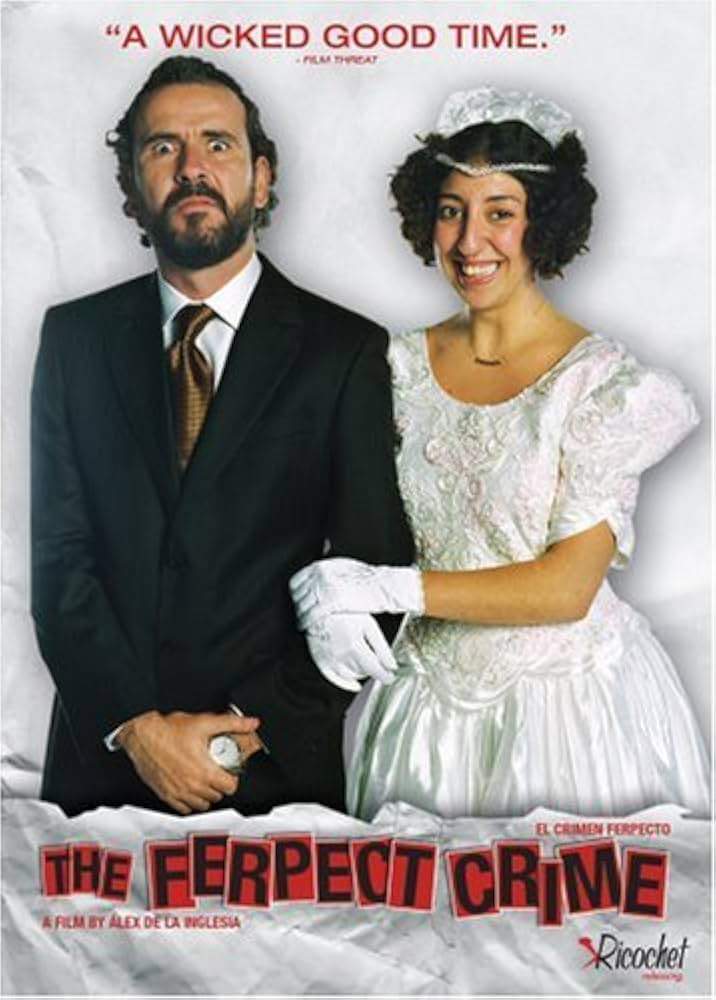


Featured on this page

What's After the Movie?
Not sure whether to stay after the credits? Find out!
Check out our other apps:

SAT Sphere
Build confidence for the Digital SAT.

Mori Atlas
Discover wild places worth protecting.

Luntero
Search smarter for a home in Amsterdam.

Plot Explained
Unravel movie endings and hidden clues.

Pokechamp
Dive into Pokémon data and battle logic.

Driving Theory
Get ready for your European theory test.

Movie Dust
Plan your next cinema trip with ease.

Musemap
Find art and culture as you travel.

Selkobase
Compare credentials before committing.

Local Manual
Turn an unfamiliar country into practical next steps.

Lernavi
Compare school systems before your next move.

GymRoam
Find a workout stop wherever your plans take you.
Explore Our Movie Platform
New Movie Releases (2026)
Famous Movie Actors
Top Film Production Studios
Movie Plot Summaries & Endings
Major Movie Awards & Winners
Best Concert Films & Music Documentaries
Movie Collections and Curated Lists
© 2026 What's After the Movie. All rights reserved.
Privacy Policy