
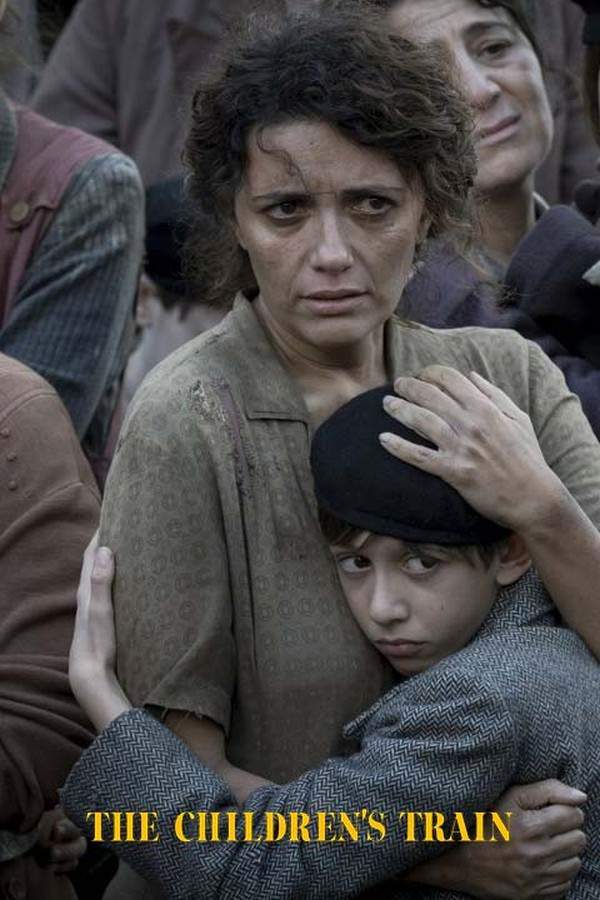
The Children's Train 2024

Directed by

Cristina Comencini
Made by

Palomar
The Children's Train Plot Summary
Read the complete plot summary and ending explained for The Children's Train (2024). From turning points to emotional moments, uncover what really happened and why it matters.
In the year 1946, a time marked by profound hardships in post-war Italy, we encounter Antonietta, an impoverished single mother, who faces the tough decision of sending her beloved son Amerigo away. As part of the initiative known as the treni della felicità (trains of happiness), organized by the Italian Communist Party (PCI), Antonietta hopes to provide a better life for her son by arranging for him to travel from bustling Naples to the relative comfort of northern Italy where he would live with a host family. Despite her good intentions, Amerigo initially resists this plan, clinging to the familiar surroundings of his childhood. His decision to stay changes drastically when he is caught in a precarious situation involving Antonietta’s boyfriend, leading to a confrontation over the fraudulent selling of white-painted rats for furs.
At the train station, an unsettling scene unfolds as an elderly woman instills fear in the gathered crowd. She warns the children and their parents with terrifying tales of deportation to Siberia and cannibalism, which sends shivers down their spines. However, the determined PCI cadres rise to the occasion, passionately arguing that the children’s dire circumstances necessitate the journey north for a chance at a better life, ultimately persuading the hesitant families.
Upon arriving in Modena, the children are welcomed by their host families, one by one, until only Amerigo remains. He is reluctantly taken in at the last moment by Derna, a former partisan who now lives alone, mourning the loss of her boyfriend during the war. The next day brings introductions to Derna’s brother, Alcide, and his three sons: Revo, Lucio, and Nario. The kind-hearted Alcide shares a wealth of skills with Amerigo, particularly igniting his passion for music with the violin. Yet, inter-family tensions arise as jealousy festers in Lucio towards the affection Alcide shows Amerigo. Their budding friendship faces challenges, notably when Amerigo, haunted by the old woman’s tales, hides from a baking opportunity in the woods until Derna reassures him he will return home after the wheat harvest, laying the groundwork for their slowly growing bond.
As Amerigo adapts to school life, he quickly becomes the target of bullies, primarily due to his southern roots. However, an unexpected ally emerges in Lucio, who begrudgingly defends him. Events at a May Day festival take a turn when Lucio taunts Amerigo about his mother, leading to a fight which results in Amerigo running away. In a vulnerable moment, he stumbles upon Derna in distress, confronting the misogyny of her colleague. That night, he comforts her, drawing parallels between her and his mother’s strength, acknowledging that Antonietta would never allow herself to be mistreated in such a manner.
As the harvest season arrives, it becomes time for the southern children to return home, where Amerigo is met with coldness from his mother. Antonietta cynically suggests that he is destined for a life of poverty. Amerigo, feeling incredibly isolated as the only child without letters or gifts from his fosters, discovers a painful truth when he visits the PCI offices: his mother has withheld the care packages from Derna intended for him. The pain intensifies when he finds that Antonietta has pawned the cherished violin gifted to him by Alcide. A confrontation ensues where Amerigo reprimands her for her selfishness, leading to a heart-wrenching slap from his mother. In a moment of desperation, he flees and boards a train back to Modena, culminating in a tearful reunion with Derna.
Fast forward to 1994, and we find an adult Amerigo, now a successful violinist, grappling with the news of his mother’s passing. His return to Naples unveils memories as he discovers his old violin, which Antonietta had redeemed, engulfing him in a wave of nostalgia and sorrow. Through a poignant voiceover, it is revealed that Antonietta had indeed allowed her son to seek his own happiness, having sent a letter to Derna, imploring her to either accept him into her heart or to facilitate his return. This resonates with the profound message that those who genuinely care for others may sometimes let them go, a testament to the enduring nature of love and sacrifice in the face of adversity.
The Children's Train Timeline
Follow the complete movie timeline of The Children's Train (2024) with every major event in chronological order. Great for understanding complex plots and story progression.
Antonietta's Decision
In 1946, Antonietta, an impoverished single mother, decides to send her son Amerigo away to northern Italy. She hopes to provide him with a better life through the treni della felicità initiative despite the challenges they face after World War II.
Amerigo's Reluctance
Initially, Amerigo refuses to leave Naples but changes his mind after being caught selling white-painted rats for furs. His mother's boyfriend's actions force him to reconsider his escape from their difficult life.
The Scare at the Station
At the train station, an elderly woman instills fear in the children and their parents, claiming they will be sent to Siberia and eaten by cannibals. However, PCI representatives counter her claims, emphasizing the dire situations the children face in the south.
Arrival in Modena
Upon arriving in Modena, the children are quickly picked up by their foster families. Amerigo is the last to be taken in, reluctantly accepted by Derna, a former partisan who lives alone after losing her boyfriend.
Learning at Derna's
Derna introduces Amerigo to her brother Alcide and his three sons, who begin teaching him various skills. Notably, Alcide introduces him to the violin, which ignites a newfound passion in Amerigo.
Conflict with Lucio
As Amerigo adapts to his new life, he faces jealousy from Lucio, Alcide's son, who resents the attention Amerigo receives. This conflict creates tension within the household and complicates Amerigo's adjustment.
The Bread Baking Experience
When invited to bake bread with Alcide's family, Amerigo is frightened by the old woman's warning and hides in the woods. Only after Derna promises he can go home after the wheat harvest does he begin to open up to her.
School Bullying
At school, Amerigo faces bullying from classmates who disparage him for being a southerner. Despite the hostility, Lucio reluctantly defends him, leading to an evolving friendship between the two.
May Day Festival Conflict
During a May Day festival, Lucio provokes Amerigo by taunting him about his mother. In a moment of anger, Amerigo retaliates, resulting in a fight before he runs away, further complicating their relationship.
Empathy for Derna
After witnessing Derna being mistreated by a chauvinist colleague, Amerigo draws parallels between her and his mother. This emotional moment strengthens their bond as he comforts her in her time of need.
Finding Rossana
Lucio seeks Amerigo's help to locate Rossana, a homesick girl who has run away. They find her by the railway tracks and resolve her situation, leading to a newfound camaraderie among the boys.
Return to Naples
As the harvest ends, Amerigo and the other children are sent home. Amerigo’s reunion with his mother is cold, and she cynically tells him he is destined for a life of poverty, hinting at her unresolved feelings.
Discovering Secrets
Feeling abandoned, Amerigo learns that his mother has hidden gifts and messages from Derna. This revelation about his mother's actions fuels a growing resentment between mother and son.
Running Away
Heartbroken by further revelations, Amerigo decides to run away. He takes a train back to Modena, desperately seeking the warmth and acceptance he found with Derna.
Reunion with Derna
Amerigo arrives in Modena and is tearfully reunited with Derna. This reunion underscores the powerful bond they forged during his stay, signifying love and acceptance that had been missing in his life.
Adult Amerigo's Loss
In 1994, Amerigo, now a successful violinist, learns of his mother Antonietta's death. Driven by emotions, he returns to Naples, uncovering his old violin that she had redeemed, leading him to reflect on his past.
Realization of Love
A voiceover reveals a poignant truth: Antonietta had allowed Amerigo to leave, demonstrating that love often means letting go. This realization casts a different light on their complicated relationship.
The Children's Train Characters
Explore all characters from The Children's Train (2024). Get detailed profiles with their roles, arcs, and key relationships explained.
Amerigo
Amerigo is a sensitive and reluctant child facing significant upheaval in his life. His journey from Naples to Modena exposes him to new experiences and relationships that help shape his character. His inner conflict, alongside his growth and development, showcases his resilience in navigating the complexities of family and belonging.
Antonietta
Antonietta is an impoverished single mother whose actions are driven by desperation and love. Her complex relationship with Amerigo reflects the challenges of single motherhood in a post-war society, and her struggle with letting go highlights the difficult choices parents face.
Derna
Derna is a former partisan who becomes a pivotal figure in Amerigo's life as his foster mother. Her nurturing yet independent nature helps bridge the gap between Amerigo's past and his potential future. Through her kindness and strength, she aids in his emotional healing.
Lucio
Lucio serves as a foil to Amerigo, showcasing jealousy and insecurity due to his father's affections. His initial antagonism evolves into friendship, revealing the complexities of childhood relationships and personal growth as he grapples with his feelings.
Alcide
Alcide, Derna's brother, plays a supportive role in Amerigo's life, teaching him valuable skills and nurturing his interests. His character represents the strength of familial bonds and the importance of mentorship in fostering growth.
The Children's Train Settings
Learn where and when The Children's Train (2024) takes place. Explore the film’s settings, era, and how they shape the narrative.
Time period
1946, 1994
Set primarily in 1946, shortly after World War II, the movie reflects the struggles of rebuilding and the social initiatives taken for the welfare of impoverished children. The contrasting time of 1994 serves to highlight the long-lasting impact of these early experiences on Amerigo's life.
Location
Naples, Modena, Northern Italy
The film spans across Naples and Modena in Italy. Naples, known for its rich history and vibrant culture, serves as the starting point for Amerigo's journey. Modena, a charming northern city, becomes the backdrop for his transformative experiences with his foster family during the post-war era.
The Children's Train Themes
Discover the main themes in The Children's Train (2024). Analyze the deeper meanings, emotional layers, and social commentary behind the film.
🤝
Family
The theme of family is central to the story, exploring the bonds between biological and foster families. Amerigo's relationship with his mother and Derna showcases the complexities of love, sacrifice, and support found in unconventional family structures.
🌍
Displacement
Displacement is a prevalent theme, as the children's journeys illustrate the struggles faced by those uprooted from their homes. The film poignantly addresses the emotional impact of being sent away, highlighting Amerigo's feelings of alienation and longing for belonging.
🎻
Passion
Amerigo's newfound passion for the violin symbolizes hope and the pursuit of dreams. This theme emphasizes how art and education can provide solace and direction, guiding individuals through their hardships.

The Children's Train Ending Explained
Unravel the ending of The Children's Train (2024) with our detailed explanation. Understand the final scenes, character fates, and unresolved questions.
The movie concludes with Amerigo returning to Naples and visiting his mother’s old home after her death. Throughout the story, we see how their relationship was strained by her constant harshness and focus on survival, which left little room for emotional connection. When Amerigo finds her belongings, he discovers that she had pawned his specially made violin—an act that symbolized her survival struggles but also deeply hurt him. The receipt inside the pawned item suggests she managed to buy it back later, hinting that she may have done so out of guilt or love, even if she never expressed it openly. That moment of discovery brings Amerigo to tears, serving as a poignant end to their troubled relationship, signifying that despite her flaws, her actions were driven by a desire to sustain their lives.
Meanwhile, the final scenes reveal Amerigo reflecting on his childhood, marked by hardship, loss, and fleeting moments of kindness. The film’s epilogue shows footage of the real historical program that sent children to northern Italy—a touching tribute to the efforts made to save vulnerable children after the war. The story ultimately highlights the resilience of young boys like Amerigo and the complex, often indirect ways in which love and sacrifice are expressed amidst hardship. The ending emphasizes that even amidst pain and misunderstanding, acts of care—like the mother’s attempt to keep her son alive—can leave a lasting impact, shaping the boy’s future and his understanding of family and belonging.
The Children's Train Spoiler-Free Summary
Discover the spoiler-free summary of The Children's Train (2024). Get a concise overview without any spoilers.
In the bleak aftermath of World War II, the cramped alleyways of Naples pulse with survival and the echo of a city still nursing its wounds. Amerigo, a seven‑year‑old boy, lives with his single mother, Antonietta, in a world defined by scarcity and the narrow streets that have become his whole universe. When a charitable program known as the “trains of happiness” promises a chance at a different future, Antonietta makes the painful decision to send her son northward, hoping the journey will open a door that the war‑torn south cannot.
The train carries not only children but a quiet optimism that contrasts sharply with the grim reality of post‑war Italy. Upon arrival in the more tranquil northern town, Amerigo is welcomed by Derna, a young woman whose quiet strength hints at stories of loss and resilience. In this new setting, the rhythm of daily life shifts—from bustling markets to the gentle hum of schoolrooms and the tentative strumming of a violin that begins to awaken a latent passion in the child. The tone balances the tender curiosity of a boy discovering a world beyond his familiar streets with the lingering shadows of a country still piecing itself together.
The Children’s Train unfolds as a poetic meditation on displacement, hope, and the subtle alchemy of belonging. Its atmosphere is suffused with both the starkness of hardship and the fragile glow of possibility, inviting viewers to feel the tension between the pull of home and the promise of new horizons. Through evocative scenery and quiet character moments, the film hints at the transformative power of kindness and the delicate ways in which one small journey can reshape a life, leaving the audience eager to follow the path ahead.
Featured on this page

What's After the Movie?
Not sure whether to stay after the credits? Find out!




Explore Our Movie Platform
New Movie Releases (2025)
Famous Movie Actors
Top Film Production Studios
Movie Plot Summaries & Endings
Major Movie Awards & Winners
Best Concert Films & Music Documentaries
Movie Collections and Curated Lists
© 2025 What's After the Movie. All rights reserved.