
The Children Are Watching Us 1943

Directed by
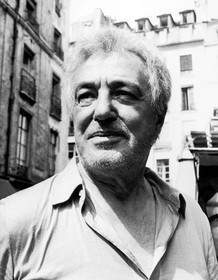
Vittorio De Sica
Made by

Scalera Film
The Children Are Watching Us Plot Summary
Read the complete plot summary and ending explained for The Children Are Watching Us (1943). From turning points to emotional moments, uncover what really happened and why it matters.
Pricò is a curious, observant young boy growing up in a comfortable middle-class Italian home. His mother, Nina, takes him to a sunlit park where he adores a puppet show and the simple rhythm of everyday life, all while catching sight of a handsome man named Roberto who seems to be courting her. In Pricò’s eyes, the adult world feels both bright and fragile, a place where love and loyalty can blur at the edges and leave a boy trying to make sense of it all.
That night, after tucking him into bed, Nina runs off with the stranger, leaving Pricò’s father, Andrea, to confront the shock of a family pulled apart. The house, once full of routine and warmth, suddenly hums with rumors and unease as neighbors whisper about Nina’s disappearance. Pricò senses the tremor in his father’s voice and in the quiet that follows, a shadow over the meals and the small rituals that once marked their days. The truth, as it circles the block, seems to be that Nina has chosen a new path, and the man she’s chosen to be with becomes a kind of specter in Pricò’s life, always just out of reach.
To distance herself from Roberto, Nina and Andrea embark on a vacation with Pricò to a nearby seaside hotel. The days drift by with the promise of a fresh start and a chance to rebuild the family’s smaller, steadier world. The vacation feels almost serene at first, with the sea’s constancy offering a counterweight to the earlier turmoil. Yet the tension beneath the surface remains, a quiet undertow that threatens to pull them back into the old patterns. When Andrea must return to work, he agrees that Nina can stay with Pricò for a few extra days, a gesture meant to preserve the fragile balance they’re trying to maintain.
But the past does not stay buried. Roberto reappears, showing up unannounced at a hotel dance, and Nina is drawn toward him once again. She resists at first, then yields, and Pricò’s heart sinks as he watches his mother’s faith unravel in real time. The boy’s sense of security is jolted, and he runs away in distress, only to be dragged back by authorities and family members who fear the consequences of a broken promise. The scene crystallizes a truth Pricò cannot ignore: the adults around him are caught in a tangle of love, desire, and abandonment that he cannot fix.
Back in their hometown, Nina asks Pricò to go upstairs and promises she will join him after finishing a quick errand. When Pricò finally reaches the stairs, he and his father confront the heartbreaking reality of Nina’s absence once more. The ache is not simply about a missing spouse; it’s about a dismantled family mythology and the weight of choices made in the quiet hours of the night. Andrea, overwhelmed by despair, cannot bear the burden of his own life and takes his own life, leaving Pricò to face the consequences of a parent’s death, a ward’s isolation, and a home that feels suddenly hollow.
The boy is sent to a boarding school, a stark change that mirrors the starkness of the adult world he is already learning to navigate. When word arrives of his father’s death, Pricò’s world feels both larger and more fragile than ever. He is surrounded by the care of Nina and her loyal maid, yet he experiences a pivotal moment of clarity: though he is young, he can see the complexity of his mother’s choices and the pain that drives them. He resists seeking comfort from the mother who has caused him so much confusion, instead turning toward the steady presence of the maid who has stood by the family through so much.
In the end, Pricò walks away with a measured, almost austere dignity, choosing his own path rather than the incomplete reconciliation of a family fractured by longing and misunderstanding. The film closes on a quiet note of resilience: a child’s resolve to face a world where love is not always easy, and where the most painful chapters can be endured with the help of those who stand by you, even if they cannot heal the hurt outright.
The Children Are Watching Us Timeline
Follow the complete movie timeline of The Children Are Watching Us (1943) with every major event in chronological order. Great for understanding complex plots and story progression.
Park visit reveals tension
Pricò accompanies his mother to the local park, where he enjoys a puppet show. He spots Nina's marked attention to Roberto and senses trouble in the air as the romance begins to surface.
Evening at home
Back home, the family has dinner together while Pricò quietly processes the day. He ruminates on his mother's relationship and what it could mean for his family.
Nina leaves with a stranger
That night Nina slips away with the stranger Roberto, leaving Andrea to grapple with the sudden empty home. Pricò senses his mother's absence but remains unaware of the full truth.
Rumors and Nina's return
Neighbors spread rumors about Nina's disappearance, and it is eventually assumed she ran off with another man. After a few days she returns, and Andrea reluctantly agrees to let Pricò stay with his mother for now.
Family vacation to distance from Roberto
To distance itself from Roberto, Nina and Andrea take Pricò on a vacation to a nearby beach hotel. The trip initially offers a sense of reunion and normalcy as the family tries to rebuild some stability.
Business return and Nina's extra days
During the vacation, Andrea announces he must return for work and asks Nina to stay a few extra days with Pricò. The plan is to keep the boy close while the adults negotiate their tangled past.
Roberto infiltrates the vacation
Roberto unexpectedly appears at a hotel dance and pursues Nina again. She initially resists, but eventually yields, much to Pricò's dismay at his mother's wavering faith.
Pricò runs away; police intervene
Out of heartbreak, Pricò runs away from the hotel scene. He is found and brought back by police officers, exposing the fragility of the family’s fragile peace.
Return home and disappearance revealed
Back in their hometown, Nina asks Pricò to go upstairs while she runs an errand, and he and his father realize the truth of her absence. The home atmosphere becomes strained once more as the truth sinks in.
Boarding school and the split
Distressed by Nina's departure, Andrea enrolls Pricò in a boarding school. The separation deepens Pricò's sense of loss and marks a break in the family’s unity.
Andrea's death
While Pricò is away at school, Andrea kills himself in despair. His death shatters the fragile hope of the family and leaves Pricò to confront a more complicated absence.
Final moment: coping with loss
When Pricò is told of his father's death at the school, Nina and her maid are there to comfort him. Pricò, though young, understands the truth of his mother's actions and refuses to seek her comfort as he walks away, ending the film.
The Children Are Watching Us Characters
Explore all characters from The Children Are Watching Us (1943). Get detailed profiles with their roles, arcs, and key relationships explained.
Pricò
Pricò is a perceptive young boy from a middle-class family who notices his mother's relationship with Roberto. He remains loyal to his father yet becomes increasingly unsettled by his mother's actions, revealing a child's early awareness of relational complexities. The boarding school separation and his final withdrawal from his mother highlight his struggle to reconcile love, trust, and truth.
Nina
Nina is Pricò's mother whose past romance with Roberto complicates her present family life. She vacillates between love and duty, leaving and returning, attempting to distance herself from the affair while seeking stability for her son. Her decisions drive the central conflict and test the boundaries of maternal responsibility.
Andrea
Andrea is Pricò's father, overwhelmed by the unraveling family situation. He ultimately commits suicide, a tragic testament to his despair and sense of failure as a husband and patriarch. His reaction underscores the vulnerability of male protagonists in the face of private heartbreak.
Roberto
Roberto is the charming yet disruptive man who pursues Nina, catalyzing the family crisis. His persistence challenges the marriage and exposes the fragility of social bonds that hold the family together. His presence forces Pricò and Nina to confront the consequences of adult choices.
The Children Are Watching Us Settings
Learn where and when The Children Are Watching Us (1943) takes place. Explore the film’s settings, era, and how they shape the narrative.
Time period
1950s
Set in postwar Italy, the 1950s are a time of gradual modernization and adherence to traditional family roles. The narrative unfolds through the lens of a working-class or middle-class household navigating desire, loyalty, and reputation. Public spaces and private rooms alike reveal how appearances are protected while private tensions simmer.
Location
Italy, local town, beach hotel
The story unfolds in a middle-class Italian town with everyday neighborhoods, a local park, and a nearby beach hotel where the family vacations. The home and park scenes anchor the film in a familiar Italian urban milieu, reflecting postwar domestic life. The seaside hotel episode shows a temporary escape from routine, highlighting the fragility of the family unit in public view.
The Children Are Watching Us Themes
Discover the main themes in The Children Are Watching Us (1943). Analyze the deeper meanings, emotional layers, and social commentary behind the film.
💔
Infidelity
Nina's relationship with Roberto disrupts the family stability and exposes the fragility of trust. The affair triggers feelings of betrayal in Andrea and a sense of disillusion in Pricò, who witnesses adults' choices with a child's keen eye. The film examines how romantic infidelity reverberates through home life and questions the boundaries of parental responsibility.
👶
Child Perspective
Pricò's perceptions shape the emotional core of the story, presenting the world through a child's observations of misdeeds and loyalties. His loyalty to his father clashes with his mother's actions, creating inner conflict and moral ambiguity. The boarding school interlude and ultimate withdrawal from his mother underscore the impact of adult decisions on a child's sense of security.
🗣️
Societal Gossip
Neighbors' rumors and public chatter surround Nina's disappearance and reappearance, illustrating the pressure to uphold appearances. The town's judgment magnifies private pain, making Nina's choices a public matter rather than a private tragedy. This social scrutiny intensifies the film's emotional distance between mother and son.

Coming soon on iOS and Android
The Plot Explained Mobile App
From blockbusters to hidden gems — dive into movie stories anytime, anywhere. Save your favorites, discover plots faster, and never miss a twist again.
Sign up to be the first to know when we launch. Your email stays private — always.
Explore the mobile appThe Children Are Watching Us Spoiler-Free Summary
Discover the spoiler-free summary of The Children Are Watching Us (1943). Get a concise overview without any spoilers.
In sun‑drenched post‑war Italy, a modest middle‑class household drifts through the rhythms of everyday life with a gentle, almost lyrical cadence. The film’s naturalistic style captures the simple pleasures of a park puppet show, the hush of a seaside breeze, and the quiet rituals that bind a family together. Through unadorned camerawork and soft lighting, the world feels both intimate and universal, inviting the audience to see the ordinary as a stage for deeper emotional currents.
At the heart of the story is a curious, observant boy named Pricò, whose eyes take in the adult world with a mixture of awe and confusion. His mother, Nina, exudes a bright, carefree energy that draws his fascination, while his father, Andrea, provides a steady, if occasionally uneasy, anchor. When a handsome stranger named Roberto appears, the fragile balance of love, loyalty, and desire begins to shift, leaving Pricò to navigate an emerging gap between the safety of his routines and the ambiguities of grown‑up choices.
The tone is one of quiet tension, a drama that unfolds with subtle storytelling rather than overt spectacle. The film meditates on how the folly and longing of adults can ripple through a child’s consciousness, shaping his sense of security and identity. With understated performances and a keen observational eye, the narrative paints a vivid portrait of a family on the brink of change, urging viewers to contemplate the delicate interplay between innocence and the inevitable complexities of adult life.
Movies with Similar Twists and Themes
Uncover films that echo the narrative beats, emotional arcs, or dramatic twists of the one you're exploring. These recommendations are handpicked based on story depth, thematic resonance, and spoiler-worthy moments — perfect for fans who crave more of the same intrigue.



Featured on this page

What's After the Movie?
Not sure whether to stay after the credits? Find out!
Check out our other apps:

SAT Sphere
Build confidence for the Digital SAT.

Mori Atlas
Discover wild places worth protecting.

Luntero
Search smarter for a home in Amsterdam.

Plot Explained
Unravel movie endings and hidden clues.

Pokechamp
Dive into Pokémon data and battle logic.

Driving Theory
Get ready for your European theory test.

Movie Dust
Plan your next cinema trip with ease.

Musemap
Find art and culture as you travel.

Selkobase
Compare credentials before committing.

Local Manual
Turn an unfamiliar country into practical next steps.

Lernavi
Compare school systems before your next move.

GymRoam
Find a workout stop wherever your plans take you.
Explore Our Movie Platform
New Movie Releases (2026)
Famous Movie Actors
Top Film Production Studios
Movie Plot Summaries & Endings
Major Movie Awards & Winners
Best Concert Films & Music Documentaries
Movie Collections and Curated Lists
© 2026 What's After the Movie. All rights reserved.
Privacy Policy