
The Carey Treatment 1972

Directed by
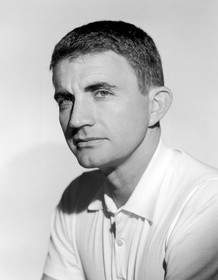
Blake Edwards
Made by

Geoffrey Productions
Where to Watch The Carey Treatment
See current US streaming, rental, and purchase options for The Carey Treatment (1972) via JustWatch.

Amazon Video
HD
Apple TV Store
HD
Google Play Movies
SD
YouTube
SD Streaming availability powered by 
The Carey Treatment Plot Summary
Read the complete plot summary and ending explained for The Carey Treatment (1972). From turning points to emotional moments, uncover what really happened and why it matters.
Dr. Peter Carey is the new pathologist at a Boston hospital. He befriends his colleagues and falls in love with Georgia Hightower, the hospital’s dietitian. The hospital is run by surgeon J.D. Randall.
Trouble brews as police investigate a string of morphine thefts at the hospital. One night, Randall’s daughter Karen Randall dies in the emergency room after a botched abortion.
Dr. David Tao is arrested for performing the abortion, and Carey pretends to be his lawyer to visit him in jail. Tao explains that he charged $25 for illegal abortions because he was horrified at the suffering caused by unskilled practitioners, but he insists he did not perform Karen’s abortion.
Captain Pearson warns Carey to stay out of the case, but he refuses to let an innocent man face prison. The autopsy reveals that the abortion involved a curettage technique but pierced the endometrium, causing fatal hemorrhage, and Karen’s blood work shows she was not pregnant.
Carey questions [Lydia Barrett], Karen’s roommate, who confesses she hated Karen for stealing her boyfriend, [Roger Hudson]. Carey tracks [Roger Hudson] to the massage parlor where he works and sees [Angela Holder] leaving as he arrives.
Carey deduces that Holder was stealing hospital drugs to fund Hudson’s drug habit. He gets Holder to confess that she performed the abortion to fund her habit. Hudson goes berserk and tries to kill Carey multiple times before Captain Pearson shoots him.
The Carey Treatment Timeline
Follow the complete movie timeline of The Carey Treatment (1972) with every major event in chronological order. Great for understanding complex plots and story progression.
Carey begins as the hospital's new pathologist
Dr. Peter Carey starts his role as the new pathologist at a Boston hospital and quickly adapts to the demanding environment. He befriends his colleagues and begins a romance with dietitian Georgia Hightower, signaling the start of his integration into hospital life. The setting is busy with patients, procedures, and looming professional expectations.
Randall runs the hospital
The hospital is run by surgeon J.D. Randall, shaping policies and the atmosphere Carey must navigate. Randall's leadership sets the tone for medical decisions and power dynamics within the facility. Carey begins his career under this tense hospital regime.
Police investigate morphine thefts
Police are investigating a series of morphine thefts at the hospital, hinting at corruption and hidden motives behind the drug supply. The investigation adds pressure on staff and raises the stakes for patient care. Carey becomes aware of the case as tensions rise.
Karen dies after a botched abortion
One night, Karen Randall, Randall's daughter, dies in the emergency room after a botched abortion. The death triggers a police case and spotlights the hospital's handling of illicit procedures. The event sets off the central investigation that drives the story.
Dr. Tao is arrested
Dr. David Tao is arrested for performing illegal abortions. The arrest complicates the medical ethics landscape and brings personal stakes into the investigation. Carey becomes involved as he seeks truth while one of his colleagues is under scrutiny.
Carey visits Tao undercover
Carey pretends to be Tao's lawyer to gain access to him in jail, hoping to learn more about Karen's case. He uses the ruse to interview Tao and gather information that might exonerate his friend. The scene underscores Carey's determination and willingness to bend rules for justice.
Tao admits the abortion fee but denies Karen's case
Tao admits to charging $25 for illegal abortions, because he was horrified at how women suffered at the hands of amateurs. He, however, says he did not perform Karen's abortion. The admission shifts the focus to who actually performed the procedure.
Captain Pearson warns Carey off the case
Police Captain Pearson warns Carey to leave the case alone, signaling official pressure to drop the investigation. Carey refuses to abandon the fight for truth, convinced of his friend's innocence. The tension between police authority and personal conviction grows.
Autopsy reveals the procedure and pregnancy status
The post-mortem reveals that the procedure involved curettage knowledge and pierced the endometrium, causing fatal hemorrhaging. It also shows that Karen was not pregnant, suggesting a deeper mystery. Carey pieces these findings together to challenge the narrative around Karen's death.
Carey questions Lydia about Karen
Carey suspects that Karen may have missed a few periods and panicked into seeking an abortion, prompting further scrutiny. He questions Karen's roommate Lydia Barrett to uncover confidences and potential motives. The inquiry widens beyond the abortion itself to personal relationships and tensions.
Lydia Barrett reveals a motive
Lydia Barrett confesses that she hated Karen for stealing her boyfriend Roger Hudson, providing a personal motive for conflict. The confession adds a volatile social dynamic to the unfolding case. It connects interpersonal rivalries to the hospital drama.
Carey follows Roger Hudson to the massage parlor
Carey visits Roger Hudson at the massage parlor where he works, and he sees nurse Angela Holder leaving as he arrives. This sighting raises suspicions about Holder's involvement in the drug and abortion network. The scene accelerates the investigation.
Holder is tied to the drug thefts
Carey deduces that Angela Holder was stealing hospital drugs for Hudson to sell. The deduction links Holder to the overall illicit operation and helps explain Karen's death within a larger criminal scheme. The hospital becomes a hub for criminal activity rather than just medical care.
Holder confesses her role in the abortion
Carey gets Holder to confess to performing the abortion to fund her drug habit, admitting involvement in the critical incident that killed Karen. This confession clarifies the chain of illicit acts and ties together the drug diversion with the abortion itself. The truth begins to crystallize for Carey.
Hudson is killed after a violent outburst
Roger Hudson goes berserk and tries to kill Carey multiple times, escalating the danger. Captain Pearson ultimately kills Hudson to stop him and bring the immediate threat under control. The confrontation resolves the immediate crisis and brings the investigation toward closure.
The Carey Treatment Characters
Explore all characters from The Carey Treatment (1972). Get detailed profiles with their roles, arcs, and key relationships explained.
Dr. Peter Carey (James Coburn)
A newly appointed pathologist at a Boston hospital, Carey forms bonds with his colleagues and becomes deeply involved in a dangerous case surrounding Karen Randall’s death. He blends scientific rigor with a strong moral compass, choosing to stand up for the truth even when it puts him at odds with authorities.
Georgia Hightower (Jennifer O'Neill)
A hospital dietitian who captures Carey’s affection and becomes a supportive partner as he seeks justice. She represents the personal life that persists amid professional turmoil and crisis.
Dr. David Tao (James Hong)
A physician whose arrest over illegal abortions drives Carey to question the system. Tao explains his motives—compassion for women suffering at the hands of amateurs—and asserts he did not perform Karen’s abortion.
J.D. Randall (Dan O'Herlihy)
The hospital’s surgeon who runs the facility; his authority frames the power dynamics within the hospital. The case tests his role when his daughter Karen dies and Carey pushes beyond established lines.
Karen Randall (Melissa Torme-March)
J.D. Randall’s daughter, whose death after a botched abortion triggers the investigation. The death becomes the catalyst that drives Carey to uncover the truth.
Lydia Barrett (Jennifer Edwards)
Karen’s roommate who resents Karen for stealing her boyfriend Roger Hudson. Her confession to Carey helps piece together the sequence of events.
Angela Holder (Skye Aubrey)
A nurse who steals hospital drugs to fund Roger Hudson’s drug habit and ultimately helps cover up the abortion. Her confession is pivotal to Carey’s case.
Captain Pearson (Pat Hingle)
The police captain who investigates the morphine thefts and warns Carey to stay away from the case, highlighting the tension between law enforcement and medical inquiry.
Roger Hudson (Michael Blodgett)
Karen’s boyfriend, working at a massage parlor, whose actions escalate the danger. He becomes a violent figure who poses a direct threat to Carey.
The Carey Treatment Settings
Learn where and when The Carey Treatment (1972) takes place. Explore the film’s settings, era, and how they shape the narrative.
Location
Boston, Massachusetts
The story unfolds in a busy Boston hospital, a dense urban medical complex that anchors the film's drama. It is depicted as a high-stakes environment where doctors, nurses, and administrators navigate life-and-death decisions. The city backdrop reinforces the tension between personal lives and professional duty within a close-knit medical community.
The Carey Treatment Themes
Discover the main themes in The Carey Treatment (1972). Analyze the deeper meanings, emotional layers, and social commentary behind the film.
🔬
Medical Ethics
The film probes the ethics of medical practice, from illegal abortions to drug theft, and asks how far doctors and nurses should go to protect patients and colleagues. It juxtaposes scientific detachment with the emotional stakes of real harm. The plot turns on whether medical knowledge justifies questionable means to end suffering or save lives.
🕵️
Duty & Loyalty
Carey fights for the truth even when authorities want him to drop the case, highlighting tensions between professional duty and personal loyalty. The investigation exposes how fear and power can cloud judgment within a hospital community. The story questions whether loyalty to colleagues outweighs legal obligations.
❤️
Romance
Carey’s relationship with Georgia Hightower adds a human dimension to the crisis, showing how intimate bonds persist amid professional risk. Trust is tested as secrets about Karen’s death and the drug scandal surface. The film examines how love survives in a morally ambiguous, high-pressure environment.

Coming soon on iOS and Android
The Plot Explained Mobile App
From blockbusters to hidden gems — dive into movie stories anytime, anywhere. Save your favorites, discover plots faster, and never miss a twist again.
Sign up to be the first to know when we launch. Your email stays private — always.
Explore the mobile appThe Carey Treatment Spoiler-Free Summary
Discover the spoiler-free summary of The Carey Treatment (1972). Get a concise overview without any spoilers.
In the bustling corridors of a Boston teaching hospital, Dr. Peter Carey walks a line that bends the familiar rules of medicine. His reputation rests on an unorthodox philosophy—the “Carey Treatment”—that flips conventional healing on its head, inviting both admiration and whispered skepticism. The institution itself hums with the sterile precision of modern health care, yet beneath its polished surface lies a web of power, rivalry, and hidden agendas that pulse like a second, darker heartbeat.
Amid the white coats and humming monitors, Georgia Hightower, the hospital’s dietitian, offers a steady, compassionate anchor for Carey’s restless intellect, hinting at a connection that could soften the edges of his relentless drive. Across the hall, J.D. Randall, a seasoned surgeon who runs the facility, embodies the entrenched authority that quietly shapes daily decisions. Outside the wards, Captain Pearson represents the law‑enforcement presence that keeps the hospital’s secrets under a watchful, if wary, eye. The network of relationships feels tightly wound, each interaction a potential catalyst for the unknown.
When a colleague—Dr. David Tao, a fellow physician—finds himself accused of a crime that could end his career, Carey’s curiosity and moral compass compel him to intervene. He steps beyond the role of pathologist, assuming the mantle of advocate and investigator, determined to uncover what lies beneath the official story. The hospital’s corridors become a maze of clues, and his pursuit of truth threatens to pull the very foundations of the institution into view, exposing the subtle corruption that thrives in the shadows of white‑coated legitimacy.
The film balances clinical precision with a gritty, almost noir atmosphere, letting the stark, antiseptic world contrast against the murkier motives of those who operate within it. It is a tense, character‑driven thriller that invites viewers to question how far a healer will go when the line between treatment and justice blurs, and whether the pursuit of truth can survive amid the relentless pressure of an institution built on both compassion and control.
Movies with Similar Twists and Themes
Uncover films that echo the narrative beats, emotional arcs, or dramatic twists of the one you're exploring. These recommendations are handpicked based on story depth, thematic resonance, and spoiler-worthy moments — perfect for fans who crave more of the same intrigue.


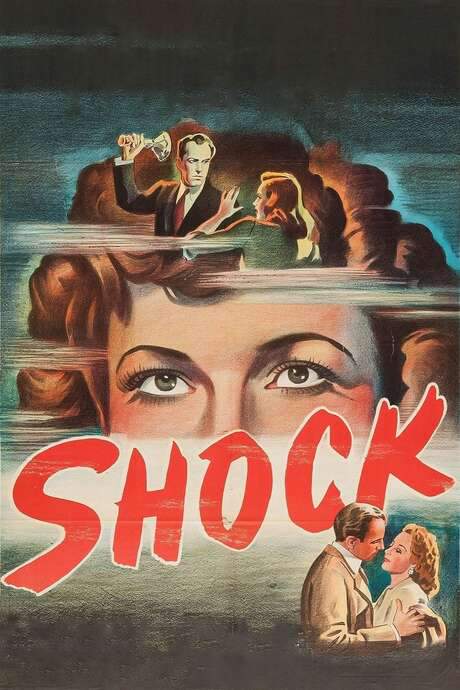


Featured on this page

What's After the Movie?
Not sure whether to stay after the credits? Find out!
Check out our other apps:

SAT Sphere
Build confidence for the Digital SAT.

Mori Atlas
Discover wild places worth protecting.

Luntero
Search smarter for a home in Amsterdam.

Plot Explained
Unravel movie endings and hidden clues.

Pokechamp
Dive into Pokémon data and battle logic.

Driving Theory
Get ready for your European theory test.

Movie Dust
Plan your next cinema trip with ease.

Musemap
Find art and culture as you travel.

Selkobase
Compare credentials before committing.

Local Manual
Turn an unfamiliar country into practical next steps.

Lernavi
Compare school systems before your next move.

GymRoam
Find a workout stop wherever your plans take you.
Explore Our Movie Platform
New Movie Releases (2026)
Famous Movie Actors
Top Film Production Studios
Movie Plot Summaries & Endings
Major Movie Awards & Winners
Best Concert Films & Music Documentaries
Movie Collections and Curated Lists
© 2026 What's After the Movie. All rights reserved.
Privacy Policy