
No Way to Treat a Lady 1968

Directed by
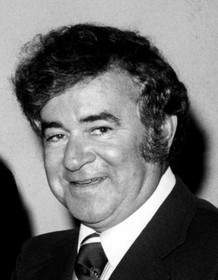
Jack Smight
Made by

Paramount Pictures
Where to Watch No Way to Treat a Lady
See current US streaming, rental, and purchase options for No Way to Treat a Lady (1968) via JustWatch.







No Way to Treat a Lady Plot Summary
Read the complete plot summary and ending explained for No Way to Treat a Lady (1968). From turning points to emotional moments, uncover what really happened and why it matters.
Christopher Gill is a serial killer fixated on his late mother, a celebrated stage actress. He targets lonely middle-aged women, using his position as a Broadway theatre owner and director to slip into a range of disguises that put his victims at ease and keep his identity hidden: an Irish priest, a German plumber, a flamboyant gay hairdresser, a policeman, and a transvestite. Once he has earned their trust, he strangles them and then marks their foreheads with a garish red lipstick kiss, painting a haunting (and telling) signature on his victims.
Detective Morris Brummell is trailing the serial killer, quietly building a case as the murders unfold. He publicly describes the latest killing as carefully planned and executed, a description that seems to feed Gill’s inflated sense of genius and prompts him to begin taunting Brummell over the phone. For the most part, Brummell can only piece together small clues about his elusive foe, including the fixation on a mother, while Gill keeps the trail frustratingly clean.
Brummell’s personal life adds friction to the investigation. His overbearing mother, Mrs. Brummel, wants him to be more like his successful doctor brother and to settle down, while she disapproves of Brummell’s police career. Into this already delicate balance steps Kate Palmer, Kate Palmer, who enters Brummell’s life and wins over his mother by claiming she aims to become Jewish and by presenting herself as someone who can domineer her partner.
To draw Gill out into the open, Brummell fabricates a sixth murder victim for the newspapers. Gill, believing he has a copycat in play, phones Brummell and tries to pin the murder on a phantom killer; Brummell then engineers a moment in which Gill describes his own physical appearance in detail. When a false newspaper report claims a suspect has been arrested, Gill calls Brummell in relief, only to learn that the suspect has been released, angering him enough to escalate his target to Palmer.
Gill arrives at Palmer’s apartment in the disguise of a caterer, and the attempted attack is thwarted, forcing him to flee. During the ensuing police manhunt, Gill is spotted entering his theatre through a side door. Brummell, curious and cautious, chats with the man, unaware that he is Palmer’s attacker. A large portrait of a woman with deep red lipstick in the theatre lobby becomes a chilling clue when Gill reveals that the woman is his mother, unintentionally exposing his true identity.
As Brummell confronts the killer with his suspicions, Gill pretends to stay calm. Brummell heads toward the costume room, and on his way back past the stage, Gill launches a deadly attack with the backstage rigging. Brummell fights back and fatally shoots Gill before Gill can strike again. In his final moments, a deranged Gill imagines some of his victims in the audience and begs Brummell for forgiveness, before dying from his wound.
No Way to Treat a Lady Timeline
Follow the complete movie timeline of No Way to Treat a Lady (1968) with every major event in chronological order. Great for understanding complex plots and story progression.
Gill's fixation on his mother and pattern of disguise
Christopher Gill is obsessed with his late mother, a noted stage actress. He preys on lonely middle-aged women and adopts various disguises—Irish priest, German plumber, flamboyant hairdresser, policeman, and transvestite—to win their trust. After securing their confidence, he strangles them and marks their foreheads with garish red lipstick.
The first murder and lipstick signature
Gill executes his initial murder by fooling his victim with a disguise, then strangles her. He paints a pair of lips on the forehead as a signature of his crime. The act showcases his method and ritual, setting the tone for the killings to come.
Brummell begins the investigation
Police detective Morris Brummell is assigned to the murders and follows the case closely. He publicly describes the latest killing as well-planned and well-executed, which inflates Gill's ego and draws him into taunting the detective. Brummell gradually pieces together fragile clues while the killer watches from the shadows.
Brummell's personal life intrudes on the case
Brummell's overbearing mother pressures him to be more like his successful doctor brother and to settle down. Meanwhile, his new love interest, Kate Palmer, glimpses Gill just before the first murder. Palmer wins over Brummell's mother by claiming she intends to dominate her son and even become Jewish, complicating the social dynamics.
A ruse to lure Gill out: six murder is fake
To draw Gill out, Brummell fabricates a sixth murder victim for the newspapers. The ruse is designed to provoke Gill into calling and describing his physical appearance. Gill, fooled by the ruse, becomes entangled in Brummell's cat-and-mouse game.
Gill counterplies: copycat paranoia and a risky call
Gill suspects a copycat trap and phones Brummell to defend himself. Brummell uses the conversation to elicit details about Gill's appearance without exposing his identity. The exchange deepens the psychological duel between killer and detective.
False arrest news triggers Gill's relief
Gill reads a faked newspaper report claiming a suspect has been arrested for the sixth murder. He calls Brummell to express relief, unaware that the supposed suspect has actually been released. The moment heightens Gill's sense of invulnerability and intensifies his plan against Palmer.
Gill targets Kate Palmer
Angered by the ongoing pressure and the ruse, Gill shifts his focus to Kate Palmer, Brummell's love interest. He arrives at Palmer's apartment posing as a caterer and launches an attack, but is forced to flee before he can kill her. The failed attempt triggers a broader manhunt.
Gill slips into the theatre amid the manhunt
During the police chase, Gill is seen entering his theatre through a side door. Brummell begins to close in, investigating the theatre and its spaces for any sign of the killer. The theatre becomes the central stage for the final confrontation.
The theatre lobby reveals Gill's true identity
Brummell chats with a man he believes is a colleague, unaware that the man is Gill, Palmer's attacker. He notices a large portrait of a woman wearing deep red lipstick in the theatre lobby, and Gill inadvertently reveals that the portrait is of his mother. This moment exposes Gill's motive and lineage to the detective.
Confrontation and the backstage ambush
Brummell confronts Gill with growing suspicions, but Gill maintains a casual front. Brummell goes to inspect the costume room, and as he returns toward the stage, Gill attacks him with backstage rigging. The two men struggle in a deadly clash amid the theatre's machinery.
Final shootout and Gill's death
The confrontation reaches its climax when Brummell fatally shoots Gill during the struggle. Gill, mortally wounded, imagines some of his murder victims in the audience and begs Brummell for forgiveness before dying. The killer's reign ends in the theatre, the very place where his mother’s memory once inspired him.
No Way to Treat a Lady Characters
Explore all characters from No Way to Treat a Lady (1968). Get detailed profiles with their roles, arcs, and key relationships explained.
Christopher Gill — Rod Steiger
A suave, charismatic serial killer who preys on lonely middle-aged women. His genius for disguises and his fixation on his mother drive his murders. He taunts the detective with selective information, turning the chase into a psychological game. The lipstick-on-forehead motif marks his ritualistic method and theatrical mindset.
Morris Brummel — George Segal
A determined Broadway theatre owner and detective who becomes obsessed with solving the murders. He navigates pressure from his own family while using wit and witless banter to unsettle the killer. Brummel orchestrates a ruse to draw Gill out and to learn his physical description. He ultimately confronts Gill in a climactic showdown.
Kate Palmer — Lee Remick
Brummel’s love interest who wins over his mother by playing dominance and hinting at a Jewish identity, creating a broader dynamic in Brummel’s personal life. She glimpses Gill and becomes an indirect catalyst in the investigation. Her involvement adds a layer of romantic and social complexity to the pursuit.
Mrs. Brummel — Eileen Heckart
Brummel’s overbearing mother, whose strict expectations and social pressure shape her son’s choices. She embodies the tension between professional ambition and personal tradition. Her presence amplifies the film’s themes of family influence and societal norms.
Inspector Haines — Murray Hamilton
A police inspector who works with Brummel to pursue the killer. He participates in the tactical aspects of the investigation and engages with the killer through the escalating cat-and-mouse dynamic. His role helps drive the procedural aspect of the story forward.
No Way to Treat a Lady Settings
Learn where and when No Way to Treat a Lady (1968) takes place. Explore the film’s settings, era, and how they shape the narrative.
Time period
early 1970s
The story unfolds in the early 1970s New York City, a period marked by gritty urban crime and a thriving Broadway scene. The era’s atmosphere is shaped by public fascination with sensational murders and the high-stakes world of theatre production. Police work relies on newspaper coverage and direct confrontations that drive the investigation forward.
Location
Broadway theatre, New York City, Palmer's apartment, Brummel's home
The action centers around a Broadway theatre district in New York City, with key scenes inside the theatre’s lobby, backstage, and control areas. Other significant settings include Kate Palmer’s apartment and Morris Brummel’s home, reflecting the personal and professional stakes of the investigation. The theatre environment provides a stage for disguises and performances, while the city backdrop intensifies the cat-and-mouse chase.
No Way to Treat a Lady Themes
Discover the main themes in No Way to Treat a Lady (1968). Analyze the deeper meanings, emotional layers, and social commentary behind the film.
🎭
Obsession
Gill’s killings are driven by a fixation on his late mother, a famous stage actress, which fuels his ritualistic violence. His disguises are a form of performance that feeds his ego and feeds the killer’s need for control. The lipstick motif on the foreheads of victims echoes his pathological tie to his mother and to the theatre world. The theme examines how family fixation can warp perception and morality.
🕵️
Disguise
Gill adopts multiple disguises to lure victims and mislead investigators, turning identity into a weapon. Brummel’s investigation counteracts Gill’s deceptions, using strategic taunts and social manipulation to draw out the killer. The interplay between actor and detective highlights how appearance can obscure truth. The theme explores performance as both art and weapon.
⚖️
Confrontation
The pursuit culminates in a tense confrontation where Brummel pieces together Gill’s true identity. The reveal—linking the killer to his mother and his theatrical persona—shatters the veil of disguise. Brummel’s decisive action ends the killer’s spree, though the killer’s final imagined victims linger in his psyche. The resolution juxtaposes justice with the cost of obsession.

Coming soon on iOS and Android
The Plot Explained Mobile App
From blockbusters to hidden gems — dive into movie stories anytime, anywhere. Save your favorites, discover plots faster, and never miss a twist again.
Sign up to be the first to know when we launch. Your email stays private — always.
Explore the mobile appNo Way to Treat a Lady Spoiler-Free Summary
Discover the spoiler-free summary of No Way to Treat a Lady (1968). Get a concise overview without any spoilers.
In the glittering underbelly of New York’s theater district, a charismatic figure runs a beloved Broadway house, using his position to slip in and out of countless personas. Beneath the applause and curtain calls, Christopher Gill hides a disturbing fascination that drives him to adopt disguises as a means of moving unseen through the city’s night‑life. The film shrouds his world in a sleek, noir‑tinged atmosphere, where the line between performance and reality feels unsettlingly thin.
Detective Moe Brummel is assigned to the case that seems to mock the very notion of a conventional investigation. He carries the weight of a family that views his police work as a disappointment, especially his mother, whose expectations loom large over his every decision. The presence of a relentless, taunting voice on the other end of a phone line forces him to confront a clever adversary whose games are as theatrical as the stages Gill commands.
Enter Kate Palmer, a lively tour guide whose chance encounter with the mystery thrusts her into the detective’s orbit. Her street‑wise humor and unconventional outlook clash with Moe’s methodical demeanor, creating a partnership that is as much about personal discovery as it is about tracking a hidden threat. Meanwhile, Mrs. Brummel continues to press her son toward a more conventional, respectable path, adding another layer of tension to an already fraught investigation.
The film balances dark humor with palpable suspense, painting a portrait of a city where artifice and danger coexist. As the chase unfolds, the audience is drawn into a psychological dance of masks and motives, where every conversation could be a clue and every character may be playing a part in a larger, unseen script.
Movies with Similar Twists and Themes
Uncover films that echo the narrative beats, emotional arcs, or dramatic twists of the one you're exploring. These recommendations are handpicked based on story depth, thematic resonance, and spoiler-worthy moments — perfect for fans who crave more of the same intrigue.




Featured on this page

What's After the Movie?
Not sure whether to stay after the credits? Find out!
Check out our other apps:

SAT Sphere
Build confidence for the Digital SAT.

Mori Atlas
Discover wild places worth protecting.

Luntero
Search smarter for a home in Amsterdam.

Plot Explained
Unravel movie endings and hidden clues.

Pokechamp
Dive into Pokémon data and battle logic.

Driving Theory
Get ready for your European theory test.

Movie Dust
Plan your next cinema trip with ease.

Musemap
Find art and culture as you travel.

Selkobase
Compare credentials before committing.

Local Manual
Turn an unfamiliar country into practical next steps.

Lernavi
Compare school systems before your next move.

GymRoam
Find a workout stop wherever your plans take you.
Explore Our Movie Platform
New Movie Releases (2026)
Famous Movie Actors
Top Film Production Studios
Movie Plot Summaries & Endings
Major Movie Awards & Winners
Best Concert Films & Music Documentaries
Movie Collections and Curated Lists
© 2026 What's After the Movie. All rights reserved.
Privacy Policy