

What Is The Captive City About?
The premise of The Captive City in 261 words, with nothing given away. The full story follows below.
In the quiet, weather‑worn streets of Kennington, a modest newspaper serves as the town’s uneasy conscience. Jim Austin, the editor‑co‑owner of the paper, feels the weight of every story that could shift the balance between complacency and accountability. Beside him, his steadfast wife Marge Austin shares the same fierce devotion to truth, and together they confront a community where whispers of illegal gambling and unseen power linger behind respectable storefronts.
The world of the film is steeped in the low‑key tension of a small town that masks deeper currents of corruption. Law‑enforcement officials, civic leaders, and longtime residents each embody a piece of the fragile status quo, creating an atmosphere thick with unspoken threats and the constant hum of suspicion. The tone walks a tightrope between gritty realism and the quiet heroism of ordinary people daring to speak out, letting the audience feel the oppressive weight of the unseen forces while also sensing the stubborn spark of defiance that refuses to be smothered.
Against this backdrop, Jim and Marge decide to take their fight beyond the local newsroom, seeking the protection of a federal Senate Special Committee that is probing crime in interstate commerce. Their journey is less a chase for adventure than a desperate bid for a platform where the truth might finally be heard. As they prepare to leave the safety—however illusory—of their hometown, the couple must navigate a landscape where loyalty, fear, and the promise of change intersect, setting the stage for a tense, character‑driven stand against the hidden underworld that has long held Kennington in its grip.
What Happens in The Captive City?
The complete story of The Captive City, from the first scene to the last, in 464 words (about 2 minutes). Spoilers throughout. Names in the text link to 5 cast member pages.
Spoilers ahead
In this tense crime drama, newspaper editor and co-owner Jim Austin, John Forsythe, and his wife Marge Austin, Joan Camden, flee their town of Kennington to testify before a U.S. Senate Special Committee investigating crime in interstate commerce. They pull off the highway and seek shelter in a Warren police station, hoping for protection and a clear path to the hearing. Jim requests an escort to ensure they reach the committee location safely, and he secures permission to use the station’s tape recorder to document the events that led them to this crossroads.
The motive behind the investigation takes shape as Jim begins to uncover a web of corruption that stretches back to a private detective, Clyde Nelson, whose suspicions of police complicity with illegal gambling emerged during a divorce case involving Mrs. Sirak. Clyde Nelson, Hal K. Dawson, uncovered those ties, and his death raises urgent questions about who in town stands to lose from exposing the gambling operation. Mrs. Sirak’s ex-husband, Murray Sirak, Victor Sutherland, emerges as a central figure, described as the major bookmaker in Kennington, anchoring the financial side of the illicit activity.
As Jim challenges the police response to Nelson’s death, he finds himself pressed by the Chief of Police, Chief Gillette, Ray Teal, who becomes a key intermediary in the unfolding conflict. Jim’s investigative path leads him to Dominick Fabretti, a mafia-linked gangster who has moved into town, and he learns that Sirak attempts to silence the crusade with a bribe, adding personal danger to the public stakes.
Across the city, manypowerful voices—city fathers, law enforcement, and respectable segments of the community—argue that gambling is inevitable and that exposing it could stain Kennington’s reputation. Yet the moral line Jim walks is sharpened when Mrs. Sirak agrees to disclose Fabretti’s role in Nelson’s murder, a revelation that comes at a deadly cost as she herself is murdered. The campaign against the gambling network is further kneecapped when Jim’s newspaper partner withdraws support, pressured by the economic fallout of the investigation and the shifting loyalties it creates.
With ministers and local leaders unwilling to intervene, Jim mounts a last bid for accountability by appealing to the Senate Crime Commission at the capital. A grave threat from Murray Sirak forces the couple to flee again, pursued by Fabretti’s henchmen, adding a raw, real edge to their perilous journey toward the hearing. Through it all, the pair stay focused on the core goal: securing a fair opportunity to speak before the commission and bring the truth to light.
In the end, the investigation culminates in the hoped-for moment when the couple does secure the police escort they requested and arrives safely at the commission hearing, where the larger questions about crime, influence, and accountability in their town finally come into sharper relief.
The Captive City Timeline: Every Key Event in Order
12 key events in the order they happen, from “Flight from Kennington to testify” to “Testimony before the Senate Crime Commission”. 12 events name a place, across 6 locations.
- 1
Flight from Kennington to testify
Jim Austin, a newspaper editor and co-owner, and his wife decide to flee Kennington because they must testify before a Senate Crime Commission. They depart in the dark, aware that the town's criminal elements are closing in. The decision sets them on a dangerous path toward the capital to reveal the truth about gambling in interstate commerce.
When:night Where:Kennington
- 2
Seek refuge in a Warren police station
That night they pull off the highway in Warren and seek refuge in a local police station. Austin requests an escort to ensure they reach the committee location safely, and asks to use the station's tape recorder to chronicle the events. This move shifts the pursuit into a documented testimony.
When:night Where:Warren – Police Station
- 3
Escort granted and recorder enabled
The police grant an escort for their journey and permit Austin to use the station's tape recorder. He begins recording the events that led to this moment, providing a first-hand account. The access marks a turning point as their path to the Capitol becomes more formalized.
When:night Where:Warren – Police Station
- 4
Nelson's death triggers investigation
Austin begins investigating bookmaking after the suspicious death of private detective Clyde Nelson. Nelson had uncovered police complicity with illegal gambling during a divorce case for Mrs. Sirak, whose ex-husband Murray Sirak was the town's major bookmaker. The investigation pits Austin against entrenched local powers.
Where:Kennington
- 5
Police response questioned; Fabretti appears
Austin questions how the police handled Nelson's death, and the Chief of Police goads him to continue digging. During this pressure, Austin discovers that Dominick Fabretti, a mafia-linked gangster, has moved into town. The pursuit of truth intensifies as harassment from Sirak's circle grows.
Where:Kennington
- 6
Bribe attempt and harassment escalate
Sirak attempts to bribe Austin to drop the case, and Jim and his wife face ongoing harassment. The city council, police, and respectable citizens tolerate gambling, arguing exposing it would harm Kennington's reputation. Austin's crusade becomes a public contest between reform and entrenched interests.
Where:Kennington
- 7
Mrs. Sirak murdered
Mrs. Sirak is murdered after she agrees to disclose that Fabretti was responsible for Nelson's death. The crime starkly demonstrates the danger surrounding Austin's inquiry. The murder further strains the newspaper's business relationships as advertisers pull back.
Where:Kennington
- 8
Newspaper support collapses
Austin's partner at the newspaper withdraws support as advertisers and vendors pull away due to the crusade. The financial pressure heightens the stakes for Austin and his wife. The community's power structure continues to shield gambling through economic influence.
Where:Newsroom
- 9
Ministers decline; plan to appeal to the Senate
Desperate for allies, Austin seeks help from local ministers, but they decline to intervene. With no local backing, he resolves to appeal to the Senate Crime Commission at the Capitol. The decision underscores the severity of the threat and the limits of local authority.
Where:Kennington
- 10
Midnight flight; henchmen in pursuit
A grave threat from Sirak spurs Austin and his wife to flee again in the middle of the night. Fabretti's henchmen tail them as they push toward the capital. The pursuit heightens the danger and solidifies their resolve to testify.
When:midnight Where:Kennington to on the road
- 11
Police escort secured; journey toward the Capitol
The couple finally secures the police escort they requested and begins the journey toward the Senate Crime Commission hearing. The escort provides protection as they move through hostile territory toward the capital. This preparatory stage culminates in arrival at the Capitol.
Where:On the road to Capitol
- 12
Testimony before the Senate Crime Commission
At the Capitol, Austin and his wife testify before the Senate Crime Commission, recounting the investigation and the threats they faced. Austin uses the station tape recorder to document the testimony and the chain of events. Their account aims to expose the organized crime network operating in interstate commerce and the local institutions that enabled it.
When:Capitol hearing day Where:Capitol – Senate Crime Commission hearing room
Who Are the Main Characters in The Captive City?
19 characters, among them James "Jim" C. Austin (John Forsythe), Marge Austin (Joan Camden) and Murray Sirak (Victor Sutherland): who each one is and the part they play in the story. Every profile links to the actor’s page.
-
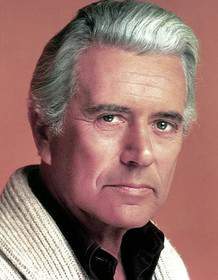
James "Jim" C. Austin (John Forsythe)
Played by John Forsythe
Newspaper editor and co-owner who begins investigating bookmaking after a detective’s death. He endures harassment and bribery as he chronicles events, aiming to bring the truth to light for a Senate Crime Commission hearing.
- 🗞️ Editor
- 🕵️ Investigator
- MA
Marge Austin (Joan Camden)
Played by Joan Camden
Jim’s wife and steadfast ally. She accompanies him as danger mounts, supporting the crusade for truth while facing the risks of a town steeped in corruption.
- 💑 Spouse
- 🗺️ Partner
- MS
Murray Sirak (Victor Sutherland)
Played by Victor Sutherland
The major bookmaker whose gambling empire finances and fuels the town’s underworld. He attempts to manipulate events with bribes and uses his influence to shield the operation from exposure.
- 💵 Money
- 🕶️ Power
- MM
Mrs. Margaret Sirak (Marjorie Crossland)
Played by Marjorie Crossland
Wife of Sirak who becomes entangled in the case; she is murdered after agreeing to reveal Fabretti’s role, highlighting the peril faced by whistleblowers.
- 👩🦳 Wife
- 🗝️ Whistleblower
- CG
Chief Gillette (Ray Teal)
Played by Ray Teal
The Police Chief who represents the upholding of order and the complicity of authorities with criminal activity; his stance influences the investigation and its risks.
- 👮 Chief
- 🚓 Authority
- PS
Police Sergeant (Paul Brinegar)
Played by Paul Brinegar
A law enforcement figure involved in the town’s struggle with illegal gambling; his role reflects the tension between police action and political pressure.
- 👮 Police
- 🗃️ Official
- DC
Don Carey (Harold J. Kennedy)
Played by Harold J. Kennedy
A town figure connected to the investigation; his exact role is part of the broader social fabric of Kennington as the case unfolds.
- 🧑💼 Town Official
- 🧭 Community
- K(
Krug (Paul Newlan)
Played by Paul Newlan
A gangster associated with Fabretti, representing the criminal muscle behind the gambling operation and its protection rackets.
- 🕶️ Gangster
- 🧨 Crime
-
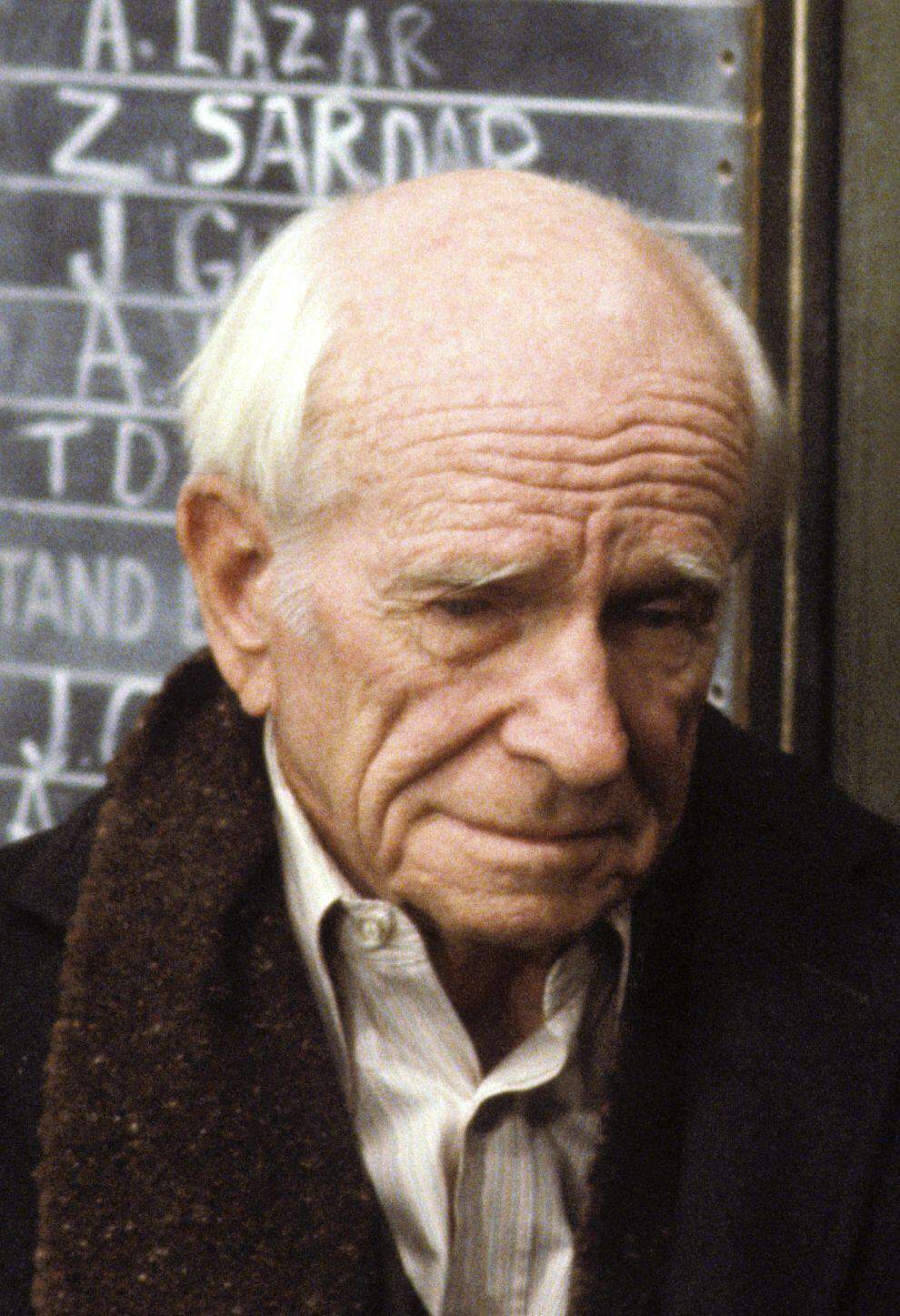
Rev. Nash (Ian Wolfe)
Played by Ian Wolfe
A minister who becomes involved in the community’s response to crime, offering moral perspective amid political and criminal pressure.
- 🙏 Clergy
- 🗣️ Moral Voice
- PH
Phil Harding (Martin Milner)
Played by Martin Milner
A resident of Kennington tied to the Harding family; his presence grounds the community impact of the investigation and its repercussions.
- 🧑🏻💼 Citizen
- 🧭 Community
- MH
Mrs. Harding (Frances Morris)
Played by Frances Morris
Wife of Phil Harding; she reflects the personal toll of crime and corruption on families within the town.
- 👩💼 Wife
- 💔 Family
- A(
Anderson (Jess Kirkpatrick)
Played by Jess Kirkpatrick
A town resident who participates in the unfolding events; his involvement highlights the broader social network surrounding the case.
- 🧑🏻🤝🧑 Town Resident
- LP
Linda Purcy (Gladys Hurlbut)
Played by Gladys Hurlbut
A local resident who intersects with the investigation; her role underscores the collective impact of crime on ordinary citizens.
- 🧑🤝🧑 Town Resident
- MA
Marge Austin (duplicate entry) (Joan Camden)
Played by Joan Camden
Duplicate entry kept for cast completeness; see above for Marge Austin.
- 💑 Spouse
- 🗺️ Partner
- SC
Sally Carey (Patricia Goldwater)
Played by Patricia Goldwater
A younger member of the community connected to the case; her perspective illustrates the social dynamics surrounding the investigation.
- 🧒 Youth
- 👪 Family
- JB
Joe Berg (Robert Gorell)
Played by Robert Gorell
A town figure whose role intersects with the investigative milieu; his actions contribute to the fabric of Kennington’s crime-and-cover-up plot.
- 🧑🏻💼 Citizen
- 🕵️ Witness
- C(
Coverly (Glenn Judd)
Played by Glenn Judd
A minor character in the town’s social circle; represents the everyday people drawn into the investigation’s orbit.
- 🧑🏻🤝🧑 Town Resident
- C(
Coroner (William C. Miller)
Played by William C. Miller
The coroner who participates in the aftermath of the crimes; his presence underscores the legal and medical processes surrounding the case.
- ⚰️ Coroner
- 🏛️ Official
- CN
Clyde Nelson (Hal K. Dawson)
Played by Hal K. Dawson
Private detective who uncovered police complicity with illegal gambling before his death; his findings set the investigation in motion.
- 🕵️♂️ Detective
- 🗡️ Investigator
Where and When Is The Captive City Set?
The Captive City is set in Kennington and Warren (1950s). Here is why the time and place matter to the story.
When
1950s
The events unfold in the early 1950s, a period marked by postwar crime and growing federal scrutiny. A Senate Crime Commission investigates crime in interstate commerce, framing the narrative around national attention on local corruption. The era’s atmosphere emphasizes investigative journalism, political pressure, and threats from organized crime.
Where
Kennington, Warren
Kennington is depicted as a mid-sized town plagued by gambling and corrupt elements. The story moves to Warren when Jim Austin seeks refuge at a police station, highlighting the uneasy relationship between law enforcement and crime. The setting centers on a community where respectability, politics, and crime intertwine, shaping the stakes of the investigation.
- 🏙️ Town
- 🚓 Police station
What Are the Themes of The Captive City?
3 ideas the story keeps returning to, among them Investigative Journalism, Systemic Corruption and Moral Courage.
-
01
Investigative Journalism
A crusading newspaper editor drives the narrative, using reporting and testimony to expose corruption. The tape recorder becomes a tool to preserve truth amid threats and intimidation. The film shows the power and peril of the press when confronting entrenched crime.
-
02
Systemic Corruption
The town’s institutions—police, city leaders, and respectable citizens—collaborate to sustain gambling. Attempts to disclose wrongdoing reveal how reputations and appearances can trump justice. The plot illustrates how corruption can permeate law enforcement and governance.
-
03
Moral Courage
Individuals risk personal safety to pursue the truth despite intimidation and bribery. Families and communities are strained as the investigation intensifies. The pursuit of accountability culminates in seeking help from higher authorities.
What Kind of Film Is The Captive City?
Tense in tone, with steady pacing and a straightforward story, going by the plot summary.
- Tone
- Tense
- Pacing
- Steady
- Story
- Straightforward
- Intensity
- High
- Ending
- Happy
A tense and gritty crime drama that maintains a steady feeling of anxiety as a crusading journalist confronts entrenched corruption, marked by danger and moral urgency.
- tense
- anxious
- courageous
- urgent
- gritty
- unflinching
- crime investigation
- political corruption
- small town crime
- crusading journalist
Content notes: murder, police corruption, organized crime.
Quiz
How well do you remember The Captive City? Test yourself on the story.
Where to Watch The Captive City
Stream it on Amazon Prime Video and ScreenPix. US availability and prices from JustWatch.
 Amazon Prime Video
  Amazon Prime Video with Ads
  ScreenPix Amazon Channel
  ScreenPix Apple TV channel
 Streaming availability in the US, powered by 


