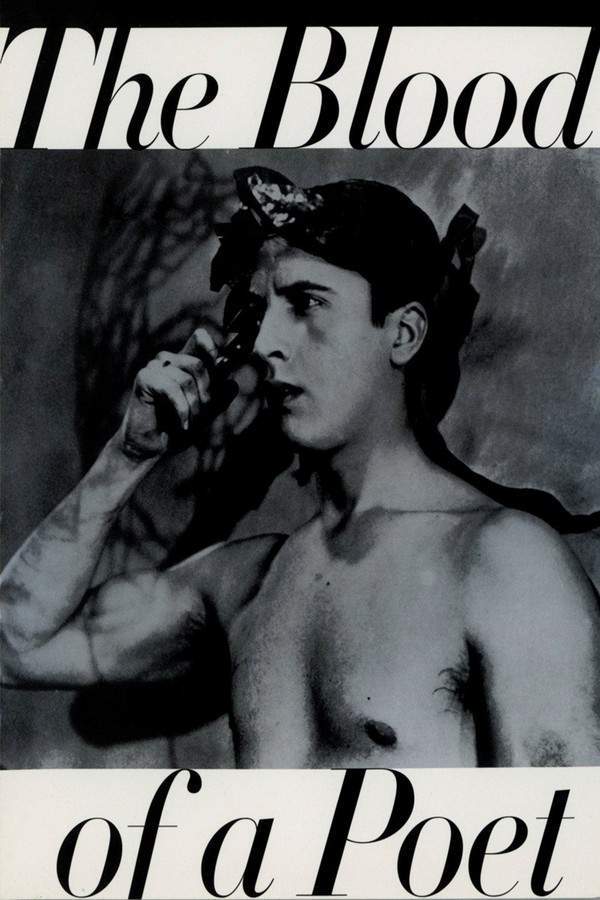
The Blood of a Poet 1933

Directed by
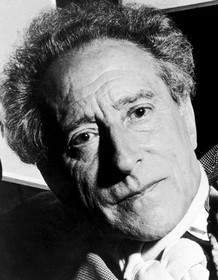
Jean Cocteau
Made by

Edward T. Ricci
Where to Watch The Blood of a Poet
See current US streaming, rental, and purchase options for The Blood of a Poet (1933) via JustWatch.

Streaming availability powered by 
The Blood of a Poet Plot Summary
Read the complete plot summary and ending explained for The Blood of a Poet (1933). From turning points to emotional moments, uncover what really happened and why it matters.
As The Blood of a Poet unfolds, it weaves a rich tapestry of surreal vignettes centered around the enigmatic artist (played by Odette Talazac). The journey begins as the artist’s canvas comes alive with an anxious face, which unexpectedly stirs with life. In a frantic attempt to erase this vivified face, he is left puzzled when its mouth migrates to his palm. As he curiously experiments with this temporary feature, exhaustion soon overtakes him, leading him into a deep slumber. Upon awakening, he decides to transfer the mouth to a statue of a female figure, which serves as the catalyst for a dreamy odyssey.
The second act envelops us in a fantastical realm where the artist, embarking through a mystical mirror, arrives in an extravagant hotel. From behind keyholes, he witnesses the hidden desires and secrets of various characters, including an opium enthusiast and a hermaphrodite, exposing the vulnerabilities of human nature. In this topsy-turvy world, he receives a gun and follows the eerie guidance of a disembodied voice, urging him toward his own demise. However, rather than succumbing, he jolts back to reality, his frustrations culminating as he shatters the statue with a mallet.
The third segment takes us to a snow-blanketed landscape, where children engage in a joyful snowball fight. This peace is abruptly disrupted when a mischievous boy hurls a marble chunk, striking an unsuspecting victim. This violent twist sets a foreboding tone for the climax, wherein a card shark finds himself embroiled in a high-stakes game with a mysterious woman, all atop the lifeless form of the young boy. As tension mounts, a gathering theatre party becomes transfixed by the dramatic unfolding of events.
As the stakes reach a fever pitch, the card shark unearths an Ace of Hearts from the deceased boy’s pocket, only for it to be effortlessly pilfered by his guardian angel. This otherworldly figure envelops the fallen child before ascending a staircase, leaving the card shark in a state of devastation. Realizing he has lost everything, he takes the ultimate step, ending his life as the audience erupts in applause. In the film’s poignant denouement, a female player transforms into the statue previously encountered, elegantly walking away into the snow-covered landscape, leaving no footprints behind.
In these concluding moments, a cascade of dream-like images floods the screen, showcasing spinning wire models of a human head and swirling double-sided masks, all of which elegantly blur the line separating reality from fantasy. Through this mesmerizing cinematic journey, the boundaries between art and life dissolve, leaving the viewer to contemplate the profound mysteries at the intersection of creativity and mortality, as the artist navigates a realm where the laws of physics remain mere suggestions.
The Blood of a Poet Timeline
Follow the complete movie timeline of The Blood of a Poet (1933) with every major event in chronological order. Great for understanding complex plots and story progression.
The Artist's Canvas Comes Alive
The film opens with the artist observing his canvas, which unexpectedly reveals an anxious face. This startling event marks the beginning of a surreal journey, challenging the boundaries of reality and art.
The Mouth Migrates to His Palm
In a frantic attempt to erase the face from the canvas, the artist is puzzled when the mouth shifts from the painting to his own hand. This strange occurrence introduces the theme of transformation and unexpected consequences.
The Artist Falls Asleep
Exhausted from the bizarre events, the artist falls into a deep slumber. This sleep serves as a threshold, transporting him from the mundane into a realm of dreams and imagination.
Journey Through the Mystical Mirror
Upon awakening, the artist finds himself embarking through a mystical mirror, entering an extravagant hotel filled with surreal experiences. This transition symbolizes a deeper exploration into human desires and vulnerabilities.
Witnessing Hidden Desires
While at the hotel, the artist peeks through keyholes to spy on other characters, including an opium enthusiast. This voyeuristic glance reveals the fragility and complexities of human nature.
Receiving a Gun and a Disembodied Voice
In the fantastical realm, the artist is summoned by a disembodied voice urging him toward despair and death. This encounter leads him to receive a gun, emphasizing themes of fate and existential dread.
The Artist Shatters the Statue
Overwhelmed by his experiences, the artist returns to reality and destroys the statue of the female figure with a mallet. This act symbolizes a rejection of the disillusionment he experienced in the surreal world.
Snowball Fight Among Children
The scene shifts to a serene snow-blanketed landscape where children are joyfully engaging in a snowball fight. This innocent moment is abruptly interrupted by an unforeseen act of violence.
The Violent Turn
A mischievous boy throws a marble chunk, unintentionally striking a victim. This sudden violence disrupts the peace, setting the stage for the tension that follows.
The Card Shark's High-Stakes Game
In a dramatic climax, a card shark faces off against a mysterious woman in a high-stakes game, taking place atop the body of the fallen boy. This tense moment underscores the fragility of life.
Discovery of the Ace of Hearts
In a critical moment, the card shark discovers an Ace of Hearts in the pocket of the deceased boy. This card becomes a symbol of lost hope and lost lives in this intricate tableau.
The Ascension of the Guardian Angel
A guardian angel appears to envelop the fallen child, ascending a staircase, leaving the card shark devastated. This moment illustrates the theme of loss and the ephemeral nature of existence.
The Card Shark's Tragic Decision
Overwhelmed by despair and feeling of loss, the card shark takes his own life. This tragic conclusion resonates with the film's exploration of the darkness within human nature.
The Transformation of the Female Player
In a poignant denouement, a female player transforms into the statue previously seen, walking elegantly into the snow without leaving footprints. This moment ties together the film's themes of art and reality.
The Cascade of Dream-like Images
The film concludes with a cascade of dream-like images, showcasing swirling masks and human heads. Through this visual spectacle, the boundaries between creativity, life, and death beautifully blur.
The Blood of a Poet Characters
Explore all characters from The Blood of a Poet (1933). Get detailed profiles with their roles, arcs, and key relationships explained.
The Artist (Odette Talazac)
The artist is a complex figure, embodying the struggle between creation and destruction. His journey is marked by curiosity and despair, as he grapples with the significance of his art and its consequences on reality. The character's existential quandaries drive the narrative forward, prompting introspection in both him and the audience.
The Card Shark
The card shark symbolizes the risks and high stakes of life, navigating through a world defined by chance and choice. His experiences culminate in a moment of tragic realization, highlighting the consequences of a life led by gambling and desperation. This character’s arc serves as a stark reminder of the harshness of reality.
The Guardian Angel
The guardian angel represents hope and the ethereal aspect of life that lingers even in moments of despair. This otherworldly being emerges as a comforting presence, proposing the idea that there may be a transcendent force guiding souls beyond the physical realm.
The Blood of a Poet Settings
Learn where and when The Blood of a Poet (1933) takes place. Explore the film’s settings, era, and how they shape the narrative.
Time period
The film exists in an abstract, timeless realm where the usual constraints of time do not apply. Its dream-like narrative traverses multiple surreal episodes that evoke various emotions and questions about existence.
Location
mystical hotel, snow-blanketed landscape
The mystical hotel serves as a surreal observation point for the artist as he witnesses the hidden desires of various characters. The snow-blanketed landscape offers a stark contrast, depicting a scene of childhood joy and eventual tragedy, highlighting the fragile nature of life.
The Blood of a Poet Themes
Discover the main themes in The Blood of a Poet (1933). Analyze the deeper meanings, emotional layers, and social commentary behind the film.
🎨
Art and Reality
The narrative intricately explores the relationship between art and life, blurring the lines between creation and existence. The artist's journey reflects a deep engagement with the creative process, emphasizing how art transcends mere representation, manifesting as a living entity in his surreal encounters.
💔
Mortality
Mortality is a prevailing theme, as characters grapple with the fragility of life and the inevitability of death. The climax brings a poignant reminder of how aspirations and ambitions can lead to despair, illustrating that the pursuit of desires can sometimes culminate in tragic outcomes.
🔍
Human Nature
The film delves into the vulnerabilities of human nature, revealing hidden desires and secrets through the artist's lens. The various characters he encounters serve to expose the complexities of the human condition, calling attention to both strengths and weaknesses.

Coming soon on iOS and Android
The Plot Explained Mobile App
From blockbusters to hidden gems — dive into movie stories anytime, anywhere. Save your favorites, discover plots faster, and never miss a twist again.
Sign up to be the first to know when we launch. Your email stays private — always.
Explore the mobile appThe Blood of a Poet Spoiler-Free Summary
Discover the spoiler-free summary of The Blood of a Poet (1933). Get a concise overview without any spoilers.
In Jean Cocteau’s visionary tableau, the artist drifts through a series of dream‑touched vignettes that feel more like visual poetry than conventional narrative. The world unfolds as a mutable studio where canvases pulse with life, mirrors become portals, and ordinary objects shimmer with hidden symbolism. Light and shadow play tricks, turning corridors into corridors of the subconscious, while the ever‑shifting backdrop hints at a realm where imagination governs the laws of physics.
The tone is simultaneously whimsical and unsettling, a delicate balance of lyrical wonder and quiet tension. Each scene is composed like a painted tableau, rich with texture and saturated color, inviting the viewer to linger on the texture of a single brushstroke or the echo of a whispered line of verse. The film’s rhythm is deliberately unhurried, allowing the audience to breathe in the surreal atmosphere and feel the pulse of creative yearning that drives the protagonist.
At the heart of the picture, the artist is both creator and explorer, probing the depths of his own psyche while navigating spaces that blur the line between reality and reverie. His interactions with the mutable environment reveal a restless curiosity and a yearning to capture the ineffable—feelings that surge like water beneath a thin sheet of ice. As he moves from one uncanny tableau to the next, the film invites us to contemplate the fragile alchemy of inspiration, suggesting that the act of making art is itself a journey through an ever‑changing, dream‑filled landscape.
Featured on this page

What's After the Movie?
Not sure whether to stay after the credits? Find out!
Check out our other apps:

SAT Sphere
Build confidence for the Digital SAT.

Mori Atlas
Discover wild places worth protecting.

Luntero
Search smarter for a home in Amsterdam.

Plot Explained
Unravel movie endings and hidden clues.

Pokechamp
Dive into Pokémon data and battle logic.

Driving Theory
Get ready for your European theory test.

Movie Dust
Plan your next cinema trip with ease.

Musemap
Find art and culture as you travel.

Selkobase
Compare credentials before committing.

Local Manual
Turn an unfamiliar country into practical next steps.

Lernavi
Compare school systems before your next move.

GymRoam
Find a workout stop wherever your plans take you.
Explore Our Movie Platform
New Movie Releases (2026)
Famous Movie Actors
Top Film Production Studios
Movie Plot Summaries & Endings
Major Movie Awards & Winners
Best Concert Films & Music Documentaries
Movie Collections and Curated Lists
© 2026 What's After the Movie. All rights reserved.
Privacy Policy