What Is The Bleeding Edge About?
The premise of The Bleeding Edge in 304 words, with nothing given away. The full story follows below.
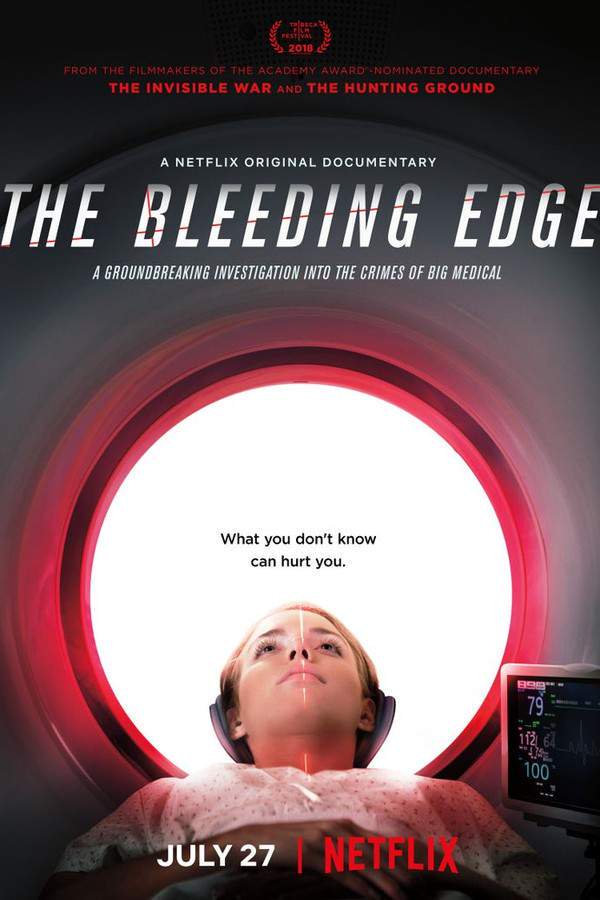
Filmmakers Kirby Dick and Amy Ziering turn their investigative lens toward one of the world’s most powerful yet least understood industries: the multibillion-dollar medical device market. With a tone that is both methodical and urgent, the documentary pulls back the curtain on a system where innovation, regulation, and corporate ambition intersect in ways that can have life-altering consequences for ordinary people. The film’s atmosphere is one of careful revelation, building tension through the steady accumulation of evidence and personal testimony.
At the heart of the story are the patients themselves — individuals who placed their trust in cutting-edge technologies only to find their lives upended in unexpected and deeply personal ways. Their accounts lend the film an emotional weight, grounding abstract questions about policy and oversight in the lived reality of human suffering. The narrative weaves these intimate portraits into a larger examination of how medical devices reach the market, raising pointed concerns about the processes meant to safeguard public health.
Among the technologies under the filmmakers’ scrutiny are permanent birth control implants, artificial hips, and surgical mesh devices — innovations that promised relief and instead became sources of lasting harm for many. The documentary also brings attention to the regulatory pathways that govern these products, including the FDA’s 510(k) clearance process, which allows devices to be marketed without the same rigorous clinical trials required of pharmaceuticals. Through interviews, archival material, and painstaking research, the film constructs a portrait of an industry where profit motives and protective oversight exist in uneasy tension.
Rather than offering easy answers, the documentary invites viewers to question the systems designed to protect them. Its tone is one of concerned inquiry, balancing compassion for those affected with a journalist’s determination to understand how such outcomes became possible — and what they reveal about the cost of unchecked medical innovation.
What Happens in The Bleeding Edge?
The complete story of The Bleeding Edge, from the first scene to the last, in 347 words (about 2 minutes). Spoilers throughout. Names in the text link to 4 cast member pages.
Spoilers ahead
The Bleeding Edge is a gripping investigative documentary created by Academy Award-nominated filmmakers Kirby Dick and Amy Ziering. The film directs its lens toward the massive, $400 billion medical device industry, exposing a systemic culture of lax regulations, corporate secrecy, and profit-driven motivations that place countless patients in danger every single day. By weaving together emotionally charged and powerful personal narratives, the documentary poses a chilling question: What lifesaving technologies may actually be killing us?
The filmmakers emphasize a terrifying reality regarding the oversight of these products. As noted by the director:
“Very few people know about the medical device industry and the fact that it is even less regulated than pharmaceuticals”
The narrative deeply explores the intricate and often flawed process of regulating medical devices, specifically within the United States, and examines the devastating physical and psychological impact these faulty devices have on the people who receive them.
A significant portion of the film focuses on the failures of Essure, a permanent birth control device manufactured by Bayer. Through the harrowing testimony of victims like Angie Firmalino, the film highlights how the device caused excruciating pain, chronic discomfort, lost pregnancies, and in some cases, death. The documentary doesn’t stop there, profiling other dangerous medical innovations, including artificial hips that can lead to severe cobalt poisoning and vaginal mesh devices that have caused permanent injuries to a vast number of women.
To understand how these products reach the public, the film investigates the FDA’s 510(k) process. This controversial regulatory pathway allows a new medical device to be fast-tracked onto the market if it is deemed “substantially equivalent” to a device already in use. This means many products are approved with minimal clinical study and, most alarmingly, without any mandatory human testing before they are implanted into patients.
To provide expert context on these systemic failures, the film features insights from professionals such as Rita Redberg, an editor for JAMA Internal Medicine, as well as medical specialists including diagnostic radiologist Robert Bridges and orthopedic surgeon Stephen Tower, who help uncover the gap between corporate claims and patient reality.
The Bleeding Edge Timeline: Every Key Event in Order
14 key events in the order they happen, from “Inside a $400 Billion Industry” to “Raising Awareness and Demanding Change”.
- 1
Inside a $400 Billion Industry
The film opens its investigation into the massive medical device industry, which generates $400 billion annually. Academy Award-nominated filmmakers Kirby Dick and Amy Ziering set out to expose the hidden dangers behind products implanted in millions of patients. The documentary establishes that this industry touches nearly everyone, yet remains largely unknown to the public.
Where:United States
- 2
The Filmmakers Turn Their Focus to Medicine
Investigative directors Kirby Dick and Amy Ziering apply their award-winning documentary approach to the world of medical technology. Their goal is to examine lax regulations, corporate cover-ups, and profit-driven incentives that put patients at risk daily. The film blends hard-hitting investigation with deeply personal human stories.
- 3
A Shocking Regulatory Gap
The documentary reveals that medical devices are regulated even less strictly than pharmaceutical drugs. According to the directors, very few people know this fact, despite devices being permanently implanted in patients' bodies. This lack of oversight becomes a central thread running through the entire film.
Where:United States
- 4
The Central Question
The filmmakers pose a haunting question to the audience: what lifesaving technologies may actually be killing us? This framing device invites viewers to reconsider their blind trust in medical innovation. The question hangs over every patient story and industry revelation that follows.
- 5
Essure Under the Microscope
One of the film's primary focuses is Bayer's permanent birth control device, Essure. The documentary investigates how this device was sold to women as a safe and convenient contraceptive solution. The filmmakers dig into how it gained approval and what problems were hidden along the way.
- 6
The Devastating Toll of Essure
The film highlights the catastrophic failures of the Essure device, which caused pain, discomfort, lost pregnancies, and even death for multiple women. Their emotionally powerful stories form the heart of the documentary. These accounts show how irrevocably the device harmed patients who trusted it.
- 7
Artificial Hips and cobalt poisoning
The documentary examines artificial hip implants that caused cobalt poisoning in patients. As the metal devices wore down inside patients' bodies, toxic cobalt leaked into their bloodstream, causing severe health problems. The film follows the suffering of patients who never imagined their implants would turn against them.
- 8
The Vaginal Mesh Tragedy
Another device profiled in the film is vaginal mesh, which injured multiple women who received the implants. The documentary gives voice to these patients, describing the pain and life-altering complications they endured. Their stories illustrate a broader pattern of devices approved and marketed without adequate safety testing.
- 9
The FDA's 510(k) Process
The film turns its attention to the regulatory machinery behind these failures, exploring the FDA's 510(k) process. This pathway allows a medical device to be fast-tracked onto the market with far less clinical study than patients might expect. The documentary explains how this loophole became the industry's standard route to market.
Where:United States
- 10
Approved Without Human Testing
A startling revelation of the documentary is that devices cleared through the 510(k) process can reach patients without human testing. New products are often approved based only on their similarity to existing devices, even flawed ones. This practice means dangerous devices can be cleared for implantation in millions of bodies with minimal scrutiny.
Where:United States
Show the other 4 events of The Bleeding Edge Hide the last 4 events
- 11
Corporate Cover-Ups Exposed
The filmmakers shine a light on corporate cover-ups within the medical device industry, showing how manufacturers concealed known dangers from regulators and patients. Internal documents and testimony reveal that safety concerns were buried while products remained on the market. The film argues that this culture of concealment allowed harm to continue for years.
- 12
Profit Over Patient Safety
The documentary explores the profit-driven incentives that motivated companies to rush devices to market and downplay risks. Financial rewards for rapid approval and wide sales often outweighed patient safety considerations. This profit-first mindset is presented as a root cause of the tragedies documented throughout the film.
- 13
Lives Irrevocably Harmed
Throughout the film, the stories of permanently injured patients are woven together to show the human cost of a broken system. These people, whose lives were changed forever by faulty devices, become the emotional core of the documentary. Their willingness to speak out turns private suffering into public accountability.
- 14
Raising Awareness and Demanding Change
The documentary closes by making the case that public awareness is the first step toward reforming medical device regulation. By exposing the industry's lax oversight to a wide audience, the filmmakers hope to pressure regulators and corporations to put patients first. The film leaves viewers questioning the safety of the technologies they may one day depend on.
Where:United States
Who Are the Main Characters in The Bleeding Edge?
4 characters, among them Angie Firmalino, Rita Redberg and Robert Bridges: who each one is and the part they play in the story. Every profile links to the actor’s page.
- AF
Angie Firmalino
Played by Angie Firmalino
Angie Firmalino is a courageous victim of the Essure contraceptive device whose personal story is featured prominently in the documentary. Her testimony reveals the physical and emotional pain caused by the device, making her a powerful voice for those affected. Firmalino embodies the struggle for justice and greater safety in medical practices.
- 🗣️ Advocacy
- 📉 Victim
- RR
Rita Redberg
Played by Rita Redberg
Rita Redberg serves as an expert consultant in the film, providing critical insights into the medical device industry's regulatory shortcomings. As an editor for JAMA Internal Medicine, she brings credibility and depth to the documentary's examination of healthcare practices. Her involvement emphasizes the necessity for reform in how we treat medical device safety.
- 📚 Expertise
- 🔍 Investigation
- RB
Robert Bridges
Played by Robert Bridges
Robert Bridges, a diagnostic radiologist, contributes to the narrative by shedding light on the clinical implications of faulty medical devices. His expertise helps unpack the complexities surrounding the medical industry, indicating a broader systemic issue with device safety protocols. Bridges' insights add a professional perspective to the personal stories showcased.
- 🔬 Medicine
- 🏥 Health
- ST
Stephen Tower
Played by Stephen Tower
Stephen Tower, an orthopedic surgeon featured in the film, highlights the technical failings of medical devices, particularly in orthopedic applications. His perspective underscores the critical need for stringent safety measures and aware practices in medical oversight. Tower's contribution bridges the gap between technical knowledge and patient impact.
- ⚙️ Orthopedics
- 📈 Safety
Where and When Is The Bleeding Edge Set?
The Bleeding Edge is set in United States. Here is why the place matters to the story.
When
The documentary addresses contemporary issues within the medical device industry, revealing systemic flaws that exist in the current regulatory framework. The focus on recent failures of various devices suggests that the problems explored are ongoing and relevant to current health discussions.
Where
United States
The United States is known for its advanced healthcare system and cutting-edge medical technology. However, despite its reputation, the country faces significant challenges with the regulation of medical devices, often leading to substandard safety protocols. The film highlights the inherent contradictions within this system, exposing the risks posed to patients by inadequately regulated medical innovations.
- 🇺🇸 Country
- 🏥 Healthcare
What Are the Themes of The Bleeding Edge?
2 ideas the story keeps returning to, among them Regulation and Patient Impact.
-
01
Regulation
A central theme of the documentary is the inadequacy of regulation in the medical device industry. The film challenges the audience to consider the implications of corporate interests overriding patient safety. The narrative stresses the need for reform in how medical devices are approved and monitored.
-
02
Patient Impact
The Bleeding Edge highlights the personal stories of individuals adversely affected by faulty medical devices. This emotional aspect serves to humanize the statistics, reminding viewers of the real consequences of regulatory failures. Victims share their harrowing experiences, emphasizing the urgent need for accountability.
What Kind of Film Is The Bleeding Edge?
Dark in tone, with steady pacing and a moderate story, going by the plot summary.
- Tone
- Dark
- Pacing
- Steady
- Story
- Moderate
- Intensity
- High
- Ending
- Bleak
A gripping investigative documentary that exposes systemic failures in the medical device industry, delivering a sobering wake-up call through victims' harrowing personal stories of harm and loss.
- investigative
- alarming
- sobering
- eye-opening
- urgent
- confrontational
- medical industry
- corporate negligence
- regulatory failure
- patient safety
Content notes: medical harm, death, chronic pain, pregnancy loss, bodily injury, graphic medical content.
Quiz
How well do you remember The Bleeding Edge? Test yourself on the story.