
The Battle of the Sexes 1960

Directed by
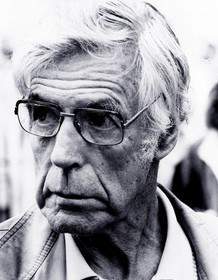
Charles Crichton
Made by

Prometheus Film Productions Ltd
The Battle of the Sexes Plot Summary
Read the complete plot summary and ending explained for The Battle of the Sexes (1960). From turning points to emotional moments, uncover what really happened and why it matters.
Mr Martin, the accountant for a Scottish tweed weaving company, wanders the Royal Mile in Edinburgh, picking up whisky and cigarettes as if they were careful steps toward fate. He is urgently summoned to the deathbed of the old owner, Old Macpherson, at Moray Place. When Macpherson offers a glass, Martin refuses, and the elderly man quietly drinks for the pair before dying. The moment sets a strange tone: a man who will soon be drawn into a moral maze that tests his sense of purpose in a world where power and tradition collide.
The company’s succession brings a new owner, a young and confident figure named Robert Macpherson, who is captivated by a zealous American visitor, Angela Barrows. She arrives as an “efficiency expert,” determined to modernize a craft that has long clung to its roots. Her plan is sweeping: visit the “factory” on the Hebrides, where the work is still done by old couples on crofts that knit the wool by hand. She envisions replacing the 700 scattered weavers with a single, sprawling factory and pivoting the business toward synthetic fibres. Her drive is a blunt reimagining of a cherished way of life, and her presence unsettles everyone who believes in the value of a slower, more intimate craft.
The modernization push collides with a vivid sense of place and mood. While being chauffeured through the city, Angela proclaims that the company must change course, and the driver ends up colliding with the back of a brewer’s dray—an incident that feels almost symbolic, a small crash in the larger collision between old loyalties and new ambitions. The intrusion of this new world into the old one stirs up tensions that will push Martin toward a radical choice.
Inspired by a viewing of a Sherlock Holmes film, Mr Martin toys with murder as a means to protect the status quo or perhaps to test his own nerve. He decides to kill Angela Barrows, convinced that a dramatic act could force a new balance and thwart the plans that threaten the company’s traditional way of life. Because Martin is a non-smoker and a non-drinker, he figures he can stage the crime in a way that would mislead any future investigation—smoking, drinking, and a carefully arranged scene become his tools. He buys a half-bottle of whisky and a packet of cigarettes, preparing for a confrontation that feels almost like a moral experiment rather than a desperate act.
Yet the plan falters in her flat, where a series of botched attempts exposes the fragility of his resolve. His conscience, which never fully relaxes in this moral maze, begins to tilt the scales away from violence. Into the drama steps the younger MacPherson, and Martin manages to avoid detection as the situation grows more complicated. The sense of danger shifts from a simple crime to a tense chess match, where every move is weighed against what is just and what is expedient.
Back at the office, the newly minted manager and his ally, MacPherson, press Martin to explain himself. The younger man’s questions are sharper, and his probing reveals that Martin’s denial may seem more plausible than Angela Barrows’ version of events. The clash reaches a verdict: Angela cannot take the pressure any longer, and she finally walks away, muttering that everyone around them must be mad. In the end, Martin appears to have won a peculiar victory—the so-called “battle of the sexes”—by choosing restraint over lethal action.
Yet the ending remains quietly humane. As Angela weeps at the station, Martin is moved by a fleeting sense of compassion and buys her a flower, a small gesture that hints at a recognition of shared humanity amid their contested ideals. The film resolves its sharp satire with a gentle reminder that even in battles of power and progress, kindness and mercy can endure.
The Battle of the Sexes Timeline
Follow the complete movie timeline of The Battle of the Sexes (1960) with every major event in chronological order. Great for understanding complex plots and story progression.
Martin on the Royal Mile and the deathbed summons
Martin is on the Royal Mile in Edinburgh buying whisky and cigarettes when he is summoned to the deathbed of old MacPherson at Moray Place. MacPherson offers him a whisky, Martin declines, and MacPherson drinks for two and promptly dies.
Transition of ownership to the young MacPherson
With the old owner dead, the Tweed company passes to the young MacPherson, establishing a new line of leadership. The change in ownership sets the stage for new influences to intrude on the business.
Angela Barrows enters the picture
The new owner, the young MacPherson, becomes enamoured of Angela Barrows, an American efficiency expert. Barrows is eager to revolutionize the traditional company and bring in modern methods. Their alliance signals a clash between old ways and new ideas.
Hebrides factory visit demanded
Barrows insists on visiting 'the factory' on the Hebrides to see how the crofts spin the wool. The visit exposes a remote, craft-based operation that underpins the company’s products. The contrast foreshadows the conflict between tradition and modernization.
Plans to replace weavers and switch fibres
Barrows plans to replace the 700 crofter-weavers with a single large factory. She also advocates shifting the company to synthetic fibres. These proposals demonstrate the scale of reform she envisions.
Chauffeur crash during modernization push
While being driven through the city, the chauffeur crashes into the back of a brewer's dray, a consequence of Barrows' push for rapid modernization. The accident underscores the disruptive atmosphere surrounding the reforms.
Cinema inspiration for murder
Martin goes to a cinema to watch a Sherlock Holmes film, and the story inspires him to kill Mrs. Barrows. He believes that staging the crime will mislead any future investigation.
Preparation with whisky and cigarettes
He purchases a half-bottle of whisky and a packet of cigarettes to use as props for a staged crime. These items are intended to help him appear as a casual killer and to create a misleading alibi.
First murder attempt in Barrows' flat
In Angela Barrows' flat, Martin makes a first attempt to kill, but the act is botched. His conscience intervenes and he stops before he can harm her.
Evidence removal and a near miss
After a series of botched attempts, he tries to remove all evidence from the scene, but young MacPherson suddenly appears and Martin manages to avoid detection. The close call preserves his freedom for the moment.
Office interrogation and doubt
Back in the office, MacPherson interrogates Martin and finds his denial more plausible than Barrows' claims. The exchange highlights the tension between truth, suspicion, and motive within the company.
Barrows departs in frustration
Barrows cannot take any more, accuses them all of being mad, and leaves for good. The reformist pressure within the company begins to dissolve as she exits.
A final flower at the station
Later, Martin sees Barrows crying at the station and is moved to buy her a flower. The gesture softens the conflict and marks a quiet, unresolved closing to their confrontation.
The Battle of the Sexes Characters
Explore all characters from The Battle of the Sexes (1960). Get detailed profiles with their roles, arcs, and key relationships explained.
Mr. Martin (Peter Sellers)
An accountant for the Scottish Tweed weaving company who schemes to kill Angela Barrows after studying a Sherlock Holmes film. He tries to mask his crime by smoking and drinking, yet his conscience ultimately stops him from acting. He navigates power plays in the company with calculated pragmatism, revealing both cunning and vulnerability.
Robert Macpherson
The young new owner of the Tweed company, attracted to Angela Barrows and her modernization plans. He embodies a clash between tradition and progress, and he interrogates Martin when the plot thickens. His outlook blends authority with susceptibility to new ideas.
Angela Barrows
An American efficiency expert who aims to overhaul the traditional weaving operation by replacing hundreds of workers with a single factory and adopting synthetic fibres. She catalyzes the central conflict with both strategic vision and uncompromising drive, leaving for good after the confrontation with Martin.
Old MacPherson
The elderly owner of the Tweed company whose death sets off the power shift to his heir. A figure tied to the old ways, his memory looms over the company’s direction and fuels the ensuing struggle between tradition and modernization.
The Battle of the Sexes Settings
Learn where and when The Battle of the Sexes (1960) takes place. Explore the film’s settings, era, and how they shape the narrative.
Time period
Mid-20th century
Set during a period of postwar modernization in Britain, the film contrasts traditional Scottish weaving with new factory production and synthetic fibres. Urban Edinburgh provides the corporate backdrop, while the Hebrides scenes highlight remote craft communities. The era’s shifts in industry and social roles fuel the story’s conflicts and satire.
Location
Edinburgh, Moray Place, Royal Mile, Hebrides
The story unfolds in Edinburgh's historic Old Town, with Moray Place and the Royal Mile anchoring the opening scenes. It shifts to the Hebrides where crofts around the weaving industry preserve traditional life. The contrast between city and island settings underscores the tension between old crafts and modernization.
The Battle of the Sexes Themes
Discover the main themes in The Battle of the Sexes (1960). Analyze the deeper meanings, emotional layers, and social commentary behind the film.
♀️
Gender Dynamics
The film plays the battle of the sexes for comic and critical effect, contrasting Angela Barrows's modern, efficient approach with established male authority. Martin’s interactions expose how gender expectations shape ambition and action. The result questions whether competence and reform can redefine power in relationships and business.
🏭
Tradition vs Modernization
A central tension arises from replacing hundreds of weavers with a single factory and adopting synthetic fibres. The clash between craft-based livelihoods and industrial efficiency drives both personal and corporate conflicts. The Hebrides crofts symbolize the human cost of rapid modernization.
🤔
Moral Dilemma
Martin’s plan to kill Angela is undercut by his growing conscience, turning crime into a test of character. He attempts to manipulate the crime scene to mislead investigators, but inner scruples derail the plot. The ending reinforces the idea that integrity can prevail over opportunism.

Coming soon on iOS and Android
The Plot Explained Mobile App
From blockbusters to hidden gems — dive into movie stories anytime, anywhere. Save your favorites, discover plots faster, and never miss a twist again.
Sign up to be the first to know when we launch. Your email stays private — always.
Explore the mobile appThe Battle of the Sexes Spoiler-Free Summary
Discover the spoiler-free summary of The Battle of the Sexes (1960). Get a concise overview without any spoilers.
In a breezy, James Thurber‑inflected Edinburgh, a venerable tweed‑weaving firm clings to its centuries‑old rhythms while the city itself hums with modern ambition. The scenery is painted with cobblestones, whisky‑laden Royal Mile strolls, and the quiet ache of a dying industry trying to stay relevant. The film’s tone balances wry satire with a gentle melancholy, hinting that every step forward may trample a cherished past.
Mr Martin serves as the firm’s meticulous accountant, a man whose routine is as orderly as the looms he watches. When the patriarch of the business, Old Macpherson, passes away on a quiet Edinburgh evening, the loss feels less like a plot point and more like the faint echo of an era slipping away. Martin’s world is built on careful calculations, traditional loyalties, and a deep‑seated reverence for the craft that has sustained the community for generations.
Enter the youthful, forward‑looking heir, Robert Macpherson, whose confidence is matched only by his appetite for change. He brings with him Angela Barrows, an assertive American “efficiency expert” whose mission is to streamline the company’s scattered cottage‑based production into a single, mechanized operation and to steer it toward synthetic fibres. Her presence is a bright, disruptive force, and the clash between her corporate zeal and the firm’s time‑worn practices ignites a subtle battle of ideologies—and, fittingly, a battle of the sexes.
The story lives in the tension between progress and preservation, satire and sincerity. As Edinburgh’s mist rolls over the ancient mills, the characters navigate a chessboard of expectations, each move hinting at larger consequences. The film invites the audience to watch this cultural tug‑of‑war unfold, promising humor, intrigue, and a thoughtful look at what it means to modernize without erasing the heart of a tradition.
Movies with Similar Twists and Themes
Uncover films that echo the narrative beats, emotional arcs, or dramatic twists of the one you're exploring. These recommendations are handpicked based on story depth, thematic resonance, and spoiler-worthy moments — perfect for fans who crave more of the same intrigue.


Featured on this page

What's After the Movie?
Not sure whether to stay after the credits? Find out!
Check out our other apps:

SAT Sphere
Build confidence for the Digital SAT.

Mori Atlas
Discover wild places worth protecting.

Luntero
Search smarter for a home in Amsterdam.

Plot Explained
Unravel movie endings and hidden clues.

Pokechamp
Dive into Pokémon data and battle logic.

Driving Theory
Get ready for your European theory test.

Movie Dust
Plan your next cinema trip with ease.

Musemap
Find art and culture as you travel.

Selkobase
Compare credentials before committing.

Local Manual
Turn an unfamiliar country into practical next steps.

Lernavi
Compare school systems before your next move.

GymRoam
Find a workout stop wherever your plans take you.
Explore Our Movie Platform
New Movie Releases (2026)
Famous Movie Actors
Top Film Production Studios
Movie Plot Summaries & Endings
Major Movie Awards & Winners
Best Concert Films & Music Documentaries
Movie Collections and Curated Lists
© 2026 What's After the Movie. All rights reserved.
Privacy Policy