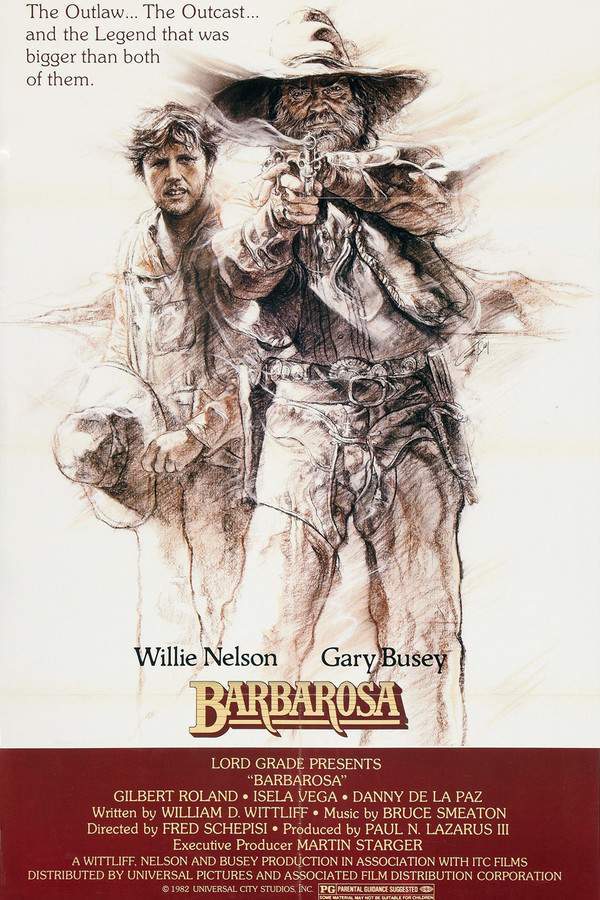
What Is The Barbarian and the Geisha About?
The premise of The Barbarian and the Geisha in 306 words, with nothing given away. The full story follows below.
In the waning days of Japan’s centuries‑long isolation, the coastal town of Shimoda feels the tremor of an uncertain future. The sea breezes carry whispers of foreign ships and the uneasy murmur of a people torn between the safety of tradition and the lure of the outside world. The atmosphere is hushed yet charged, a landscape of delicate paper lanterns and looming stone walls where every polite bow hides a wary glance.
Townsend Harris arrives on a diplomatic mission unlike any the United States has sent before, appointed as the nation’s first Consul‑General to a land that has just begun to peer beyond its shores. He is a pragmatic, stubbornly optimistic envoy tasked with translating treaties into trust, yet he quickly discovers that a stamped credential does not guarantee welcome. His presence stirs both curiosity and resentment, and the town’s officials treat him with a cautious hospitality that feels more like a test than an invitation.
Within this fragile setting, Okichi is introduced—a young geisha whose role, as directed by local authority, is to attend to Harris’s needs and perhaps win his affection. She moves through the tea houses and narrow alleys with a quiet confidence, embodying the elegance and mystique of her culture while also serving as an informal bridge between two worlds. Their interactions are underscored by a tension that feels both personal and political, hinting at a connection that could soften the hard edges of diplomacy.
The film breathes with a measured, lyrical tone, balancing the stark realities of early Meiji‑era politics with the intimate, almost whispered moments of cross‑cultural exchange. As Harris navigates the layered etiquette of the shogunate and Okichi offers glimpses of a life far removed from his own, the story hints at how a single, tentative relationship might shape the course of an entire nation’s opening to the world.
What Happens in The Barbarian and the Geisha?
The complete story of The Barbarian and the Geisha, from the first scene to the last, in 367 words (about 2 minutes). Spoilers throughout. Names in the text link to 4 cast member pages.
Spoilers ahead
In 1856, Townsend Harris is sent by President Franklin Pierce to serve as the first U.S. Consul General to Japan, following Commodore Perry’s treaty two years earlier. He arrives with his translator-secretary, Henry Heusken, and three Chinese servants, landing ashore at Shimoda, the town designated in the treaty for the American consulate.
However, the Japanese governor Governor Tamura refuses to accept his credentials, denying him official status, due to conflicting interpretations of the treaty terms. Harris believes the Consul shall be present whenever either country requires, while Tamura believes the terms permit a consul only when both sides require. The governor’s stance is tied to the resentments over how the treaty was imposed and fears of foreign influence.
Harris is permitted to remain in Shimoda, but only as a private citizen, using an abandoned home beside the town cemetery. Tamura explains that in the two years following Perry’s visit, various natural disasters had struck. Some Japanese believed them to be warnings from the gods to avoid foreign influences. In the weeks that follow, Harris is the target of distrust and hostility, to the extent that Tamura orders townspeople not to sell him food. Some in Japan wanted the country opened, but many feared corruption and invasion; as a result, Harris cannot leave Shimoda or travel toward Edo.
For his part, Harris does his best to cooperate with Tamura, even obeying orders to take down the American flag that had marked the consulate. His willingness to cooperate is noted, and after several months Harris is invited to dine with the Governor. After that dinner, Tamura sends a geisha named Okichi to take care of Harris’ needs, marking a turning point in their relationship. The relationship grows, and [Okichi] helps him understand Japanese culture. Harris helps rid the village of a cholera epidemic, and from this comes Harris’s opportunity to go to Edo, where he must convince the Shogunate to open the country, while facing his greatest crisis.
The film traces the diplomacy and the personal bond that develop under pressure, showing how a single mission can test belief, patience, and cross-cultural trust as Harris navigates a path between two nations on the cusp of opening to the world.
The Barbarian and the Geisha Timeline: Every Key Event in Order
12 key events in the order they happen, from “Arrival in Shimoda with U.S. delegation” to “Prelude to broader U.S.-Japan diplomacy”. 12 events name a place, across 2 locations.
- 1
Arrival in Shimoda with U.S. delegation
Townsend Harris arrives ashore in Shimoda, accompanied by translator-secretary Henry Heusken and three Chinese servants, to fulfill President Pierce's directive by establishing a U.S. presence under Perry's treaty. He enters as a representative but is not yet granted official status. The scene underscores the tentative start of a delicate diplomatic mission.
When:1856 Where:Shimoda
- 2
Tamura refuses to accept credentials
Governor Tamura declines to accept Harris's credentials, arguing that a consul's status requires a mutual condition and not unilateral recognition. The decision blocks Harris from official recognition and sets a fraught tone for their relationship. The move mirrors the broader resistance within Japan to foreign influence.
When:1856 Where:Shimoda
- 3
Harris lives as private citizen in Shimoda
Harris is allowed to remain in Shimoda only as a private citizen, without official status. He is provided an abandoned home near the town cemetery to reside in. He begins navigating isolation and suspicion from the local authorities and residents.
When:1856 Where:Shimoda
- 4
Disaster warnings and suspicion of foreign influence
Tamura explains the natural disasters since Perry's visit and frames them as warnings against foreign influence. Many Japanese fear corruption or invasion if the country opens to the West, fueling a cautious, defensive stance. This atmosphere shapes Harris's daily interactions and limitations.
When:1856 Where:Shimoda
- 5
Restrictions and hostility deepen
Over the following weeks, Harris becomes the target of distrust, and townspeople are ordered not to sell him food. He remains confined to Shimoda with limited contact beyond a few official channels. The atmosphere emphasizes the country's hesitancy toward outwardly accommodating foreign presence.
When:1856 Where:Shimoda
- 6
Harris complies with local protocol, flag removed
Despite hostility, Harris cooperates by following orders, including taking down the U.S. flag marking the site of the supposed consulate. His restraint earns cautious recognition from some locals. The act symbolizes the fragile diplomacy under pressure.
When:1856 Where:Shimoda
- 7
Dinner with Governor and the introduction of Okichi
Harris is invited to dine with Governor Tamura, a rare moment of direct contact. After the dinner, Tamura assigns a geisha named Okichi to attend to Harris' needs. The encounter marks the start of a significant personal connection.
When:1856 Where:Shimoda
- 8
Okichi becomes cultural bridge
The relationship between Harris and Okichi deepens, with Okichi helping him understand Japanese customs and daily life. She serves as a cultural intermediary, guiding his actions and interpretations of local norms. Their bond reflects the broader exchange evolving between U.S. and Japan.
When:1856 Where:Shimoda
- 9
Cholera epidemic addressed
Harris applies his goodwill and practical effort to help rid the village of a cholera outbreak. The relief work demonstrates his empathy and resourcefulness, earning some respect despite his lack of official status. The crisis becomes a turning point for his standing in Shimoda.
When:1856 Where:Shimoda
- 10
Opportunity to go to Edo arises
The cholera relief and Harris's demonstrated cooperation open the door for him to travel to Edo to advocate for opening Japan. This opportunity shifts the focus from Shimoda to the seat of power. He begins preparing for a mission with far-reaching diplomatic stakes.
When:late 1850s Where:Shimoda
- 11
Journey to Edo to appeal to the Shogunate
Harris journeys to Edo to present his case to the Shogunate and persuade them to open the country to trade and diplomacy. He faces a political climate resistant to change, described as his greatest crisis. The confrontation tests his resolve and diplomatic tact.
When:late 1850s Where:Edo
- 12
Prelude to broader U.S.-Japan diplomacy
The Edo mission marks a pivotal moment in the slow, high-stakes diplomacy between the United States and Japan, foreshadowing future openings and negotiations. Harris's experiences illustrate the challenges of aligning two very different legal and political systems. The outcome remains uncertain, but the efforts set in motion important developments.
When:late 1850s Where:Edo
Who Are the Main Characters in The Barbarian and the Geisha?
4 characters, among them Townsend Harris (John Wayne), Governor Tamura and Henry Heusken (Sam Jaffe): who each one is and the part they play in the story. Every profile links to the actor’s page.
-
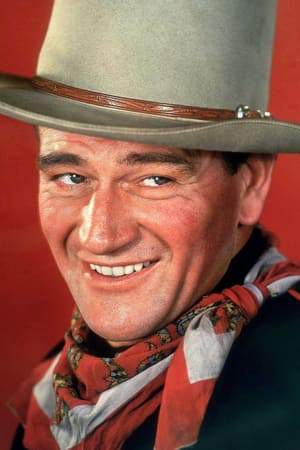
Townsend Harris (John Wayne)
Played by John Wayne
An American envoy and the first U.S. Consul General to Japan, Harris arrives with limited staff and limited authority. He navigates a volatile political landscape, seeking to fulfill diplomatic duties while respecting local customs and strong resistance to foreign influence. He forms a bond with Okichi and helps address a cholera epidemic, illustrating his commitment to people over politics.
- 🗽 American envoy
- 🤝 Diplomat
-
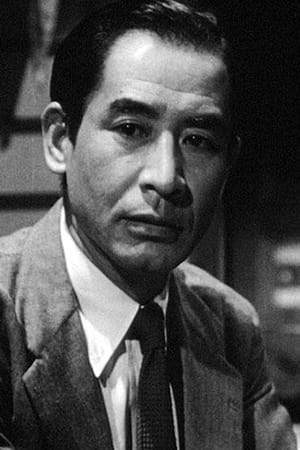
Governor Tamura
Played by Sô Yamamura
The Japanese governor Tamura embodies wary nationalism and cautious interpretation of treaty terms. He denies Harris official credentials and restricts his movements, balancing pressure from the Shogunate with local fears of foreign influence. He engages Harris in diplomacy, ultimately inviting him to a dinner which changes the dynamic.
- 🏛️ Authority
- 🗺️ National pride
- HH
Henry Heusken (Sam Jaffe)
Played by Sam Jaffe
Henry Heusken serves as Harris' translator-secretary, bridging languages and cultures. He supports Harris' efforts, offering pragmatic advice while navigating suspicion from locals. His role highlights the challenges of diplomacy behind the scenes.
- 🧭 Translator
- 👥 Advisor
- O(
Okichi (Eiko Ando)
Played by Eiko Ando
Okichi is a geisha who helps Harris understand Japanese culture and becomes integral to his experience in Shimoda. Their growing closeness offers a personal dimension to cross-cultural diplomacy and reveals the complexities of relationships under political pressure. She aids in Harris' understanding and in handling local affairs.
- 🌸 Cultural guide
- 💞 Personal connection
Where and When Is The Barbarian and the Geisha Set?
The Barbarian and the Geisha is set in Shimoda (1856). Here is why the time and place matter to the story.
When
1856
Set in 1856 during the late Edo period, the film centers on the fragile opening of Japan to the outside world after Perry's earlier pressure. The era is shaped by natural disasters and suspicion of Western influence, influencing how authorities treat foreign diplomats. Harris is restricted to Shimoda and operates without formal credentials as the diplomatic friction unfolds.
Where
Shimoda
Shimoda is the harbor town where the American consulate is established under the treaty. The local governor denies Harris official status, creating a tense diplomatic stage. The town's distrust of foreign influence is amplified by past disasters and the cemetery adjacent to Harris's residence. It serves as a microcosm of Japan's struggle between opening to the outside world and preserving tradition.
- 🏯 Historic port town
- 🗺️ Diplomatic flashpoint
- 🌊 Coastal settlement
What Are the Themes of The Barbarian and the Geisha?
3 ideas the story keeps returning to, among them Opening Japan, Diplomacy vs Distrust and Cultural Exchange.
-
01
Opening Japan
The narrative centers on the clash between Japan's isolationist mindset and Western pressure to open to trade. Diplomats push for formal recognition while local powers weigh the costs and dangers of reform. The setting underscores how national choices about opening to the outside world shape individual fates.
-
02
Diplomacy vs Distrust
Harris navigates conflicting interpretations of the treaty and the governor's cautious stance. The balance between honoring commitments and maintaining sovereignty drives political maneuvering. The tension reveals how diplomacy operates under suspicion and political risk.
-
03
Cultural Exchange
Okichi guides Harris through Japanese customs, enabling mutual understanding beyond political rhetoric. The relationship and cultural lessons highlight how personal interaction can soften institutional barriers. Across the cholera crisis and social hostilities, cultural exchange becomes a vehicle for progress.
What Kind of Film Is The Barbarian and the Geisha?
Tense in tone, with steady pacing and a moderate story, going by the plot summary.
- Tone
- Tense
- Pacing
- Steady
- Story
- Moderate
- Intensity
- Medium
- Ending
- Bittersweet
A tense and patient historical drama that builds a slow-burning romance amidst the high-stakes political pressure of a diplomatic mission in a hostile, isolationist 19th-century Japan.
- tense
- culturally rich
- dramatic
- forbidden
- hopeful
- patient
- diplomatic mission
- cross-cultural romance
- xenophobia
- historical adaptation
Content notes: xenophobia.
Quiz
How well do you remember The Barbarian and the Geisha? Test yourself on the story.