

What Is The Angel Wore Red About?
The premise of The Angel Wore Red in 306 words, with nothing given away. The full story follows below.
In the smoky streets of a city scarred by the Spanish Civil War, ordinary life is eclipsed by the thunder of artillery and the whispered hopes of a fractured nation. The air hangs heavy with the scent of gunpowder and prayer, and every cracked window frames a world where loyalty is measured in both gunfire and whispered hymns. Amid this turmoil, the daily grind of market stalls and cabarets becomes a fragile backdrop for a deeper, more personal battle.
Arturo arrives as a young Catholic priest whose devotion is challenged not only by the violence around him but by a church that appears to side with the very forces he cannot bear. Disillusioned by the institutional response to suffering, he makes a daring choice to set aside his collar and join the Loyalist fight, seeking a more authentic way to serve the people he was called to protect. His internal struggle—balancing faith, duty, and a yearning for something beyond doctrine—creates a quiet, relentless tension that drives every step he takes through the war‑torn streets.
It is in a dimly lit cabaret that Soledad first steps into his world, a luminous, free‑spirited entertainer whose laughter and sorrow dance on the edge of danger. Her magnetism is both a balm and a provocation, pulling him toward a humanity that his vows have long restrained. Their connection, sparked beneath flickering lamps, hints at a love that could illuminate the darkest corners of the conflict while also threatening to unravel the very convictions Arturo has clung to.
The film swirls with a brooding, lyrical tone, marrying the stark realism of war with the intimate drama of forbidden desire. It invites viewers to linger on the uneasy beauty of a city caught between mercy and vengeance, and to wonder how faith endures when the heart demands a different kind of sacrifice.
What Happens in The Angel Wore Red?
The complete story of The Angel Wore Red, from the first scene to the last, in 518 words (about 2 minutes). Spoilers throughout. Names in the text link to 3 cast member pages.
Spoilers ahead
In the shadow of the Spanish Civil War, a young Catholic priest Arturo Carrera Dirk Bogarde finds himself drawn to the plight of the poor, a compassion that unsettles the clerical establishment that largely supports the Nationalist rebels. Disillusioned, he resigns from the priesthood, only to see the city explode into chaos within hours as bombs fall. He seeks shelter with a mysterious, captivating woman named Soledad Ava Gardner, whose beauty masks a difficult, intertwined fate.
As night deepens, Loyalist orators whip up a crowd determined to torch the church, while the senior cleric orders that the Blood of St. John relic be hidden away by entrusting its whereabouts to his deputy, who must ferry it to Franco’s Nationalists. The pursuit of the relic makes both the deputy and Arturo hunted men, forcing them into perilous concealment. Arturo finds refuge in a local cabaret, where he confronts the same Soledad, now revealed to be a prostitute, a revelation that complicates their fragile bond. Soledad, recognizing his past as a priest, nevertheless grows fond of him and makes a perilous effort to shield him from the advancing militiamen.
Hawthorne Joseph Cotten, a New York war correspondent and Soledad’s friend, is drawn into the drama and works to secure Arturo’s freedom. Arturo, sensing a chance to influence the fragile loyalties around him, tells the Loyalist intelligence chief that he could be useful by comforting Catholic Loyalists who are wavering under the church’s harsh treatment.
After a stint in jail but still under surveillance, Arturo reunites with Soledad and the priest who has concealed the relic. The missing relic’s absence sows unrest among the townspeople and demoralizes the Loyalist militia, triggering a wave of desertions. A misguided, though well-meaning, attempt to feed the old priest leads Soledad straight to the hidden hideout, where the truth about the relic’s location is finally revealed. The old priest refuses to divulge the information, and is ordered to be shot at dawn. Arturo is forced to listen as the condemned man’s confession unfolds, and, spurred by what he learns, he seizes the relic and claims ignorance about its whereabouts.
Arrested again, Arturo is taken to witness Soledad’s brutal interrogation, as the militia tries to break her resolve through torture. The scene is interrupted by the arrival of the commanding general, an elder officer who abhors torture and dirty tricks. He orders all 250 prisoners to be marched to the battle lines, arming them to slow the Nationalist advance and to cover the Loyalists’ retreat. As the march continues, Arturo hands Soledad the relic, hoping she can safeguard it. Yet a savage nighttime rebel assault leaves Soledad wounded, the prisoners’ fates uncertain, and the Nationalist commander deciding that trust in the prisoners is folly and abandonment is not an option.
In the end, a crucial turn of fortune arrives when Soledad and the relic are discovered. She dies, but the prisoners are released. Arturo’s actions—his choice to protect the relic and his fragile, steadfast concern for the lives around him—leave a lasting, if bittersweet, impression on a city teetering between mercy and vengeance, faith and doubt.
The Angel Wore Red Timeline: Every Key Event in Order
13 key events in the order they happen, from “Arturo resigns from the priesthood” to “Soledad and the relic are found; Soledad dies and the prisoners are freed”. 13 events name a place, across 13 locations.
- 1
Arturo resigns from the priesthood
In the early days of the Spanish Civil War, young Catholic priest Arturo Carrera sympathizes with the poor while many priests align with the Nationalists. Disgusted by their indifference, he resigns from the priesthood. His act signals a turning point as the city nears bombardment.
When:Early Civil War Where:City in Spain
- 2
Bombardment drives Arturo to seek shelter with Soledad
Hours after his resignation, the city is bombarded. Arturo seeks shelter in the rubble and meets the mysterious, beautiful woman Soledad. The two become unlikely companions amid the chaos.
When:Hours after resignation Where:Besieged city
- 3
Mobs torch the church and the relic is hidden
As night falls, Loyalist agitators incite the crowd to burn the church. The ranking cleric orders the Blood of St. John relic to be hidden, tasking his deputy with taking it to Franco's Nationalists. Arturo and the deputy become targets as they try to evade capture.
When:Night Where:Church in the city
- 4
Arturo and Soledad take shelter in a cabaret; Soledad is revealed as a prostitute
Seeking safety, Arturo ends up in a local cabaret with Soledad. It is revealed that Soledad is a prostitute, complicating their fragile alliance. They must navigate both militiamen and social stigma as danger closes in.
When:Same night Where:Cabaret
- 5
Soledad discovers Arturo's priesthood; Hawthorne attempts a rescue
Soledad learns that Arturo was a priest, and she attempts to shield him from the militiamen, but her efforts fail. Hawthorne, a New York war correspondent and Soledad's friend, tries to free Arturo from danger. The city’s chaos deepens as loyalties are tested.
When:Following night Where:Cabaret streets
- 6
Arturo counsels Loyalist leadership; offers comfort to wavering Catholics
Arturo meets the Loyalist intelligence chief and explains he can help stabilize the Loyalist cause by comforting Catholic Loyalists who are wavering due to the church's mistreatment. His offer marks a shift from flight to instrumental influence. The scene underscores the uneasy moral balance in the city.
When:Shortly after meeting Hawthorne Where:Loyalist HQ
- 7
Release from jail; Arturo reunites with Soledad and the hiding priest; unrest rises due to missing relic
Arturo is released but remains under surveillance. He reunites with Soledad and the priest who has hidden the relic. The absence of the relic unsettles the town and sparks desertions among the Loyalist militia as the relic is believed to grant victory to its possessor.
When:After release Where:City
- 8
Soledad leads to the hideout; a well-meaning attempt reveals the priest's location
A well-meaning but disastrous attempt to feed the old priest in hiding leads Soledad to reveal the hideout to Loyalist security. The priest attempts to stay silent, but the trap closes in. The pursuit tightens around Arturo and the relic.
When:Soon after Where:Priest's hideout
- 9
The condemned priest refuses to reveal the relic; Arturo learns its whereabouts and is arrested
The security chief decides the condemned priest must be shot at dawn. The priest refuses to divulge the relic's location, and Arturo is forced to hear his confession. Learning the relic’s whereabouts, Arturo pockets it under cover and is arrested, then taken to the torturing of Soledad.
When:Dawn Where:Jail/secret chamber
- 10
The general halts the executions and arms the prisoners for a front-line retreat
A compassionate commanding general arrives and rejects torture as a tactic. He orders 250 prisoners marched to the battle lines, arming them to slow the Nationalist advance and cover the Loyalists' retreat. The doomed plan becomes a fragile lifeline for the city.
When:Day before major assault Where:Near the front, city outskirts
Show the other 3 events of The Angel Wore Red Hide the last 3 events
- 11
Arturo passes the relic to Soledad for safety
During the march, Arturo entrusts Soledad with the relic so she can try to take it to safety. The bond between the two characters deepens even as danger closes in. The relic's fate now haunts both the Loyalists and the approaching rebels.
When:March day Where:On the road to the front
- 12
Soledad is wounded in a nighttime rebel attack
In a surprise night assault, Soledad is wounded while carrying the relic on the perilous journey. The prisoners swap hands in the chaos, and the situation becomes even more perilous for everyone involved. Arturo clings to hope as the battle looms.
When:Night of attack Where:Road to the front; outskirts
- 13
Soledad and the relic are found; Soledad dies and the prisoners are freed
Before the executions can begin, Soledad and the hidden relic are discovered. Soledad dies heroically, saving the vulnerable, and the remaining prisoners are freed as the tide of the assault turns. The city’s fate remains uncertain, but her sacrifice offers a fragile reprieve.
When:Shortly after night attack Where:Battle line outskirts
Who Are the Main Characters in The Angel Wore Red?
6 characters, among them General Clave (Vittorio De Sica), Hawthorne (Joseph Cotten) and Soledad (Ava Gardner): who each one is and the part they play in the story. Every profile links to the actor’s page.
-
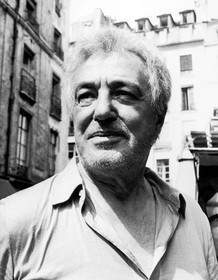
General Clave (Vittorio De Sica)
Played by Vittorio De Sica
A high-ranking Nationalist commander whose ruthless pursuit of strategic advantage frames the siege and the chase of Arturo and Soledad. He embodies wartime pragmatism, balancing orders with the occasional moral hesitation. His presence looms over the town as the conflict escalates.
- 🎖️ Military
- 💼 Authority
- 🕊️ Morality
-
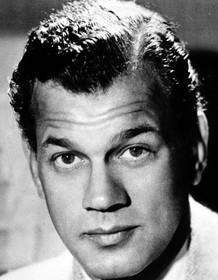
Hawthorne (Joseph Cotten)
Played by Joseph Cotten
A New York war correspondent who follows the conflict and becomes a conduit for information and aid. He attempts to assist Arturo and offers an outside perspective on the moral stakes of the siege. His presence links the global view to the local tragedy.
- 📰 Reporter
- 🕊️ Compassion
-
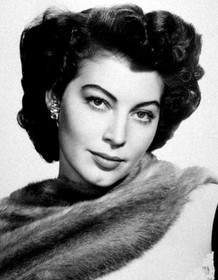
Soledad (Ava Gardner)
Played by Ava Gardner
A beautiful woman who harbors a complex past as a prostitute. She forms a fragile bond with Arturo, choosing to hide him from danger even as it puts her at great risk. Her actions and love drive key plot twists and highlight the human cost of war.
- 💄 Prostitute
- ❤️ Love
- 🔥 Danger
- AC
Arturo Carrera (Dirk Bogarde)
Played by Dirk Bogarde
A young Catholic priest who sympathizes with the poor and becomes hunted after resigning from the priesthood. His faith is tested as he traverses danger, seeks to help Loyalists, and fights for his freedom and the woman he loves.
- 🙏 Priest
- 🕊️ Faith
- 🕯️ Mercy
-
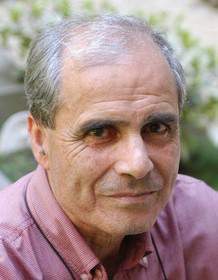
Capitano Trinidad (Nino Castelnuovo)
Played by Nino Castelnuovo
A Loyalist captain whose role in the military actions and pursuit underscores the tactical dimension of the conflict. He embodies the discipline and urgency of wartime command.
- ⚔️ Officer
- 🧭 Strategy
- CB
Capitano Botargas (Enrico Maria Salerno)
Played by Enrico Maria Salerno
A captain within the Loyalist forces who participates in the search and maneuvers surrounding Arturo and Soledad. His presence adds another layer to the chain of command and the tension of battlefield decisions.
- 🗡️ Officer
- 🧭 Tactics
Where and When Is The Angel Wore Red Set?
The Angel Wore Red is set in Spain (1936-1939). Here is why the time and place matter to the story.
When
1936-1939
Set in the late 1930s during the Spanish Civil War, the story captures the mood of a society ripped apart by ideology and terror. Bombardments, shifting loyalties, and the presence of competing authorities create a climate of fear and urgency. Political intrigue, religious symbolism, and personal risk drive the plot as families and fighters confront devastation.
Where
Spain
The action unfolds in a Spanish city during the Civil War, where Loyalist and Nationalist forces clash and civilians struggle to survive amid bombardments. The setting includes a church, a cabaret, and hidden relics, highlighting how faith, politics, and daily life intersect under siege. War-torn streets, secrecy, and the threat of capture frame the characters’ choices and the town’s fate.
- 🗺️ Spain
- ⚔️ Civil War
- 🕯️ Religion
What Are the Themes of The Angel Wore Red?
3 ideas the story keeps returning to, among them Love and Loyalty, Religion and Morality and War and Survival.
-
01
Love and Loyalty
Arturo and Soledad’s bond forms under the pressure of war, testing boundaries between faith, duty, and desire. Soledad’s decision to protect Arturo confronts her own past and the danger surrounding them. Their relationship offers a human counterpoint to the machinery of conflict, showing how love can both redeem and complicate survival. The fate of their love is intertwined with the city’s destiny.
-
02
Religion and Morality
The relic of the Blood of St. John and the priests’ actions highlight how religion becomes a political tool in wartime. Priests face coercion, torture, and moral dilemmas as loyalties shift among the Loyalists and Nationalists. The old priest’s steadfast silence contrasts with the pragmatic violence of war, raising questions about faith, authority, and mercy. Spiritual symbols drive the plot and influence the moral choices of characters.
-
03
War and Survival
The city’s siege and the chase for the relic propel a brutal pursuit that exposes the fragility of civilian life. Desertions, arrests, and cautious negotiations reveal the fracturing loyalties within both sides. A commanding general’s disapproval of torture and the soldiers’ grim march underscore the war’s moral ambiguity. In the end, mercy and sacrifice prevail only at great personal cost.
What Kind of Film Is The Angel Wore Red?
Dark in tone, with steady pacing and a moderate story, going by the plot summary.
- Tone
- Dark
- Pacing
- Steady
- Story
- Moderate
- Intensity
- High
- Ending
- Bittersweet
A grim and tense wartime drama following a disillusioned priest and a mysterious entertainer as they navigate love, faith, and survival amidst the brutal chaos of the Spanish Civil War.
- grim
- tense
- melancholic
- somber
- oppressive
- desperate
- faith crisis
- forbidden love
- survival
- religious relic
Content notes: torture, execution, war violence, imprisonment.
Quiz
How well do you remember The Angel Wore Red? Test yourself on the story.


