

What Is The Devil Is a Woman About?
The premise of The Devil Is a Woman in 301 words, with nothing given away. The full story follows below.
In the fevered heat of a Seville carnival, the city’s narrow streets burst into a riot of color, music, and masks. The revelry masks a lingering tension, as uniformed soldiers drift among costumed crowds, their presence a reminder that the celebration sits atop an undercurrent of danger. The swirl of fireworks and the clatter of castanets create a world where hidden desires can surface beneath the glittering façade.
Antonio Galvan arrives from Paris, a young man whose recent exile has left him both restless and idealistic. Drawn into the carnival’s pulse, he catches a glimpse of a striking figure on a floating float, a moment that ignites a curiosity he cannot ignore. His return to his hometown is as much a quest for belonging as it is an attempt to reconnect with old friends, yet the allure of the mysterious stranger promises to pull him into a different kind of adventure.
Concha Pérez moves through the festivities with an effortless grace that both captivates and unsettles those around her. Her beauty and confidence make her the center of whispered conversation, and her brief encounter with Antonio hints at a connection that could become dangerously intoxicating. Though she remains an enigma, her presence exerts a magnetic pull that threatens to upset the fragile equilibrium of the lives she touches.
Don Pasqual “Pasqualito” Costelar, a weathered former captain of the Civil Guard, watches the unfolding drama with a mixture of warning and yearning. His own tangled history with Concha has left him wary, and his concern for Antonio borders on protective obsession. As the carnival masks fade, the three find themselves entangled in a web of longing, rivalry, and veiled promises, setting the stage for a tension‑filled encounter where personal honor and forbidden attraction clash beneath the lingering echo of the night’s celebrations.
What Happens in The Devil Is a Woman?
The complete story of The Devil Is a Woman, from the first scene to the last, in 604 words (about 3 minutes). Spoilers throughout. Names in the text link to 3 cast member pages.
Spoilers ahead
During Carnival in early-20th-century Spain, the boulevards of Seville thrum with life as revelers in grotesque costumes and masks fill the streets. A detachment of Civil Guards staggers through the masquerade, adding a sharp note of danger to the festive chaos. Antonio Galvan, Cesar Romero, a young bourgeois revolutionary just back from exile in Paris to visit his parents, blends with the crowd while deftly dodging the authorities in pursuit. He locks eyes with the dazzling Concha Perez, perched on a float, and she slips away into the sea of revelers with him in pursuit. A message arrives for Antonio—an invitation to meet Concha that evening, a chance to see if the spark between them can ignite into something more.
As the tale unfolds, Antonio encounters his old friend Don Pasqual, Lionel Atwill, a middle-aged aristocrat and former Captain of the Civil Guard. Pasqual senses the danger of Antonio’s attraction to Concha and uses a string of flashbacks to tell the story of how Concha wrecked his life. He recalls how she helped him when she left a cigarette factory job and how his ardor nearly bound him to her forever. He proposed, she disappeared, and when she returned months later, she asked for money while insisting that she loved him. He offered again, but she rejected him. Eventually, Pasqual did win her, buying out her contract so they could be together, only for her to leave again—with a young bullfighter—leaving his reputation in tatters and causing him to resign in disgrace.
Although Antonio vows to steer clear, he cannot resist Concha. They slip away to a nightclub, where he hopes to exact revenge for Pasqual, yet he remains unable to resist her allure. A letter arrives for Concha from Pasqual, sent with a plea for a reunion and a declaration of undying love. She reads the letter to Antonio, and his fury grows as he realizes Pasqual has misled him. When Pasqual bursts into their private room, Antonio accuses him of lying to outflank him, and Pasqual demands that Antonio leave town. The tension erupts into a duel, and Pasqual calmly demonstrates his marksmanship before taking his leave.
Concha makes a bold pledge to accompany Antonio to Paris after the duel, and Antonio begins writing farewell letters. The next morning, Pasqual and Antonio meet at a secluded spot where Concha bluntly reveals that if he ever truly loved her, he could not kill the man she has cared for. As the duelists stand at their marks, Pasqual fires a shot into the air—an act that goes unnoticed by Antonio until the fatal moment. Antonio’s gun replies, and Pasqual is gravely wounded. Police arrive to arrest the fugitive Antonio, and Pasqual is taken to the hospital as Concha’s future hangs in the balance.
With Antonio imprisoned, Concha turns to Governor Paquito, Edward Everett Horton, to secure his release. He reluctantly issues two passports so Concha and Antonio can slip away to Paris. Before reuniting with him, Concha visits Pasqual in the hospital to thank him for sparing Antonio’s life. Pasqual accepts that his action was an act of love, yet he cannot forgive her, and she leaves with a heavy heart but a sense of resolve. The couple finally makes for the French border, passing through customs with ease. Their train car waits, and Antonio eagerly steps aboard, only to watch as Concha hesitates at the station master’s side. When she speaks at last from the moving train, she reveals that she will not board and that she has chosen to rejoin Pasqual, leaving Antonio to watch the landscape blur into a future unlived.
The Devil Is a Woman Timeline: Every Key Event in Order
12 key events in the order they happen, from “Carnival crowds in Seville” to “Concha chooses Pasqual”. 12 events name a place, across 10 locations.
- 1
Carnival crowds in Seville
During the Carnival in early-20th-century Seville, the boulevards are jammed with revelers in grotesque costumes as Civil Guards weave through the masquerade. Antonio Galvan, recently returned from Paris to visit his parents, blends with the crowd and spots Concha Perez atop a parade float, sparking a fateful attraction.
When:early-20th century, daytime Where:Seville, Spain
- 2
Invitation to meet Concha
Antonio is rewarded with a note inviting him to meet Concha in person that evening, sharpening the tension between desire and danger. He resolves to attend the meeting while keeping a wary eye on authorities pursuing him.
When:that evening Where:Seville streets during Carnival
- 3
Antonio meets Don Pasqual and hears the past
Antonio runs into his old friend Don Pasqual, a former Civil Guard Captain. Pasqual begins to relate, via flashbacks, how Concha ruined his life: he helped her quit her cigarette factory job and proposed, but she disappeared. Three months later she came back asking for money and professed love, yet she rejected a second proposal. Later, Pasqual found her singing in a nightclub; he bought her out of her contract so they could be together, but she left with a young bullfighter, tarnishing his reputation and forcing him to resign in disgrace.
When:that afternoon Where:Seville
- 4
Nightclub confrontation and Pasqual's letter
Although Antonio promises to stay away, he goes to a nightclub with Concha to confront Pasqual and win her back, but cannot resist her charms. While they are there, Pasqual sends a letter to Concha declaring his undying love and asking to see her; she reads the letter to Antonio, fueling his anger. Pasqual then bursts into their private room, demanding that Antonio leave town.
When:that night Where:Nightclub, Seville
- 5
Pasqual’s pistol demonstration
Pasqual demonstrates his pistol marksmanship, showing off his skill before departing. The scene leaves the lovers with a sense of danger and a looming confrontation, as they seem headed toward a possible dawn duel.
When:the same night Where:Nightclub, Seville
- 6
Dawn duel planned at a secluded location
At dawn, the duel is set at a secluded location to settle the feud between Antonio and Pasqual. Pasqual fires his pistol into the air, a move Antonio misses noticing until after he has fired. Pasqual is gravely wounded by Antonio's bullet.
When:dawn Where:Secluded location
- 7
Arrest and hospitalization
Police arrive and arrest Antonio for illegal combat, while Pasqual is taken to the hospital with his wounds. The legal and physical consequences threaten to end Antonio's freedom and Pasqual's career.
When:shortly after the duel Where:Secluded location
- 8
Concha secures Antonio's release
Concha leverages her influence with Governor Paquito to secure Antonio's release; the governor grudgingly issues two passports so they can escape to Paris. The act reveals her willingness to manipulate power to protect their plans.
When:after arrest Where:Governor Paquito's office
- 9
Concha visits Pasqual in hospital
Before reuniting with Antonio, Concha visits Pasqual at the hospital to thank him for sparing Antonio's life. He tells her that his actions were proof of his love for her, but he refuses to forgive her, and she leaves.
When:after arrest Where:Hospital
- 10
Escape toward Paris
Concha and Antonio travel toward the French border, passing through customs as they attempt to flee to Paris. Their escape marks a final attempt to redefine their lives apart from Seville.
When:on the way to Paris Where:French border / route to Paris
- 11
The train departure dilemma
At the station, Antonio eagerly boards the carriage while Concha hesitates and informs the station master that she is not boarding. She declares she has decided to rejoin Pasqual, sealing a pivotal turn in their fates.
When:as the train departs Where:Train station / moving train
- 12
Concha chooses Pasqual
Concha ultimately commits to rejoining Pasqual, ending her pursuit of Paris with Antonio. The narrative concludes with her decision to stay with Pasqual, leaving Antonio to face his uncertain future.
When:final moment Where:Onboard train / border area
Who Are the Main Characters in The Devil Is a Woman?
4 characters, among them Antonio Galvan (Cesar Romero), Concha Perez (Marlene Dietrich) and Don Pasqual (Lionel Atwill): who each one is and the part they play in the story. Every profile links to the actor’s page.
-
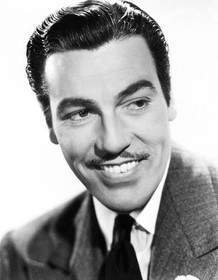
Antonio Galvan (Cesar Romero)
Played by Cesar Romero
A young bourgeois revolutionary who returns from exile to confront his rival for Concha's affection. Impulsive and fiercely romantic, he seeks to crush the rival through passion and, when necessary, force. His loyalty is tested by manipulation, leading to risky decisions that propel the plot toward a dramatic confrontation.
- 💘 Romance
- ⚖️ Loyalty
- 🕊️ Rebellion
- 🗝️ Risk
-

Concha Perez (Marlene Dietrich)
Played by Marlene Dietrich
A dazzling, calculating presence who uses charm to navigate power structures and secure her desires. Her allure draws men into her orbit, yet her choices leave emotional wreckage in their wake. She moves between lovers with a self-serving pragmatism that ultimately tests the boundaries of love and loyalty.
- 💃 Charm
- 💔 Manipulation
- 🎭 Seduction
-
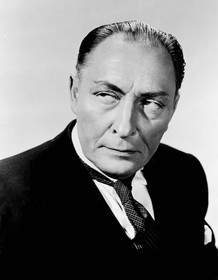
Don Pasqual (Lionel Atwill)
Played by Lionel Atwill
An aristocratic former Captain whose life was tarnished by Concha's actions. He remains deeply in love, choosing pride and propriety over reunion, and his actions reveal a man torn between duty and desire. His past decisions shape the present clash as he guards his honor and the woman he loves.
- 🏛️ Honor
- 💔 Love
- 🗡️ Duel-legacy
-

Gov. Don Paquito 'Paquitito' (Edward Everett Horton)
Played by Edward Everett Horton
The cautious governor who wields political influence to resolve conflicts and grant escape requests. His hesitation belies a pragmatic mind, balancing mercy with the law. His involvement ultimately enables a reprieve that shapes the fate of Concha, Antonio, and Pasqual.
- 🏛️ Authority
- 🕊️ Mercy
- 🤝 Policy
Where and When Is The Devil Is a Woman Set?
The Devil Is a Woman is set in Seville and Spain (Early 20th century). Here is why the time and place matter to the story.
When
Early 20th century
Set in a period when old social codes collide with modern desires, the film places romance and danger against a backdrop of aristocratic propriety. The Seville Carnival provides a chaotic, vivid stage for secret liaisons, rivalries, and political undercurrents.
Where
Seville, Spain
The action unfolds on the bustling boulevards of Seville during Carnival, where revelers wear grotesque costumes and masks. Civil Guards mingle with the masqueraders, adding a sense of order amid the chaos. The city feels alive with music, spectacle, and a hint of public scrutiny.
- 🎭 Carnival atmosphere
- 🏛️ Historic Seville
What Are the Themes of The Devil Is a Woman?
3 ideas the story keeps returning to, among them Romance & Betrayal, Honor & Duel and Escape & Consequence.
-
01
Romance & Betrayal
A seductive love triangle drives the plot as Concha uses charm to influence powerful men, while Antonio and Pasqual vie for her affection and respect. The relationships are tangled by loyalty, desire, and fear of social critique. Choices in love come with bold risks and harsh consequences.
-
02
Honor & Duel
The duel scene embodies a code of honor that governs the characters’ actions. Antonio and Pasqual confront their feelings and past wounds, with violence framed as a test of masculinity and reputation. The outcome exposes the limits of traditional notions of pride and protection.
-
03
Escape & Consequence
Concha orchestrates a path toward Paris, leveraging political clout to secure freedom for Antonio. The pursuit of escape highlights how personal ambition intersects with state power. The final choice—seeking stability with Pasqual or continuing the flight—reveals who truly commands the characters’ loyalties.
What Kind of Film Is The Devil Is a Woman?
Melancholic in tone, with steady pacing and a moderate story, going by the plot summary.
- Tone
- Melancholic
- Pacing
- Steady
- Story
- Moderate
- Intensity
- Medium
- Ending
- Bittersweet
A dramatic and melancholic tale of destructive obsession, set against a vibrant carnival, where passion leads to betrayal and a duel that resolves in a bittersweet, fatalistic conclusion.
- seductive
- fatalistic
- dramatic
- passionate
- regretful
- tense
- femme fatale
- obsessive love
- romantic rivalry
- revenge
Content notes: domestic violence, emotional abuse, suicide reference.
Quiz
How well do you remember The Devil Is a Woman? Test yourself on the story.


