What Is The 11th Hour About?
The premise of The 11th Hour in 275 words, with nothing given away. The full story follows below.
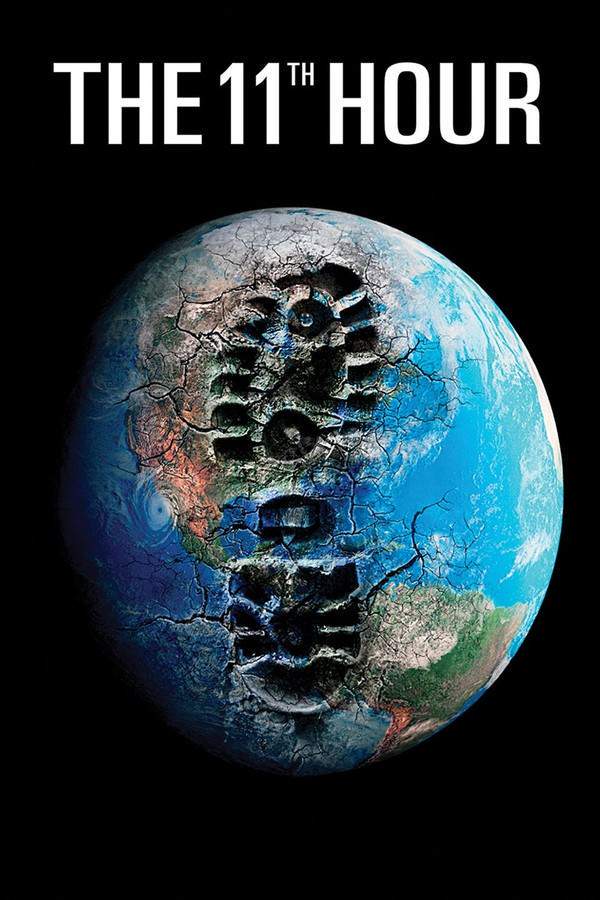
In a world teetering on the edge of ecological crisis, the film opens with Leonardo DiCaprio stepping behind the camera to pose a simple, urgent question: can humanity still rewrite its future before the clock runs out? The documentary weaves together sweeping images of melting glaciers, bustling cities, and vulnerable wildlife, creating a visual tapestry that feels both awe‑inspiring and unsettling. Its tone balances stark warning with quiet optimism, inviting viewers to see the planet not as a doomed battlefield but as a living system whose fate still hangs in the balance.
Guiding the narrative are brief, resonant conversations with some of the most influential thinkers of our time. A reflective Mikhail Gorbachev offers a perspective shaped by history’s turning points, while Stephen Hawking lends his unmistakable blend of scientific rigor and philosophical wonder. Their insights, alongside a chorus of scientists, activists, and artists, are stitched together by DiCaprio’s steady presence, which serves less as a traditional protagonist and more as a connective thread that grounds the vast array of voices. The film’s style leans heavily on intimate interviews, striking cinematography, and an evocative score that together create a contemplative space for reflection.
The overall mood is one of sober urgency softened by moments of quiet hope. Rather than dramatizing conflict, the documentary encourages a collective introspection, asking each viewer to consider their role within the larger planetary story. It’s an invitation to look beyond everyday distractions and witness the intricate interdependence of ecosystems, economies, and cultures. By framing the environmental challenge as a shared human narrative, the film sets the stage for an empowering call to action that lingers long after the final frame.
What Happens in The 11th Hour?
The complete story of The 11th Hour, from the first scene to the last, in 389 words (about 2 minutes). Spoilers throughout. Names in the text link to 1 cast member page.
Spoilers ahead
I commend the efforts of Leonardo DiCaprio in co-writing and co-producing this environmentally poignant documentary that resonates deeply, much like the messages conveyed by Al Gore. The film serves as a timely reminder that the imminent environmental collapse threatens not only our way of life, but also our very existence. While I align with DiCaprio’s views and the critical messages delivered by the array of speakers featured throughout, I believe there might have been more engaging ways to present these important ideas. His intentions are clearly noble; however, one may argue that good intentions alone are not sufficient to create a compelling narrative.
The documentary invites viewers on a guilt-laden journey reminiscent of Al Gore’s own enlightening excursions, yet it lacks a certain spark of entertainment. Gore managed to imbue his message with a sense of humor and an optimistic conclusion, instilling hope that it is not too late to save the myriad species that inhabit our planet—whales, tigers, and yes, even our beloved humanity. In contrast, this film provides an endless stream of authors, scientists, and environmental advocates continuously urging us to take immediate action. Although some of the proposed solutions are indeed refreshing to see, the overall tone could benefit substantially from a sprinkle of entertainment.
Describing the film as somewhat dry would not be entirely inaccurate; however, it tackles a crucial topic that necessitates repetition, perhaps more than once, to truly drive home the gravity of the situation—ideally, on a high-speed electric train, for good measure! With a touch more creativity and a diverse presentation style, the experience could have transformed into something more engaging. It’s known that figures like DiCaprio and Gore often believe they are successfully swaying perspectives, yet they predominantly resonate with an already aware public—those who are already on the same page. Would someone like George Bush ever watch this? Likely, he might dismiss it as mere left-wing propaganda.
Thus, it would have been beneficial to inject a few laughs into this sermon-like narrative; after all, even the most serious of messages can be conveyed with a lighter touch. Still, in our celebrity-driven world, where public opinion sways the box office, I encourage viewers to support this film. It holds a mirror to the concerns we face, and despite its flaws, it is imperative viewing amidst the urgent crisis of our times.
The 11th Hour Timeline: Every Key Event in Order
13 key events in the order they happen, from “Introduction of Environmental Issues” to “Influence on Public Perception”.
- 1
Introduction of Environmental Issues
The film begins with a strong focus on the urgent environmental issues facing the planet. Speakers emphasize the alarming state of our ecosystems and the immediate need for action to prevent further destruction.
- 2
Call to Action from Speakers
A diverse lineup of authors, scientists, and environmental leaders take the stage to emphasize the necessity for collective action. Their repeated messages serve as a clarion call for mankind to recognize the ongoing environmental collapse.
- 3
Comparative Analysis with Previous Documentaries
The film draws comparisons to previous documentaries, especially regarding Al Gore's works. While praising its relevance, it highlights that the lack of entertainment diminishes its persuasive power significantly.
- 4
Exploration of Environmental Solutions
Throughout the film, various proposed solutions to the environmental crisis are examined. Though offers of hope exist, the focus on the dire situation remains stark and unyielding, requiring viewers to reflect deeply.
- 5
Anecdotes and Personal Stories
Some speakers share personal anecdotes and stories that illustrate the human impact of environmental neglect. These narratives, while powerful, sometimes feel overshadowed by the heavy message of despair.
- 6
Call for Global Responsibility
The speakers articulate a shared responsibility, urging everyone—from individuals to global leaders—to prioritize environmental issues. This call for solidarity across the globe is a pivotal moment in the documentary.
- 7
Repetition of Urgent Themes
The film's reliance on repetitive themes highlights the seriousness of the environmental crisis. However, this repeated emphasis creates a sense of monotony, detracting from the compelling nature of the message.
- 8
Celebrity Involvement
Leonardo DiCaprio's co-production and co-writing role introduces a celebrity element to the documentary. While his involvement attracts viewers, it raises questions about whether the film genuinely reaches those who may need to hear this message the most.
- 9
Critique of Political Response
Amidst the environmental warnings, there is an acknowledgment of the indifference from some political figures. The narrative probes the question of whether leaders like George Bush will engage with the documentary or dismiss it as biased propaganda.
- 10
Urgency for Action
Despite the film's dry presentation, the need for immediate action resonates clearly. Viewers are left with a sense of urgency, encouraged to reflect on their role in the environmental issues being discussed.
Show the other 3 events of The 11th Hour Hide the last 3 events
- 11
Conclusion and Implications
In closing, the documentary summarizes the key messages delivered throughout its runtime. It emphasizes that while the problem is daunting, acknowledging it is the first step towards instigating meaningful change.
- 12
Finding Balance Between Message and Entertainment
A major critique is the film's lack of humor and entertainment value, which many feel could enhance the impactful message. Balancing a serious subject with engaging content might have helped to better captivate the audience.
- 13
Influence on Public Perception
The film aims to influence public perception of environmental issues, hoping to ignite discussions among viewers. The argument posits that celebrities can impact box office receipts and consequently shape public discourse.
Who Are the Main Characters in The 11th Hour?
Leonardo DiCaprio: who they are and the part they play in the story. The profile links to the actor’s page.
-

Leonardo DiCaprio
Played by Leonardo DiCaprio
Leonardo DiCaprio is portrayed as an impassioned advocate for environmental issues in this documentary. His efforts in co-writing and co-producing the film reflect a deep commitment to raising awareness about the planet's deteriorating health. Although his approach is criticized for lacking entertainment value, his intention is to inspire viewers to take actionable steps toward sustainability.
- 🎤 Activism
- 🌎 Commitment
Where and When Is The 11th Hour Set?
The 11th Hour is set in Various Locations. Here is why the place matters to the story.
When
The movie reflects contemporary issues regarding climate change and environmental degradation. It addresses critical challenges that current generations face, urging viewers to recognize the need for immediate action. The urgency of the message spans beyond decades, highlighting a continued struggle for environmental advocacy.
Where
Various Locations
The film traverses various locations relevant to environmental concerns, featuring insights from authors, scientists, and environmental leaders. These places symbolize the urgent need for addressing the environmental collapse that is affecting our planet. The aim is to raise awareness about the dire state of the Earth and the challenges we face.
- 🌍 Environmental Awareness
- 🎥 Documentary
What Are the Themes of The 11th Hour?
2 ideas the story keeps returning to, among them Environmentalism and Crisis Awareness.
-
01
Environmentalism
The central theme of the movie revolves around environmentalism and the need for collective action. It emphasizes the responsibility of humanity to address pressing ecological issues before it's too late. Through a series of speakers and discussions, the film aims to awaken a sense of urgency regarding the planet's future.
-
02
Crisis Awareness
Another prominent theme is the awareness of the ongoing environmental crisis. The documentary serves as a clarion call, expressing the critical state of our ecosystem. It compels the audience to reconsider their roles and responsibilities in combating climate change.
What Kind of Film Is The 11th Hour?
Bleak in tone, with steady pacing and a straightforward story, going by the plot summary.
- Tone
- Bleak
- Pacing
- Steady
- Story
- Straightforward
- Intensity
- Medium
A sobering, guilt-laden journey through the planetary emergency, presented with urgency through scientific testimony but lacking the entertaining spark that might have made its heavy message more palatable.
- guilt-laden
- urgent
- serious
- sermon-like
- educational
- sobering
- environmental crisis
- climate change
- mass extinction
- sustainability
Content notes: environmental disaster.
Quiz
How well do you remember The 11th Hour? Test yourself on the story.