
Taras Bulba 1962

Directed by
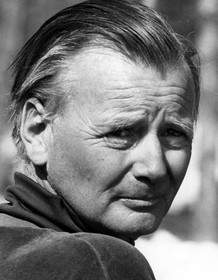
J. Lee Thompson
Made by
Avala Film
Taras Bulba Plot Summary
Read the complete plot summary and ending explained for Taras Bulba (1962). From turning points to emotional moments, uncover what really happened and why it matters.
Taras Bulba Yul Brynner is a seasoned Cossack colonel who returns to a Ukraine fractured by constant warfare among Ukrainian, Russian, and Polish fronts, with the Ottoman Empire looming as a distant threat. The Polish authorities tighten their grip on Cossack lands, and the people endure harsh rule while the Cossacks rally in the hills and forests. Taras leads his Brotherhood with a fierce sense of duty, yet the homeland remains divided, its farms burned and its families scattered by a struggle that seems never to end.
Taras’s return to his family introduces a new generation, including his wife Sofia Bulba Ilka Windish and their children. The family life is tempered by the wider conflict, and Taras, along with the other Cossacks, continues to hold the line against Polish domination even as the land itself bears the scars of endless skirmishes. The Cossacks’ courage is tested again when two decades pass and Taras sends his two sons, Andriy Tony Curtis and Ostap Perry Lopez, to Kiev to receive a Polish education. At the academy, Andriy becomes entangled in a forbidden romance with Natalia Dubrov Christine Kaufmann, a Polish princess whose presence stirs resentment among locals who see the Cossacks as outcasts.
Natalia’s status in Kiev puts Andriy and Ostap in a dangerous crossroads. The locals’ hostility toward the Cossacks deepens, and the brothers end up fleeing back to their father’s Ukrainian steppes as tensions rise. When news arrives that the Poles want the Cossacks to rally for a fresh war, Andriy’s refusal to fight for their occupiers triggers a harsh test of courage. The challenge is brutal and symbolic: two riders vault their horses over a daunting chasm, and the fate of the accuser is sealed by a single fall—God’s judgment rendered in the crash below. Taras supports Andriy’s stance, signaling a shift in allegiance and a plan to reclaim Ukraine from Polish dominion.
The Cossack Brotherhood, led by Taras, confronts a split leadership as Iván Mykola (Hetman) urges quiet alliance with the Poles, while Taras insists on a bold course. Ivan Mykola [Daniel Ocko] tries to hold the line, but Taras asks the Brotherhood to choose whom they will follow. They rally to Taras, and with the Holy Banner of St. Michael in hand, he becomes the de facto leader of the Brotherhood. The Cossacks ride out to confront the Poles in the Baltic region, and at Dubno the Poles expect a routine deployment but instead find a brutal, disciplined Cossack assault. The siege begins, and the city’s food runs scarce as disease spreads, turning the siege into a test of endurance for both sides.
Amid the siege, Andriy is drawn toward a desperate bid to rescue Natalia from her fate. He slips into the besieged city in a bid to save her, but she is condemned to be burned for loving a Cossack. To save her life, Andriy proposes a grim compromise: he will lead a raiding party to ferry cattle into the starving city, easing the burden on its people. The siege’s momentum shifts as many Cossacks grow weary of the stalemate and drift home, only to return when Polish strength becomes clear again. The Polish commander renews the assault, and the clash erupts on the field where father and son confront one another in the heat of war.
Taras encounters Andriy on the battlefield and, driven by a controversial sense of justice, ends his son’s life for betrayal. The field becomes a grim stage where loyalties collide, and Taras leads the main Cossack force in a fierce retreat toward the river’s edge. Those who had left the siege to go home rejoin the main army, and a violent surge of horses and riders pushes many men and beasts over the cliff into the river below. The Cossacks, weathered and resolute, press on and finally break the Polish defenses, entering Dubno in triumph.
Andriy’s burial marks a solemn moment in a city now under Cossack control. Taras’s leadership is reaffirmed as a rebuke to those who had oppressed the Cossacks, with a vow that underscores their different path from their Polish rulers. As Taras speaks to his people, he emphasizes restraint and mercy, insisting they will not mirror the cruelty they endured: “We will not ravage. We will not pillage. We will burn out the plague, and open the supply wagons, and feed the people of our city.”
We will not ravage. We will not pillage. We will burn out the plague, and open the supply wagons, and feed the people of our city.
In the aftermath, the Cossacks reclaim Dubno and secure a hard-won sense of autonomy, but the scars of the long struggle linger. The film ends with Taras’s hard-won victory tempered by the personal loss of Andriy, a reminder of the price paid when a homeland’s freedom comes at such a steep personal cost. The tale emphasizes the brutal realities of loyalty, honor, and the cost of rebellion, while anchoring its epic scope in a family saga that spans generations and borders.
Taras Bulba Timeline
Follow the complete movie timeline of Taras Bulba (1962) with every major event in chronological order. Great for understanding complex plots and story progression.
Prologue: War against the Ottoman threat
In the 17th century, eastern Europe is divided among Ukraine, Poland, Russia, and Ottoman interests. A brutal battle pits the Turks against the Poles, and the Cossacks arrive to tilt the balance in Poland's favor. Yet the Poles reveal their true intent by planning treachery once they secure victory.
Polish domination drives the Cossacks to rebellion
With victory secured, Poland tightens its grip on Taras Bulba's homeland. The Cossacks are forced to submit, their farms burned and communities scattered. In response, many Cossacks abandon the land and take to the hills to preserve their freedom.
Two decades pass; sons sent to Kiev
Two decades later, Taras Bulba sends his two sons, Andriy and Ostap, to Kiev to receive a Polish-influenced education. The academy represents opportunity and danger, weaving Polish authority into young Cossacks' minds. Taras hopes their education will harden the Cossack resolve.
Andriy falls for a Polish princess
At the academy, Andriy falls in love with Natalia Dubrov, a Polish princess. This romance intensifies hostility toward the Cossacks and deepens the cultural rift in Kiev. The two brothers experience the strains of loyalty, love, and identity.
Brothers flee Kiev back to the steppe
Unable to tolerate the hostile environment, Andriy and Ostap flee Kiev and return to Taras on the Ukrainian steppes. The move marks a retreat from city life and a reassertion of Cossack independence. They reunite with their father, recognizing that Polish rule remains a threat.
A call to arms and a test of courage
The Poles seek Cossack help to wage a new war, but Andriy refuses to fight for them. The denial becomes a source of accusation and the subject of a dangerous test of courage. Taras approves of Andriy's stance, and the riders leap a chasm, during which the accuser falls to his death, validating Andriy's stance and setting Taras on a path toward rebellion.
Taras seizes command of the Brotherhood
Hetman Ivan Mykola refuses to follow Taras, and Taras earns the loyalty of the Brotherhood by seizing the Holy Banner of St. Michael. The deposed Hetman is ridden down as Taras takes control. The council of elders falters, and Taras becomes undisputed leader.
The siege of Dubno begins
Taras leads the Cossacks to Dubno, where the Poles expect to confront them. Instead, the Cossacks attack the Polish army and drive it back into the city, beginning a siege. Hunger and disease soon plague both sides as the fight drags on.
Andriy risks Natalia to save her
With Natalia's life in danger inside the besieged city, Andriy slips in to try and rescue her. He is captured, and Natalia is condemned to burn for loving a Cossack. To save her, Andriy agrees to lead a cattle-raiding party into the starving city.
Desertions and a deadly confrontation
Frustrated by the siege, many Cossacks return home, weakening the assault. The Polish commander takes advantage and launches a full assault. In the ensuing battlefield, Taras encounters his own son Andriy and kills him for his betrayal, a moment that shatters Taras but solidifies his resolve to press on.
Retreat to the river gorge
Taras leads the survivors in a retreat to the edge of a cliff by a river gorge. Rejoining the battle, many fighters and horses fall into the river below as the cliffside becomes the scene of a brutal, fatal melee. The fighting continues toward an uncertain future.
Dubno falls and a merciful creed
The Cossacks win the siege and enter Dubno, with Andriy to be buried there as a true Cossack. Taras declares a creed of mercy: they will not ravage or pillage, will burn out the plague, and will open the supply wagons to feed the people of the city. The town becomes a symbol of Cossack restraint after war.
Taras Bulba Characters
Explore all characters from Taras Bulba (1962). Get detailed profiles with their roles, arcs, and key relationships explained.
Taras Bulba (Yul Brynner)
A stern, formidable Cossack elder and Hetman who upholds a fierce code of loyalty. His leadership drives the Brotherhood and his decisions shape his sons’ fates. He champions discipline, honor, and collective strength, even at great personal cost.
Andriy Bulba (Tony Curtis)
Taras’s elder son, educated at a Polish academy and torn between Cossack duty and a forbidden love for Natalia. His choices spark conflict within the family and the community, highlighting the clash of cultures and loyalties.
Ostap Bulba (Perry Lopez)
Taras’s younger son, bold and impulsive, loyal to his father but quick to join the fight. He embodies a more reckless path within the Cossack ranks and the heat of battle.
Natalia Dubrov (Christine Kaufmann)
A Polish princess who falls for Andriy, her romance becomes a flashpoint between polities and cultures. She faces peril amid sieges and political machinations, symbolizing the human cost of cross-border love.
Ivan Mykola (Daniel Ocko)
Hetman of the Cossack Brotherhood who is deposed and must grapple with allegiance and power. His challenge to Taras’ leadership sets the stage for the clash over unity and direction.
Taras Bulba Settings
Learn where and when Taras Bulba (1962) takes place. Explore the film’s settings, era, and how they shape the narrative.
Time period
17th century
Set in the 1600s, the film follows the clash of Cossacks, Poles, and empires. Loyalties shift as battles rage across Ukraine, Poland, and the Baltic front. The era’s rigid codes and brutal sieges drive the drama and destinies of Taras Bulba and his sons.
Location
Ukraine, Kiev, Dubno, Ukrainian steppes, Poland
The action unfolds across 17th-century Eastern Europe, centering on Ukraine and its borderlands. Key locales include the Ukrainian steppes, the besieged town of Dubno, and Polish territories where Cossacks clash with aristocrats. The setting emphasizes vast landscapes, fortified towns, and the brutal realities of sieges and shifting allegiances.
Taras Bulba Themes
Discover the main themes in Taras Bulba (1962). Analyze the deeper meanings, emotional layers, and social commentary behind the film.
⚔️
Loyalty & Betrayal
Taras Bulba imposes a strict code of loyalty among the Cossacks, testing his family as his sons pursue different paths. The Polish education and a forbidden romance create a fault line between duty and desire. Betrayal—whether by enemies or by the mistakes of those closest—drives tragedy and reshapes loyalties across generations. The clash between personal loyalty and political allegiance exposes the high price of leadership in a fractured land.
🕊️
Freedom vs Oppression
The Cossacks yearn for autonomy under pressure from Polish rulers and Ottoman threats. Love across cultural borders underscores the struggle for personal liberty within harsh regimes. The siege atmosphere highlights the tension between communal duty and individual desires. The narrative uses these struggles to explore resilience in the face of oppression.
💥
War & Consequences
Battles, sieges, and mass deaths punctuate the story, revealing the brutality of 17th-century warfare. Leaders must weigh strategic gains against human costs, including family tragedies and casualties on both sides. The drama interrogates the moral costs of power and the cycle of vengeance that follows. The resolution emphasizes mercy and the heavy toll that conflict exacts on people and communities.

Coming soon on iOS and Android
The Plot Explained Mobile App
From blockbusters to hidden gems — dive into movie stories anytime, anywhere. Save your favorites, discover plots faster, and never miss a twist again.
Sign up to be the first to know when we launch. Your email stays private — always.
Explore the mobile appTaras Bulba Spoiler-Free Summary
Discover the spoiler-free summary of Taras Bulba (1962). Get a concise overview without any spoilers.
The rolling Ukrainian steppes of the sixteenth century form a stark, windswept backdrop where the clang of swords and the whisper of ancient songs compete for dominance. In a land fractured by the relentless push of neighboring powers—Polish nobles, Russian ambitions, and the distant threat of the Ottoman Empire—every farm, village, and hill bears the weight of unending struggle. The atmosphere is one of rugged honor, where loyalty is measured by the sinew of a horse’s gallop and the glint of a Cossack’s blade, and the very soil seems to pulse with the memory of countless battles.
Taras Bulba returns to his homestead after years of warfare, a seasoned Cossack colonel whose reputation is as fierce as the winter winds that scour the plains. He is a patriarch both on the battlefield and at home, guiding his small but steadfast Brotherhood while caring for his wife Sofia and their young sons. The family’s hearth glows against the cold reality outside, yet even within those walls the echoes of conflict cannot be silenced, and the weight of leadership presses heavily on his broad shoulders.
His eldest son, Andrei, stands at the crossroads of duty and desire. Trained in the ways of the Cossack, he feels the pull of his people’s call to resist the encroaching Polish rule, yet his heart is captured by a Polish woman whose very presence ignites both tenderness and turmoil. Their forbidden bond offers a glimpse of a different future, one that threatens to fracture the iron‑clad code that has guided his lineage for generations. This intimate tension promises to test the limits of loyalty, honor, and the yearning for something softer than warfare.
The film’s tone is epic yet intimate, blending sweeping vistas of burnt fields and mist‑shrouded forests with the close‑quartered drama of a family caught in history’s tide. Visually, the muted palette of ash and earth lends a gritty realism, while the lingering melodies of folk instruments underscore a world where personal longing clashes with collective destiny. As the Cossacks ride across the plains, the audience is left to wonder how far a man will go when the call of his people collides with the pull of an unexpected love, setting the stage for a saga that balances fierce patriotism with the fragile hope of forbidden romance.
Movies with Similar Twists and Themes
Uncover films that echo the narrative beats, emotional arcs, or dramatic twists of the one you're exploring. These recommendations are handpicked based on story depth, thematic resonance, and spoiler-worthy moments — perfect for fans who crave more of the same intrigue.

Featured on this page

What's After the Movie?
Not sure whether to stay after the credits? Find out!
Check out our other apps:

SAT Sphere
Build confidence for the Digital SAT.

Mori Atlas
Discover wild places worth protecting.

Luntero
Search smarter for a home in Amsterdam.

Plot Explained
Unravel movie endings and hidden clues.

Pokechamp
Dive into Pokémon data and battle logic.

Driving Theory
Get ready for your European theory test.

Movie Dust
Plan your next cinema trip with ease.

Musemap
Find art and culture as you travel.

Selkobase
Compare credentials before committing.

Local Manual
Turn an unfamiliar country into practical next steps.

Lernavi
Compare school systems before your next move.

GymRoam
Find a workout stop wherever your plans take you.
Explore Our Movie Platform
New Movie Releases (2026)
Famous Movie Actors
Top Film Production Studios
Movie Plot Summaries & Endings
Major Movie Awards & Winners
Best Concert Films & Music Documentaries
Movie Collections and Curated Lists
© 2026 What's After the Movie. All rights reserved.
Privacy Policy