What Is Taking Chance About?
The premise of Taking Chance in 263 words, with nothing given away. The full story follows below.
Based on the true story captured in U.S. Marine Lieutenant Colonel Michael Strobl’s personal recollections, this film explores the quiet weight of duty in ways both intimate and profound. Set against the backdrop of military protocol and the often-unseen processes that follow the loss of life in service, the narrative follows Strobl as he grapples with questions of purpose, sacrifice, and what it truly means to serve.
Though his responsibilities have kept him far from the combat zones he once sought, Strobl makes a decision that defies typical military expectations. He volunteers to escort the remains of a fallen Marine, Chance Phelps, beginning a journey that will take him across the country and into the heart of a community touched by loss. What begins as a formal assignment evolves into something far more personal, as Strobl encounters the people and places that shaped the young Marine’s life.
The film maintains a reverent, contemplative tone throughout, focusing less on action and more on the emotional landscape of those left to honor the fallen. Through Strobl’s eyes, viewers witness the meticulous care and profound respect embedded in every step of the escort process—a ritual that carries its own kind of honor, distinct from the battlefield yet equally significant.
As the miles unfold between Dover Air Force Base and rural Wyoming, Strobl finds himself confronting his own feelings about service, sacrifice, and the paths we choose. The journey becomes a meditation on legacy and the bonds that connect those who serve, inviting reflection on the quiet burdens carried by the living in tribute to the dead.
What Happens in Taking Chance?
The complete story of Taking Chance, from the first scene to the last, in 423 words (about 2 minutes). Spoilers throughout. Names in the text link to 1 cast member page.
Spoilers ahead
Based on the recollections of LtCol Mike Strobl, the film follows a Marine lieutenant colonel as he shifts from the front lines to a deeply introspective, almost ceremonial duty: overseeing the funeral arrangements for fallen brothers in arms. The story centers on Strobl’s decision to personally accompany the remains of a Marine, a Private First Class whose life ended far from home, and to see the journey from Dover Air Force Base to Dubois, Wyoming through to its quiet, dignified end.
Strobl’s path is less about battlefield glory and more about bearing witness to loss. He confronts the weight of duty in a role normally assigned to Non-Commissioned Officers, a stark contrast to the active combat he once envisioned for himself. As he travels with the casket, he comes face to face with the humanity behind every casualty, discovering that the fallen are not just names but people who touched the lives of those around them. The film emphasizes how these moments—quiet, personal, and grief-stricken—reframe Strobl’s understanding of service and honor.
At the funeral and memorial service, Strobl encounters the realization that Private First Class Chance Phelps was not just another casualty but an exceptional soldier who inspired his peers. After a script of ceremonial duties and shared memories, he spends time in a local Veterans club, where he confesses to the ranking veteran that he feels a pang of envy for the active duty enjoyed by those in the line of fire. The veteran’s reply is blunt and kind: the work Strobl has been asked to do is, in its own way, a high honor—one that supports families in their darkest hours and preserves the memory of a fallen comrade.
This conversation becomes a turning point. Strobl recognizes that his task—being present for the grieving, guiding their final rites, and carrying their loved one home—offers a meaningful, if painful, duty that honors the fallen as much as any battlefield achievement could. He completes the assignment with care, returning home to his wife and young daughters, carrying with him the quiet resolve that comes from witnessing sorrow and bearing it with dignity.
The emotional arc culminates in reflection. Strobl later writes about the entire experience—the emotions stirred by the farewell rituals and the people he met along the way—and shares his essay with a wider audience. Published in the blog Blackfive on April 23, 2004, the piece spreads across the internet, turning a personal journey into a broader meditation on sacrifice, memory, and the sometimes understated honor found in serving families who mourn.
Taking Chance Timeline: Every Key Event in Order
12 key events in the order they happen, from “Strobl volunteers for funeral duties” to “Essay published on Blackfive blog”. 12 events name a place, across 7 locations.
- 1
Strobl volunteers for funeral duties
Lieutenant Colonel Michael Strobl chooses to take on the assignment of handling the remains of a fallen Marine rather than following the usual NCO lead. He contemplates the emotional weight of organizing funerals for comrades instead of front-line duty. This decision marks the start of his reflective journey.
Where:Marine Corps base
- 2
Phelps fatally wounded near Baghdad
Chance Phelps is fatally wounded by gunfire near Baghdad while serving in Iraq. Strobl learns of Phelps's death and begins to question his own role in warfare. The event anchors the emotional arc of Strobl's transition from duty to remembrance.
When:9 April 2004 Where:Near Baghdad, Iraq
- 3
Phelps posthumously promoted to Lance Corporal
In the wake of his death, Chance Phelps is posthumously promoted, honoring his service and sacrifice. The promotion adds a solemn note to the funeral process that Strobl will oversee. The honor juxtaposes active combat accolades with the quiet dignity of his family and peers.
Where:Dubois, Wyoming
- 4
Remains transported from Dover to Dubois
Strobl oversees or accompanies the remains as they are shipped from Dover Air Force Base to Dubois, Wyoming. The logistics of bringing a fallen Marine home for a traditional farewell become a central task for him. The journey frames the broader theme of duty in service to grieving families.
Where:Dover Air Force Base to Dubois, Wyoming
- 5
Funeral held for Phelps in Dubois
A funeral service is conducted in Dubois for Phelps, attended by fellow Marines, family, and community members. Strobl witnesses the respect paid to a fallen comrade and the collective process of mourning. The ceremony underscores the personal impact of wartime losses on those left behind.
Where:Dubois, Wyoming
- 6
Memorial service follows funeral
A memorial service for Phelps continues the grieving process, offering space for reflection on his character and contributions. Strobl observes how the unit honors a young Marine through ritual and remembrance. The event reinforces the theme of memory shaping duty.
Where:Dubois, Wyoming
- 7
Drinks at the local Veterans club
After the services, Strobl goes to a local Veterans club for a drink and conversation. He shares his unexpected envy of the active duty experiences his fallen comrade had in the field. The setting reveals the tension between frontline glory and responsible caretaking.
Where:Local Veterans club, Dubois, Wyoming
- 8
Strobl confesses envy for active duty
Strobl opens up about his envy of the active duty life he believed Phelps enjoyed in combat. The admission shows how his own role in grieving duties clashes with his military identity. The exchange with the veteran highlights a pivotal shift in his perspective.
Where:Local Veterans club, Dubois, Wyoming
- 9
Ranking veteran reframes the duty as an honor
The ranking veteran counsels Strobl to reconsider his feelings, explaining that caring for grieving families is a high and meaningful honor. The conversation reframes what constitutes valor and duty. Strobl begins to accept his essential role in honoring the fallen.
Where:Local Veterans club, Dubois, Wyoming
- 10
Strobl fulfills the last remains duty
Strobl completes the assignment of handling the last remains of a fallen soldier with dignity and care. He internalizes the responsibility as a form of service to the Marines and the families they leave behind. The act closes the circle of his reflective journey.
Where:Dubois, Wyoming
- 11
Strobl returns home to his family
After fulfilling his duties, Strobl returns home to his wife and young daughters. The homecoming provides a stark contrast to the battlefield and the funeral rituals he has just witnessed. The personal reconciliation marks a quiet end to the mission.
Where:Home
- 12
Essay published on Blackfive blog
Strobl writes about his experiences, emotions, and the people he met, turning his reflections into a blog post. The essay is published on Blackfive on 23 April 2004 and spreads online, resonating with many readers. The online publication solidifies the impact of his journey beyond the immediate circle.
When:23 April 2004 Where:Online (Blackfive blog)
Who Are the Main Characters in Taking Chance?
7 characters, among them LtCol Mike Strobl (Kevin Bacon), Rich Brewer (John Magaro) and Gretchen (Ann Dowd): who each one is and the part they play in the story. Every profile links to the actor’s page.
-

LtCol Mike Strobl (Kevin Bacon)
Played by Kevin Bacon
A U.S. Marine lieutenant colonel who is tasked with escorting the remains of a fallen Marine. He is introspective, torn between envy of active duty and pride in performing a solemn duty. Throughout the journey he exhibits quiet resilience, searching for meaning in the work beyond frontline combat.
- 🎖️ Duty
- 🕊️ Respect
- 💼 Reflection
-
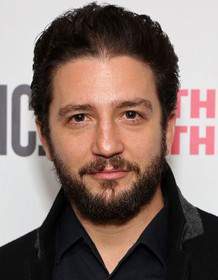
Rich Brewer (John Magaro)
Played by John Magaro
A local veteran encountered at a Veterans club who speaks with Strobl about the gravity and honor of his duty. He embodies the lived experience of veterans and offers a practical, compassionate perspective on mourning and service.
- 🗺️ Memory
- 🎗️ Honor
- 🧭 Guidance
-
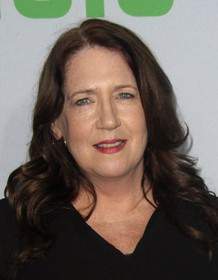
Gretchen (Ann Dowd)
Played by Ann Dowd
Strobl’s wife, representing family life and the personal aftermath of military service. Her presence underscores the emotional stakes for those at home and the support system that sustains service members.
- 🏡 Family
- 💖 Support
- 🫂 Understanding
- CP
Chris Phelps (Blanche Baker)
Played by Blanche Baker
The mother of Chance Phelps, whose grief and memory anchor the emotional core of the film. She embodies the impact of loss on the family and the enduring memory of a fallen son.
- 🧭 Grief
- 🕊️ Memory
- 🫂 Compassion
- KP
Kelley Phelps (Emily Wickersham)
Played by Emily Wickersham
A member of the Phelps family featured in the narrative, connected to the legacy of Chance Phelps. Her presence adds to the portrayal of family reactions to war and loss.
- 👪 Family
- 🕰️ Time
- 🎭 Emotion
- GK
General Kruger (John Bedford Lloyd)
Played by John Bedford Lloyd
A high-ranking military official who represents the chain of command overseeing the ceremonial aspects of the remains’ handling. He embodies authority and the formal structure surrounding such duties.
- 🎖️ Command
- 🗂️ Authority
- 🗒️ Policy
- NS
Nate Strobl (Nicholas Art)
Played by Nicholas Art
Strobl’s son, included to highlight the personal side of the veteran’s life and the impact of service on his family. His presence underscores the generational reach of military duty and memory.
- 👪 Family
- 🧭 Perspective
- 🏷️ Legacy
Where and When Is Taking Chance Set?
Taking Chance is set in Dover Air Force Base, Dubois, Wyoming, Baghdad and Iraq (2004). Here is why the time and place matter to the story.
When
2004
Set during the Iraq War era in 2004, the narrative follows a mission of dignity and remembrance across the United States. The events align with the timing of Phelps’s death in Iraq and the subsequent funeral process. The experience culminates with Strobl publishing a reflective essay in April 2004.
Where
Dover Air Force Base, Dubois, Wyoming, Baghdad, Iraq
The story begins at Dover Air Force Base as the remains are prepared for transport, then moves to the small town of Dubois, Wyoming for the funeral and memorials. It references the battlefield context near Baghdad, where Private First Class Chance Phelps was fatally wounded. The journey is framed by the rituals of military and civilian communities coming together to honor a fallen Marine.
- 🎖️ Military
- ⚰️ Funeral
- 🚚 Transport
What Are the Themes of Taking Chance?
3 ideas the story keeps returning to, among them Duty, Remembrance and Community.
-
01
Duty
The central theme is the weight and meaning of duty beyond combat. Strobl’s assignment to escort the remains is portrayed as a high honor that requires humility, discipline, and quiet resolve. The film argues that doing this respectful work is a courageous form of service that sustains the military’s humane backbone.
-
02
Remembrance
Grief is processed through ritual and memory, as families, veterans, and service members confront loss together. The escorting of the body becomes a conduit for honoring a life and preserving the memory of a fallen comrade. Remembrance is shown as a collective act that connects people across distances.
-
03
Community
The narrative emphasizes the social networks that support mourning and service—from the Veterans club to the airport staff and funeral rituals. It highlights how communities, formal and informal, come together to give meaning to sacrifice. The sense of shared duty reinforces a larger moral fabric surrounding military service.
What Kind of Film Is Taking Chance?
Melancholic in tone, with slow pacing and a straightforward story, going by the plot summary.
- Tone
- Melancholic
- Pacing
- Slow
- Story
- Straightforward
- Intensity
- Medium
- Ending
- Bittersweet
A solemn and reflective journey through military funeral rites, filled with quiet respect and emotional weight as a colonel escorts a fallen soldier home.
- solemn
- respectful
- reflective
- grieving
- honorable
- quiet
- military duty
- grief and loss
- death and mourning
- self discovery
Content notes: war death, military casualty, funeral scenes, grief depiction.
Quiz
How well do you remember Taking Chance? Test yourself on the story.