
What Is Sybil About?
The premise of Sybil in 256 words, with nothing given away. The full story follows below.
In the intellectual bustle of 1950s New York, Sybil Dorsett drifts through her studies at Columbia, her outward talent for art masking a profound inner turmoil. The pressures of academic life clash with memories of an upbringing shadowed by a demanding mother and a father who clings to a more comforting version of the past. When her inexplicable blackouts draw the concern of a colleague, she is referred to a psychiatrist whose reputation for empathy precedes her.
Dr. Cornelia Wilbur steps into Sybil’s world with a blend of clinical rigor and gentle curiosity, seeking the hidden seams of a psyche that has learned to fragment for survival. Their sessions become a delicate dance between probing inquiry and cautious trust, as Sybil begins to hint at the presence of distinct voices and personas that surface beneath her conscious self. Around them, other doctors voice skepticism, while Sybil’s family wrestles with their own versions of truth, creating a charged atmosphere where professional ambition and personal denial intersect.
The film unfolds with a measured, almost lyrical tone, inviting the audience to linger in the quiet tension of a mind in flux. Shadows of the past linger like mist over a lake, and the flickering light of revelation is never far from the characters’ reach. By focusing on the subtle exchanges between patient and practitioner, and the fragile family dynamics that hover just out of view, the story immerses viewers in a psychological portrait that feels both intimate and unsettling, promising deeper layers to explore without ever fully exposing them.
What Happens in Sybil?
The complete story of Sybil, from the first scene to the last, in 224 words (about 1 minute). Spoilers throughout.
Spoilers ahead
Troubled Columbia University art student and later student teacher Sybil Dorsett [Tammy Blanchard] is referred to psychiatrist Dr. Cornelia Wilbur [Jessica Lange] by Dr. Atcheson [Ron White], a colleague who believes the young woman is suffering from female hysteria. As her treatment progresses, Sybil confesses that she frequently experiences blackouts and cannot account for large blocks of time. Wilbur helps her recall a childhood in which she suffered physical, emotional, and sexual abuse at the hands of her disturbed mother Hattie [JoBeth Williams].
Eventually, 16 identities varying in age and personal traits begin to emerge, chief among them is Victoria, a French woman who explains to Dr. Wilbur how she shepherds the many parts of Sybil’s whole.** The tension grows as colleagues object to what they see as potential manipulation, and Sybil’s father Willard [Brian Downey] refuses to admit his late wife Hattie was anything other than a loving mother.
Although she had promised never to hypnotize Sybil, Wilbur takes her to her home by a lake and hypnotizes her into having all 16 personalities be the same age as she and become just aspects of Sybil. By nightfall, Sybil claims she feels different, and emotionally declares her hatred toward Hattie.
The film closes by recounting the history of Shirley Ardell Mason, the real woman who was known by the pseudonym of Sybil Dorsett.
Sybil Timeline: Every Key Event in Order
12 key events in the order they happen, from “Referral to a psychiatrist” to “Therapist perspective and themes”. 12 events name a place, across 10 locations.
- 1
Referral to a psychiatrist
Dr. Atcheson refers troubled art student Sybil Dorsett to psychiatrist Cornelia Wilbur, suspecting she is suffering from female hysteria. Wilbur begins a formal psychiatric evaluation and develops a treatment plan. The referral marks the start of Sybil's long therapeutic journey.
When:early in treatment Where:Columbia University clinic
- 2
First episodes and memory gaps
In initial sessions, Sybil confesses she experiences blackouts and cannot account for large blocks of time. These gaps hint at hidden trauma and fractured memory. Wilbur notes these symptoms as crucial to understanding her psyche.
When:early sessions Where:Wilbur's office
- 3
Childhood abuse recalled
As therapy deepens, Sybil recalls a childhood marked by physical, emotional, and sexual abuse at the hands of her mother Hattie. She details episodes that began long before adolescence, providing motive for dissociation. Wilbur begins to connect these memories to the emergence of multiple identities.
When:childhood years Where:Sybil's childhood home
- 4
Emergence of multiple identities
Gradually, sixteen distinct identities surface, each with its own age and traits. The film presents these personalities as varying facets of Sybil's fractured self. The emergence signals a full-blown dissociative condition rather than isolated episodes.
When:mid-treatment Where:therapy room
- 5
Victoria explains the system
Among the identities, Victoria, a French woman, explains to Dr. Wilbur how she shepherds the many parts of Sybil's whole. The others are kept in the background, each with a role and memory tied to trauma. This clarifies the internal 'family' dynamic Wilbur is trying to map.
When:mid-treatment Where:therapy room
- 6
Skepticism from colleagues
Wilbur's colleagues object, suggesting that she may have influenced Sybil into creating alternate selves. They challenge the reliability of the memories and the ethics of the hypnotic work. The tension underscores the controversy surrounding DID therapy.
When:mid-treatment Where:clinic
- 7
Willard's denial of abuse
Sybil's father Willard resists acknowledging Hattie's abuse, defending her as a loving mother. His stance complicates the therapeutic process, as family dynamics and denial fuel the trauma that birthed the identities. The conflict illustrates how outside perceptions shape the treatment.
When:mid-treatment Where:Willard's family home
- 8
Hypnosis at the lake
Despite promising not to hypnotize Sybil, Wilbur takes her to her home by a lake and hypnotizes her to unify the sixteen identities. The aim is to make all parts the same age and become just aspects of Sybil. The procedure demonstrates the extreme methods used to bend memory into a single narrative.
When:late treatment Where:Wilbur's lakehouse
- 9
Post-hypnosis transformation
By nightfall after the hypnosis, Sybil reports feeling different and emotionally declares her hatred toward Hattie. The unification of the selves heightens the sense that the trauma has been integrated, albeit through a turbulent process. The moment marks a turning point in the narrative.
When:nightfall Where:lakehouse
- 10
Integration attempt and threat to self
The film frames the integration as an attempt to bring all parts into a cohesive whole, with Victoria and the other identities reframed as aspects of Sybil. Wilbur’s method aims to restore a single, coherent self. The emotional costs of integration become a central theme.
When:late treatment Where:therapy room / lakehouse
- 11
Historical framing: The real Sybil
The concluding portion recounts the real person, Shirley Ardell Mason, the model for Sybil Dorsett, grounding the dramatic events in real-life history. The biographical material underscores the medical and ethical complexities of DID treatment in the era. It blurs the line between fiction and documentary narrative.
When:conclusion Where:narrative framing
- 12
Therapist perspective and themes
Throughout, Wilbur contends that her patient’s multiplicity is real and treatable, while colleagues debate the legitimacy of the condition. The film uses the therapeutic journey to explore questions of memory, trauma, and identity. The timeline ends by acknowledging the real-life case's serious implications.
When:throughout treatment Where:clinic
Who Are the Main Characters in Sybil?
5 characters, among them Dr. Cornelia Wilbur (Jessica Lange), Sybil Dorset (Tammy Blanchard) and Hattie Dorset (JoBeth Williams): who each one is and the part they play in the story. Every profile links to the actor’s page.
-

Dr. Cornelia Wilbur (Jessica Lange)
Played by Jessica Lange
A determined psychiatrist guiding Sybil's breakthrough. She believes patient history can be retrieved and organized through clinical methods, yet faces ethical scrutiny from colleagues. Her methods push the limits of traditional therapy as she navigates the pressure to produce a coherent account of Sybil's past.
- 🩺 Psychiatry
- 🧠 Psychology
- 🎭 Therapy
-

Sybil Dorset (Tammy Blanchard)
Played by Tammy Blanchard
A troubled art student whose multiple identities emerge to shield her from past abuse. She exhibits a complex blend of vulnerability and agency as she recalls trauma, yet resists control by others. Her personalities interact to reveal the depth of her psychological fragmentation and resilience.
- 🧠 Psychology
- 🎭 Identity
- 💔 Trauma
-
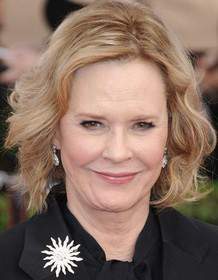
Hattie Dorset (JoBeth Williams)
Played by JoBeth Williams
Sybil's mother, whose abusive behavior shapes the trauma at the core of the story. Her character embodies the cruelties that fragmented Sybil's sense of self and safety. The film links maternal abuse to the development of multiple personalities.
- 💔 Abuse
- 👩👧 Family
- WD
Willard Dorset (Brian Downey)
Played by Brian Downey
Sybil's father, who refuses to acknowledge the mother's abuse, creating a brittle family dynamic. His denial and detachment contribute to the environment in which trauma festered. He serves as a counterpoint to the therapist's efforts to uncover the truth.
- 👨👩👧 Family
- 🧠 Psychology
- DA
Dr. Atcheson (Ron White)
Played by Ron White
A colleague who questions the therapist's influence over Sybil and the integrity of the treatment. He represents institutional skepticism and ethical debate surrounding hypnosis and memory retrieval. His perspective highlights the professional tension in psychiatric practice.
- 🏥 Psychiatry
- 🧠 Psychology
Where and When Is Sybil Set?
Sybil is set in Columbia University and Dr. Wilbur's lakeside home. Here is why the place matters to the story.
Where
Columbia University, Dr. Wilbur's lakeside home
The story unfolds primarily within Columbia University's clinical environment, where Sybil's case is explored through therapy and assessment. Scenes shift to Dr. Wilbur's lakeside home, blending institutional examination with private, domestic space. The juxtaposition of classroom, clinic, and home reflects the film's focus on memory, trauma, and the boundaries of healing.
- 🎓 Academic setting
- 🧠 Psychology
- 🏡 Domestic space
What Are the Themes of Sybil?
3 ideas the story keeps returning to, among them Identity, Memory and Therapy Ethics.
-
01
Identity
Sybil's mind fractures into sixteen distinct identities that vary in age and personality. The therapy tracks how each persona helps cope with trauma, while complicating the process of understanding the whole person. Victoria, the French persona, acts as a guide to navigate the split self. The film uses this fragmentation to examine the nature of identity and memory under extreme distress.
-
02
Memory
Memories surface only in fragments through blackouts, revealing a history of abuse at the hands of Sybil's mother. The story raises questions about the reliability and reconstruction of memory under therapy. Hypnosis becomes a mechanism for accessing the past, but also a site of ethical tension and potential manipulation. Trauma's memory is shown as a dynamic, painful process rather than a simple timeline.
-
03
Therapy Ethics
Dr. Wilbur's use of hypnosis and boundary-pushing methods raises questions about consent and professional responsibility. The doctor-patient dynamic becomes a battleground over who controls Sybil's narrative and what healing truly means. The film challenges the idea that therapy should reshape a patient's memories, suggesting that honoring the patient's own voice may be more important than forcing unity.
What Kind of Film Is Sybil?
Dark in tone, with slow pacing and a moderate story, going by the plot summary.
- Tone
- Dark
- Pacing
- Slow
- Story
- Moderate
- Intensity
- High
- Ending
- Happy
A deeply unsettling and psychologically intense drama that immerses the viewer in the harrowing process of uncovering and confronting severe childhood trauma, culminating in a cathartic but emotionally draining journey toward healing.
- disturbing
- somber
- cathartic
- anxious
- therapeutic
- tragic
- mental illness
- therapy and recovery
- childhood trauma
- multiple personality disorder
Content notes: child abuse, sexual abuse, emotional abuse, mental illness, trauma.