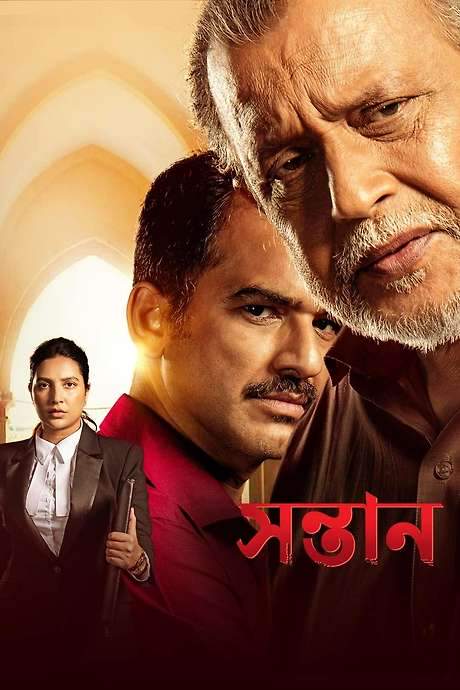
Shontaan 2024
Directed by

Raj Chakraborty
Made by

SVF Entertainment
Where to Watch Shontaan
See current US streaming, rental, and purchase options for Shontaan (2024) via JustWatch.

Streaming availability powered by 
Shontaan Plot Summary
Read the complete plot summary and ending explained for Shontaan (2024). From turning points to emotional moments, uncover what really happened and why it matters.
The film provides a poignant exploration of the challenging and often painful dynamics between an aging couple and their son, highlighting themes of neglect, familial duty, and emotional conflict. At the heart of the story is Saradindu Bose, played by Mithun Chakraborty, an elderly man worn down by the hardships of life. He shares his modest home with his wife, Mala, portrayed by Anashua Majumdar, who suffers from severe arthritis, adding to their hardships. Their son, Indranil—a self-centered man employed at a multinational company—is depicted as indifferent and primarily concerned with his own luxury and comfort. Living a lavish lifestyle in the city—driving a Mercedes, holidaying abroad, and partying with colleagues—Indranil remains emotionally distant from his aging parents, showing little concern for their needs or suffering.
The narrative unfolds as Saradindu approaches his son requesting financial support for Mala’s urgent knee surgery, which is critical given her worsening health. However, Indranil, dismissive and callous, not only refuses to help but also publicly humiliates his father, stating that he has other more pressing financial obligations and cannot provide the money. This rejection deeply wounds Saradindu, prompting him to take a brave step—filing a legal case against his son. The lawsuit accuses Indranil of neglect and ill treatment of his elderly parents, emphasizing the core conflict of the film: the breakdown of filial responsibility and moral obligation in modern relationships.
Indrani—a character fighting for justice and compassion for Saradindu—helps him in the court against Indranil, whose lawyer is Bikash Munsi. As the courtroom scenes unfold, the emotional tension escalates, revealing the heartbreak of a family torn apart by indifference. Meanwhile, Mala, caught between her moral duties as a mother and her love for her son, faces her own dilemma. Despite her suffering and the injustice faced, she requests Indranil to withdraw the case against him, driven by her maternal instincts and the hope that her son can learn from his mistakes. This decision stems from her deep love and the societal pressure to maintain familial harmony, even at the expense of her own suffering.
The story’s emotional depth is heightened as Mala’s health deteriorates further, and she tragically passes away, leaving a void in the family. Her death marks a turning point in the narrative. Indranil, overwhelmed with remorse and regret, begins to realize the severity of his neglect and the pain he caused his parents. The film culminates with Saradindu forgiving his son—a gesture of universal parental love and hope for redemption—fulfilling a promise he made to Mala before her passing. This ending emphasizes the importance of empathy, respect for elders, and the power of forgiveness, reminding viewers of the essential values of family bonds even amidst failure and mistakes.
Throughout the film, the viewers are invited to contemplate the contrasting choices—indifference versus love, neglect versus compassion—and the profound impact these decisions have on families. The narrative vividly captures the emotional turmoil faced by those who are often forgotten or ignored, encouraging reflection on our own responsibilities toward aging parents and the moral fabric of family life. This poignant story, textured with moments of sorrow, hope, and reconciliation, serves as a timeless reminder of the importance of caring for and respecting those who once nurtured us.
Shontaan Timeline
Follow the complete movie timeline of Shontaan (2024) with every major event in chronological order. Great for understanding complex plots and story progression.
Introduction to the family struggles
The film begins by showcasing the difficult circumstances of Saradindu, an old and tired man, living with his wife Mala who suffers from severe arthritis. Their son Indranil lives a luxurious life abroad, neglecting his aging parents and their needs. The scene sets up the emotional and physical hardships faced by the parents daily.
Mala's declining health
Mala's health deteriorates significantly, prompting Saradindu to seek financial help from Indranil for her knee surgery. Despite her suffering, Mala's condition worsens, intensifying the family's urgent need for assistance. Saradindu's plea highlights the growing tension between parental care and neglect.
Request for financial help denied
Saradindu approaches Indranil for money to fund Mala's surgery, but his son humiliates him and refuses to help, citing other expenses. Indranil prioritizes his luxurious lifestyle over his parents' health, showcasing his self-centered attitude. This rejection marks a turning point in their relationship.
Legal action against Indranil
In response to the neglect, Saradindu files a case against his son in court, accusing him of mistreatment and abandonment. The courtroom becomes the setting where the emotional conflict between the generations unfolds, as Saradindu seeks justice for his and Mala's suffering.
Mala's moral dilemma
Mala faces a moral dilemma when she asks her husband to withdraw the case, feeling torn between her love for her son and her duties as a mother. Despite her own suffering, she pleads for reconciliation, reflecting her compassion and internal conflict.
Saradindu's insistence on justice
Saradindu remains firm in his decision to pursue justice, believing it is necessary to teach his son a lesson about respecting his parents. This decision causes emotional strain within the family and highlights the generational gap in values.
Mala's passing
Mala's health worsens as the emotional turmoil takes a toll on her, leading to her untimely death. Her passing leaves a profound impact on both the family and the audience, emphasizing the tragic consequences of neglect and emotional estrangement.
Realization and remorse
After Mala's death, Indranil begins to reflect on his mistakes and recognizes the importance of family and filial duty. His remorse signals a potential change in his attitude and understanding of his responsibilities.
Father's forgiveness
Saradindu forgives Indranil, fulfilling his promise to his late wife to forgive his son. This act of forgiveness symbolizes hope for reconciliation and a correction of past wrongs, despite the pain endured.
Reflective closure
The film concludes with a reflection on family, love, and moral values, illustrating the emotional journey from neglect to understanding. The story leaves viewers contemplating the importance of filial responsibility and compassion.
Shontaan Characters
Explore all characters from Shontaan (2024). Get detailed profiles with their roles, arcs, and key relationships explained.
Saradindu Bose (Mithun Chakraborty)
An elderly, weary man suffering from life's hardships and emotional pain caused by his son's neglect. He embodies filial duty and resilience amidst personal suffering, seeking justice and recognition of his dignity.
Mala Bose (Anashua Majumdar)
Saradindu’s wife, suffering from severe arthritis, torn between her moral values and her love for her family. She embodies maternal sacrifice and moral dilemmas, choosing family unity over principles in her final moments.
Indranil 'Babui' Bose (Ritwick Chakraborty)
The self-centered son, successful in his career and living a luxurious life but neglects his aging parents. His journey from selfishness to understanding underscores the importance of family responsibility.
Riya Bose (Ahona Dutta)
Indranil’s wife, who is caught between her husband's actions and her own moral compass. She influences family decisions and reflects modern perspectives on family dynamics.
Shontaan Settings
Learn where and when Shontaan (2024) takes place. Explore the film’s settings, era, and how they shape the narrative.
Time period
Contemporary
The events occur in the present day, reflecting modern societal issues such as neglect of elderly parents, family responsibilities, and the urban lifestyle. The depiction of court proceedings and medical treatments aligns with current times.
Location
Kolkata, India
The film is set in Kolkata, a bustling city known for its rich cultural heritage, theaters, and intellectual scene. It provides a realistic backdrop, highlighting the contrast between urban luxury and traditional familial values.
Shontaan Themes
Discover the main themes in Shontaan (2024). Analyze the deeper meanings, emotional layers, and social commentary behind the film.
❤️
Family
The core theme revolves around familial bonds, obligations, and the emotional struggles between parents and children. It explores the moral dilemma faced by Mala and Saradindu concerning their son, highlighting the importance of respect and care within a family.
⚖️
Justice
Legal conflicts and courtroom drama form a significant part of the story, emphasizing the pursuit of justice for the neglected elders. The case becomes a platform to critique societal attitudes toward senior citizens and parental respect.
💔
Neglect & Forgiveness
The film exposes the emotional toll of neglect on the elderly and the potential for redemption through forgiveness. Mala’s decision to forgive her son symbolizes hope, peace, and reconciliation in strained family ties.

Coming soon on iOS and Android
The Plot Explained Mobile App
From blockbusters to hidden gems — dive into movie stories anytime, anywhere. Save your favorites, discover plots faster, and never miss a twist again.
Sign up to be the first to know when we launch. Your email stays private — always.
Explore the mobile appShontaan Spoiler-Free Summary
Discover the spoiler-free summary of Shontaan (2024). Get a concise overview without any spoilers.
In a modest home that feels both a sanctuary and a quiet battlefield, an aging couple endures the slow grind of daily hardship. Their world is one of humble routines, marked by the soft creak of wooden floors and the gentle hum of a city that seems to move faster the farther away it gets. The ambience carries a subdued melancholy, tinged with moments of resilient hope, as the characters navigate the fragile balance between dependence and dignity.
Saradindu Bose, a weather‑worn father, bears the weight of a lifetime of sacrifice. His devotion is palpable, even as the years have etched lines of fatigue across his face. Beside him, Mala—his wife—grapples with severe arthritis, each movement a reminder of the body’s betrayals. Their son, Indranil, lives a starkly different existence: a polished professional navigating the glossy corridors of a multinational firm, his days punctuated by luxury, travel, and social gatherings that seem worlds apart from his parents’ modest reality.
When Saradindu musters the courage to ask for assistance with Mala’s urgent medical need, the request meets an unexpected wall of indifference. The ensuing tension pushes the father toward a path rarely taken by those of his generation—a legal challenge that brings the private strain of family life into the public eye. Here, the courtroom becomes a stage where moral duty and personal grievance clash, aided by the determined advocacy of Indrani, a figure who embodies compassion, while Bikash Munsi, the opposing counsel, brings the sharp edge of legal rigor.
The film’s tone hovers between stark realism and tender introspection, inviting viewers to contemplate the uneasy intersections of love, responsibility, and generational divide. It paints a portrait of a family on the brink of transformation, where every silent glance and unspoken word carries the weight of possible redemption, leaving the audience to wonder how far the ties of blood and duty will stretch when confronted with the stark choices of modern life.
Featured on this page

What's After the Movie?
Not sure whether to stay after the credits? Find out!
Check out our other apps:

SAT Sphere
Build confidence for the Digital SAT.

Mori Atlas
Discover wild places worth protecting.

Luntero
Search smarter for a home in Amsterdam.

Plot Explained
Unravel movie endings and hidden clues.

Pokechamp
Dive into Pokémon data and battle logic.

Driving Theory
Get ready for your European theory test.

Movie Dust
Plan your next cinema trip with ease.

Musemap
Find art and culture as you travel.

Selkobase
Compare credentials before committing.

Local Manual
Turn an unfamiliar country into practical next steps.

Lernavi
Compare school systems before your next move.

GymRoam
Find a workout stop wherever your plans take you.
Explore Our Movie Platform
New Movie Releases (2026)
Famous Movie Actors
Top Film Production Studios
Movie Plot Summaries & Endings
Major Movie Awards & Winners
Best Concert Films & Music Documentaries
Movie Collections and Curated Lists
© 2026 What's After the Movie. All rights reserved.
Privacy Policy