What Is She Wouldn’t Say Yes About?
The premise of She Wouldn’t Say Yes in 321 words, with nothing given away. The full story follows below.
Dr. Susan Lane is a psychiatrist who prides herself on being a model of self-control, viewing the world through a lens of professional detachment and psychological precision. Having recently finished a stint aiding war veterans, she prepares to return to Chicago, carrying with her a firm belief in the importance of regulating one’s impulses. However, a conversation with a seasoned colleague suggests that her composed exterior might be masking a deeper, unresolved conflict, hinting that the doctor’s own mind might not be as orderly as she assumes.
Her carefully structured journey is upended when a whimsical twist of fate intervenes during her travel. Through a chaotic mix-up at the station, she finds herself sharing a railway compartment with Michael Kent, an irreverent officer and the creative mind behind a popular comic strip. Kent is everything Lane is not: impulsive, charming, and guided by a philosophy that encourages acting on the spur of the moment. As their paths cross amidst the rhythm of the rails, the stage is set for a collision between two diametrically opposed worldviews.
The confined space of the train car becomes a battleground of wits, where Lane’s clinical reserve meets Kent’s relentless spontaneity. While she attempts to maintain the boundaries of her orderly existence, his persistent charm and provocative humor begin to probe her defenses. Their banter oscillates between sharp wit and reluctant fascination, testing the limits of her resolve and raising questions about what happens when a person who represses every desire encounters someone who refuses to do so.
Framed with a light, observational touch, the film explores the tension between the safety of restraint and the allure of the unknown. As the journey progresses, the dynamic between the two deepens into a high-stakes game of push and pull. The story invites the audience to consider whether the chaotic “Nixie” of Kent’s imagination can successfully invade the mind of a woman determined to lock every emotional door.
What Happens in She Wouldn’t Say Yes?
The complete story of She Wouldn’t Say Yes, from the first scene to the last, in 514 words (about 2 minutes). Spoilers throughout. Names in the text link to 1 cast member page.
Spoilers ahead
Dr. Susan Lane [Rosalind Russell] is a psychiatrist who is about to leave a military hospital after spending two weeks working with patients. As she prepares to depart, she encounters a patient absorbed in a comic strip featuring a whimsical figure called the Nixie, who nudges people to act on their impulses by whispering in their ear. The scene sets up a central tension: Lane argues that acting on every impulse isn’t wise, while the Nixie hints at a darker pull beneath the surface. A seasoned colleague, Colonel Brady, weighs in with a pointed observation: Lane’s confident facade as a professional may rest on some unresolved problem she has repressed, hinting at her inner conflicts that drive much of the drama to come.
Later, at Grand Central Station, Lane collects her train ticket and is bumped by a fellow traveler who apologizes in a rush of everyday chaos. This chance encounter introduces the film’s other lead, the comic writer Michael Kent, portrayed by Lee Bowman, whose presence will soon intertwine with Lane’s orderly world. The impulse-driven mischief of the Nixie resurfaces unintentionally when a clerk, moved by a moment of whimsy, switches Kent’s ticket so that he ends up in the same railway compartment as Lane. What begins as a minor mix-up quickly fragments Lane’s carefully organized routine and sets the stage for a clash of personalities that is both comic and revealing.
On the train, Lane and Kent cross paths again, this time in a social setting at the bar, where their banter oscillates between irritation and reluctant curiosity. The days aboard the carriage reveal a growing chemistry tempered by friction: Kent’s irreverent charm constantly probes Lane’s guarded professionalism, while Lane’s methodical approach to life is challenged by Kent’s impulsive spontaneity. The exchange between them evolves from sharp wit to a more intimate reckoning with what each one wants, and what they are willing to risk for a relationship that starts as a volatile game of push and pull.
As the journey progresses, the dynamic between the two deepens in unexpected ways. Kent’s persistent provocations—crafted with that signature blend of humor and audacity—culminate in a bold gambit: he tricks Lane into marrying him. The surprising turn of events forces Lane to navigate the precarious balance between medical restraint and personal longing, all while considering what it means to surrender control and embrace a new, uncertain path. The story remains focused on the tension between impulse and restraint, the tension between a clinician who seeks to regulate emotions and a writer who lives by taking chances, and how two very different temperaments intersect in a way that reshapes both of their lives.
Throughout, the film maintains a cool, observational tone, letting the quirks of its characters—and the subtle shifts in their relationship—unfold with quiet humor and a touch of candor. The evolving relationship between Dr. Lane and Michael Kent is framed not just as romance, but as a study in how people confront their own impulses, repressed fears, and the choices that arise when two very different worldviews collide aboard a single, transformative journey.
She Wouldn’t Say Yes Timeline: Every Key Event in Order
12 key events in the order they happen, from “Lane finishes two-week stint at military hospital” to “Lane confronts impulse vs. control”. 11 events name a place, across 6 locations.
- 1
Lane finishes two-week stint at military hospital
Dr. Lane completes a two-week stint working with patients at a military hospital and readies herself for departure. She has spent long hours supervising care and confronting the emotional toll of her work. The exit from the facility marks the start of encounters shaped by chance rather than procedure.
Where:Military hospital
- 2
Nixie-tinged impulse discussion with a patient
A patient reads Michael Kent's comic strip featuring the Nixie and talks about acting on impulses. Dr. Lane cautions him that giving in to every impulse is not wise or prudent. The scene introduces the central tension between impulse and restraint that threads through the story.
Where:Military hospital
- 3
Brady hints at a repressed issue behind Lane’s confidence
Colonel Brady confronts Lane and suggests that her professional confidence may stem from a buried problem. He implies that something she hides controls her behavior. The remark deepens Lane's internal conflict and foreshadows future developments.
Where:Military hospital
- 4
Lane leaves the hospital into civilian life
After the two-week period, Lane steps out of the hospital into the bustling outside world. She faces ordinary life with a sense that chance encounters may disrupt her carefully ordered perspective. This departure sets the stage for unusual crossings with Michael Kent.
Where:Outside the military hospital
- 5
Grand Central Station ticket clash and knockdown
At Grand Central Station, Lane is knocked down by another passenger who offers a half-hearted apology. The incident interrupts her departure and injects a hint of chaos into her day. She gathers herself and continues toward her ride.
Where:Grand Central Station
- 6
Michael Kent revealed as the accident-participant
The man who collides with Lane is revealed to be Michael Kent, a comic writer. He also collects his own ticket after the incident, and their paths begin to cross in a charged, uneasy manner. The chance meeting seeds an ongoing tension between them during the journey.
Where:Grand Central Station
- 7
Ticket switch by the impulse-driven clerk
A clerk, influenced by the Nixie-associated impulse motif, switches Kent’s ticket so it sits in the same compartment as Lane’s. This impulsive act binds their travel fates together from the outset. The small manipulation has outsized consequences for their relationship.
Where:Grand Central Station
- 8
First train-bar encounter and sparks
On the train, Lane and Kent meet again, this time at the bar, and their exchange is sharp and tense. Kent pushes Lane’s buttons, testing her composure and boundaries. The journey becomes a crucible for their volatile dynamic.
Where:Train bar
- 9
Days of tense travel on the train
As the days pass on the journey, their encounters intensify and the friction between them grows. Lane struggles to maintain control while Kent’s persistence challenges her restraint. The carriage becomes a microcosm of clashing personalities and appetites.
Where:On board train
- 10
Kent tricks Lane into marriage
In a bold and unsettling move, Kent tricks Lane into marrying him, sharply escalating the stakes of their relationship. The maneuver exposes Lane’s vulnerabilities and tests her ability to push back against manipulation. What began as a volatile encounter takes a drastic turn toward commitment.
Where:On board train
- 11
Nixie motif embodies impulsive influence
The Nixie, a figure from Kent’s comic, symbolizes the impulse that drives characters to act without thinking. This motif threads through the story, linking events from the hospital to the train journey. Its presence underscores how whimsy and impulse shape crucial decisions.
- 12
Lane confronts impulse vs. control
Lane wrestles with the tension between professional restraint and personal impulse. Brady’s earlier hint looms in her thoughts as she faces Kent’s mounting manipulation. The marriage scheme tests her sense of agency and self-definition.
Where:Train carriage
Who Are the Main Characters in She Wouldn’t Say Yes?
4 characters, among them Dr. Susan A. Lane, Michael Kent and Doctor Lane: who each one is and the part they play in the story. Every profile links to the actor’s page.
- DS
Dr. Susan A. Lane
Played by Rosalind Russell
A psychiatrist exiting a two-week stint at a military hospital, she carries visible confidence but conceals a deeper insecurity about her professional identity. Her banter with Michael Kent pushes her out of her comfort zone and into a morally ambiguous situation. She embodies the tension between clinical restraint and personal vulnerability that drives the plot.
- 🧠 Psychiatrist
- 💼 Professional
- 💭 Insecure
-
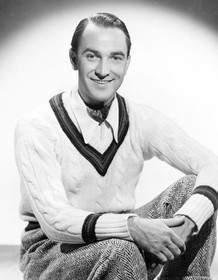
Michael Kent
Played by Lee Bowman
A comic writer whose impulsive charm and quick wit contrast with Dr. Lane’s measured demeanor. He orchestrates the ticket switch and uses humor to probe the boundaries of love, testing whether romance can grow from manipulation or must arise from sincerity. He acts as a catalyst for the relationship’s unpredictable dynamics.
- 🖋 Writer
- 🎭 Charmer
- 💬 Witty
-
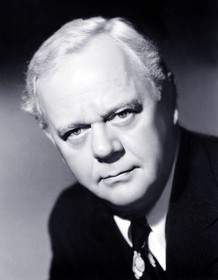
Doctor Lane
Played by Charles Winninger
A senior physician at the military hospital who serves as a practical, perhaps skeptical, counterpart to Dr. Lane. He suggests that her confidence stems from suppressed issues, highlighting the professional world’s demand for composure under pressure.
- 👨⚕️ Doctor
- 🧭 Mentor
- 🏥 Hospital
- CB
Colonel Brady
Played by Lewis L. Russell
An authoritative figure who embodies institutional expectations and challenges Dr. Lane’s self-assurance. He frames the professional versus personal conflict by probing the roots of her confidence and pushing her toward introspection.
- 🎖️ Authority
- 🏛 Institutional
- 🗣 Interrogator
Where and When Is She Wouldn’t Say Yes Set?
She Wouldn’t Say Yes is set in Grand Central Station and Military hospital (1940s). Here is why the time and place matter to the story.
When
1940s
The action takes place in the World War II era, a time when military medicine and long-distance train travel shaped daily life. The social norms surrounding courtship and marriage are tied to mid-century sensibilities, adding a layer of propriety to impulsive decisions. The train compartment becomes a liminal space where professional lives collide with personal desires.
Where
Grand Central Station, Military hospital
The story unfolds across a bustling New York transit hub—Grand Central Station—where a chance collision triggers the romance. A military hospital setting appears as Dr. Lane completes a brief assignment, framing her professional world with discipline and care. Much of the narrative moves between the station, the hospital, and the moving train, using these spaces to stage witty banter and escalating attraction.
- 🚉 Grand Central Station
- 🏥 Military hospital
- 🚆 Train environment
What Are the Themes of She Wouldn’t Say Yes?
2 ideas the story keeps returning to, among them Impulse vs Restraint and Romance & Manipulation.
-
01
Impulse vs Restraint
The Nixie character embodies impulsive urges that challenge Dr. Lane’s disciplined approach to her work. Michael Kent uses charm and misdirection to nudge the situation toward a quick, emotions-driven outcome. The film explores whether restraint yields wiser choices than spontaneous acts, often through comic misadventure. The resolution tests whether professional boundaries can survive a romance sparked by chance.
-
02
Romance & Manipulation
A playful deception—marriage as a game—drives the plot and tests genuine feelings. The close-quarters setup on the train accelerates chemistry while revealing uncertainty about true intentions. The story treats romance as both a social performance and a personal truth, showing how affection can emerge from manipulation. In the end, love must survive the tension between jest and sincerity.
What Kind of Film Is She Wouldn’t Say Yes?
Light in tone, with fast pacing and a straightforward story, going by the plot summary.
- Tone
- Light
- Pacing
- Fast
- Story
- Straightforward
- Intensity
- Medium
- Ending
- Happy
A fast-paced, whimsical romantic comedy filled with playful antagonism and madcap misadventures, driven by the clash between psychiatric control and spontaneous impulse.
- whimsical
- playful
- madcap
- romantic
- impulsive
- mischievous
- opposites attract
- psychiatry vs impulse
- romantic pursuit
- train travel
Content notes: suicide attempt.
Quiz
How well do you remember She Wouldn’t Say Yes? Test yourself on the story.