
She Was an Acrobat’s Daughter 1937

Made by
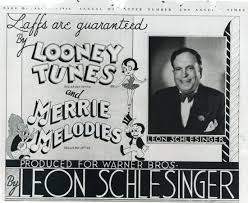
Leon Schlesinger Productions
She Was an Acrobat’s Daughter Plot Summary
Read the complete plot summary and ending explained for She Was an Acrobat’s Daughter (1937). From turning points to emotional moments, uncover what really happened and why it matters.
The story unfolds primarily within the lively and often chaotic environment of a local movie theater, which is humorously depicted through a series of satirical signs and advertisements. The marquee boldly promotes a double feature titled “36 Hours to Kill with His Brother’s Wife,” both films dating back to 1936, suggesting a nostalgic or parodying tone. Alongside this, a sign for the midnight show advertises a total of 15 features for just 15 cents, humorously including “rejected shorts”, hinting at the low-budget or comedic nature of the show.
Once inside, the audience comprises a variety of cartoon animals, creating a whimsical but lively scene. The members of this audience are quite restless, frequently standing up and changing seats, resulting in a comically exaggerated display of constant repositioning as each tries to find the best viewing spot.
The movie begins with a parody newsreel titled “Goofy-Tone News,” produced as a clever spoof of actual industry staples like Warner Bros. and Movietone News. The host, a character named Dole Promise (leads to a humorous struggle with memory, as the character forgets his own name), reports on exaggerated events such as the United States engaging in a shipbuilding race and constructing an enormous ocean liner so vast that it appears to cover part of the Atlantic Ocean, yet its actual movement is minimal. This segment continues with humorous interviews, including one with an insect called Long-Lost Oscar, voiced in a high-pitched tone, expressing his preference for remaining lost.
Throughout the newsreel, the focus shifts to the theater audience through a series of comedic moments: a latecomer tries to find a seat but faces strange viewing angles; a hippo has to leave his seat, politely squeezing past others, which results in a series of minor frustrations among viewers.
The next segment, Nit-Wit News, features Lew Lehr as Who Dehr, delivering a bizarre story from Boondoggle, Missouri. Here, the effects of a mad dog’s bite cause townspeople to behave like dogs—the mayor fighting with a dog over a bone, and a socialite resembling a pampered dog with a butler. The segment reaches its height when Dehr himself gets bitten, adding to the absurdity.
Following the news, the film shows a lively sing-along led by a character called Leopold Stokowski (playing the “fertilizer” — a pun on the Wurlitzer organ), with lyrics displayed on screen. The audience humorously sings about “She Was an Acrobat’s Daughter,” while a comical sign among the lyrics humorously advises, > “please do not spit on the floor.”
The main feature begins with a playful parody of the MGM Leo the Lion logo, replaced by a rooster crowing instead of a roar—this nods to the British Pathé logo. The film being shown is a parody of The Petrified Forest, titled The Petrified Florist, starring Bette Davis as Bette Savis and Leslie Howard as Lester Coward. The story opens with Lester attempting to hitchhike, reading a book, only to be interrupted by a lively donkey audience member who loudly promotes various food items, quickly earning his ejection from the theater.
On screen, Howard’s character reaches a desert inn, attempting to impress a waitress named Davis, played by Bette Davis. When he tries to recite poetry, he mangles the well-known nursery rhyme “Mary Had a Little Lamb,” much to the audience’s amusement. Meanwhile, in the theater, a young goose and his father are seated together. The baby goose incessantly asks questions — about the movie, water, or wanting to see a cartoon — which annoy the other viewers. When the father protests, he gets punched in the face. The persistent child then sneaks into the projection room, where he begins to toy with the movie projector.
This reckless act causes chaos: the film speeds up, making the characters speak too rapidly, then rewinds, reversing their interaction. Realizing the trouble, the little goose gets caught in the machinery, ending with a frantic struggle as reels spill around him, and he furiously attempts to free himself while garbled film dialogue blares in the background.
Overall, the movie is a wild combination of parody, slapstick humor, and satirical commentary on entertainment, combining animated caricatures and live-action parody elements to create a distinctive comedic experience. The blend of witty visual gags, humorous performances, and playful critique of the movie industry offers a long-lasting, entertaining, and uniquely satirical look at cinema and its surrounding culture.
She Was an Acrobat’s Daughter Timeline
Follow the complete movie timeline of She Was an Acrobat’s Daughter (1937) with every major event in chronological order. Great for understanding complex plots and story progression.
Movie Theater Introduction
The story begins inside a local movie theater, showcasing a marquee advertising a double feature of films from 1936. The theater sign also promotes a midnight show and highlights the affordable ticket price of 15 cents for 15 features. The audience, which includes cartoon animals, takes their seats, beginning the movie-going experience with some audiences changing seats repeatedly, setting a lively and unpredictable tone.
Start of Newsreel - Goofy-Tone News
The film opens with a parody newsreel called 'Goofy-Tone News' produced by a fictional company parodying Warner Bros. The newsreel covers exaggerated stories, such as the US shipbuilding race and a new huge ocean liner, along with humorous visuals like the ship covering part of the Atlantic Ocean. The presenter 'Dole Promise' struggles to recall his own name, adding to the comedic tone.
News Item - Ships and London
A humorous news segment reports that the United States has built the longest ocean liner, capable of minimal movement between London and New York City, emphasizing the parody aspect. This segment demonstrates the exaggerated and satirical style of the newsreel, blending absurdity with fictional achievements.
News Item - Heddie Camphor Interviews Little Oscar
Heddie Camphor interviews Little Oscar, an insect, who expresses a desire to stay lost forever. The segment humorously showcases the interview's playful absurdity, with Oscar speaking in a high-pitched voice as he's translated for the audience, fitting the comedic tone of the film.
Audience Observations and Seat Shuffling
The audience is shown trying to settle in, with a late arrival struggling to find a proper seat, only to find his view obstructed at every turn. Meanwhile, a hippo leaves his seat, pressing through the crowd while asking for pardon, highlighting the chaotic and humorous atmosphere in the theater.
Nit-Wit News - Town of Boondoggle
Another parody newsreel, Nit-Wit News, reports on the effects of a mad dog's bite in Boondoggle, Missouri. The townspeople behave like dogs, and the mayor fights a real dog over a bone. Mrs. Ben Astorville, a socialite, is depicted as a pampered dog, further emphasizing the humorous and exaggerated style of the segment.
News Segment Conclusion
The newsreels conclude with the reporter being bitten by an affected townsperson, providing a humorous ending to the parody news segments. In the theater, the audience reacts with some amusement and continued engagement as the stories unfold.
Sing-Along Segment
The host, Leopold Stokowski, leads a sing-along featuring the song 'She Was an Acrobat's Daughter.' Lyrics appear on screen alongside illustrations, encouraging the audience to sing together. A humorous sign among the lyrics adds a gag about spitting on the floor, blending entertainment with comedy.
Main Feature Begins - Parody Logo
The main film starts with a parody of the MGM Leo the Lion logo, featuring a rooster that crows instead of roaring, as a nod to British Pathé. This playful intro sets the tone for the parody film, blending familiar motifs with humorous twists.
The Petrified Florist Movie
The parody feature 'The Petrified Florist' begins, starring characters that parody classic film archetypes like Bette Davis and Leslie Howard. The film features long, humorous credits with exaggerated character roles and a storyline involving hitchhiking and encounters at a desert inn.
Donkey Audience Member Ads
During the film, a donkey audience member starts loudly advertising food items, disrupting the scene and causing the audience to remove him. This gag adds to the chaotic, comedic atmosphere of the projection context.
Howard and Davis in the Desert Inn
In the parody film, Howard and Davis characters arrive at a desert inn where Howard attempts to recite 'Mary Had a Little Lamb,' but his delivery is mangled, adding to the humorous parody and absurdity of the film.
Baby Goose Disrupts Movie
An unruly baby goose seated next to its father causes disturbances by asking questions and demanding water, annoying other viewers. When the father protests, he is punched, culminating in a chaotic scene that reflects the film's slapstick comedy.
Projector Mischief - Child Hands-On
A baby goose's father leaves to tend to the disruptive child, who stumbles upon the movie projector. The child speeds up and rewinds the film, causing the characters to speak too fast or in reverse, resulting in comic chaos on screen.
Climax - Chaotic Film Ending
The film ends with the child trapped inside the projector, entangled in film reels and emitting garbled speech as the reels spool around him. The chaotic ending underscores the film’s humor and chaos, tying together the parody and slapstick elements.
She Was an Acrobat’s Daughter Characters
Explore all characters from She Was an Acrobat’s Daughter (1937). Get detailed profiles with their roles, arcs, and key relationships explained.
Bette Savis / Little Oscar / Barking Woman / Duckling (voice)
Voiced by Sara Berner, this character is a multi-faceted voice-alter ego who represents comedic and chaotic elements within the theater setting. Her roles suggest a lively, unpredictable personality characteristic of the film's satirical tone.
Dole Promise / Hippo / Who Dehr / Stickoutski (voice)
Voiced by Mel Blanc, this character is a humorous parody of newsreel presenters and a diverse cast of voices. The hippo's presence adds to the absurdity and slapstick comedy woven throughout the movie.
Lester Coward
Voiced by Dave Barry, Lester Coward is a film character depicted as attempting to find transportation, often caught in comedic situations. His role emphasizes themes of desperation and comic ineptitude.
She Was an Acrobat’s Daughter Settings
Learn where and when She Was an Acrobat’s Daughter (1937) takes place. Explore the film’s settings, era, and how they shape the narrative.
Time period
1936
The movie is set during the 1930s, a period marked by the Great Depression and significant developments in film and entertainment technology. The era's style is reflected in the film's parodies and references, capturing the cultural and industrial atmosphere of the time.
Location
Local movie theater
The story takes place in a vintage cinema that shows a variety of films and newsreels. The theater setting evokes nostalgia for classic movie-going experiences, complete with a marquee and audience of animated characters. It serves as a lively backdrop for various comedic scenes and parodies.
She Was an Acrobat’s Daughter Themes
Discover the main themes in She Was an Acrobat’s Daughter (1937). Analyze the deeper meanings, emotional layers, and social commentary behind the film.
🎭
Entertainment
The film satirizes the movie industry and the culture of Hollywood, parodying film titles and actors. It highlights the amusement and escapism that movies provided during the 1930s, often with a humorous, self-referential tone.
🐶
Chaos
Chaos ensues within the theater through constant audience movement, a disruptive donkey, and an unintentional film fiasco caused by a baby goose. The film underscores the unpredictability and humor found in live entertainment environments.

Coming soon on iOS and Android
The Plot Explained Mobile App
From blockbusters to hidden gems — dive into movie stories anytime, anywhere. Save your favorites, discover plots faster, and never miss a twist again.
Sign up to be the first to know when we launch. Your email stays private — always.
Explore the mobile appShe Was an Acrobat’s Daughter Spoiler-Free Summary
Discover the spoiler-free summary of She Was an Acrobat’s Daughter (1937). Get a concise overview without any spoilers.
In a dim‑lit neighborhood picture house, the décor is a collage of tongue‑in‑cheek signage—marquees boasting a double‑feature called “36 Hours to Kill with His Brother’s Wife,” and a midnight bill promising fifteen oddball shorts for a dime‑and‑a‑half. The atmosphere feels less like a cinema and more like a living circus of nostalgia, where every poster and program note is a wink at a bygone era while the whole place buzzes with an unap‑formal, almost anarchic charm.
The audience itself is a menagerie of cartoon animals, perpetually shuffling seats as if searching for the perfect view of the screen. Against this lively backdrop, a communal sing‑along erupts, led by the flamboyant conductor Leopold Stokowski on the Mighty Fertilizer organ, prompting patrons to croon the jaunty “She Was an Acrobat’s Daughter” with a cheerful warning not to spit on the floor. Before the main attraction, the house rolls out a pair of parody newsreels: the befuddled Dole Promise hosts the Goofy‑Tone segment, offering absurd headlines about oversized ocean liners and eccentric insects, while Who Dehr (portrayed by Lew Lehr) helms the Nit‑Wit News, delivering bizarre stories from a fictional town where a mad dog’s bite turns residents into literal canines.
When the curtain rises on the feature presentation, the familiar MGM roar is replaced by a crowing rooster, signaling a playful homage to classic Hollywood. The film within the film, titled The Petrified Florist, stars exaggerated caricatures of golden‑age icons: the sharp‑tongued Bette Savis and the droll Lester Coward. Their on‑screen personas lampoon the solemnity of their original counterparts, promising a whimsical blend of desert‑road romance, mistaken poetry, and over‑the‑top theatricality.
Overall, the movie unfolds as a joyous pastiche that revels in slapstick humor, meta‑commentary, and affectionate spoofing of cinema’s grand traditions. Its tone is bright and irreverent, inviting viewers to laugh at the absurdity of both the theater’s chaotic environment and the lovingly ridiculed classics it parodies, all while celebrating the communal magic of an evening spent in a wonderfully wacky movie house.
Movies with Similar Twists and Themes
Uncover films that echo the narrative beats, emotional arcs, or dramatic twists of the one you're exploring. These recommendations are handpicked based on story depth, thematic resonance, and spoiler-worthy moments — perfect for fans who crave more of the same intrigue.
Featured on this page

What's After the Movie?
Not sure whether to stay after the credits? Find out!
Check out our other apps:

SAT Sphere
Build confidence for the Digital SAT.

Mori Atlas
Discover wild places worth protecting.

Luntero
Search smarter for a home in Amsterdam.

Plot Explained
Unravel movie endings and hidden clues.

Pokechamp
Dive into Pokémon data and battle logic.

Driving Theory
Get ready for your European theory test.

Movie Dust
Plan your next cinema trip with ease.

Musemap
Find art and culture as you travel.

Selkobase
Compare credentials before committing.

Local Manual
Turn an unfamiliar country into practical next steps.

Lernavi
Compare school systems before your next move.

GymRoam
Find a workout stop wherever your plans take you.
Explore Our Movie Platform
New Movie Releases (2026)
Famous Movie Actors
Top Film Production Studios
Movie Plot Summaries & Endings
Major Movie Awards & Winners
Best Concert Films & Music Documentaries
Movie Collections and Curated Lists
© 2026 What's After the Movie. All rights reserved.
Privacy Policy