What Is Sh’Chur About?
The premise of Sh’Chur in 288 words, with nothing given away. The full story follows below.
In a cramped development town on Israel’s periphery, a once‑glittering television career collides with a family’s unspoken history. The story opens as the celebrated talk‑show host Cheli receives the sudden news of her father’s death and must journey back to the home she left behind. Accompanying her are her autistic adopted daughter Ruth and her older sister, a fragile presence who has spent years in an institution. The road home becomes a conduit for memory, pulling the present into the shadows of a 1970s childhood marked by cultural clash and hidden practices.
The family’s world is a tapestry of Moroccan‑Jewish tradition, where ordinary life is threaded with the mystic undertones of sh’chur—the folk magic wielded by their mother. Pnina, though burdened by mental illness, carries an uncanny sensitivity to these rituals, hinting at a lineage where the supernatural and the domestic are inseparable. Within the household, expectations and aspirations grind against one another: a devout father, a mother whose hands shape more than meals, and siblings each striving to fit prescribed roles that feel increasingly foreign.
As Cheli navigates the familiar yet estranged streets of her youth, the film unfurls an atmosphere thick with reverence for heritage and the ache of yearning to escape it. The tone balances stark realism with a lingering sense of the uncanny, allowing moments of quiet intensity to sit beside flashes of bitter humor. Through understated dialogue and lingering glances, the movie probes how trauma, faith, and longing can both bind and divide a family.
The narrative lingers on the tension between past and present, inviting viewers to contemplate the weight of inherited belief and the possibility of reconciliation without revealing how the characters will ultimately negotiate the ghosts that follow them home.
What Happens in Sh’Chur?
The complete story of Sh’Chur, from the first scene to the last, in 436 words (about 2 minutes). Spoilers throughout. Names in the text link to 3 cast member pages.
Spoilers ahead
Cheli, a successful Israeli television personality, receives the news that her father has died and must immediately return to her childhood home for the funeral. She prepares for the journey and brings her young daughter Ruth, who is autistic. Along the way, Cheli is forced to pick up her older sister Pnina from the institution where she has resided since young adulthood. As the three women make their way back to the development town of Cheli’s youth, she is overwhelmed by memories of her 1970s childhood.
At 13, Cheli, then Rachel, was an ambitious young girl who chafed at the role assigned to her in her Moroccan immigrant family. The family is dysfunctional and each sibling experiences trouble living up to its expectations. Her mother and older sister Pnina, who is both developmentally disabled and an extremely potent medium, attempt to remedy these problems with sh’chur (traditional magic rituals). Rachel’s brother Avram is on leave from his kibbutz, which threatens to send him to a psychologist for peeing the bed nightly. When her older brother Shlomo spots sister Zohara cavorting with a boyfriend, the family comes to the decision that it is time for her to be married. She is forced to marry her uncle Moshe, who is 20 years her senior. Zohara is distraught, leading her to attempt suicide by drinking kerosine, but she is caught and saved by the family. Meanwhile, Shlomo is pressured by Dede, the brother of his sweetheart Denise, to marry her. Shlomo refuses. Pnina is raped by Dede in revenge and eventually becomes pregnant, while Rachel has a fight with her father and is brutally beaten. A sh’chur ritual performed by their mother causes Pnina to miscarry.
The family assembles for Zohara and Moshe’s wedding. During the party, Pnina becomes upset and a freak storm appears, driving everyone else indoors. Rachel follows Pnina into the storm and berates her, telling her she wishes Pnina would get hit by a car and die. Pnina then flees into heavy traffic, where she causes a crash and is subsequently institutionalized. The rest of the siblings disperse to their original locations, and Rachel is sent off to boarding school. Upon arrival at the boarding school, Rachel abandons her previous identity altogether, introducing herself as “Cheli, from somewhere in Israel”.
In the present, after her father’s funeral, Cheli is seen wearing Pnina’s childhood amulet and telepathically communicating with her daughter Ruth. Pnina remains outside of the institution and lives with their mother, while Cheli has accepted the role of sh’chur in her life and forged a strong bond with her daughter for the first time.
Sh’Chur Timeline: Every Key Event in Order
14 key events in the order they happen, from “Present-day funeral brings Cheli home” to “Present day: Cheli carries Pnina’s amulet and bonds with Ruth”. 14 events name a place, across 10 locations.
- 1
Present-day funeral brings Cheli home
Cheli learns that her father has died and must return to her childhood home for the funeral. She travels with her young daughter Ruth and plans to fetch her sister Pnina from the institution along the way. The journey unsettles her and opens a door to the family's long-suppressed history.
When:Present day Where:Present-day development town; on the road to the family home
- 2
Cheli reaches the institution and begins the return
Cheli completes retrieving Pnina from the institution and the three of them begin the return to Cheli's youth. Ruth watches as the sisters navigate old tensions and renewed loyalties in cramped, uncertain confines. The road trip becomes a fragile test of their bond.
When:Present day Where:On the road to the family home; between the institution and home
- 3
Memories of the 1970s family surface
As they drive, Cheli's mind drifts to her 1970s childhood when she was known as Rachel. She recalls a Moroccan immigrant family dealing with dysfunction and the weight of traditional expectations. The memories hint at the forces that shaped her later life.
When:1970s Where:Family home; 1970s flashback
- 4
Rachel, 13, chafes at the roles set for her
Young Rachel is ambitious and unsettled by the roles assigned to her in a traditional immigrant household. She battles the limits imposed by culture and family while trying to chart her own path. The tension sets the stage for the later family crises.
When:1970s Where:Family home
- 5
Zohara’s betrothal to Moshe is decided
The family decides that Zohara should marry their uncle Moshe, twenty years her senior. Zohara is distraught by the arrangement, but the plan moves forward despite her protests. The marriage is framed as a remedy for the family’s troubles.
When:1970s Where:Family home
- 6
Zohara's suicide attempt and rescue
Zohara attempts suicide by drinking kerosene, a desperate act born of despair and fear. The family intervenes in time, saving her life but exposing the fragility of their bonds. The incident casts a shadow over the upcoming wedding.
When:1970s Where:Zohara's home / family setting
- 7
Shlomo is pressed to marry Denise's brother; he resists
Shlomo is pressured by Dede, Denise's brother, to marry Denise as part of alliance-building. He refuses, resisting the manipulative family dynamics. The tension reveals competing loyalties within the household.
When:1970s Where:Family home
- 8
Pnina is raped by Dede and becomes pregnant
Dede rapes Pnina in revenge, and she becomes pregnant as a result. The assault compounds the trauma within the family and alters the course of Pnina’s life. The event intensifies the already volatile environment.
When:1970s Where:Family home
- 9
Shchur ritual triggers Pnina’s miscarriage
A sh'chur ritual performed by their mother is followed by Pnina miscarrying. The ritual is meant to fix problems but ends in tragedy, highlighting the perilous methods the family uses to cope. The loss deepens the family rift.
When:1970s Where:Family home
- 10
Zohara and Moshe’s wedding and the storm
The family gathers for Zohara and Moshe’s wedding, and tensions simmer beneath the surface. Pnina grows upset, and a freak storm drives the guests indoors for safety. The weather mirrors the chaos inside the household.
When:1970s Where:Wedding venue
Show the other 4 events of Sh’Chur Hide the last 4 events
- 11
Rachel confronts Pnina in the storm
During the storm, Rachel follows Pnina and harshly berates her, even wishing she would be hit by a car. The outburst exposes the depth of Rachel's anger and the unresolved wounds of their past. The moment seals Pnina’s further isolation.
When:1970s Where:Wrecked wedding scene; outdoors
- 12
Pnina crashes in heavy traffic and is institutionalized
Pnina flees into heavy traffic, causing a crash that results in serious consequences. She is subsequently institutionalized, removed from the family turmoil she cannot escape. The incident marks a turning point that disperses the siblings.
When:1970s Where:Roadside / hospital; institutional setting
- 13
Siblings disperse; Rachel goes to boarding school and renovates her identity
After the chaos, the siblings scatter and Rachel is sent to boarding school. There she abandons her old name and identity, choosing to introduce herself as 'Cheli, from somewhere in Israel.' The transformation foreshadows her future career in television and the persona she will become.
When:Late 1970s Where:Boarding school
- 14
Present day: Cheli carries Pnina’s amulet and bonds with Ruth
In the present, Cheli wears Pnina’s childhood amulet and telepathically communicates with her daughter Ruth. The past and present collide as Cheli embraces the role of sh'chur in her own life and forms a stronger bond with Ruth for the first time. The ritual imagery ties the sisters across time.
When:Present day Where:Present-day home
Who Are the Main Characters in Sh’Chur?
10 characters, among them Pnina (Ronit Elkabetz), Rachel (Hanna Azoulay Hasfari) and Young Rachel (Orly Ben-Garti): who each one is and the part they play in the story. 8 of them link to the actor’s page.
-
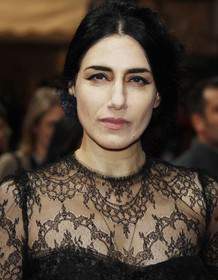
Pnina (Ronit Elkabetz)
Played by Ronit Elkabetz
Pnina is Cheli's older sister, developmentally disabled and a potent medium. The family relies on her sh’chur rituals to address problems, revealing a blend of care and superstition in their coping strategies. Her presence anchors the story's tension between control and vulnerability; the storms of family life culminate in her institutionalization after a traffic incident.
- 🧬 Sibling
- 🔮 Medium
- 🏥 Hospitalization
- R(
Rachel (Hanna Azoulay Hasfari)
Rachel, who becomes Cheli, is a successful Israeli TV personality who must navigate the pull between career and family history. Her past in the 1970s reveals the beginnings of a life shaped by tradition and sacrifice. In the present, she maintains a strong connection to her roots and communicates with her daughter Ruth through symbolic means.
- 🎭 Protagonist
- 🧭 Identity
- 💬 Family ties
- YR
Young Rachel (Orly Ben-Garti)
Played by Orly Ben-Garti
Young Rachel is a bright, ambitious girl who chafes at the traditional expectations imposed by her Moroccan immigrant family. She is forced toward an arranged marriage to her uncle Moshe, illustrating the clash between personal desire and family duty. Her experiences plant the seeds for Cheli’s later sense of self.
- 🧒 Youth
- 🧭 Tradition
- 💔 Rebellion
- M(
Moshe (Albert Iluz)
Played by Albert Iluz
Moshe is the much older uncle chosen as Rachel’s husband, a symbol of arranged marriage and family obligation. His presence embodies the patriarchal pressures that govern the girls’ futures. The dynamic between Moshe and Rachel highlights power imbalances within the family structure.
- 👴 Authority
- 💍 Arranged marriage
- M(
Mother (Gila Almagor)
Played by Gila Almagor
The mother is the central ritual leader, performing sh’chur to address the family’s problems. Her actions reveal both a caring instinct and a reliance on magical practices to manage reality. Her role underscores the maternal influence over daughters’ destinies and the perpetuation of tradition.
- 🧑🍼 Matriarch
- 🌀 Ritualist
- F(
Father (Amos Lavi)
Played by Amos Lavi
The father figures as a disciplinary and protective presence within a tense household. His clashes with his children expose the emotional strain of a family trying to hold together under pressure. His era-borne beliefs contribute to the environment that shapes the daughters’ choices.
- 👨 Authority
- 🛡️ Protector
- S(
Shlomo (Yakov Cohen)
Played by Yakov Cohen
Shlomo is the brother pressured to marry Denise’s brother Dede, illustrating the ongoing influence of arranged marriage within the family. He resists some expectations, signaling moments of resistance to tradition. His role demonstrates the conflicting loyalties among siblings.
- 👦 Brother
- 💬 Rebellion
- Z(
Zohara (Orly Tobaly)
Played by Orly Tobaly
Zohara is the sister who cavorts with a boyfriend, triggering the decision to wed and sparking a chain of family conflicts. She becomes overwhelmed by the pressures placed on her and experiences distress that reverberates through the family's dynamics. Her actions catalyze pivotal moments, including the storm that disrupts the wedding.
- 👧 Sister
- 💔 Despair
- D(
Dede (Eti Adar)
Played by Eti Adar
Dede is Denise’s brother who exerts coercive influence and commits an act of rape against Pnina in revenge, leading to pregnancy. His actions are a catalyst for trauma and institutionalization within the family. He embodies the darker side of the family’s complex power dynamics.
- 🕴️ Predator
- 🔪 Violence
- R
Ruth
Ruth is Cheli’s autistic daughter who accompanies her mother on the journey back to the past. She is a focal point for the mother-daughter bond in the present and a symbol of vulnerability and resilience. Their relationship develops a unique, telepathic connection that provides emotional resonance to the story.
- 🧒 Child
- 🧠 Autism
- 💞 Bond
Where and When Is Sh’Chur Set?
Sh’Chur is set in Israel (1970s; present day). Here is why the time and place matter to the story.
When
1970s; present day
The film alternates between the 1970s, when a young Rachel grows up inside a strict Moroccan-Israeli family, and the present, where Cheli, a successful TV personality, returns home after her father's death. Flashbacks reveal the roots of the family dynamics, including arranged marriage and ritual practices. The present-day portions trace how past events continue to shape relationships and identity across generations.
Where
Israel
The story is set in Israel and centers on a Moroccan immigrant family living in a development town. It moves between a 1970s childhood home and the present-day return for a funeral, highlighting the close-knit, high-pressure family environment. The setting reflects a milieu of immigrant resilience, cultural traditions, and the complexities of assimilation within a working-class community.
- 🇮🇱 Israel
- 🧭 Moroccan immigrant community
- 🏙️ Development town
What Are the Themes of Sh’Chur?
3 ideas the story keeps returning to, among them Tradition, Identity and Trauma.
-
01
Tradition
Sh’chur rituals performed by the mother reveal how tradition channels care as well as control within the family. The rituals become a tool to navigate marriage, pregnancy, and family harmony, even as they mask underlying tensions. The film probes whether ritual-based solutions protect or trap the individuals involved. The stormy, dramatic moments surrounding weddings underscore the volatile power of inherited beliefs.
-
02
Identity
The Moroccan-Israeli family negotiates identity within a society that prizes assimilation yet clings to cultural roots. Siblings embody opposing pulls between duty, desire, and rebellion, illustrating intergenerational shifts in values. Forced marriage and gender expectations highlight gendered constraints placed on women. The narrative tracks how heritage, language, and community shape personal trajectories.
-
03
Trauma
Past traumas ripple through time, from Pnina’s experiences with pregnancy and institutionalization to Zohara’s despair and the violent events surrounding the family’s weddings. The family’s painful memories accumulate, influencing present decisions and relationships. Cheli’s evolving bond with her autistic daughter Ruth becomes a pathway toward healing while echoes of the past persist.
What Kind of Film Is Sh’Chur?
Dark in tone, with variable pacing and a moderate story, going by the plot summary.
- Tone
- Dark
- Pacing
- Variable
- Story
- Moderate
- Intensity
- High
- Ending
- Bittersweet
A dark and emotionally dense family drama that uses flashbacks to portray a traumatic childhood marked by abuse, superstition, and dysfunction, creating a haunting and oppressive atmosphere with a bittersweet undercurrent.
- melancholic
- oppressive
- haunting
- traumatic
- tense
- somber
- family drama
- generational trauma
- cultural identity
- sibling relationships
Content notes: sexual assault, domestic abuse, forced marriage, suicide attempt, mental illness, child abuse.
Quiz
How well do you remember Sh’Chur? Test yourself on the story.