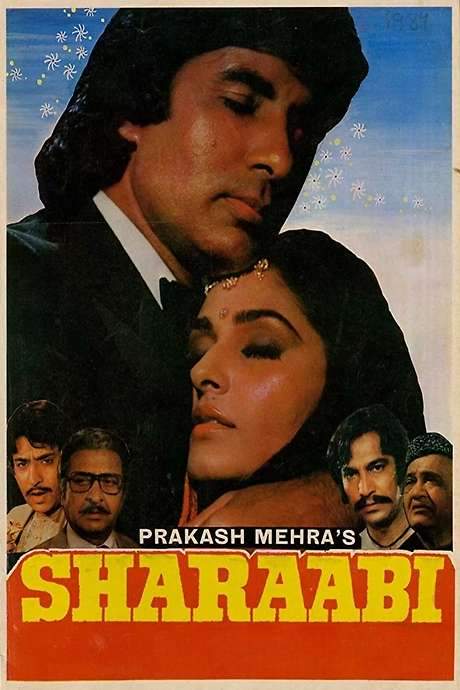



Sharaabi Plot Summary
Read the complete plot summary and ending explained for Sharaabi (1984). From turning points to emotional moments, uncover what really happened and why it matters.
Vicky Kapoor is the sole son of billionaire Ammarnath Kapoor, a man whose business empire keeps him preoccupied and often emotionally distant from his child. This distance nudges Vicky toward self-destructive habits, and he slips into alcoholism from a young age. His loyal caretaker Munshi Phoolchand sticks by him, trying to offer guidance and affection in a world that seems to move too fast. A turning point arrives when Amarnath accuses Munshi of influencing Vicky’s downward spiral, while Munshi counters that Vicky’s issue runs deeper—rooted in a dying wife and a husband who didn’t show up when it mattered most. These tensions set the stage for a quieter, more compassionate evolution: Vicky, despite his flaws, quietly dedicates himself to helping those who have little or nothing, especially an orphan named Anwar who recently lost his mother. Vicky’s generosity persists as he entrusts Anwar’s schooling to a capable principal and to Munshi, effectively laying the foundation for a surprising, lifelong bond that will repay him in ways he cannot yet imagine. As years pass, Anwar grows into a capable police inspector, and Vicky’s secret angelic support remains a guiding force behind the man he becomes.
Meena, Meena, is a professional dancer whose life unfolds on a modest stage far from Vicky’s glittering world. She comes from a humble background, the daughter of a poor man who cannot see the world clearly because of his blindness, a reality that shapes her compassion and resilience. Vicky is drawn to her warmth and strength, and their bond quickly becomes central to the story. Meena’s life, however, is complicated by Natwar, a calculating agent who is more interested in extracting wealth than safeguarding love. Natwar’s greed brushes up against Meena’s ambitions and the small, stubborn pride of her blind father, and the tension between money and affection fuels a mounting conflict that grows louder with every encounter. The couple’s hopes are tested when Amarnath, wary of Vicky’s resources and past, frames a harsh judgment that a poor girl could never be a worthy match for his son. The family rifts widen as Vicky’s pride clashes with his father’s expectations, and their disagreements threaten to pull them apart in front of friends, business partners, and their own fears.
As the plot thickens, Natwar betrays trust and orchestrates trouble that leaves Vicky isolated from his wealth and status. A cruel ruse frames him for another liaison, prompting Amarnath to estrange himself from his son and seal off his fortune. Munshi Phoolchand remains a steadfast ally, but even his loyalty cannot shield Vicky from the consequences of a world that loves money more than mercy. Natwar’s machinations escalate when he abducts Meena, testing the limits of loyalty and courage. Anwar invites the pair to take shelter at his home, a gesture that marks a turning point: Vicky refuses at first, but compassion ultimately wins out, and the lovers find some shelter and solace in a modest, shared life that begins on a difficult path. On the way, Munshi Phoolchand faces a fatal accident while trying to secure a livelihood that will sustain them all, a loss that hardens Vicky’s resolve and pushes him toward a decisive vow to win back those he loves.
The villainous alliance between Govardhandas, Natwar, and others who long to seize power over Amarnath’s fortune intensifies as the pressure mounts. Abdul, a friend whom Vicky once aided, discovers his own boy hasgone missing, and Natwar uses the moment to coerce Abdul into a deadly trap: kill Meena. Abdul reveals the body of Meena to the kidnappers, and the tragedy reverberates through the tense, interconnected networks of love, loyalty, and power. Vicky learns of Meena’s alleged death, and his anger erupts in a fierce confrontation with Natwar. In this upheaval, Anwar and the police work together to dismantle the menacing web of conspirators; Natwar and Govardhandas are ultimately brought to justice, while the courageous spirit of those who have stood by Vicky’s side—the poor, the forgotten, and the generous—rallies to him in his moment of need.
Amid the turmoil, Abdul returns with Meena’s body, or Meena’s presence, and this act becomes a poignant reminder of the ties that bind them all. Vicky’s love is tested, but his supporters and Anwar’s steadfast presence help him face the consequences with quiet dignity. Amarnath, confronted with his earlier misjudgments, begins to recognize the error of his ways and gradually accepts the truth of Vicky’s heart. He welcomes Meena into the family, signaling a reconciliation that honors the sacrifices of those who stood by Vicky. In the final act, Vicky channels his energy into something lasting and meaningful for the community: he opens a housing complex for the poor and homeless, naming it Munshi Phoolchand Nagar in memory of the loyal caretaker who believed in him when no one else did. This philanthropic gesture embodies the transformation at the story’s core—a life that once wandered through excess and neglect becomes a beacon of hope and responsibility for those who were once left behind.
Sharaabi Timeline
Follow the complete movie timeline of Sharaabi (1984) with every major event in chronological order. Great for understanding complex plots and story progression.
Childhood neglect fuels Vicky's alcoholism
Vicky Kapoor grows up under the shadow of his busy, aloof father Ammarnath Kapoor. The lack of affection pushes him toward drink from a very young age. This early alcoholism shapes his reputation and his decisions for years.
Munshi reveals the truth about Vicky's mother and the neglect
Munshi Phoolchand, the family caretaker, confronts Ammarnath with the truth that Vicky's mother died while giving him Vicky, and that Ammarnath never cared to visit his dying wife. This revelation lays bare the emotional debt behind Vicky's behavior. The confrontation sets the stage for later reconciliation attempts.
Vicky pleads for Munshi to stay
As Munshi is about to leave his job, Vicky begs him to stay, expressing a desire for guidance and care. He swears Munshi to stay and help him through his mistakes. The moment highlights Vicky's need for a father figure more than money.
Vicky adopts Anwar and ensures his schooling
Seeing an orphan boy, Anwar, Vicky takes him in and entrusts his schooling to the principal and Munshi. He ensures Anwar receives a proper upbringing despite his own flaws. Anwar grows up with a chance to become a decent officer.
Anwar becomes a police inspector; Vicky remains his unseen benefactor
In adulthood, Anwar rises to a police inspector's position, still unaware that Vicky was his hidden benefactor. Vicky continues to help the poor and support cases from behind the scenes. Their bond shapes Anwar's success without his knowing its source.
Vicky helps Abdul and his sick child
Despite his own battles with addiction, Vicky uses his wealth to aid Abdul the butcher and to provide medical care for Abdul's sick child. This behind the scenes charity makes him a respected figure in the neighborhood. He continues to help random poor and ill people.
Vicky meets Meena and falls in love
Vicky meets Meena, a professional dancer from a poor background, and falls in love. Their romance grows amid financial strain and Natwar's meddling. Meena's blind father also becomes entangled in Natwar's schemes.
Ammarnath's marriage plan faces defiance
Ammarnath tries to arrange Vicky's marriage to Meena, but Vicky refuses and publicly rejects the match. Ammarnath insults the poor girl as unworthy of his son. Vicky responds with a bold rebuke in a public setting.
Natwar frames Vicky; Munshi leaves
Natwar frames Vicky for being with another girl, triggering Ammarnath to disown him from wealth and property. Munshi also leaves the family, unable to bridge the escalating rifts.
Meena kidnapped; Anwar offers sanctuary
Natwar kidnaps Meena as leverage against Vicky. Anwar invites Vicky and Munshi to stay at his home, and though reluctant, Vicky eventually visits and finds Meena safe thanks to Anwar's intervention.
Munshi dies; Vicky quits alcohol
While trying to earn money to support them, Munshi dies in an accident. Vicky quits his alcohol habit and asks his father to join him for Munshi's last rites, but Ammarnath refuses and calls him an orphan.
Confrontation with Govardhandas and Natwar
Govardhandas and Natwar escalate their plots against Vicky and Meena. Vicky fights the goons, is shot in the arm by Natwar, and is rescued by Anwar, who helps arrest Natwar and Govardhandas.
Meena's fate and Abdul's rescue
Amid the turmoil, Abdul asserts that Meena has died and Vicky blames Abdul for her death, citing Govardhandas orders. Later Abdul brings Meena to the injured trio, claiming Vicky had helped his son and should not lose his love. Amarnath begins to see his mistakes.
Munshi Nagar: a housing project for the poor
With his life transformed by the lessons of Munshi, Vicky inaugurates a housing complex for the poor and homeless named Munshi Phoolchand Nagar. The project honors the caretaker who shaped his life and stands as a symbol of his change.
Sharaabi Characters
Explore all characters from Sharaabi (1984). Get detailed profiles with their roles, arcs, and key relationships explained.
Vicky Kapoor (Amitabh Bachchan)
Vicky is the son of a wealthy industrialist who grows up feeling ignored by his father. He becomes an alcoholic in response to neglect, yet retains a big heart and a willingness to help the poor. Over the course of the story he quits alcohol and uses his wealth to aid those in need, culminating in founding a housing complex for the homeless. His bond with Meena and his sense of responsibility drive much of the film’s action.
Meena (Jaya Prada)
Meena is a professional dancer and the daughter of a poor, blind father. She captures Vicky's heart and faces pressure from Natwar and Govardhandas who want to control her. She endures manipulation and danger but is ultimately safeguarded through Anwar's intervention and Vicky's protection.
Munshi Phoolchand
A loyal caretaker and father figure to Vicky and a long-time ally of Amarnath. His affection and guidance help shape Vicky’s better nature. He dies in an accident while on the way to work, becoming a catalyst for the film’s turning points.
Ammarnath Kapoor
Vicky's wealthy father, an industrialist who initially neglects his son and doubts his choices. His arrogance and business priorities create a rift, but his perspective shifts as the consequences of his actions unfold. He eventually confronts his faults and seeks reconciliation with his son and Meena's family.
Anwar
Anwar is an orphan who grows into a police inspector and reveals that Vicky was the secret mentor who aided his upbringing. He embodies loyalty and gratitude and helps rescue Meena and support Vicky in difficult times.
Natwar
Natwar is Meena's greedy agent who schemes to separate Vicky from Meena and frames him for wrongdoing. He kidnaps Meena and manipulates circumstances to gain control. His avarice leads to conflict and his eventual arrest.
Govardhandas
Govardhandas is a powerful business partner who pressures marriage arrangements for his daughter with Vicky and colludes with Natwar to undermine him. He embodies the corrupting influence of wealth and is confronted during the conflict.
Abdul
Abdul is a butcher who was helped by Vicky earlier. When his son goes missing, Natwar manipulates the situation by alleging Meena's killer, and Abdul becomes entangled in the chaos. He plays a key role in exposing Natwar's ruse.
Meena's Blind Father
Meena's father is a poor, blind man who embodies innocence and resilience. He is the moral center of Meena's world, and his challenges highlight the social hardships faced by the family.
Father of the prospective bride
The father of the bride Govardhandas is eager for political and financial gain, setting up a match with Vicky to advance his own interests. His role reflects the marriage market pressures in the film's world.
Sharaabi Themes
Discover the main themes in Sharaabi (1984). Analyze the deeper meanings, emotional layers, and social commentary behind the film.
🕊️
Redemption
Vicky begins as a neglected son who drinks away his sorrow. He embraces compassion for the poor, quits drinking, and uses his wealth to aid those in need. His transformation culminates in actions that improve the lives of orphans and the vulnerable. The ending shows a housing complex for the homeless named in honor of his loyal caretaker.
🏙️
Class Struggle
The narrative contrasts wealth with poverty, showing how Natwar and Govardhandas exploit greed to control others. Meena and her blind father suffer under societal indifference while Vicky's generosity inspires a broader communal response. The film critiques social hierarchy by highlighting solidarity between the rich who choose to help and the poor who support them. It ultimately uses these tensions to argue for dignity and access to basic needs.
❤️
Family & Forgiveness
Amarnath's initial neglect gives way to remorse and a desire to reconnect with his son. Meena's courage and the communal support soften his stance, allowing acceptance into the family. The story emphasizes reconciliation through shared hardship and the renewal of trust. The final gesture of opening housing for the needy signifies forgiveness translating into concrete family values.

Coming soon on iOS and Android
The Plot Explained Mobile App
From blockbusters to hidden gems — dive into movie stories anytime, anywhere. Save your favorites, discover plots faster, and never miss a twist again.
Sign up to be the first to know when we launch. Your email stays private — always.
Explore the mobile appSharaabi Spoiler-Free Summary
Discover the spoiler-free summary of Sharaabi (1984). Get a concise overview without any spoilers.
In the glittering world of corporate moguls, a young heir named Vicky Kapoor drifts between privilege and longing. The son of the powerful and emotionally distant billionaire Amarnath, Vicky finds solace in drink, a habit born from the cold silence of a father more concerned with boardrooms than bedtime stories. The opulent mansions and high‑society gatherings frame his daily life, yet an undercurrent of yearning pulls him toward something far simpler—a love that blossoms beyond wealth and expectation.
Across the bustling streets, Meena moves with the grace of a dancer and the strength of someone raised by a blind father who taught her to see with her heart. Her modest background and unpretentious spirit stand in stark contrast to Vicky’s lavish upbringing, setting the stage for a romance that challenges family tradition and societal pressure. While Amarnath envisions a marriage that would cement his empire’s status, Vicky’s affection for Meena threatens to upend those calculated plans, hinting at a clash between duty and desire.
Amid the tension, a loyal caretaker named Munshi Phoolchand serves as the steady anchor Vicky’s life desperately needs, offering guidance that no amount of money can buy. Alongside him, Jaya Pradha provides a compassionate presence that further softens the harsh edges of Vicky’s world. Together they form an unlikely support network, suggesting that true wealth may be measured not by assets but by the bonds forged in honesty and empathy. The film’s tone sways between heartfelt melodrama and bright, musical interludes, inviting viewers to wonder whether love and loyalty can triumph over the rigid expectations of a privileged dynasty.
Movies with Similar Twists and Themes
Uncover films that echo the narrative beats, emotional arcs, or dramatic twists of the one you're exploring. These recommendations are handpicked based on story depth, thematic resonance, and spoiler-worthy moments — perfect for fans who crave more of the same intrigue.

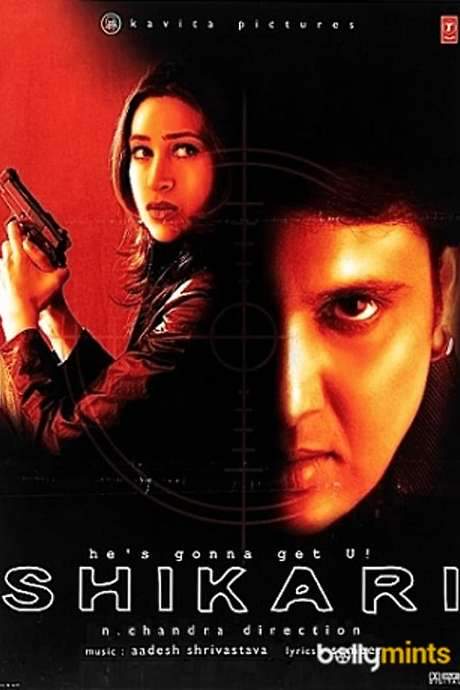
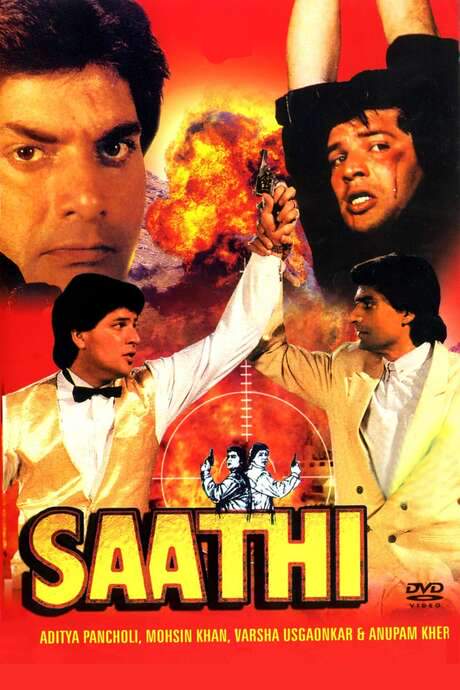
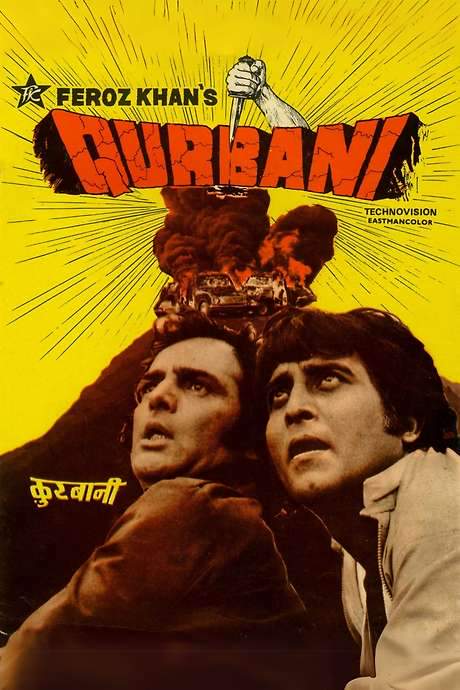

Featured on this page

What's After the Movie?
Not sure whether to stay after the credits? Find out!
Check out our other apps:

SAT Sphere
Build confidence for the Digital SAT.

Mori Atlas
Discover wild places worth protecting.

Luntero
Search smarter for a home in Amsterdam.

Plot Explained
Unravel movie endings and hidden clues.

Pokechamp
Dive into Pokémon data and battle logic.

Driving Theory
Get ready for your European theory test.

Movie Dust
Plan your next cinema trip with ease.

Musemap
Find art and culture as you travel.

Selkobase
Compare credentials before committing.

Local Manual
Turn an unfamiliar country into practical next steps.

Lernavi
Compare school systems before your next move.

GymRoam
Find a workout stop wherever your plans take you.
Explore Our Movie Platform
New Movie Releases (2026)
Famous Movie Actors
Top Film Production Studios
Movie Plot Summaries & Endings
Major Movie Awards & Winners
Best Concert Films & Music Documentaries
Movie Collections and Curated Lists
© 2026 What's After the Movie. All rights reserved.
Privacy Policy