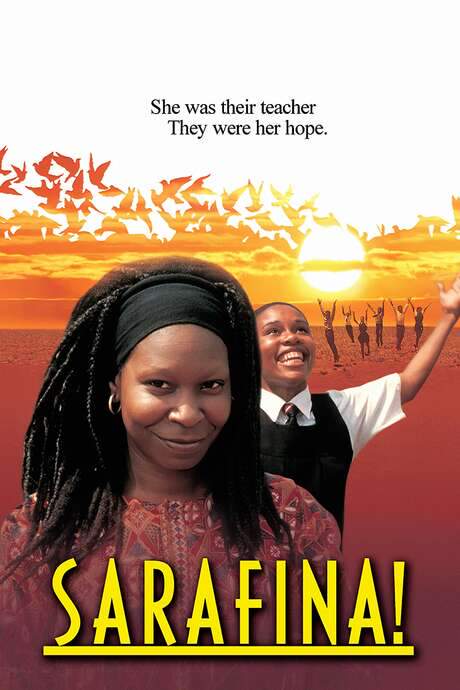
Sarafina! 1992

Directed by

Darrell James Roodt
Made by

BBC
Where to Watch Sarafina!
See current US streaming, rental, and purchase options for Sarafina! (1992) via JustWatch.

Hoopla
SD
Amazon Video
HD
Apple TV Store
HD
Fandango At Home
HD Streaming availability powered by 
Sarafina! Plot Summary
Read the complete plot summary and ending explained for Sarafina! (1992). From turning points to emotional moments, uncover what really happened and why it matters.
Sarafina Leleti Khumalo is a teenage student who idolizes Nelson Mandela, who is currently serving life imprisonment for conspiracy and treason against the apartheid government. She dreams of Mandela leading a free and just South Africa, and she longs to play him in the upcoming school play.
At school, a weary John Kani as the School Principal assigns Mary Masembuko Whoopi Goldberg to lead prayer songs to help keep order and prevent further riots. Meanwhile, the police press the principal to blame the students for the violence, pointing to fires in several schools, a claim the principal does not fully believe. During lunch, staff debate who is really fueling the unrest, with Mary suggesting juvenile delinquency while the students work to hide their activist feelings to avoid punishment from the adults.
During rehearsal, Sarafina envisions a hopeful ending in which Mandela is freed and leads the country toward a brighter future. After school, Crocodile Dumisani Dlamini leads a gang of students in a bid to resist the government’s heavy-handed taxes, but they are forced to scatter when the authorities move in and a riot erupts.
In a white household where her mother works, Sarafina speaks of a craving for freedom, something her activist father always wanted before he died a hero. Her mother, practical and wary, worries that daydreams contradict their place in apartheid. Meanwhile, an injured Crocodile seeks shelter at Sarafina’s home after a brutal encounter with the police.
At Mary’s house, Mary explains to Sarafina that her husband Joe rarely uses his gun to defend their home, underscoring the precarious balance of safety and fear in their lives.
The next day, Mary denies teaching children communism to the police, while Sarafina and Crocodile shame their classmate Guitar Sipho Kunene for betraying them by telling his suspicions to Constable Sabela, a confession that reveals how officials manipulate informants to justify harsh treatments. Word spreads that a new teacher has been introduced to replace the previous one, and this instructor attempts to rewrite history by praising a fictionalized Russian invasion, a move the students reject, expelling him from the classroom. The police respond with warning shots to scatter the crowd, and the celebration of learning quickly turns to tragedy as several students fall.
At the funerals for Crocodile and the others, a priest warns of the price paid for arrogance and for denying the right of the native people to shape their own country. The protests swell into a race riot after the police push back, and the rebellion grows as students build large barricades from old furniture to defend their homeland. The SADF eventually tears down the barricades with tanks and jets, capturing those who remain alive.
During Sarafina’s interrogation, a prison warden reveals that Mary was killed by the police to keep her quiet and warns that the same fate could await Sarafina if she doesn’t conform to the authorized syllabus. With the warden’s approval, the interrogations turn brutal, aiming to break the protesters with physical and psychological torture. In the final act of fear, Sarafina confronts rats in a cage, the warden hoping this terror will crush her resolve; she pleads for mercy for her friends, and the guards release her.
Back home, Sarafina’s mother finally apologizes for a hurtful remark and pledges to support her daughter’s dream of freedom in any way she can. After a discussion about the school play’s venue with Guitar, Sarafina leads the cast as Mandela. The performance becomes a triumph, and Mandela’s real-world release in 1990 marks a turning point that, a few years later, helps bring South Africa back toward a more hopeful future.
Sarafina! Timeline
Follow the complete movie timeline of Sarafina! (1992) with every major event in chronological order. Great for understanding complex plots and story progression.
Sarafina aspires to play Mandela in the school play
Sarafina idolizes Nelson Mandela and dreams of portraying him on stage. The upcoming school play becomes a beacon of hope in a tense apartheid-era climate. Her determination to embody Mandela sets the emotional arc for what follows.
Principal enlists Mary Masombuko to lead prayers to curb unrest
A weary principal assigns Mary Masombuko to lead prayer songs to prevent further riots. The police push the narrative that students are behind the unrest, but the principal remains skeptical. The assignment creates a clash between authority and the students' ambitions.
Lunch break debate on the riot's true cause
During lunch, staff discuss with the police who is really behind the burning of schools. Mary suggests juvenile delinquency as the root cause, while others consider deeper manipulation. The dialogue exposes fear and competing explanations within the school community.
Sarafina envisions a happy ending in rehearsal
During rehearsal, Sarafina imagines Mandela being freed and leading a new South Africa. The daydream gives her hope and fuels her commitment to the role. The imagined ending contrasts with the gloomy reality outside the room.
Crocodile leads a student protest and a police riot erupts
After school, Crocodile leads a gang of students to oppose heavy taxation, but they are forced to flee as authorities close in. The confrontation escalates into a police riot, underscoring the regime's brutality. The students scatter amid the chaos.
Sarafina's mother reflects on syllabus and freedom
At a white residence where her mother works, Sarafina laments the approved syllabus and the limits it places on learning. She recalls her activist father and his dream of freedom. Her mother resents the daydreaming, believing it challenges their way of life under apartheid.
Crocodile seeks treatment after police brutality
An injured Crocodile retreats to Sarafina's house for treatment after police brutality. The assault exposes the dangers facing students who challenge the system. The incident deepens the bond between Sarafina and Crocodile.
Mary explains her husband’s restraint with guns
At Mary's house, she explains that her husband rarely uses his gun to defend their home. This adds nuance to the adults' choices under pressure. The moment foreshadows the moral complexities surrounding violence and obedience.
Guitar betrays the group; mounting tension with authorities
The next day, Mary denies teaching communism while Sarafina and Crocodile confront Guitar for informing on them to Constable Sabela. Guitar reveals that officials are exploiting betrayals to justify brutal punishment. The exposure pushes the group deeper into danger.
Mary is imprisoned and a new, censored syllabus arrives
Following Guitar's confession, Mary is jailed on conspiracy charges against apartheid. A new teacher appears and pushes an authorized, distorted syllabus, including a fictionalized Napoleon lesson. The students refuse the attempt to rewrite history and expel the teacher.
Police fire on students; Crocodile and others die in the crackdown
The police respond with warning shots as the expelled teacher's absence is noticed. Crocodile and several other students are killed during the crackdown. The brutal action hardens the students' resolve to fight back.
Funerals spark protests and a warning from the priest
At the funerals for Crocodile and the fallen students, a priest warns of the price paid for denying freedom. The sermon galvanizes the surviving students to continue the struggle against apartheid. The tone shifts from mourning to renewed defiance.
Protests escalate to race riot and armed rebellion
Protests erupt into a race riot after police push the crowds away. The students build large barricades from old furniture to defend their homeland as the SADF arrives with tanks and jets. The ensuing firefight marks a climactic turn in the movement.
Sarafina endures interrogation and torture, then is released
During interrogation, a warden reveals that Mary was killed to keep her quiet. Sarafina endures torture and a rats ordeal as guards try to break her. The guards release her after she pleads for mercy, signaling a grim twist in the punishment regime.
Mother reconciles, Mandela play spurs national change
Back home, Sarafina's mother apologizes and vows to support her daughter's dream. The school play, with Sarafina as Mandela, becomes a tremendous success. Mandela is released in 1990 and South Africa moves toward democracy, with Mandela becoming president in 1994.
Sarafina! Characters
Explore all characters from Sarafina! (1992). Get detailed profiles with their roles, arcs, and key relationships explained.
Sarafina (Leleti Khumalo)
Sarafina is a teenage student who idolizes Mandela and dreams of a freer future. She shows quick wit, leadership, and a willingness to challenge authority through song and action. Her idealism drives the plot and keeps the hope of change alive amid violence and repression.
Crocodile (Dumisani Dlamini)
Crocodile is Sarafina’s boyfriend who leads a youth gang against heavy taxation and state pressure. He embodies rebellious energy and loyalty to friends, but he also bears the scars and fear of police brutality. His actions propel the street-level dimension of the struggle.
Mary Masombuko (Whoopi Goldberg)
Mary is the history teacher tasked with guiding the class and singing prayers, defending her students against censorship. She becomes a symbol of integrity and vulnerability as she faces arrest and ultimate danger. Her fate underscores the peril faced by educators in oppressive regimes.
Constable Sabela (Mbongeni Ngema)
Constable Sabela represents the regime’s enforcement arm, policing dissent with suspicion and violence. He tests the students’ loyalty and enforces the punitive syllabus, embodying the bureaucratic shut-down of rebellion. His role highlights how authority weaponizes education and fear.
Guitar (Sipho Kunene)
Guitar is a classmate who betrays the group by informing the authorities, driven by fear and external pressures. His actions expose the moral ambiguities faced under stress and the cost of loyalty to a broader power. The line between ally and betrayer becomes a pivotal tension in the story.
Sarafina! Settings
Learn where and when Sarafina! (1992) takes place. Explore the film’s settings, era, and how they shape the narrative.
Time period
Late 1980s to early 1990s
The film takes place during the final years of apartheid, a period of intensified protests and state crackdowns. It portrays how students push back against censorship and police violence, while the government tightens control over education and public life. The timeframe culminates in Mandela’s release in 1990 and the transition toward democratic rule in the following years.
Location
South Africa
Set in apartheid-era South Africa, the action unfolds across schools, homes, and streets where segregation and police power shape everyday life. The school environment becomes a battleground for ideas and resistance, while ordinary spaces are policed and controlled. The setting highlights the tension between a repressive regime and a young generation fighting for freedom. It shows how political conflict seeps into family life, classrooms, and the drama of a school play.
Sarafina! Themes
Discover the main themes in Sarafina! (1992). Analyze the deeper meanings, emotional layers, and social commentary behind the film.
✊
Resistance
The film centers on collective bravery as students and teachers challenge apartheid’s narratives. Theater, songs, and street protests become tools for solidarity and political awakening. It shows how small acts of defiance can ignite larger movements, even in the face of brutal repression. The characters’ resolve underlines the enduring hope for freedom.
📚
Education vs. Censorship
Education here is a battleground between state propaganda and authentic history. The play about Mandela becomes a vehicle for truth, pride, and cultural memory that the authorities try to suppress. The story critiques how official syllabi manipulate history to maintain control. Students seek knowledge and voices that reflect their experiences.
🕯️
Freedom & Sacrifice
Personal risks and sacrifices are paid on the path to liberation. Characters endure intimidation, imprisonment, and even death as they stand for dignity and rights. The narrative connects intimate family dynamics with the larger struggle for a democratic South Africa. It emphasizes that freedom requires collective courage and resilience.

Coming soon on iOS and Android
The Plot Explained Mobile App
From blockbusters to hidden gems — dive into movie stories anytime, anywhere. Save your favorites, discover plots faster, and never miss a twist again.
Sign up to be the first to know when we launch. Your email stays private — always.
Explore the mobile appSarafina! Spoiler-Free Summary
Discover the spoiler-free summary of Sarafina! (1992). Get a concise overview without any spoilers.
In the throes of 1976 Soweto, a city still shackled by apartheid’s iron grip, the daily rhythm of school life becomes a stage for a larger, unspoken rebellion. The government’s insistence on Afrikaans as the language of instruction fuels simmering unrest, and the corridors of a cramped township school echo with whispered hopes and clenched fists. Music drifts through the air, mingling with the cadence of marching feet outside, setting a tone that is both defiant and tender—a community yearning for a voice that cannot be silenced.
At the heart of this storm is Sarafina, a bright‑eyed teenager whose admiration for Nelson Mandela fuels an inner fire. She dreams of embodying the iconic leader in a school play, a daring act that blurs the line between performance and protest. Around her, classmates and friends share a restless energy, each sketching their own visions of freedom while navigating the ever‑present threat of a police presence that can erupt without warning. The atmosphere is charged with youthful optimism, yet it is tempered by the palpable weight of danger that hangs over every rehearsal and lesson.
Guiding the students through this volatile landscape is Mary Masombuka, a history teacher whose steady hand and soulful songs offer both comfort and a subtle call to action. She endeavors to keep the classroom a sanctuary, even as the authorities grow increasingly suspicious of any spark of dissent. Her eventual incarceration serves as a stark reminder of the stakes involved, but also reinforces the resolve of those she leaves behind. The film’s tone balances the vibrancy of song and dance with the sobering reality of oppression, inviting viewers to feel both the exhilaration of collective hope and the tension of an ever‑looming crackdown.
Within this world, every melody, every whispered conversation, and every daring rehearsal weaves together a tapestry of resistance. The students’ passion for change, the teacher’s quiet courage, and the community’s unshakable belief in a brighter future create an immersive portrait of a pivotal moment in South African history—one that hums with the promise of transformation even before any curtain falls.
Movies with Similar Twists and Themes
Uncover films that echo the narrative beats, emotional arcs, or dramatic twists of the one you're exploring. These recommendations are handpicked based on story depth, thematic resonance, and spoiler-worthy moments — perfect for fans who crave more of the same intrigue.

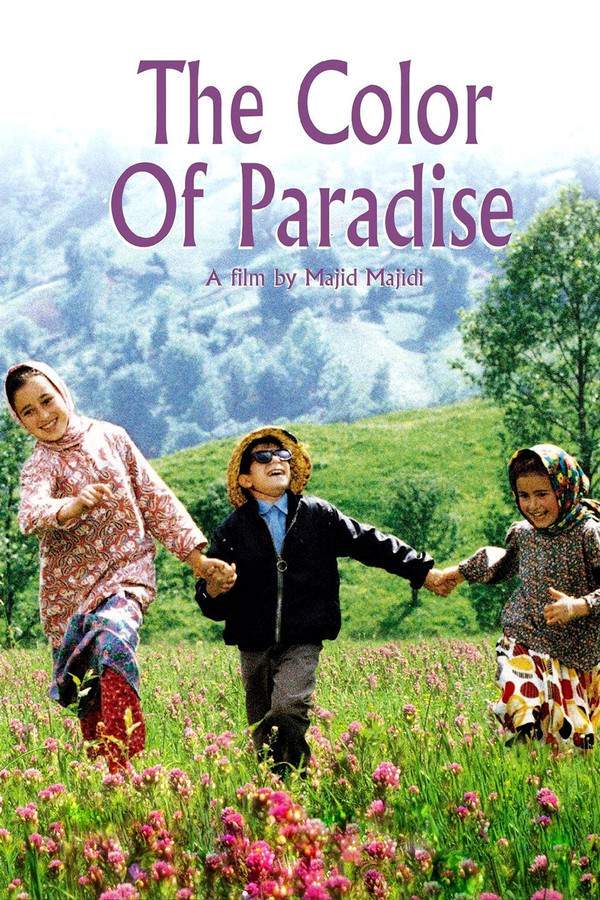
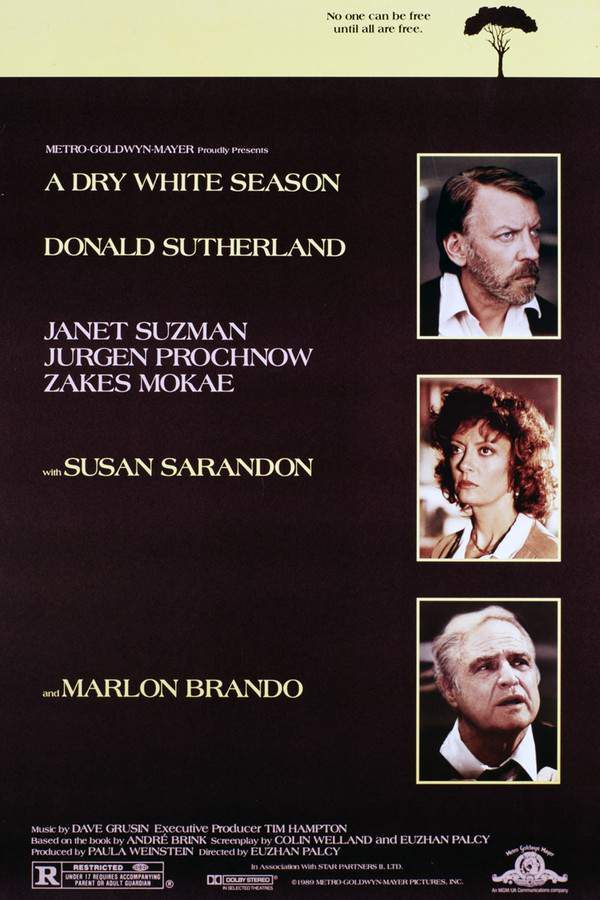


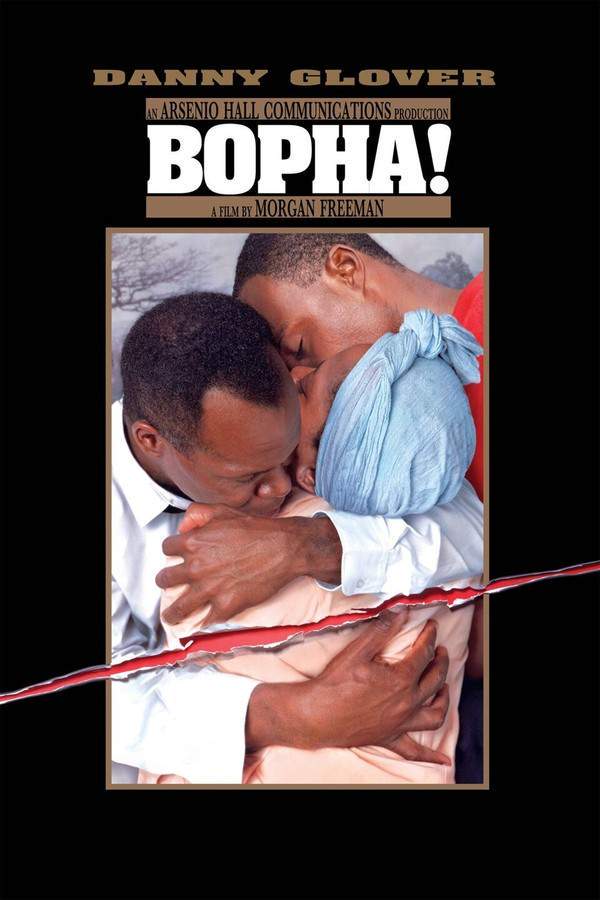

Featured on this page

What's After the Movie?
Not sure whether to stay after the credits? Find out!
Check out our other apps:

SAT Sphere
Build confidence for the Digital SAT.

Mori Atlas
Discover wild places worth protecting.

Luntero
Search smarter for a home in Amsterdam.

Plot Explained
Unravel movie endings and hidden clues.

Pokechamp
Dive into Pokémon data and battle logic.

Driving Theory
Get ready for your European theory test.

Movie Dust
Plan your next cinema trip with ease.

Musemap
Find art and culture as you travel.

Selkobase
Compare credentials before committing.

Local Manual
Turn an unfamiliar country into practical next steps.

Lernavi
Compare school systems before your next move.

GymRoam
Find a workout stop wherever your plans take you.
Explore Our Movie Platform
New Movie Releases (2026)
Famous Movie Actors
Top Film Production Studios
Movie Plot Summaries & Endings
Major Movie Awards & Winners
Best Concert Films & Music Documentaries
Movie Collections and Curated Lists
© 2026 What's After the Movie. All rights reserved.
Privacy Policy