

What Is Saddle the Wind About?
The premise of Saddle the Wind in 282 words, with nothing given away. The full story follows below.
In the rolling plains of a post‑war western town, a once‑renowned gunslinger has traded the echo of pistols for the rhythm of a ranch. Steve Sinclair lives a stubbornly peaceful life, tending his land and sharing an uneasy but steady partnership with the town’s principal landowner. The landscape is both beautiful and harsh, a place where open ranges and quiet mornings conceal the lingering codes of an older, more violent era. The film’s tone is measured and contemplative, letting the vast sky and the low‑hum of daily chores speak to a world that still remembers its past.
That fragile equilibrium is shaken when a younger brother arrives, bringing with him the restless energy of a man still living on the edge. Tony appears with his dazzling new bride, Joan, whose presence adds a layer of charm and tension to the already strained household. Their arrival summons memories of bygone battles and forces the older sibling to confront the possibility that the past will not stay buried. The contrast between Steve’s measured calm and Tony’s volatile spirit creates a subtle but persistent undercurrent, hinting that unresolved loyalties and old habits may soon surface.
Around them, the community is quietly transforming. Dennis Deneen, the seasoned landowner, represents the stability of long‑standing alliances, while Larry Venables, an old rival, signals the lingering pull of former conflicts. Meanwhile, Clay Ellison, a neighboring farmer, eyes the open range with new ambitions, suggesting that the very land itself may become a source of friction. As the town balances tradition with change, the brothers find themselves caught between personal histories and the shifting demands of a landscape that refuses to stay still, promising an atmosphere thick with unspoken challenges.
What Happens in Saddle the Wind?
The complete story of Saddle the Wind, from the first scene to the last, in 755 words (about 3 minutes). Spoilers throughout.
Spoilers ahead
Retired gunslinger and former Confederate soldier Steve Sinclair [Robert Taylor] has carved out a quiet, stubbornly peaceful life as a rancher in a small western community. He partners with the area’s principal landowner, Dennis Deneen [Donald Crisp], forming a practical arrangement that helps keep the town’s fragile harmony intact even as the land and its uses begin to shift under new pressures. The duo’s routine is settled, almost ceremonial, with work on the ranch, occasional town business, and the unspoken code that keeps the peace among neighbors who rely on one another.
But the calm is unsettled when Steve is joined by two forces from his past and present: his emotionally volatile younger brother Tony [John Cassavetes] and Tony’s captivating girlfriend Joan [Julie London]. Tony’s arrival isn’t merely about kin; he embodies a reckless intensity that unsettles every routine detail of the Sinclairs’ world. The moment Tony strides into the yard flaunting a handmade six‑gun with a filed‑down trigger, the story tilts away from quiet days toward an uncertain, dangerous horizon. A striking image lingers—Tony, out under the sun, testing his quick draw as he peers at his own reflection in a pool of water, a quiet prelude to the violence that will erupt.
Into this already tense balance rides Larry Venables [Charles McGraw], an old rival of Steve’s who arrives with a clear motive: to pull Steve back into old games, to force a reckoning the town might not be ready for. Tony, intoxicated by bravado and the power of his new weapon, challenges Venables to a draw. The moment unfolds in a breathless, almost ritual duel that ends with Tony decisively killing Venables when the other man is distracted and unable to focus his aim. The act becomes a turning point, proof of how quickly bravado hardens into danger. Tony’s triumph swells his ego; he wins the moment but loses sight of consequences, slipping into drunkenness and neglecting his relationship with Joan in the glow of his own bravado.
A new conflict then emerges at the edge of the settlement with Clay Ellison [Royal Dano], a farmer who has inherited land that he intends to fence off, transforming the open range into something more controlled. Ellison plans to plant wheat and to put up barbed wire, effectively reshaping the land that cattle have grazed for years. Tony tries to push Ellison away, but Steve steps in to hold the line, reminding the family and the town of the uneasy balance between property rights, open grazing, and the common good. Ellison turns to Dennis Deneen for legal support, and Deneen agrees to defend Ellison’s rights to the land, signaling a shift in the old alliance that has long bound the Sinclairs to the ranch and to the town’s order.
The unravelling continues when Tony murders Ellison as he goes to town to buy provisions, the act shattering whatever fragile trust remained. Deneen promptly cuts his ties with the Sinclairs, leaving Steve at a crossroads: stay and fight for the life he has built, or leave to escape the mounting violence. Tony, emboldened by his earlier success, attempts to seize control of the ranch, driving the family’s peace deeper into danger. Steve drives Tony off once more, but the confrontation is far from over. Tony confronts Deneen directly, seeking to eliminate the man who now represents the legal and economic order that blocks his ascent. In the ensuing gunfight, both men are wounded, and the ranch’s future hangs in the balance as Tony flees into the hills.
With the town’s permission and a grim, reluctant resolve from Deneen, Steve is pressed to reclaim the past by donning his guns once again to pursue his brother. The pursuit is somber and inexorable, ending in tragedy when Tony, cornered after a long chase, shoots himself, echoing the pool‑water image that opened Tony’s chapter and sealing the emotional and moral toll of the siblings’ saga. Steve’s news to Deneen that his brother is dead is delivered without the triumph of revenge, but with the hard clarity of a man who understands that some histories don’t end with clean victories. Yet in the wake of loss, Deneen persuades Steve to remain at the ranch, to anchor the community’s future in a shared, though fraught, sense of duty and continuity. The film closes on a note that blends resignation with reluctant hope, a testament to endurance in a landscape where old codes persist, even as new opportunities—like the decision to farm and fence—continue to redefine what the land can be.
Saddle the Wind Timeline: Every Key Event in Order
12 key events in the order they happen, from “Steve Sinclair's quiet ranch life” to “Resolution: Steve's stay on the ranch”. 12 events name a place, across 10 locations.
- 1
Steve Sinclair's quiet ranch life
Steve Sinclair is a retired gunslinger and former Confederate soldier who now lives as a rancher. He works with landowner Dennis Deneen to preserve communal stability and keep a fragile peace on the open range. The arrangement shows a quiet, carefully managed balance in a small western community.
When:Present day Where:Sinclair Ranch
- 2
Tony arrives with bravado and shows off a six-gun
Tony, the emotionally unstable younger brother, arrives with his girlfriend Joan and immediately exudes reckless bravado. He unveils a handmade six-gun with a filed-down trigger and flaunts his quick-draw skills. The scene ends with Tony firing a reflection of himself in a pool of water, signaling his vanity and danger.
When:Afternoon Where:Ranch yard
- 3
Venables arrives and Tony provokes him
An old rival of Steve, gunman Larry Venables, arrives on the scene, threatening to disrupt the balance. Tony challenges Venables to a draw, flaunting his bravado as Venables hesitates. In the ensuing moment, Tony murders Venables, and his success goes to his head.
When:Evening Where:Ranch vicinity
- 4
Steve rebukes Tony after Venables' death
Steve confronts his brother over the killing, reminding him that Venables was one of the faster gunfighters and that he got lucky. He urges Tony to respect the danger of what he's done and warns of consequences. The confrontation strains the already fragile family ties.
When:Evening Where:Ranch
- 5
Clay Ellison arrives and opens a land dispute
Clay Ellison, a neighbor and farmer, arrives with plans to fence off a strip of inherited land and grow wheat, threatening the open-range grazing. Tony tries to drive Ellison off, but Steve intervenes to de-escalate the confrontation. The clash foreshadows deeper conflict over property and power.
When:Following days Where:Open range / Ellison's land
- 6
Deneen defends Ellison's legal rights
Ellison appeals to Dennis Deneen, the landowner, who agrees to defend Ellison's legal rights to the land. Deneen's decision signals a shift away from the Sinclairs and toward formal disputes. Tony's aggression continues to challenge the new arrangement.
When:Shortly after Ellison's appeal Where:Deneen's office / town
- 7
Tony murders Ellison in town
In town, while Ellison tries to buy provisions, Tony murders him, escalating the conflict and severing any remaining support for the Sinclairs. Deneen promptly breaks ties with Steve and his family as a result. The act hardens the line between loyalty and law in the frontier town.
When:In town Where:Town
- 8
Deneen cuts ties with the Sinclairs; Tony's bid for control
Deneen dissolves his association with the Sinclairs, signaling the end of their old arrangement. Tony bets for control, pushing to seize the ranch. Steve drives Tony off, but the revolt culminates as Tony corners Deneen and attempts to kill him.
When:After Ellison's murder Where:Ranch
- 9
The fatal gunfight; Tony wounded and on the run
A gunfight ensues when Tony confronts Deneen and tries to eliminate him, leaving both sides wounded. Steve is reluctantly drawn back into the violence as the balance of power collapses. Tony flees into the hills, and the ranch settles into a tense, uneasy stalemate.
When:During the confrontation Where:Ranch vicinity / hills
- 10
Steve must confront his past; dons the guns again
Deneen's men inform Steve that if he wants to bring Tony to justice, he must wear his old guns again after years of retirement. Steve reluctantly agrees and heads into the hills to track Tony. The decision marks a return to the code Steve once lived by, and foreshadows a final confrontation.
When:Shortly after the gunfight Where:Hills behind the ranch
- 11
Tony's final act mirrors the pool scene
Steve finds Tony in the hillside shadows, and the younger man shoots himself, echoing the earlier image of himself in the pool of water. The self-inflicted death ends Tony's volatile arc and resolves the immediate danger. Steve is left to carry the burden of the tragedy and to report back to Deneen.
When:Climax Where:Hills
- 12
Resolution: Steve's stay on the ranch
Steve informs Deneen that Tony is dead, and the fragile peace is restored only through the loss of a life. Deneen persuades Steve to remain on the ranch, recognizing that he still serves as a stabilizing influence. The film ends with a wary but necessary continuation of life on the range.
When:After Tony's death Where:Sinclair Ranch
Who Are the Main Characters in Saddle the Wind?
7 characters, among them Steve Sinclair (Robert Taylor), Tony Sinclair (John Cassavetes) and Joan Blake (Julie London): who each one is and the part they play in the story. Every profile links to the actor’s page.
-
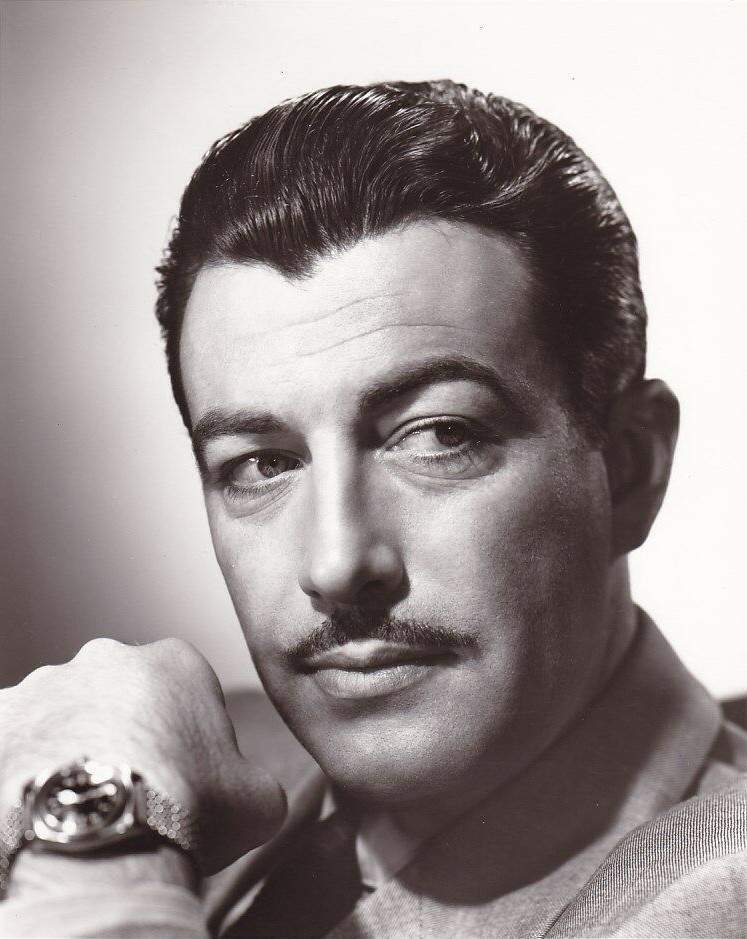
Steve Sinclair (Robert Taylor)
Played by Robert Taylor
A retired gunslinger and former Confederate soldier who has become a cautious, principled rancher. He strives to keep the peace and protect the community, even as his brother’s violence pulls him into danger. His sense of duty anchors the story and guides his decisions.
- 🧭 Rancher
- 🛡️ Protective
- ⚖️ Duty
-

Tony Sinclair (John Cassavetes)
Played by John Cassavetes
An emotionally unstable, hot-headed younger brother whose quick-draw prowess fuels his arrogance and recklessness. He craves admiration and control, often acting without considering the consequences for those around him. His actions drive the plot toward tragedy and a final, fatal reckoning.
- 🔥 Impetuous
- 🗡️ Gunfighter
- 💣 Turbulent
- JB
Joan Blake (Julie London)
Played by Julie London
Tony’s girlfriend, described as beautiful and at the center of the tension between Tony and Steve. She represents the personal stakes within the frontier’s volatile dynamics and the vulnerability of those caught between competing loyalties.
- 💃 Woman
- 💔 Love triangle
- 🕯️ Tension
-
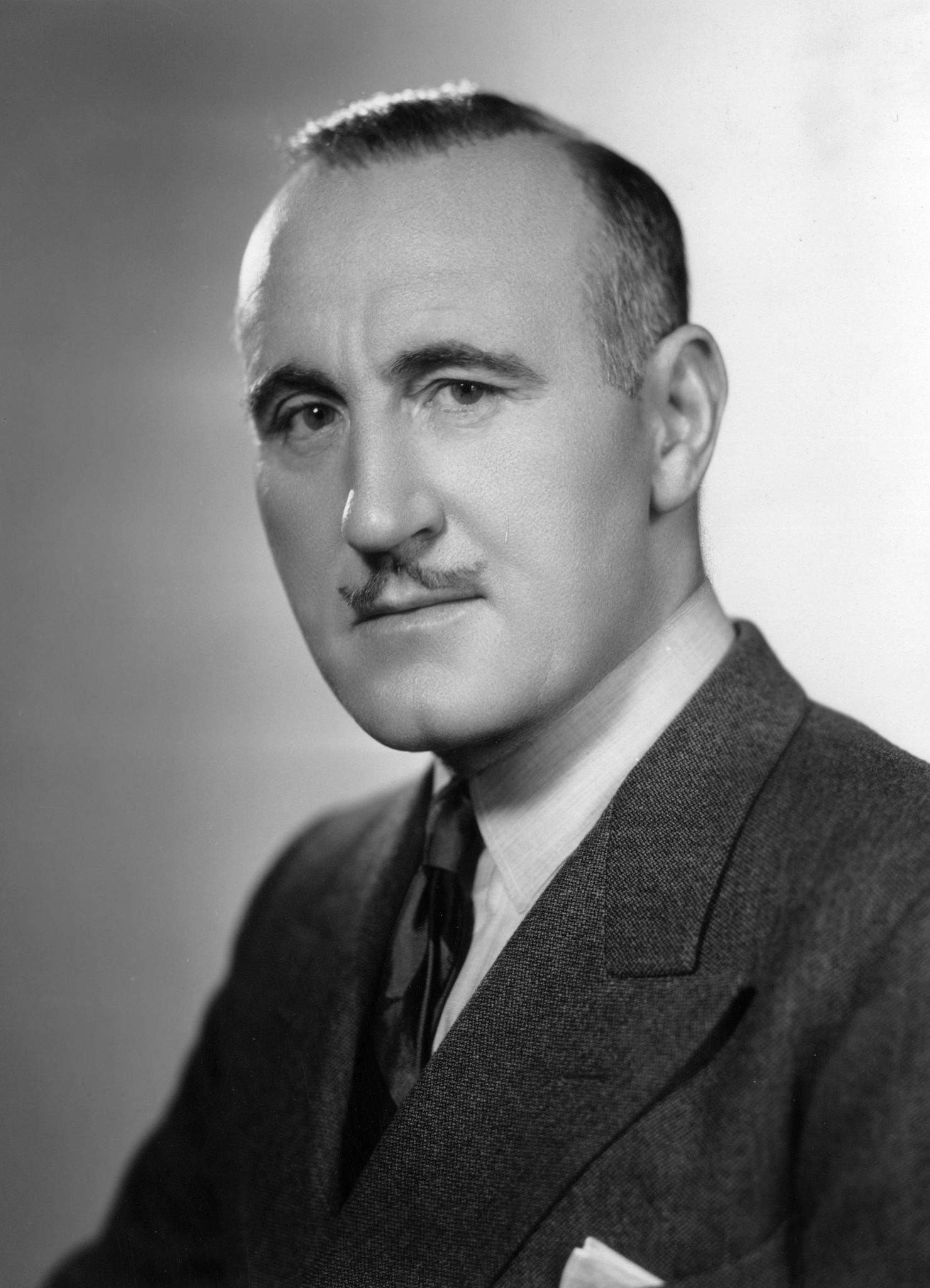
Dennis Deneen (Donald Crisp)
Played by Donald Crisp
A pragmatic landowner who rents Steve’s ranch and later defends Ellison’s rights to the disputed land. His shifting loyalties and authority influence the town’s stability and the Sinclains’ future.
- 🏛️ Landowner
- 🛡️ Authority
- 🤝 Power
-
Larry Venables (Charles McGraw)
Played by Charles McGraw
An old rival gunman who arrives to challenge Steve, embodying the danger of reckless reputation and bravado. His presence heightens the tension and culminates in a brutal confrontation.
- ⚔️ Rivalry
- 🕶️ Enforcer of reputation
- 🏁 Duel
-
Clay Ellison (Royal Dano)
Played by Royal Dano
A farmer who inherits land and aims to fence off his portion for wheat, triggering the major conflict with the open-range community. His murder marks a turning point in town loyalties and violence.
- 🌾 Farmer
- 🧭 Boundary dispute
- 🐄 Open range
- HS
Hemp Scribner (Douglas Spencer)
Played by Douglas Spencer
An veteran observer in the town who witnesses the shifting power dynamics around land, loyalty, and survival. His presence adds texture to the community’s evolving moral landscape.
- 🗒️ Veteran observer
- 🧭 Local
- 🧰 Helper
Where and When Is Saddle the Wind Set?
Saddle the Wind is set in Small western town and surrounding ranch (Late 19th century (1880s-1890s)). Here is why the time and place matter to the story.
When
Late 19th century (1880s-1890s)
The story unfolds in the post–Civil War American West during the period of open-range cattle ranching and expanding property rights. Barbed wire and fencing begin to redefine borders between cattlemen and farmers. The era’s violence and individual codes drive the characters toward escalating confrontations that test loyalty and restraint.
Where
Small western town and surrounding ranch
Set in a compact Western town with nearby ranches, Saddle the Wind centers on a community built around open grazing and fragile stability. The landscape and daily rhythms of ranch life—cattle, land, and local deals—shape how people interact and resolve conflicts. The town’s cohesion rests on unspoken codes among ranchers, landowners, and gunmen as tensions rise.
- 🤠 Western town
- 🐎 Ranch life
- 🏜️ Open range
What Are the Themes of Saddle the Wind?
3 ideas the story keeps returning to, among them Family, Rivalry and Land & Boundaries.
-
01
Family
A core tension springs from Steve and Tony’s brotherly bond, strained by jealousy and volatile impulses. Steve acts as a stabilizing guardian, trying to protect both his family and the community from Tony’s outbursts. The tragedy exposes how familial loyalty can sustain or devastate lives depending on restraint and responsibility.
-
02
Rivalry
The frontier culture glorifies gunfighters and reputations, from Venables’s arrival to Tony’s impulsive challenges. Steve’s past as a Confederate soldier informs a code of restraint that clashes with Tony’s reckless pursuit of dominance. The conflict reveals how rivalry can spiral into fatal consequences and force harsh choices about mercy and justice.
-
03
Land & Boundaries
Ellison’s land dispute intensifies the clash between open-range cattle culture and modern farming. The defense of property rights pulls the town apart and reshapes loyalties, threatening the Sinclairs’ hold on the ranch. The struggle highlights how land, borders, and progress redefine frontier morality and community order.
What Kind of Film Is Saddle the Wind?
Tense in tone, with steady pacing and a moderate story, going by the plot summary.
- Tone
- Tense
- Pacing
- Steady
- Story
- Moderate
- Intensity
- High
- Ending
- Bittersweet
A tense and somber Western where an ex-gunslinger's hard-won peace is shattered by his brother's reckless violence, leading to an tragic and emotionally heavy confrontation with the past.
- tense
- somber
- tragic
- brooding
- melancholic
- unsettling
- brother rivalry
- redemption
- frontier justice
- changing west
Content notes: murder, suicide, gun violence, alcohol abuse.
Quiz
How well do you remember Saddle the Wind? Test yourself on the story.


