What Is Sacred Ground About?
The premise of Sacred Ground in 312 words, with nothing given away. The full story follows below.
In the rugged wilderness of 1861, Matt Colter—a weather‑worn mountain man—drifts across the Great Divide with his young Native wife, Little Doe. Their path winds through stark valleys and silent river corridors, where the land itself feels ancient and watchful. As they thread through territory guarded by the Paiute, they encounter a lone trader who warns of unseen boundaries, hinting that the very soil they tread carries memories older than their own struggles.
Seeking a place to call their own, the pair stumble upon the broken skeleton of a cabin and set about rebuilding it, shaping wood and stone into a fragile sanctuary. The structure rises slowly, becoming a rhythm of daily labor and quiet hope, while the surrounding plains pulse with the quiet presence of a people whose traditions are etched into the hills. Within this nascent home, Little Doe discovers that the ground beneath them holds sacred Paiute burial sites, a revelation that threads a subtle, reverent tension through their tentative peace.
The looming presence of the Paiute burial party adds a layer of uneasy anticipation, as language barriers and cultural divides make every interaction feel like a delicate negotiation. As the couple prepares for the arrival of a child, the convergence of their personal aspirations with the land’s deeper significance creates an atmosphere charged with both promise and apprehension. The looming clash feels inevitable, yet the story lingers on the tenderness of a shared dream against the backdrop of an unforgiving frontier.
Through austere cinematography and a measured, observational tone, the film treats the wilderness as a character in its own right—vast, indifferent, yet intimately tied to the lives that unfold upon it. The narrative’s focus on love, heritage, and the stubborn resilience of a small family invites viewers to feel the weight of every heartbeat, every whispered prayer, and every unspoken fear that lingers on this sacred ground.
What Happens in Sacred Ground?
The complete story of Sacred Ground, from the first scene to the last, in 827 words (about 4 minutes). Spoilers throughout. Names in the text link to 3 cast member pages.
Spoilers ahead
Set in the year 1861, Tim McIntire as Matt Colter, a rugged mountain man, travels the great divide with his young Native bride, Serene Hedin as Little Doe. Their journey threads through sprawling landscapes where a Paiute party moves with quiet vigilance, and a striking young woman named Wannetta watches the couple from the shadows of the mountains. Ostracized by both white and Native communities, the couple finds themselves pushed to seek a new home beyond familiar borders, driven by a stubborn will to survive and to stay together. A wary trader at a distant outpost cautions Matt about navigating Paiute country, hinting at dangers that loyalty and love alone cannot erase.
Their voyage continues, and after crossing a river they discover the ruins of a cabin. Undeterred, they raise the structure anew, and the cabin slowly becomes a home where seasons cadence their days. Time passes in gentle rhythms as Matt affectionately taps Little Doe’s growing belly, for she is expecting, and life seems to steady itself around this fragile new chapter. Yet unease threads the air when Little Doe uncovers bone remains in the surrounding ground, and she reveals a troubling truth: the shelter sits on sacred Paiute burial ground. She speaks of spirits that circle the earth and hover over her unborn child, casting a dim, ancestral shadow over their fragile sanctuary.
Tensions flare when a Paiute party arrives and attempts to communicate but cannot bridge the language gap. Inside the cabin, Little Doe goes into labor as Matt steps back to regroup, and the moment becomes a fateful one: the Paiutes attack, destroying the cabin with Little Doe inside. Matt races to pull his wife from the wreckage and carries her to the rive r as the war party watches, their grief mirrored in the river’s flow. Across the banks, Paiute women gather to bury their own dead near the shattered shelter, and the scene unfolds with a haunting blend of faith and sorrow: a woman who has lost a child lifts up her cradleboard in tribute as the tribe prays and sings. Amid the wreckage, Matt and Little Doe struggle to meet the child’s cry, but the mother is fatally injured, and the newborn’s first sound becomes a quiet, poignant beacon in a world of loss.
With Little Doe gone, Matt takes the newborn on a lone path forward and encounters a lone mountain man who advises feeding the child to ensure survival. In a grim and morally fraught turn, Matt and the stranger kidnap Wannetta—who has herself given birth but whose child did not survive—to act as a wet nurse for the baby. Wannetta bonds with the infant, offering a fragile thread of kinship in a harsh landscape, even as the Paiute war party marks Wannetta with a perilous test: they urge her to kill the mountain man’s horse so the group will be forced to travel on foot. She chooses not to, and in the wake of that decision, Wannetta and the child are seized by the Paiute warriors.
When Wannetta is banished from the tribe—stripped of fur and cast out to the cold, accusing chorus of stones and shouts—Matt, driven by a desperate longing to find his son, turns to his old ally for help. He seeks out Lum Witcher, a seasoned mountain man, to guide him through a world of memory, danger, and unresolved hope. Jack Elam as Lum Witcher becomes the crucial link to a future that hinges on perseverance, loyalty, and the stubborn persistence of a father’s heart.
In this stark Western of endurance, the landscape is not merely a backdrop but a living character: the river that carries life and loss, the ruined cabin that holds the couple’s fragile dream, and the burial ground that binds two worlds with ancient, solemn gravity. The story follows Matt’s unyielding quest to protect his newborn son, even as he confronts language barriers, cultural tensions, and the echo of a live burial ground that refuses to let go. The film moves with a quiet, austere tempo that respects the weight of every decision, every breath, and every heartbeat of a family torn apart by circumstance but not by love.
The narrative is anchored in a stark, observational tone that invites viewers to dwell on the costs of displacement and the raw will to survive. It captures the raw ache of loss as Little Doe’s final moments intersect with the first wail of a child, a sound that becomes the ember that fuels Matt’s subsequent alliance with Lum Witcher in a bid to reclaim what remains—the chance to raise the son who has already altered the course of two lives. Throughout, the film treats sorrow with dignity, never overplaying its hand, and uses the vast, elemental setting to reflect the resilience and vulnerability of its central figures. The result is a solemn, immersive western saga about love, heritage, and the fidelity of a parent to a child against overwhelming odds.
Sacred Ground Timeline: Every Key Event in Order
12 key events in the order they happen, from “A perilous crossing into Paiute country” to “A frontier vow: continuing the search”. 12 events name a place, across 12 locations.
- 1
A perilous crossing into Paiute country
Matt Colter, a mountain man, travels the Great Divide with his Native bride Little Doe. They cross paths with a Paiute party and are watched by Wannetta. Ostracized by both white and Native communities, they are forced to leave their former lives and search for a new home.
When:1861 Where:Great Divide
- 2
Trading post warning and shifting path
Seeking safety, they reach a trading post where the owner warns them about Paiute country. He urges caution as they continue their journey. With the warning, they press onward into dangerous territory.
When:1861 Where:Trading Post
- 3
The cabin ruins and a rebuilt home
After crossing a river they discover the ruins of a cabin and decide to rebuild it. They make this shelter their home in the wilderness. The act marks a tentative settlement for their fragile family.
When:1861 Where:River crossing / Cabin ruins
- 4
Little Doe's pregnancy and burial-ground revelation
As seasons pass, Matt affectionately pats Little Doe's belly, for she is pregnant. Little Doe reveals that bones found near their shelter are Paiute burial ground remains, and that spirits surround her and their unborn child. The risk of desecration hangs over their growing family.
When:1861 Where:Cabin + Paiute burial ground
- 5
Paiute call and labor begins
A Paiute party arrives and calls on Matt; communication fails due to language barriers. Inside the cabin, Little Doe goes into labor, adding urgency to the tense moment. The threat of attack hangs overhead.
When:1861 Where:Cabin
- 6
Attack and the cabin's destruction
The Paiutes attack and destroy the cabin with Little Doe inside. Matt pulls her from the wreck and carries her to the river as warriors look on. On the burial ground, Paiute women lay the dead on scaffolds and sing, while Matt and Little Doe's newborn begins to cry.
When:1861 Where:Cabin vicinity / Sacred burial ground
- 7
Newfound father and a loyal stranger
Matt leaves with his newborn and meets a lone mountain man who urges him to feed the child. The man’s harsh pragmatism clashes with Matt’s resolve to protect his son. Together, they press on through the unforgiving frontier.
When:1861 Where:Wilderness trail
- 8
Wannetta’s child dies and a wet-nurse plan
Wannetta has recently had a child, but it dies. Matt and the reckless mountain man kidnap Wannetta to use as a wet nurse, and she bonds with the baby while nursing him in the harsh wild. The arrangement underscores the frontier’s moral complexity.
When:1861 Where:Wilderness / Mountain man’s domain
- 9
Coerced loyalty and Wannetta’s capture
The Paiute war party signals Wannetta to kill the mountain man's horse so they will be forced to travel on foot. She refuses, showing defiance, but is eventually kidnapped by the Paiute war party. Her fate becomes entwined with the tribe's volatile politics.
When:1861 Where:Paiute encampment
- 10
Wannetta is banished from the tribe
Wannetta is banished from the Paiute tribe for disobedience, stripped of her furs, and told to leave. The community erupts in scorn as rocks are hurled and voices rise in anger. Her isolation marks a painful turn in the frontier saga.
When:1861 Where:Paiute settlement
- 11
Colter seeks aid from Lum Witcher
Determined to find his son, Colter seeks help from his friend, the seasoned mountain man Lum Witcher. The plan hinges on gathering allies and following leads through the backcountry. A new search party begins to take shape.
When:1861 Where:Lum Witcher’s domain / Backcountry
- 12
A frontier vow: continuing the search
With Lum Witcher by his side, Colter commits to locating his son despite the dangers. The narrative closes on a note of perseverance and uncertain hope as the frontier endurance road stretches ahead. His voyage to reunite with his child is only beginning.
When:1861 Where:Frontier
Who Are the Main Characters in Sacred Ground?
5 characters, among them Matt Colter (Tim McIntire), Little Doe (Serene Hedin) and Wannetta (Ty Randolph): who each one is and the part they play in the story. Every profile links to the actor’s page.
- MC
Matt Colter (Tim McIntire)
Played by Tim McIntire
A seasoned mountain man who drifts along the frontier with his Native wife. He is practical, stubborn, and deeply protective of his family, willing to endure hardship to keep them together. His resilience is tested as cultural tensions flare and survival hinges on quick thinking and stubborn perseverance.
- 🗺️ Frontier
- 🛡️ Protector
- 🧭 Survival
- LD
Little Doe (Serene Hedin)
Played by Serene Hedin
A young Native woman bonded to Matt, carrying their unborn child. She embodies quiet strength and a bridging presence between cultures, yet her fate is marked by violence and loss. Her connection to the land and its spirits gives her a calm, enduring resolve in the face of danger.
- 🌿 Heritage
- 💪 Resilience
- 🤝 Bond
- W(
Wannetta (Ty Randolph)
Played by Ty Randolph
A Paiute woman who has recently had a child that died, balancing allegiance to her people with personal tragedy. She is caught between expectations and her own choices, later expelled from her tribe for disobedience, reflecting the harsh judgments within and between communities.
- 🏹 Identity
- 💔 Loss
- 🕊️ Rebirth
-
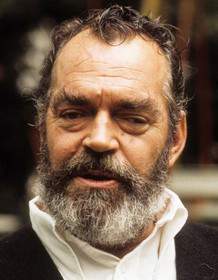
Lum Witcher (Jack Elam)
Played by Jack Elam
A rugged mountain man and occasional ally who provides tough, if wary, assistance to Matt. His knowledge of the harsh terrain and frontier codes makes him a valuable, if morally ambiguous, companion in a land where trust is scarce.
- 🧭 Guide
- 🪵 Frontier
- 🤝 Ally
- BC
Baby Colter (Franklin Fritz)
Played by Franklin Fritz
The newborn son whose arrival intensifies the protectiveness of Matt and heightens the emotional stakes of the journey. The baby represents a fragile future and a reason to endure the frontier’s dangers.
- 👶 Innocence
- 🍼 Dependence
- 💫 Hope
Where and When Is Sacred Ground Set?
Sacred Ground is set in The Great Divide (1861). Here is why the time and place matter to the story.
When
1861
The story unfolds in 1861, a year marked by westward expansion and shifting loyalties on the American frontier. Travel is arduous, communities are fractured, and encounters between settlers and Native peoples are charged with tension. Life hinges on improvisation and endurance as seasons, scarcity, and danger dictate daily choices.
Where
The Great Divide
Set along the rugged Great Divide, a remote corridor through the Rocky Mountains, the landscape is harsh with snow, rivers, and abandoned cabins. The area acts as a frontier crossroads where travelers must contend with prejudice, wildlife, and the ever-present risk of conflict. Isolation and grit define life here, shaping how people survive and relate to one another.
- 🏔️ Frontier
- 🗺️ Western Frontier
- 🧭 Isolation
What Are the Themes of Sacred Ground?
3 ideas the story keeps returning to, among them Displacement, Sacred Ground and Motherhood and Loss.
-
01
Displacement
Ostracized by both white and Native communities, Matt and Little Doe are driven from their original path in search of a new home. The frontier forces them to redefine belonging while navigating suspicion and threat from outsiders. Their journey underscores how belonging on the edge of civilization is fragile and precarious.
-
02
Sacred Ground
The couple unknowingly settles on what Paiute people consider sacred burial ground, elevating the stakes of every decision. The impending spiritual weight surrounding Little Doe and her unborn child intensifies the conflict. Destruction of the cabin becomes a ernis of cultural desecration and the living consequences of disrespecting sacred land.
-
03
Motherhood and Loss
Little Doe's pregnancy anchors the human cost of frontier violence, culminating in her death during childbirth. Matt's desperate attempt to protect both wife and newborn highlights the limits and strengths of paternal devotion under siege. The narrative uses motherhood to probe resilience, grief, and the fragility of new life amid conflict.
What Kind of Film Is Sacred Ground?
Melancholic in tone, with slow pacing and a straightforward story, going by the plot summary.
- Tone
- Melancholic
- Pacing
- Slow
- Story
- Straightforward
- Intensity
- High
- Ending
- Bittersweet
A solemn and immersive Western with a slow, deliberate pace that carries a heavy emotional weight, focusing on the raw ache of loss and a father's desperate, morally fraught fight for survival amidst cultural tensions.
- somber
- gritty
- desolate
- austere
- solemn
- lonely
- survival
- cultural conflict
- grief and loss
- fatherhood
Content notes: death of a loved one, child endangerment, kidnapping, cultural conflict violence, infant mortality.
Quiz
How well do you remember Sacred Ground? Test yourself on the story.