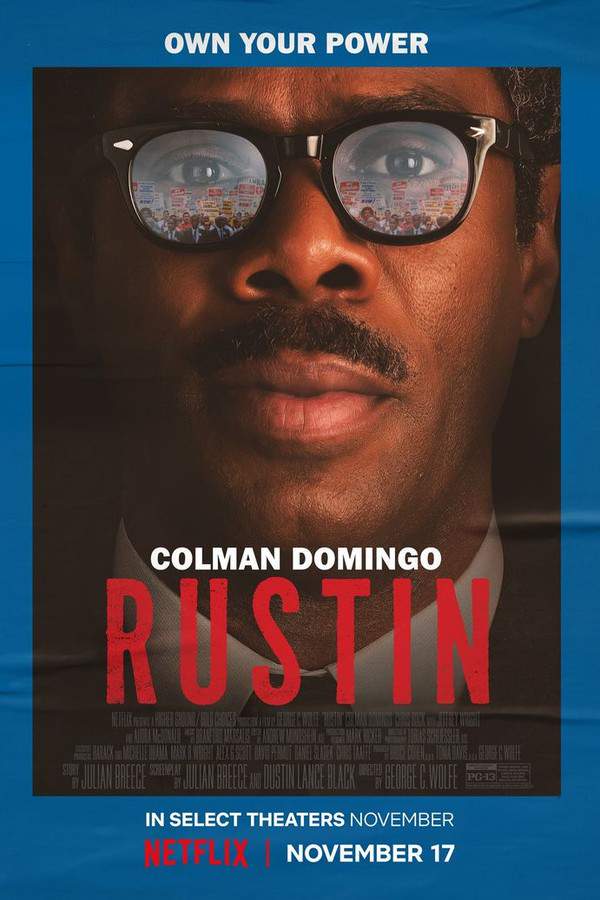
Rustin 2023


Directed by
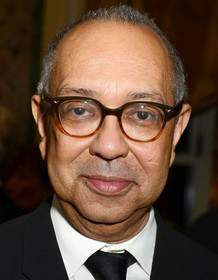
George C. Wolfe
Made by

Higher Ground Productions
Where to Watch Rustin
See current US streaming, rental, and purchase options for Rustin (2023) via JustWatch.


Streaming availability powered by 
Rustin Plot Summary
Read the complete plot summary and ending explained for Rustin (2023). From turning points to emotional moments, uncover what really happened and why it matters.
In 1960, as the civil rights movement fights for racial equality across the United States, activist Bayard Rustin urges Martin Luther King, Jr. to lead a bold protest ahead of the Democratic National Convention. New York Congressman Adam Clayton Powell Jr. and NAACP leader Roy Wilkins grow wary of King’s rising popularity and Rustin’s rising influence, threatening to expose a rumored homosexual relationship between King and Rustin. This pressure pushes Rustin to resign from the Southern Christian Leadership Conference, reshaping his role in the movement.
Three years later, Rustin remains estranged from much of the movement, yet his unwavering commitment to nonviolent action resonates with a new generation of activists. Among them is Tom, his assistant and lover, who stands by Rustin as they plot a large-scale march on Washington, D.C. Rustin turns to the seasoned organizer A. Philip Randolph, a respected architect of peaceful demonstrations, to help build the plan. While there is support from some quarters, including the NAACP’s network through figures like Medgar Evers, Wilkins continues to push back against Rustin’s methods and profile.
Rustin’s personal life grows complicated when he begins an affair with Elias Taylor, a married organizer and pastor. The relationship adds strain to his collaboration with Tom Kahn, and the tension complicates the movement’s dynamics as they press forward with the march’s preparations. The country faces troubling moments of violence, including brutal attacks on demonstrators in Birmingham, which intensify calls for change and push Rustin to leave his posting at the War Resisters League. In the national moment that follows, John Lewis and other young leaders become galvanized, even as the assassination of civil rights organizer [Evers] sends shockwaves through the movement right after President Kennedy calls for civil rights legislation.
Rustin also revisits his conversation with [Martin Luther King, Jr.], recalling the many times police clashed with reformers and how those memories shape his insistence on nonviolent, strategic action. King, wary but moved by Rustin’s persistence, agrees to lend his moral support to the march, even as Wilkins remains skeptical about Rustin’s prominence and reputation. Randolph refuses to abandon the plan, appointing Rustin as his deputy director and giving him broad responsibility to organize what would become a historic demonstration.
In Harlem, Rustin assembles a diverse team of volunteers and organizers, including Cleve Robinson and Dr. Anna Hedgeman, and works out of a temporary office that becomes the nerve center for fundraising, outreach, and logistics. They face bureaucratic barriers and political pressure that test their resolve, and Rustin’s warning to King about powerful political enemies proves prophetic as they navigate a maze of opposition and scrutiny from figures in government and Congress.
As the weeks mount, the plan tightens to a single, all-encompassing day: a 100,000-strong march that would demonstrate national resolve for civil rights in a peaceful, public display. The campaign also tests personal loyalties, with Rustin’s affair with Elias Taylor creating ripples within the leadership circle and among the volunteers, including [Tom]. Yet the movement endures, buoyed by the momentum of thousands who believe in a nonviolent path to equality.
The political landscape grows fiercer when Senator [Strom Thurmond] publicly brands Rustin a communist, and Powell tries to pressure him into stepping down. Yet Rustin’s meticulous organization—driven by seven weeks of intense planning—begins to show its power as the march comes together. A tense moment arrives when Taylor’s pregnant wife delivers a pointed message, prompting Taylor to end the affair, while Thurmond broadcasts details of Rustin’s past arrest for homosexual activity in Pasadena many years earlier. In response, Randolph and King publicly defend Rustin, underscoring the movement’s commitment to principles over personal attacks.
Finally, on August 28, 1963, the March on Washington draws more than 200,000 people to the National Mall and culminates in one of the era’s most enduring moments: King’s iconic “I Have a Dream” speech, delivered before a sea of hopeful faces. Wilkins invites Rustin to join the march’s core leadership at the White House, but he chooses to stay with his volunteers, continuing to shepherd the protest from the ground up. The event marks the moment when the nation’s resolve to pursue civil rights is tested and celebrated in a single, powerful moment of peaceful protest.
The film closes with an epilogue that situates the march as the era’s largest peaceful demonstration to date. Civil rights legislation would follow within the year, and Rustin would later live to see his efforts recognized in the form of personal milestones—meeting a lifelong partner and receiving the Presidential Medal of Freedom—affirming that nonviolent organizing can effect enduring change even in the face of fierce political opposition.
Rustin Timeline
Follow the complete movie timeline of Rustin (2023) with every major event in chronological order. Great for understanding complex plots and story progression.
Rustin pushes King to lead a pre-DNC protest
In 1960, activist Bayard Rustin urges Martin Luther King Jr. to take the lead on a high-profile protest before the Democratic National Convention. The move places King at the center of a growing national civil rights push and triggers political scrutiny from rivals. This seed of strategy foreshadows the intra-movement battles over leadership and credibility.
Powell and Wilkins threaten King's reputation
New York Congressman Adam Clayton Powell Jr. and NAACP leader Roy Wilkins threaten to accuse King of a homosexual relationship with Bayard Rustin to undermine his authority. King’s rising popularity complicates the internal power dynamics of the movement. Rustin resigns from the Southern Christian Leadership Conference amid the pressure.
Rustin’s isolation yields support from younger activists
Three years later, Rustin remains alienated from King and much of the movement, but a new generation embraces his commitment to nonviolence. Tom Kahn, his assistant and lover, brings fresh energy and organizes around his vision. The groundwork begins for a large-scale national march.
Randolph helps, Evers supports, Wilkins resists
A. Philip Randolph agrees to help plan the march and Medgar Evers publicly backs it, yet Roy Wilkins still objects to Rustin's leadership. The rift within major civil rights organizations deepens as the plan gains momentum. Rustin's insistence on nonviolence drives the campaign strategy.
Harlem planning hub forms the core team
Rustin assembles a planning team in a makeshift Harlem office with volunteers like Cleve Robinson and Dr. Anna Hedgeman. The group maps out logistics, fundraising, and messaging while confronting obstacles from officials. The robust grassroots effort signals the march is moving from idea to action.
Rustin warns of powerful enemies; march narrowed to one day
Rustin visits the National Mall to inspect the site but is blocked from meeting DC officials. He warns King that powerful political enemies are aligned against the project and accepts limits imposed by Wilkins and others. The march is reduced to a single day in response to these pressures.
Rustin’s affair with Elias Taylor begins
As fundraising continues, Rustin begins an affair with Elias Taylor, a married organizer and pastor, complicating his partnership with Tom Kahn. The personal entanglements create strain within the planning team even as momentum builds. The organizers press on to secure public support and resources.
Thurmond denounces Rustin; Powell presses to push him out
Senator Strom Thurmond publicly denounces Rustin as a communist, while Powell tries to force him to step down or discredit him politically. The controversy tests the movement’s unity and resilience. Nevertheless, Randolph and King defend Rustin's leadership and capabilities.
Rustin orchestrates a massive march plan
Despite the attacks, Rustin's organizational prowess leads to a planned 100,000-person march in just seven weeks. The effort mobilizes volunteers and funds across the country and reframes the civil rights agenda for a national audience. The campaign makes visible progress even as controversies persist.
Taylor’s wife and the affair end
Taylor's pregnant wife delivers a strongly worded message that leads to the end of their affair. The personal scandal complicates Rustin’s standing but does not derail the March planning. The episode highlights the pressure of public action and private life within the movement.
Rustin’s past arrest publicized; defense mounts
Thurmond publicizes Rustin's arrest for homosexual activity in Pasadena from ten years earlier, attempting to discredit him. Randolph and King publicly defend Rustin, emphasizing his contributions and the injustice of the attacks. The personal history becomes a political test for the movement’s unity.
March on Washington culminates in a defining moment
On August 28, 1963, the March on Washington gathers over 200,000 people on the National Mall in front of the Lincoln Memorial. The demonstration culminates with Martin Luther King Jr.’s speech, a defining moment in the civil rights era. Rustin remains with his volunteers, not joining the official march leadership at the White House.
Epilogue: Civil Rights Act and Rustin's legacy
The Civil Rights Act is enacted within months of the march, marking a major legislative victory. Rustin later meets his lifelong partner and receives the Presidential Medal of Freedom, underscoring the enduring impact of his nonviolent strategy. The march cements a lasting framework for civil rights activism in the United States.
Rustin Characters
Explore all characters from Rustin (2023). Get detailed profiles with their roles, arcs, and key relationships explained.
Bayard Rustin
A seasoned strategist and dedicated pacifist, Rustin organizes the March on Washington and steers the movement's nonviolent ethos. He navigates political opposition and internal strife while coordinating a broad coalition. His private life, including a relationship with Elias Taylor, tests his resolve and commitment to the cause.
Martin Luther King, Jr.
The movement's charismatic figure, King embodies hopeful rhetoric and moral authority. He wrestles with strategy and public expectations while aligning with Rustin on the march's goals. His leadership helps galvanize a nationwide push for equality, even as he faces political pushback.
Roy Wilkins
As NAACP leader, Wilkins questions Rustin's influence and the pace of change, sometimes clashing with King and Randolph. He represents institutional caution and political pragmatism within the movement. His stance shapes how the coalition navigates public perception and strategy.
Adam Clayton Powell Jr.
Powell challenges the movement's direction and publicly pressures Rustin, testing loyalty and political theater. He embodies the confrontational side of political maneuvering within civil rights leadership. His actions highlight the fragility of alliances during a high-stakes campaign.
A. Philip Randolph
Randolph, the respected architect of previous civil rights demonstrations, collaborates with Rustin to marshal support for a mass march. He lends credibility and organizational depth, appointing Rustin as deputy director to lead planning efforts. His experience underscores the generational transfer of civil rights strategy.
Tom
Tom Kahn, Rustin's assistant and lover, plays a pivotal role in coordinating logistics and rallying volunteers. His partnership with Rustin contributes to the movement's momentum, even as personal tensions influence professional decisions. He embodies the human cost and complexity of organizing a nationwide protest.
Elias Taylor
Elias Taylor, a married organizer and pastor, enters into a complicated affair with Rustin. His relationship tests personal loyalties and the movement's unity, reflecting the pressures activists face beyond public activism. He remains committed to organizing and advancing the cause despite personal entanglements.
Ella Baker
Ella Baker is depicted as a guiding force within the movement, emphasizing grassroots organizing and inclusive leadership. Her experience helps shape strategy and community empowerment on the ground. She embodies the quiet resilience of the movement's most influential behind-the-scenes leaders.
John Lewis
John Lewis appears as a young, energetic voice in the movement, contributing to planning and execution of nonviolent protests. His optimism and courage help sustain momentum through challenges and opposition. He represents the next generation carrying the torch of civil rights.
Whitney Young
Whitney Young is portrayed as a pragmatic civil rights leader who balances bold advocacy with political realism. He works to keep the coalition united and maximize the impact of the march. His stance reflects the nuanced approaches within the movement to achieve policy change.
Cleve Robinson
Cleve Robinson contributes to the organizing team with practical know-how and activist energy. He helps coordinate volunteers and logistics, ensuring the march remains focused and peaceful. His role underscores the broad network of everyday organizers behind the iconic event.
Rustin Settings
Learn where and when Rustin (2023) takes place. Explore the film’s settings, era, and how they shape the narrative.
Time period
1960s
Set in the early 1960s, the narrative tracks the build-up from 1960 through the pivotal August 1963 March on Washington. It sits amid a period of intense political pressure, media scrutiny, and growing momentum for civil rights legislation. The era is defined by strategic nonviolence, mass mobilization, and a shifting public conversation about equality.
Location
Harlem, New York, Washington, D.C., Pasadena, California, Birmingham, Alabama
The story unfolds across Harlem's activist hubs and the national stage of Washington, D.C., culminating in the March on Washington at the Lincoln Memorial. The Harlem makeshift office scenes and rallies in the National Mall showcase the movement's grassroots energy and symbolic power. The film also nods to Pasadena and Birmingham, reminders of challenges faced by organizers and communities touched by the era.
Rustin Themes
Discover the main themes in Rustin (2023). Analyze the deeper meanings, emotional layers, and social commentary behind the film.
🕊️
Nonviolence
Rustin's unwavering commitment to nonviolent action shapes the movement's tactics and messaging. The plan for peaceful mass demonstration is built around restraint in the face of opposition and violence. The theme highlights how discipline, patience, and principled methods can drive lasting social change.
🤝
Coalition-building
The March on Washington unites diverse leaders—Rustin, King, Randolph, and others—each bringing competing priorities into a common cause. The film emphasizes negotiation, strategic compromise, and the delicate balance required to keep a broad coalition intact. It also reveals tensions that test loyalty and the integrity of the movement.
📜
Civil Rights Legacy
The march is shown as a watershed moment that translates years of planning into tangible political achievement, contributing to the Civil Rights Act and related reforms. Rustin's organizational vision is framed as a catalyst for broad social change, illustrating how logistics and leadership enable landmark victories. The film situates the event within a continuing struggle for equality and recognition.
🗣️
Identity & Public Scrutiny
Rustin's private life and sexual orientation become focal points in how he is perceived by peers and the public. The story examines how rumors and political attacks intersect with advocacy work, shaping strategy and morale. It portrays the resilience required to advance justice under intense scrutiny.

Coming soon on iOS and Android
The Plot Explained Mobile App
From blockbusters to hidden gems — dive into movie stories anytime, anywhere. Save your favorites, discover plots faster, and never miss a twist again.
Sign up to be the first to know when we launch. Your email stays private — always.
Explore the mobile appRustin Ending Explained
Unravel the ending of Rustin (2023) with our detailed explanation. Understand the final scenes, character fates, and unresolved questions.
The ending of Rustin celebrates a significant victory in the Civil Rights Movement. After years of struggle, Bayard Rustin successfully orchestrates the historic March on Washington in 1963, which mobilizes around 250,000 people to demand racial equality. The march culminates with Martin Luther King Jr.’s iconic “I Have a Dream” speech, symbolizing hope and unity for a future free of racial discrimination. This powerful event prompts governmental recognition, as President Kennedy and other leaders begin to support civil rights initiatives, leading to the passage of the Civil Rights Act in 1964, which outlaws racial and ethnic discrimination.
Throughout the film, Rustin’s personal story reveals the complex challenges he faced—not only as a Black man fighting systemic racism but also as a gay man whose sexuality was heavily stigmatized. His identity created additional obstacles when his reputation and personal life were attacked or used against him, even within the movement he helped lead. Despite these hardships, Rustin’s unwavering dedication to social justice and equality ultimately helped propel the movement forward. The film concludes with Rustin’s legacy secured through this victorious march, as well as through his continued activism and love, particularly with Walter Neagle, highlighting his lifelong commitment to fighting for both racial and LGBTQ rights.
Rustin Spoiler-Free Summary
Discover the spoiler-free summary of Rustin (2023). Get a concise overview without any spoilers.
In the turbulent early 1960s United States, a nation grapples with a fierce struggle for racial equality, while political institutions teeter between progress and entrenched resistance. Within this charged landscape, Bayard Rustin emerges as a quiet yet formidable architect of collective action, channeling his keen strategic mind into the heart of the civil‑rights movement. The film paints a world where public rallies and private boardrooms intersect, and where the stakes of each decision echo far beyond the streets of any single city.
Beyond his public role, Rustin carries the weight of personal secrecy, navigating the double marginalization of being both a Black activist and a gay man in an era that demands conformity. His relationships with allies—most notably his steadfast companion and confidant, Tom—provide an intimate counterpoint to the high‑stakes political arena. The dynamic between Rustin and figures such as Martin Luther King Jr. and the veteran organizer A. Philip Randolph is rendered with an undercurrent of respect, tension, and mutual reliance, highlighting how differing visions must intertwine to keep the movement moving forward.
The tone of the story is one of measured urgency, blending the measured calm of nonviolent philosophy with the restless energy of a generation demanding change. Behind closed doors, a diverse coalition of volunteers and thinkers gathers in cramped offices, their discussions punctuated by the hum of a nation on the brink. The film conveys the meticulous, almost surgical preparation required to turn a bold idea into a nationwide demonstration, while also exposing the political pressures and social prejudices that seek to undermine it.
Through its atmospheric cinematography and layered character work, the narrative invites viewers to feel the weight of history in the making and to recognize the quiet heroism of a man whose dedication to equality transcended personal sacrifice. The story lingers on the paradox of public triumph built on private vulnerability, leaving a lingering curiosity about how these forces will ultimately converge.
Movies with Similar Twists and Themes
Uncover films that echo the narrative beats, emotional arcs, or dramatic twists of the one you're exploring. These recommendations are handpicked based on story depth, thematic resonance, and spoiler-worthy moments — perfect for fans who crave more of the same intrigue.
Featured on this page

What's After the Movie?
Not sure whether to stay after the credits? Find out!
Check out our other apps:

SAT Sphere
Build confidence for the Digital SAT.

Mori Atlas
Discover wild places worth protecting.

Luntero
Search smarter for a home in Amsterdam.

Plot Explained
Unravel movie endings and hidden clues.

Pokechamp
Dive into Pokémon data and battle logic.

Driving Theory
Get ready for your European theory test.

Movie Dust
Plan your next cinema trip with ease.

Musemap
Find art and culture as you travel.

Selkobase
Compare credentials before committing.

Local Manual
Turn an unfamiliar country into practical next steps.

Lernavi
Compare school systems before your next move.

GymRoam
Find a workout stop wherever your plans take you.
Explore Our Movie Platform
New Movie Releases (2026)
Famous Movie Actors
Top Film Production Studios
Movie Plot Summaries & Endings
Major Movie Awards & Winners
Best Concert Films & Music Documentaries
Movie Collections and Curated Lists
© 2026 What's After the Movie. All rights reserved.
Privacy Policy