
Roxie Hart 1942

Directed by

William A. Wellman
Made by

20th Century Fox
Roxie Hart Plot Summary
Read the complete plot summary and ending explained for Roxie Hart (1942). From turning points to emotional moments, uncover what really happened and why it matters.
Stuart Chapman starts a new job as a newspaper reporter in Chicago and is pulled into a murder investigation alongside his veteran colleague Homer Howard. After a long day, the pair share a drink in a bar, and Homer recalls a case from 1927—a murder involving the young dancer Roxie Hart.
In 1927, a theatre booking agent named Fred Casely is murdered, and his body is found in Roxie Hart’s apartment. Roxie Hart, Ginger Rogers, becomes entangled when the crime links back to her. Roxie’s husband, Amos Hart, George Chandler, is questioned by the police as the investigation unfolds. Reporter Jake Callahan, Lynne Overman, and Casely’s partner E. Clay Benham, Nigel Bruce, press Roxie to cooperate and even let herself be arrested, arguing that a woman is unlikely to be convicted in Chicago and that the fame could revive Roxie’s fading career.
In jail, Roxie speaks to reporters, including Homer, whose career is just starting to take shape. Her defense is handled by Billy Flynn, the showman of a lawyer, Adolphe Menjou, who crafts a courtroom strategy that leans on Roxie’s appearance as a vulnerable, wronged woman. Flynn arranges a string of interviews with the press and orchestrates Roxie’s performance of her trademark dance, the “Black Hula,” to captivate public attention.
Homer becomes one of the reporters charmed by Roxie, and he also uncovers a crucial lead from Michael Finnegan, Frank Darien, the janitor in Roxie’s building, who reveals that Amos is the actual killer. Motivated to help Roxie, Homer digs deeper while Flynn stretches the timeline to keep Roxie’s trial out of the spotlight. Roxie schemes to win public sympathy by feigning pregnancy, a trick that buys her more time and delays the proceedings.
Flynn’s strategy pays off as Roxie’s early courtroom triumph grows, and Amos is arrested instead, diverting attention away from her. Faced with a choice between the earnest but poor Homer and a wealthier court-connected suitor, a stockbroker named O’Malley, Roxie navigates a precarious path between love, money, and fame. The legal theater, media sensationalism, and shifting loyalties form the core of the drama, as the case becomes as much about public perception as about the facts.
Back in 1942, Homer finishes his recounting and leaves the bar with the sense that the story has defined two lives. The bartender—who turns out to be O’Malley, a man who lost everything in the 1929 stock market crash—listens as Homer’s tale winds down. Moments later, Roxie herself arrives with their six children, announcing that she is pregnant with another, closing the loop on a life shaped by ambition, scandal, and the ever-watchful gaze of the public.
Roxie Hart Timeline
Follow the complete movie timeline of Roxie Hart (1942) with every major event in chronological order. Great for understanding complex plots and story progression.
New reporter in Chicago starts a big assignment
Stuart Chapman begins his first big assignment as a newspaper reporter in Chicago, eager but new to the beat. He is quickly pulled into a murder investigation alongside veteran Homer Howard, forcing him to prove himself.
Homer recounts a 1927 case to his new colleague
Over drinks at a bar, Homer recounts a case from 1927 involving Roxie Hart. The tale hints at glamour, danger, and the social machinery that surrounds sensational crimes.
Fred Casely murdered; body found in Roxie Hart's apartment
In 1927, theater booking agent Fred Casely is murdered and his body is found in Roxie Hart's apartment. Police begin questioning Roxie and her husband Amos, turning a private life into a public scandal. The case becomes a catalyst for Roxie's rise to fame.
Amos Hart questioned by police
Amos Hart is questioned by the police as part of the initial investigation. Tensions rise in the Hart household as suspicion falls on the husband.
Roxie persuaded to surrender and seek fame
Reporters Jake Callahan and E. Clay Benham persuade Roxie to let herself be arrested for the murder, arguing that a woman's trial would bring fame and revitalize her fading career. Roxie agrees, hoping public sympathy will carry her through.
Roxie in jail; talks to reporters
While in jail, Roxie talks to reporters about the case, including Homer. The publicity machine begins shaping her image as a wronged but sympathetic figure.
Homer learns the killer is Amos and decides to help Roxie
Homer learns from janitor Michael Finnegan that Amos is the real killer and decides to help Roxie, going against the newsroom's expectations. He becomes a quiet ally in her defense.
Roxie feigns pregnancy to sway public opinion
Public sentiment shifts as Roxie pretends to be pregnant to garner sympathy and keep the case in the public eye. The ruse feeds the media frenzy and courtroom theater surrounding her trial.
Flynn delays the trial and arranges a divorce
Billy Flynn moves Roxie's trial further into the future to buy time and maintain public sympathy. He also engineers Amos's divorce to remove a potential obstacle to Roxie's case.
Finnegan's statement is ruled inadmissible
Roxie asks Flynn to summon Finnegan to testify, but the written statement he left behind is ruled inadmissible. The defense loses a key piece of potential evidence.
Roxie faints; not guilty verdict yields arrest for Amos
Roxie's dramatic fainting in front of the jury sways public opinion and the courtroom drama culminates in a not guilty verdict for Roxie. In the aftermath, Amos is arrested, stealing the spotlight from Roxie.
Roxie must choose between Homer and O'Malley
With the case behind her, Roxie faces a personal crossroads, choosing between marrying the poor reporter Homer or the wealthy stockbroker O'Malley. The decision marks the end of her ascent in the spotlight and hints at her future.
1942 present-day: Homer finishes the story; bartender is O'Malley
In present-day 1942, Homer finishes telling the story and the bartender reveals himself as O'Malley, the former stockbroker who figures into Roxie's past. The twist ties the flashback to the bar's current owner.
Roxie arrives home with six children; pregnant again
Moments later, Roxie arrives with their six children and announces she is pregnant with another. Homer is reunited with his wife, bringing the long tale to a close as their family expands.
Roxie Hart Characters
Explore all characters from Roxie Hart (1942). Get detailed profiles with their roles, arcs, and key relationships explained.
Roxie Hart (Ginger Rogers)
A young dancer whose pursuit of fame leads her to let herself be arrested for murder, banking on the idea that a sensational trial will revive her career. She skillfully uses media attention and public perception to her advantage, navigating romantic and legal pressures to stay in the spotlight.
Homer Howard (George Montgomery)
A veteran journalist who becomes involved in Roxie’s case and questions the justice system. He evolves from a new voice in reporting to a more principled ally who helps uncover the truths behind the sensational headlines.
Amos Hart (George Chandler)
Roxie's husband, initially suspected of involvement in the murder. He embodies the personal costs of fame-seeking crime stories and ultimately faces legal peril as the case unfolds, influencing Roxie’s fate and public sympathy.
Billy Flynn (Adolphe Menjou)
A high-profile, flamboyant lawyer hired to defend Roxie. He engineers the courtroom spectacle, using charm and manipulation to shape the narrative and exploit the media circus surrounding the case.
Jake Callahan (Lynne Overman)
Casely’s partner and a persuasive reporter who helps influence Roxie to surrender to arrest. He embodies the push-and-pull of journalistic ethics and sensational storytelling during the trial era.
Gertie Baxter (Iris Adrian)
A rival 'lady criminal' who competes for publicity, illustrating how the media cycles through different female figures of crime to sustain public interest and sensational coverage.
Mary Sunshine (Spring Byington)
A public-facing figure in the press orbit who amplifies or moderates the sensational narratives around Roxie and the crime tale, reflecting the era’s flirtation with celebrity journalism.
Roxie Hart Settings
Learn where and when Roxie Hart (1942) takes place. Explore the film’s settings, era, and how they shape the narrative.
Time period
1927, 1942
The central events unfold in 1927 Chicago, during the Jazz Age and Prohibition. A present-day frame is set in 1942, with a veteran reporter recounting the case from years earlier. The two periods contrast reckless sensationalism in the 1920s with a more reflective perspective in the 1940s.
Location
Chicago
Chicago in the late 1920s is a fast-paced metropolis where theaters, speakeasies, and the press collide. Public figures and the press shape reputations through sensational stories, turning crime into a city-wide spectacle. The environment of corruption and showmanship heightens the drama around Roxie Hart’s case, with barrooms, theaters, and courts as key stages.
Roxie Hart Themes
Discover the main themes in Roxie Hart (1942). Analyze the deeper meanings, emotional layers, and social commentary behind the film.
📰
Media Manipulation
The story centers on how the press shapes a crime narrative to boost ratings and fame. Journalists chase sensational interviews and staged moments, transforming Roxie Hart into a public spectacle. The coverage influences public perception and even courtroom strategy. This theme shows how media power can override facts in the court of public opinion.
⚖️
Justice and Exploitation
The defense leverages gender stereotypes to win sympathy for Roxie, highlighting how the legal system can be swayed by appearances. Evidence is manipulated or delayed to sustain Roxie's narrative, while real guilt is obscured by publicity. The contrast between Roxie’s acquittal and Amos’s arrest exposes the gap between legal outcomes and public drama. The courtroom becomes a stage where justice and publicity collide.

Coming soon on iOS and Android
The Plot Explained Mobile App
From blockbusters to hidden gems — dive into movie stories anytime, anywhere. Save your favorites, discover plots faster, and never miss a twist again.
Sign up to be the first to know when we launch. Your email stays private — always.
Explore the mobile appRoxie Hart Spoiler-Free Summary
Discover the spoiler-free summary of Roxie Hart (1942). Get a concise overview without any spoilers.
In a rain‑slick Chicago café of 1942, the city’s night‑life hums beneath the soft glow of amber lamps. A veteran reporter stands before a growing crowd, his voice cutting through the clatter as he prepares to recount a story that once seized the nation’s imagination. The atmosphere is thick with nostalgia and the faint perfume of old headlines, promising a glimpse into a bygone era where headlines could turn ordinary lives into myth.
Homer Howard—the seasoned journalist who commands the room—offers a window into that turbulent past. He speaks of a young dancer whose name became synonymous with scandal, a figure whose rise and fall were amplified by a press hungry for drama. The world he describes is a collision of glittering theater marquees, smoky back‑room meetings, and the relentless churn of newspapers, each vying to shape public perception in a city that never sleeps.
Enter Stuart Chapman, fresh from the newsroom and eager to make his mark. The newcomer finds himself pulled into the swirling vortex of the old case, navigating the same corridors of power where a charismatic lawyer, Billy Flynn, once turned courtroom rhetoric into theatrical performance, and where Amos Hart, the dancer’s husband, existed at the crossroads of loyalty and suspicion. Their interactions hint at a delicate balance of ambition, love, and the seductive promise of fame that can both elevate and endanger.
As the story unfolds over drinks, a quiet patron—O’Malley, a once‑wealthy stockbroker scarred by the crash—listens with measured interest. The tale lingers in the air, a reminder that the echo of a single sensational saga can reverberate through decades, shaping lives long after the headlines have faded.
Movies with Similar Twists and Themes
Uncover films that echo the narrative beats, emotional arcs, or dramatic twists of the one you're exploring. These recommendations are handpicked based on story depth, thematic resonance, and spoiler-worthy moments — perfect for fans who crave more of the same intrigue.
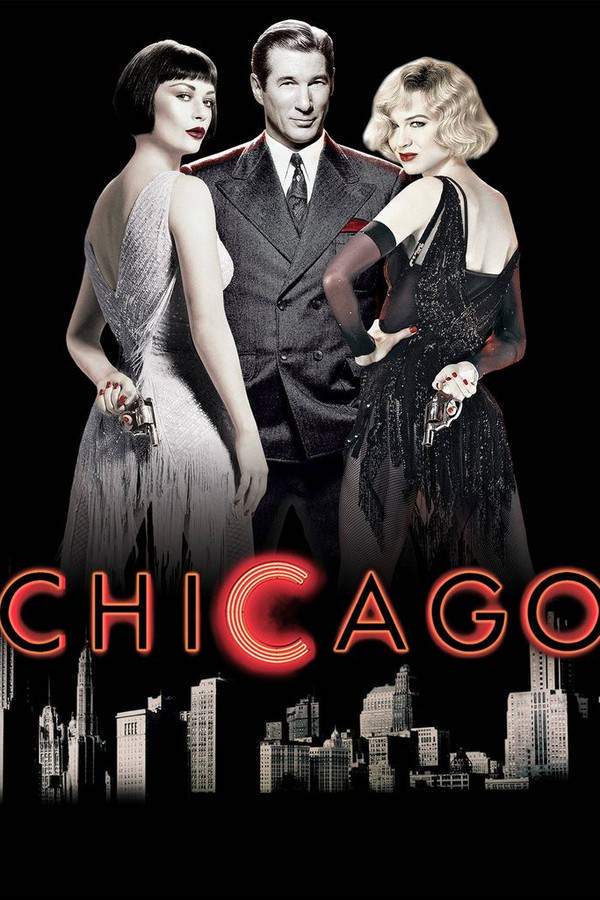



Featured on this page

What's After the Movie?
Not sure whether to stay after the credits? Find out!
Check out our other apps:

SAT Sphere
Build confidence for the Digital SAT.

Mori Atlas
Discover wild places worth protecting.

Luntero
Search smarter for a home in Amsterdam.

Plot Explained
Unravel movie endings and hidden clues.

Pokechamp
Dive into Pokémon data and battle logic.

Driving Theory
Get ready for your European theory test.

Movie Dust
Plan your next cinema trip with ease.

Musemap
Find art and culture as you travel.

Selkobase
Compare credentials before committing.

Local Manual
Turn an unfamiliar country into practical next steps.

Lernavi
Compare school systems before your next move.

GymRoam
Find a workout stop wherever your plans take you.
Explore Our Movie Platform
New Movie Releases (2026)
Famous Movie Actors
Top Film Production Studios
Movie Plot Summaries & Endings
Major Movie Awards & Winners
Best Concert Films & Music Documentaries
Movie Collections and Curated Lists
© 2026 What's After the Movie. All rights reserved.
Privacy Policy