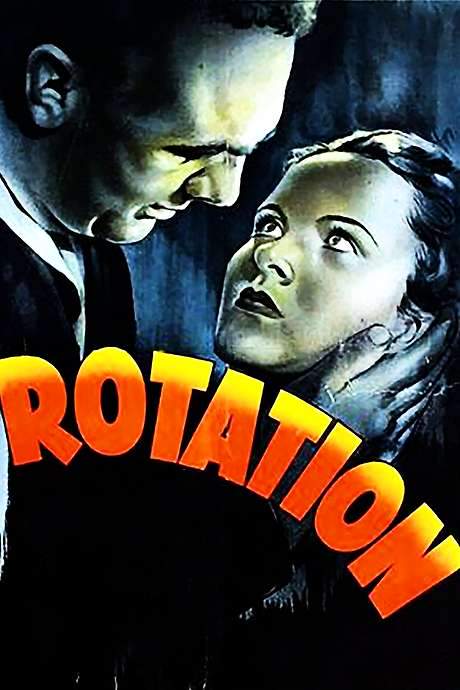


Where to Watch Rotation
See current US streaming, rental, and purchase options for Rotation (1949) via JustWatch.

Streaming availability powered by 
Rotation Plot Summary
Read the complete plot summary and ending explained for Rotation (1949). From turning points to emotional moments, uncover what really happened and why it matters.
The film opens with scenes of Berlin during World War II, where bombs and explosions punctuate the city and a tense score threads through the chaos. It then jumps back twenty years to trace the life of a typical factory worker through a series of intimate vignettes that reveal how a man who opposes Nazi ideology could still be drawn into cooperating with the regime. The narrative foregrounds the brutal unemployment of 1920s Germany and, later, the pressure that threatens his job for not belonging to the Nazi party, painting a portrait of a man caught between conscience and survival.
To keep his family from slipping into poverty, Hans Behnke reluctantly joins the Nazi party, even as he continues to show signs of dissent. The story makes clear that his decision is driven by fear of losing his livelihood and the desire to provide for those he loves, not by wholehearted agreement with the regime. As the regime tightens its grip, his inner conflict deepens, and a spark of resistance still flickers beneath the surface. He eventually becomes involved with a resistance group tasked with printing anti-war propaganda, a bold act that places him on a dangerous slippery slope.
That perilous path comes to a head when he is betrayed to the authorities by his own son, Hellmuth Behnke. Arrest and imprisonment follow, and the film then cuts back to the wartime present, where the opening scenes’ tension begint to resolve in a stark reversal of fortunes. Hans is eventually freed, but the war has claimed the life of his wife, Charlotte Behnke, leaving a family scar that underscores the personal cost of political upheaval.
In the final arc, the narrative centers on reconciliation and the uneasy hope of a new beginning. Hans’s relationship with his son threads toward a tentative future, as Helmut begins a life with his girlfriend and looks toward a path that might diverge from his father’s mistakes. The closing moments deliberately mirror the opening—two people starting anew under the shadow of war—yet they carry a renewed sense of possibility: dialog and imagery suggest that Helmut will strive not to repeat his father’s errors, even as the memory of a fractured family lingers.
Rotation Timeline
Follow the complete movie timeline of Rotation (1949) with every major event in chronological order. Great for understanding complex plots and story progression.
Opening: Berlin under bombardment
The film opens with Berlin during World War II, where bombs explode and the city is engulfed in danger. The chaotic war ground sets the tonal backdrop for a story about ordinary people under a brutal regime. The scene introduces the immediacy of conflict that frames later personal choices.
Flashback to 1920s Germany
The story shifts twenty years back to follow Hans Behnke, a factory worker facing routine economic hardship. Through vignettes, we see the era’s high unemployment and precarious livelihoods that pressure people toward conformity. Hans’s daily life becomes a microcosm of a society on the brink.
Threat to his job without Nazi party membership
As the Nazi party rises, Hans confronts the risk that his employment will be jeopardized if he does not join. The fear of unemployment pushes him toward political compliance as a survival strategy. The choice foreshadows the moral compromises he will later wrestle with.
Hans joins the Nazi Party
To provide for his family, Hans outwardly aligns with the party and accepts its security and stability. The move marks a pragmatic compromise that blurs his personal beliefs with the demands of the regime. Beneath the surface, his doubts begin to take shape.
Silent disagreements and inner conflict
Even as a party member, Hans demonstrates quiet dissent and tries to distance himself from the regime’s ideology. This inner conflict reveals the tension between economic necessity and moral conviction. It plants seeds for later acts of resistance.
Aiding resistance with anti-war propaganda
Hans secretly supports a resistance group by helping print anti-war propaganda, a dangerous act that could expose him to punishment. His growing courage under threat marks a shift from compliance to active opposition. This action hints at the personal cost his family will eventually face.
Helmut betrays his father
Hans learns that his own son, Helmut, has betrayed him by turning him in to the authorities. The betrayal underscores the regime’s intrusive reach into family life and the stakes of dissent. Hans is arrested as a consequence of this act.
Hans imprisoned; timeline returns to present
Hans is jailed for his resistance activities, and the narrative returns to the film’s opening frame. The present timeline follows his fate behind bars and the impact of his past decisions. The transition links the two timelines to emphasize causality.
Release and personal loss
Hans is eventually freed from prison, but his wife Charlotte has been killed in the war. The war’s toll is personal, not merely political, leaving a scar on the family. The couple’s earlier choices resonate in their ongoing losses.
Reconciliation with Helmut and new beginnings
In the closing act, Hans reconciles with Helmut, who begins a new life with his girlfriend. The scene offers a glimmer of hope that his son will not repeat his father’s mistakes. It reframes the past as a cautionary tale and points toward renewal.
Ending echoes the opening
The final scenes mirror the opening Berlin setting but carry dialogue and symbolism that suggest Helmut will avoid his father’s path. The film closes with a sense of accountability and the possibility of change.
Hans's legacy in context
Across the timeline, Hans’s arc—from a worker to a reluctant participant in oppression and then to a resistant figure—highlights the moral ambiguity faced by ordinary people under totalitarian regimes. The story uses personal stakes to explore complicity, resistance, and consequence.
Rotation Characters
Explore all characters from Rotation (1949). Get detailed profiles with their roles, arcs, and key relationships explained.
Hans Behnke (Paul Esser)
Hans Behnke is a factory worker who faces unemployment and political pressure in Weimar Germany and later under Nazi rule. He initially opposes Nazi ideology but joins the party to secure his family's livelihood and avoid job loss. Though he becomes entangled in the regime's machinery, he privately disagrees and secretly supports anti-war propaganda. His arc examines how ordinary people navigate moral compromise, risking consequences for their loved ones.
Charlotte Blank Behnke (Irene Korb)
Charlotte Behnke is Hans's wife who bears the weight of war on the home front. She endures strain from wartime upheaval and personal loss. She is killed in the war, symbolizing the civilian cost of conflict and the fragility of domestic life.
Hellmuth Behnke (Helmut Behnke) (Karl-Heinz Deickert)
Hellmuth Behnke is Hans and Charlotte's son, torn between family loyalty and the regime's demands. He betrays his father by turning him in, illustrating the generational pressures under authoritarian rule. His later life hints at moving away from the past as he starts anew with his girlfriend.
Rotation Settings
Learn where and when Rotation (1949) takes place. Explore the film’s settings, era, and how they shape the narrative.
Time period
1920s and 1940s (World War II era)
The narrative moves between the 1920s, a period of high unemployment and political volatility in Germany, and the 1940s, when Berlin faces bombing and total war. These eras frame Hans Behnke’s choices, showing how economic desperation and wartime propaganda shape personal ethics. The timeline links Weimar instability to the collapse of individual responsibility under fascism.
Location
Berlin, Germany
Berlin is the central setting, a city that embodies both the everyday life of German workers and the devastation of war. The film also explores post-Weimar Germany through the 1920s and the later bombing of Berlin in World War II. The urban environment reflects the pressure to conform and the fragility of personal lives under totalitarian rule. The setting anchors the moral evolution of Hans Behnke and his family.
Rotation Themes
Discover the main themes in Rotation (1949). Analyze the deeper meanings, emotional layers, and social commentary behind the film.
🕯️
Conformity
The film examines how ordinary workers bend to a totalitarian regime in the name of stability. Hans joins the Nazi party to secure his family's future, illustrating the pressure to conform when survival is on the line. Yet the story keeps a thread of moral doubt, showing that private beliefs can diverge from public allegiance.
🛡️
Resistance
Despite outward conformity, the narrative exposes acts of resistance, including Hans's aid to anti-war propaganda. The tension between obedience and conscience drives risk-taking under secrecy. The eventual betrayal by a family member underscores the costs of dissent in a climate of suspicion.
💔
Family
The movie centers on the impact of political violence on a family. Hans's efforts to provide for his loved ones collide with his moral compromises. The loss of Charlotte and the complicated father–son dynamic with Helmut reveal how war fractures domestic life. The ending suggests that empathy and reconciliation can outlast the cycle of guilt.

Coming soon on iOS and Android
The Plot Explained Mobile App
From blockbusters to hidden gems — dive into movie stories anytime, anywhere. Save your favorites, discover plots faster, and never miss a twist again.
Sign up to be the first to know when we launch. Your email stays private — always.
Explore the mobile appRotation Spoiler-Free Summary
Discover the spoiler-free summary of Rotation (1949). Get a concise overview without any spoilers.
Against the backdrop of a city under siege, Rotation weaves a narrative that shifts between the explosive chaos of World War II and the stifling atmosphere of the years preceding it. The film opens with the terrifying sights and sounds of Berlin under bombardment before jumping back two decades to trace the slow, suffocating rise of totalitarianism. Through a series of intimate vignettes, it explores how a society fractured by economic desperation begins to turn on itself, setting the stage for a personal struggle that mirrors a national tragedy.
At the center stands Hans Behnke, a mechanic attempting to navigate the brutal unemployment of the 1920s and the escalating pressure to conform. He initially views membership in the Nazi Party not as an ideological commitment, but as a pragmatic path to financial stability for his family. Despite his self-identification as a “non-political man” and his quiet dissent, the widening gap between his personal conscience and the demands of the regime forces him into an impossible corner where safety and integrity seem mutually exclusive.
As the grip of the state tightens, Hans finds that claiming neutrality offers no shield against the reality unfolding around him. The deportation of his Jewish neighbors serves as a grim turning point, shattering the illusion that one can simply retreat from the political tide. The film paints a complex portrait of a man caught between the instinct to provide for those he loves and the creeping realization that even passive cooperation carries a heavy moral price.
Movies with Similar Twists and Themes
Uncover films that echo the narrative beats, emotional arcs, or dramatic twists of the one you're exploring. These recommendations are handpicked based on story depth, thematic resonance, and spoiler-worthy moments — perfect for fans who crave more of the same intrigue.
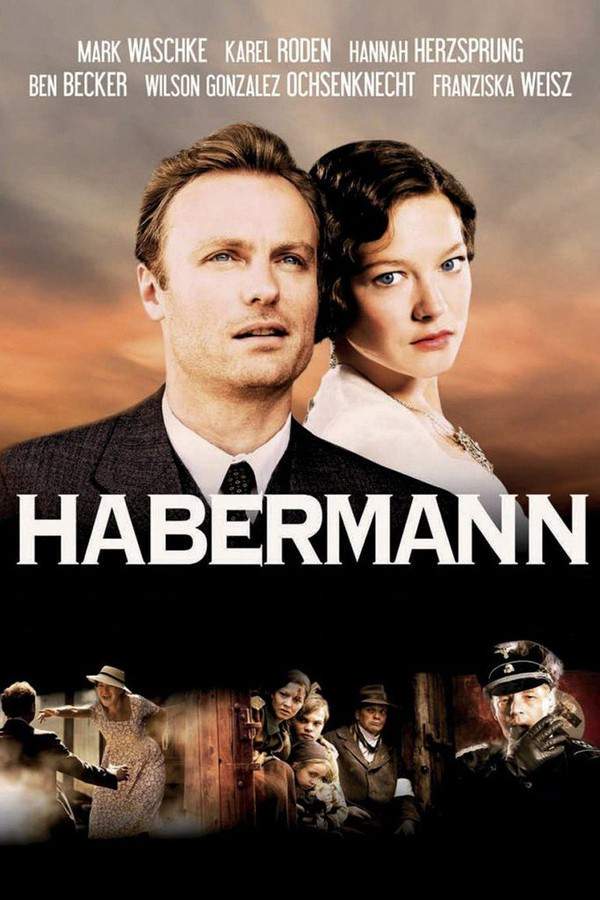
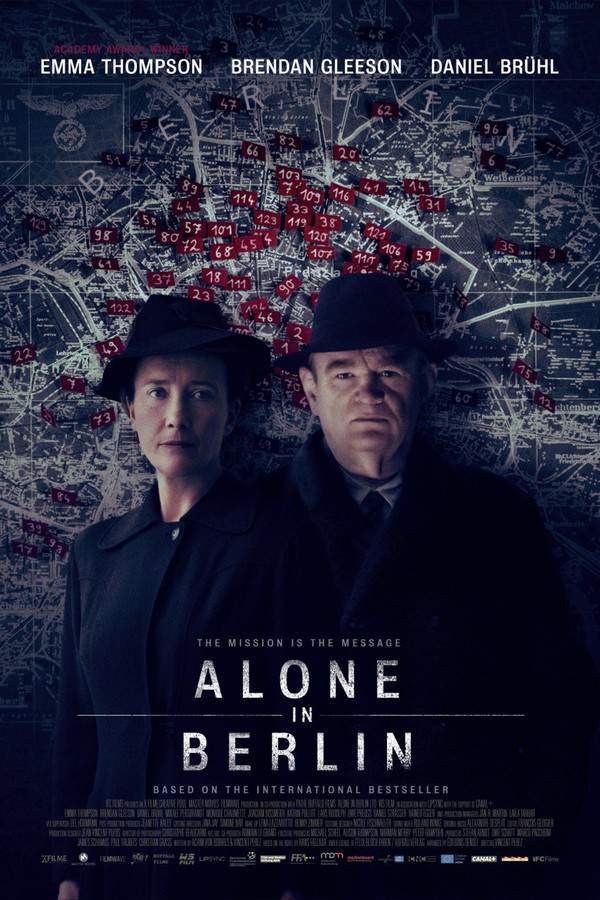
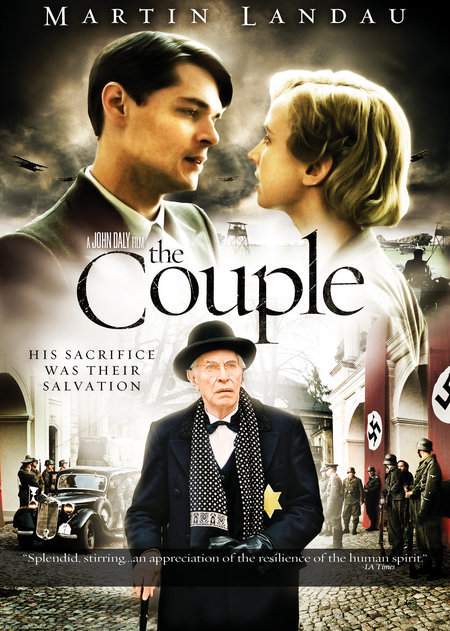
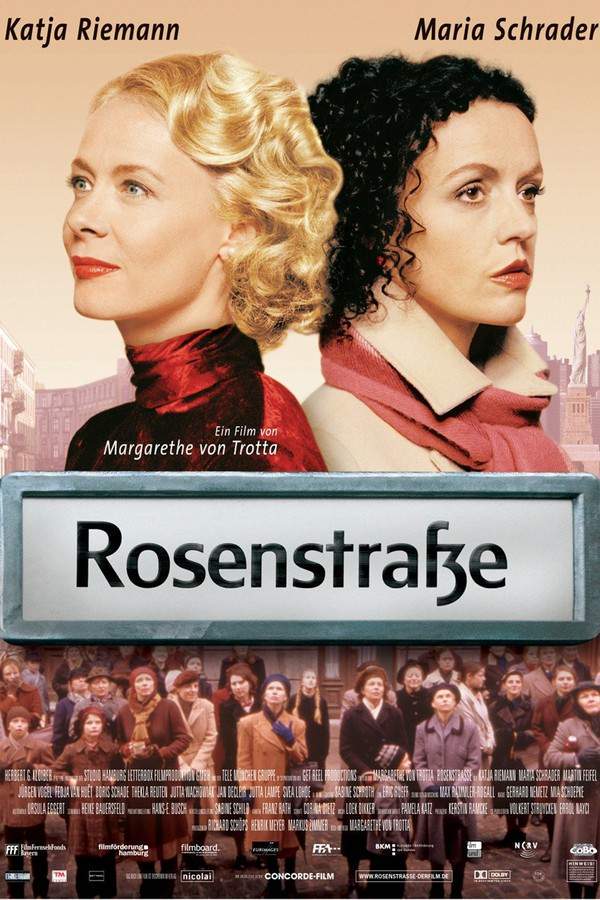

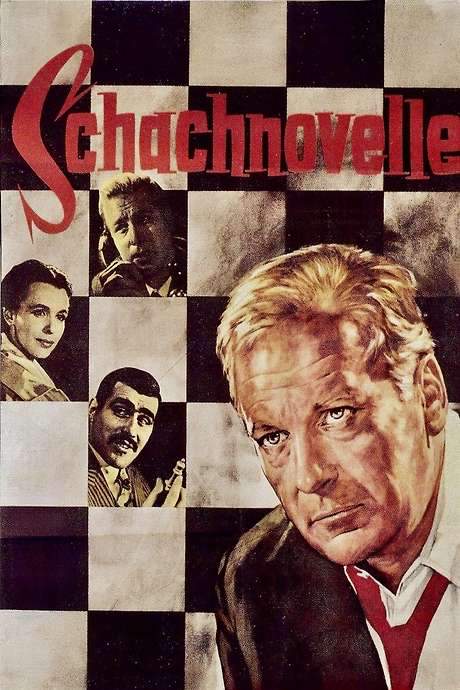


Featured on this page

What's After the Movie?
Not sure whether to stay after the credits? Find out!
Check out our other apps:

SAT Sphere
Build confidence for the Digital SAT.

Mori Atlas
Discover wild places worth protecting.

Luntero
Search smarter for a home in Amsterdam.

Plot Explained
Unravel movie endings and hidden clues.

Pokechamp
Dive into Pokémon data and battle logic.

Driving Theory
Get ready for your European theory test.

Movie Dust
Plan your next cinema trip with ease.

Musemap
Find art and culture as you travel.

Selkobase
Compare credentials before committing.

Local Manual
Turn an unfamiliar country into practical next steps.

Lernavi
Compare school systems before your next move.

GymRoam
Find a workout stop wherever your plans take you.
Explore Our Movie Platform
New Movie Releases (2026)
Famous Movie Actors
Top Film Production Studios
Movie Plot Summaries & Endings
Major Movie Awards & Winners
Best Concert Films & Music Documentaries
Movie Collections and Curated Lists
© 2026 What's After the Movie. All rights reserved.
Privacy Policy