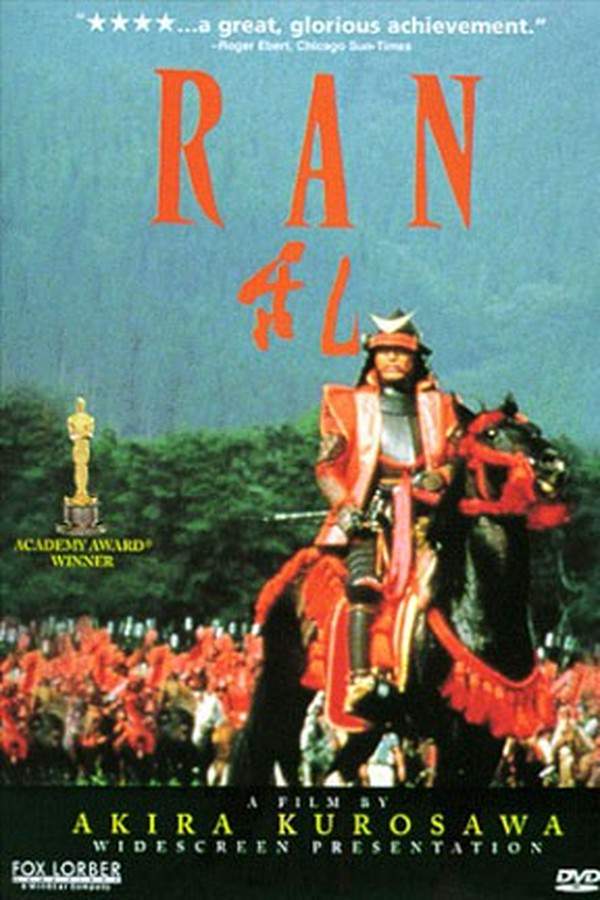
Ran 1985


Directed by
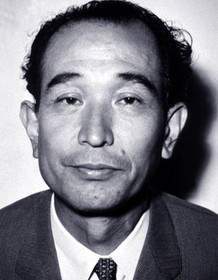
Akira Kurosawa
Made by

Orion Classics
Where to Watch Ran
See current US streaming, rental, and purchase options for Ran (1985) via JustWatch.

BFI Player Amazon Channel
HD
Lionsgate+ Amazon Channels
HD
Kanopy
HD
Plex
HD
Plex Channel
HD
Tubi TV
SD Streaming availability powered by 
Ran Plot Summary
Read the complete plot summary and ending explained for Ran (1985). From turning points to emotional moments, uncover what really happened and why it matters.
Tatsuya Nakadai portrays Hidetora Ichimonji, a powerful but aging warlord who makes a sweeping decision to divide his once vast kingdom among his three sons: Akira Terao as Taro, Daisuke Ryū as Jiro, and Jinpachi Nezu as Saburo. In a bid to keep the realm stable, Hidetora also retains the title of Great Lord, while he asks his elder sons to back Taro’s leadership. Yet the fragile balance shatters when Saburo openly scorns the plan, earning himself exile, and Tango, a loyal retainer, is banished for defending Saburo. The opening act settles into a tense, uneasy peace that foreshadows betrayal and tragedy on an epic scale.
As time passes, the loyal but embittered Lady Kaede—still haunted by the massacre of her family and the loss of their lands—stirs Taro toward seizing control of the Ichimonji clan. Her scheming sets off a dangerous chain of moves that threaten to crush any remaining fealty to Hidetora. When Taro presses Hidetora to renounce his title, the Great Lord leaves in anger, seeking refuge at Jiro’s castle. There, though, he discovers that Jiro’s loyalty is shallow at best; the younger son only treats his father as a ceremonial pawn in a larger game of power. Alone and exposed, Hidetora wanders with his retinue, while Tango warns him that Taro’s new decree carries a dark fate: death to anyone who aids his father. Desperate for safety, Hidetora intends to take shelter in the emptier Third Castle, which Saburo’s forces abandoned and which Ogura, Taro’s general, has claimed.
The trap closes as Taro and Jiro’s combined forces strike, not through a direct assault but by luring the aged ruler into a false sense of security. The ambush is brutal and efficient: Taro is felled by a bullet from Jiro’s general, Kurogane, and the rest of Hidetora’s retinue either die in battle or perform seppuku in a ritual of honorable sacrifice. Miraculously, Hidetora survives, but the experience shatters his mind. He drifts into madness, haunted by the faces of those he has slain in the past, while Kyoami, the court fool, and Tango remain stalwart in their loyalty. The trio finds a brief sanctuary in a peasant’s home, only to learn that the occupant is Tsurumaru, the brother of Lady Sue, who was left destitute after Hidetora’s siege. The wounds of the past resurface with a vengeance, and even as Tsurumaru’s eyes were once gouged, the memory of the Amida Buddha he once carried and the portrait of protection Sue offers linger as fragile talismans.
With Taro dead, Jiro ascends to leadership of the Ichimonji clan and moves into the First Castle. Kaede, ever the architect of malice, steers Jiro toward an affair with her and pushes him to kill Lady Sue, aiming to replace her with Kaede herself. Jiro’s generals resist, and Kurogane refuses to carry out Kaede’s vengeance, recognizing the schemer’s true intent. He warns Sue and Tsurumaru to flee, while Tango, ever vigilant, uncovers hints that Jiro might still pursue assassins against Hidetora. The old king, driven deeper into madness, races toward the volcanic plain, a final symbol of his unraveling.
Saburo’s return thrusts the two brothers into a brutal chess match: Saburo’s army enters Jiro’s domain in search of Hidetora, and Jiro mobilizes his own forces in response. A fragile truce gives way to renewed hostilities when Saburo learns of Hidetora’s possible whereabouts, and the confrontation escalates into a clash that tests the bonds of blood and loyalty. In a poignant moment of reconciliation, Hidetora and Saburo briefly reconnect, but Saburo is fatally wounded by a sniper’s shot, and the elder Ichimonji’s heart breaks. Hidetora dies soon after, his grief extinguishing his life as the castle’s ruin bears witness to the tragedy. Tsurumaru and Sue arrive amid ruins, with Sue handing him an Amida Buddha image for protection as tragedy deepens; she departs, never to return.
As the siege of the First Castle intensifies, Kurogane confronts Kaede and exposes the depth of her vendetta against the Ichimonji clan. Kaede’s confession of revenge seals her doom, and Kurogane ends her scheming with lethal resolve. Jiro, along with Kurogane and his remaining soldiers, perishes in the ensuing battles, and a funeral procession for Saburo and Hidetora marks the somber punctuation of the clan’s fall. In the crumbling castle ruins, Tsurumaru stumbles, dropping the Amida Buddha image that Sue once entrusted to him, a quiet emblem of faith now left behind in the wreckage of a once-powerful house.
Ran Timeline
Follow the complete movie timeline of Ran (1985) with every major event in chronological order. Great for understanding complex plots and story progression.
Division of the Ichimonji lands
Hidetora Ichimonji announces that his kingdom will be divided among his three sons: Taro will hold the First Castle, Jiro the Second, and Saburo the Third, while Hidetora remains Great Lord. Saburo speaks out against the plan, and he and Tango are exiled for defending him. The decision seeds long-lasting resentment that drives the later betrayals.
Kaede's plan to seize control
Lady Kaede, bitter over Hidetora's destruction of her family and lands, begins a vindictive plot to consolidate power under Taro. She urges him to use the division to seize absolute control of the Ichimonji clan. Her machinations plant the seeds for later betrayals and tragedies.
Hidetora travels to Jiro's castle and is treated as a figurehead
Hidetora leaves the Great Lord's seat and travels to Jiro's castle seeking alliance and counsel. Jiro treats him as a ceremonial pawn rather than a partner, using the old king to legitimize his own ambitions. Tango tries to warn him about the danger posed by the new decree against aiding his father.
Refuge in the Third Castle
Hidetora and his retinue seek shelter in the Third Castle, which Saburo’s forces had followed them into exile and where Ogura has taken over. The castle is emptied of its original defenders, but danger looms as Taro and Jiro prepare their ambush. The group debates how long they can hold out in a place now under threat from within.
The ambush at the Third Castle
Taro and Jiro coordinate a ruse, abandoning the Third Castle to lure Hidetora into a false sense of security. In the ensuing assault, Taro is killed by a bullet fired by Kurogane, and Hidetora's remaining retinue are killed or compelled to perform ritual suicides. Hidetora barely survives the massacre and begins a descent into madness.
Madness and loyalty persist
Hidetora survives the brutal ambush but descends into madness as he wanders the ruin. Kyoami, the loyal court fool, and Tango stay with him, offering some companionship and help amid the horror. The once-mighty warlord becomes a haunted shell, tormented by visions of those he has killed.
Revelations at the peasant house
Hidetora's wanderings intersect with Tsurumaru, Sue's brother, and they take shelter in a peasant's home. Tsurumaru has suffered greatly from Hidetora's siege, including the gouging of his eyes, leaving him impoverished. The encounter reveals the personal cost of Hidetora's campaigns and deepens everyone's grief.
Jiro rises as Great Lord; Kaede's manipulation deepens
With Taro dead, Jiro proclaims himself Great Lord and moves into the First Castle. Kaede escalates her manipulation, pressing for an affair with Jiro and urging him to kill Lady Sue to remove a rival. Kurogane is ordered to carry out the deed but refuses, warning Sue and Tsurumaru to flee.
Tango warns Saburo of Jiro's plans
Tango encounters former spies and learns that Jiro may unleash assassins against Hidetora. He rides off to inform Saburo, hoping to warn him of the danger. The warning underscores the widening rift within the Ichimonji clan and the escalating threats.
Hidetora flees to the volcanic plain
As his madness deepens, Hidetora runs from the pursuing armies and into a desolate volcanic plain. He wanders alone, tormented by visions of those he has harmed. The once-powerful lord becomes a symbol of ruin and tragedy.
Saburo confronts Jiro's expansion and siege preparations
Saburo's army crosses into Jiro's territory to locate Hidetora, while Jiro mobilizes his own forces. After a tense truce, Saburo learns of Hidetora's possible location and departs, and Jiro launches attacks on Saburo's smaller forces as another army threatens the First Castle.
Father and son reunite, then tragedy strikes
Saburo locates his father and the two briefly reconcile, but Saburo is killed by a Jiro sniper, sending Hidetora into a deeper despair. Hidetora dies soon after, crushed by grief and the collapse of his ambitions. The clan's legacy spirals into ruin.
Tsurumaru and Sue at the ruins
Tsurumaru and Sue reach the ruins of a castle. Sue had given him a Amida Buddha image for protection, and she also tries to retrieve a flute she had given him earlier. In the chaos, she never returns, leaving Tsurumaru to face the ruin alone.
The siege of the First Castle and Kaede's confession
As the First Castle is besieged, Kurogane learns of Sue's death and confronts Kaede, who confesses that her plot was revenge against the entire Ichimonji clan. Kaede is killed by Kurogane, ending her schemes. The siege drags on with heavy losses on Jiro's side.
Final casualties and funeral
Jiro, Kurogane, and all of Jiro's men die in battle, closing the line of succession. A funeral procession is held for Saburo and Hidetora, marking the end of the Ichimonji clan’s power. Tsurumaru wanders the ruins, dropping the Amida Buddha image Sue had given him as the story closes.
Ran Characters
Explore all characters from Ran (1985). Get detailed profiles with their roles, arcs, and key relationships explained.
Hidetora Ichimonji (Tatsuya Nakadai)
An aging warlord whose pride and vision for a unified realm set the tragedy in motion. He commands with force but struggles to adapt to a changed world, spiraling into confusion and rage as betrayals multiply. His relationship with his sons dissolves as ambition corrupts loyalty, leading to a ruinous downfall.
Taro Ichimonji (Akira Terao)
The eldest son who seeks to consolidate power and rule the clan for himself. He manipulates outcomes and resents his father's authority, embodying ruthless ambition. His actions and calls for absolute control contribute to the kingdom's fragmentation.
Jiro Ichimonji (Daisuke Ryû)
The more calculating son who uses his father's weakness to further his own position. He treats the old lord as a tool rather than a parent, embodying political cunning and fatal pragmatism. His maneuvering accelerates the war's cruelty.
Saburo Ichimonji (Jinpachi Nezu)
The youngest son who dares to speak truth and criticizes the division of lands, leading to his exile. His presence catalyzes the conflict and his fate is a counterpoint to his father's tragedy. His loyalty to honesty contrasts with his brothers' cunning.
Ran Settings
Learn where and when Ran (1985) takes place. Explore the film’s settings, era, and how they shape the narrative.
Time period
Set in a brutal era of clan warfare in feudal Japan, where loyalty is tested by ambition and political intrigue, and where grand feasts quickly become scenes of betrayal and bloodshed.
Location
Ichimonji clan lands, First Castle, Second Castle, Third Castle, feudal Japan
The story unfolds within the Ichimonji clan's domain, moving between its central First Castle and the surrounding fortresses as loyalties shift. The landscapes range from grand castle interiors to war-torn ruins, reflecting a society built on honor, vengeance, and strategic siege. It is a setting where lords command retinues and rivals circle like vultures, ready to seize power.
Ran Themes
Discover the main themes in Ran (1985). Analyze the deeper meanings, emotional layers, and social commentary behind the film.
⚔️
Power
The film examines how power corrupts and corrupts relationships, turning family into faction and turning a kingly father into a target of plot and war. The division of lands triggers a cascade of loyalties, betrayals, and brutal sieges. The pursuit of dominance drives actions that lead to downfall and tragedy.
💔
Betrayal
Betrayal threads through the story as kin and retainers switch sides to advance personal agendas. Kaede's manipulation and Saburo's exile illustrate how trust is weaponized. The characters pay a heavy price as alliances crumble under ambition.
🌀
Madness
Hidetora's gradual descent into madness drives much of the drama, with visions of past victims haunting his mind. The once mighty ruler loses grip on reality as battlefield horrors mirror his inner collapse. The film uses madness to expose the fragility of power and the cost of brutality.

Coming soon on iOS and Android
The Plot Explained Mobile App
From blockbusters to hidden gems — dive into movie stories anytime, anywhere. Save your favorites, discover plots faster, and never miss a twist again.
Sign up to be the first to know when we launch. Your email stays private — always.
Explore the mobile appRan Spoiler-Free Summary
Discover the spoiler-free summary of Ran (1985). Get a concise overview without any spoilers.
In a rugged landscape of craggy castles and mist‑shrouded plains, an aging warlord seeks to secure his legacy. Hidetora Ichimonji, once a fearsome commander, decides to split his vast domain among his three heirs, hoping that shared rule will preserve the house that has ruled for generations. The realm, already scarred by decades of conflict, now teeters on the edge of a fragile peace, its future hanging on the uneasy balance of power between the new lords and their father’s lingering authority.
Each son embodies a different vision of leadership. Taro, the eldest, carries the weight of expectation and a desire to consolidate control; Jiro, the middle brother, is pragmatic and outwardly loyal, yet his ambitions simmer beneath a calm surface; Saburo, the youngest, possesses a restless spirit that refuses to accept the prescribed order. When Saburo openly questions the arrangement, his defiance sets off a chain of tension that threatens to unravel the fragile equilibrium. Supporting him is Lady Kaede, a matriarch whose own history of loss fuels a subtle but potent influence over the family’s dynamics.
Amid the brewing discord, the retainer Tango stands as a steadfast anchor, embodying the old code of fealty even as the world around him shifts. The atmosphere is one of looming inevitability, rendered in stark, sweeping visuals that blend the grandeur of samurai epics with an undercurrent of melancholy. The film’s tone balances awe‑inspiring spectacle with a somber meditation on duty, honor, and the costs of division.
Allies and heirs gather around the crumbling citadel, each aware that the choices made now will echo through the clan’s future. The story invites the audience to feel the weight of tradition pressing against the restless drive for change, promising a clash that will test familial bonds and the very soul of the Ichimonji legacy.
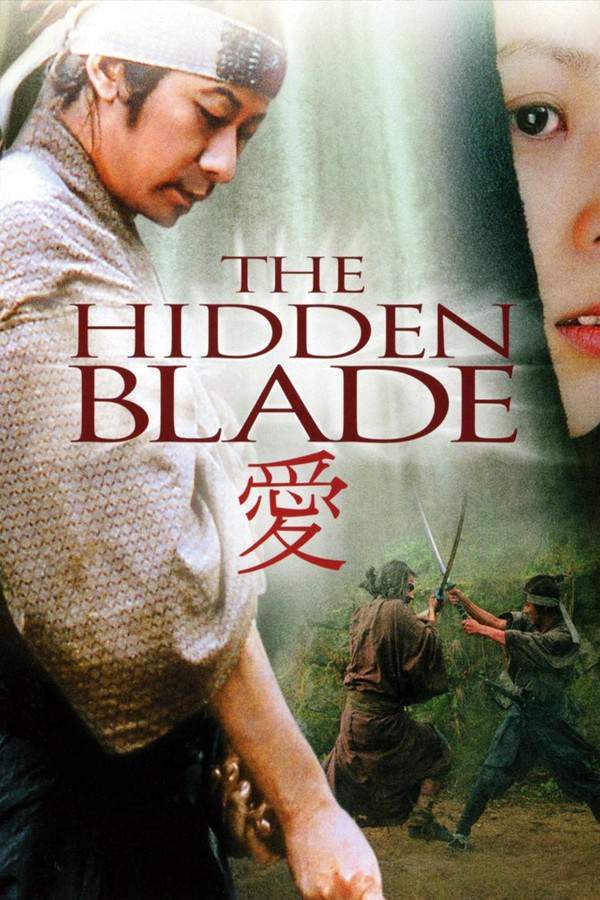
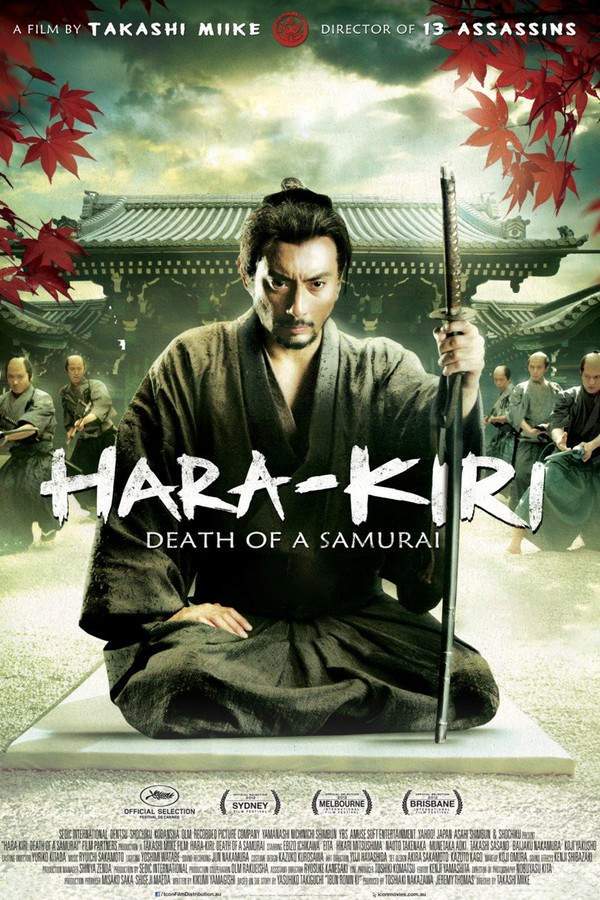
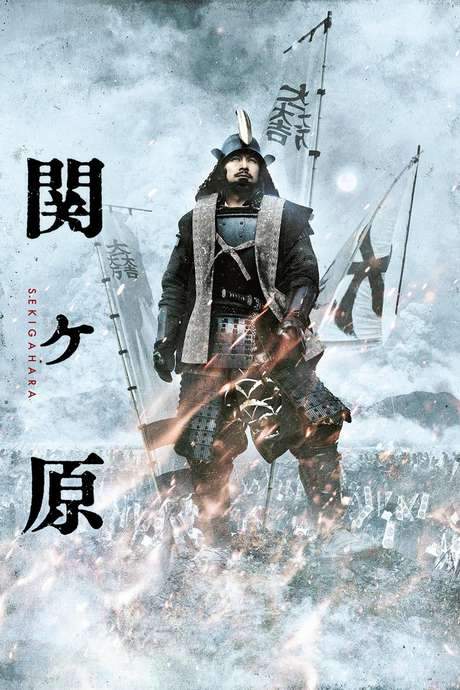
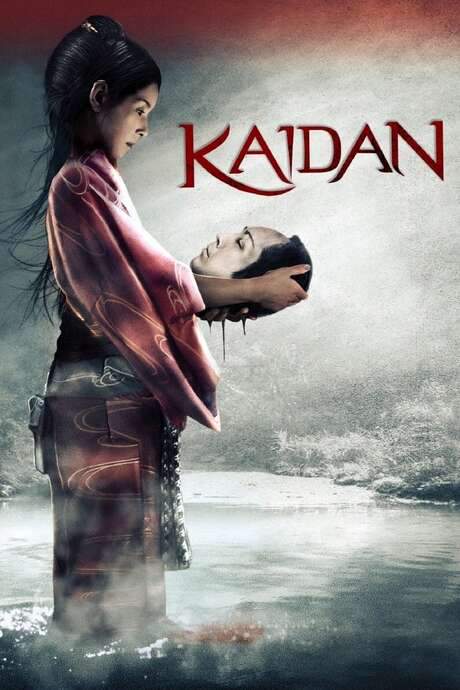
Movies with Similar Twists and Themes
Uncover films that echo the narrative beats, emotional arcs, or dramatic twists of the one you're exploring. These recommendations are handpicked based on story depth, thematic resonance, and spoiler-worthy moments — perfect for fans who crave more of the same intrigue.
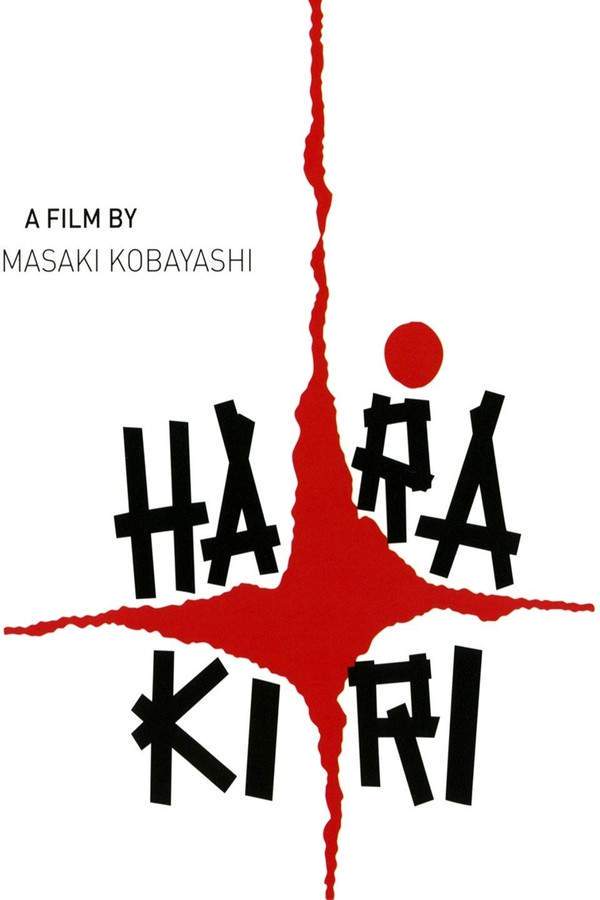
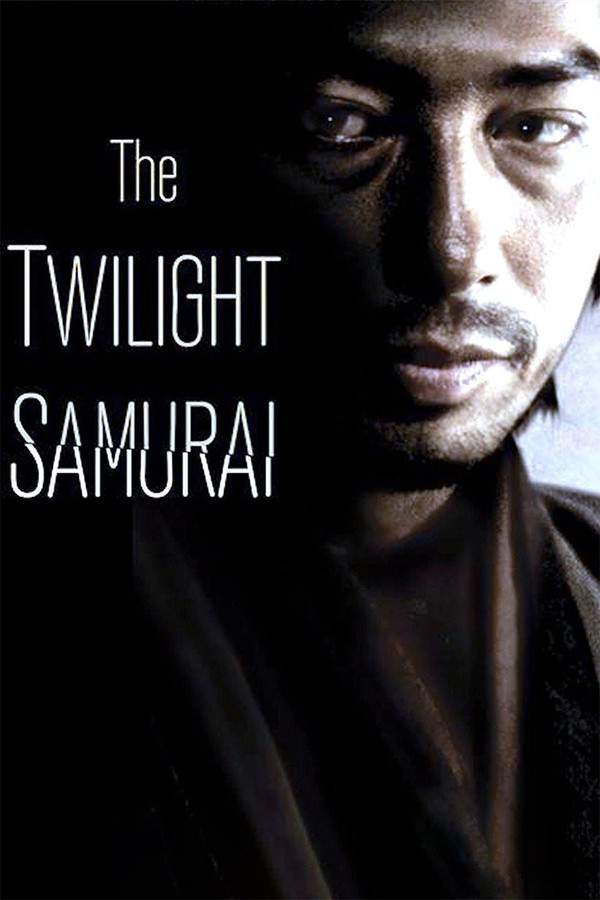
Featured on this page

What's After the Movie?
Not sure whether to stay after the credits? Find out!
Check out our other apps:

SAT Sphere
Build confidence for the Digital SAT.

Mori Atlas
Discover wild places worth protecting.

Luntero
Search smarter for a home in Amsterdam.

Plot Explained
Unravel movie endings and hidden clues.

Pokechamp
Dive into Pokémon data and battle logic.

Driving Theory
Get ready for your European theory test.

Movie Dust
Plan your next cinema trip with ease.

Musemap
Find art and culture as you travel.

Selkobase
Compare credentials before committing.

Local Manual
Turn an unfamiliar country into practical next steps.

Lernavi
Compare school systems before your next move.

GymRoam
Find a workout stop wherever your plans take you.
Explore Our Movie Platform
New Movie Releases (2026)
Famous Movie Actors
Top Film Production Studios
Movie Plot Summaries & Endings
Major Movie Awards & Winners
Best Concert Films & Music Documentaries
Movie Collections and Curated Lists
© 2026 What's After the Movie. All rights reserved.
Privacy Policy