
Radio Flyer 1992

Directed by
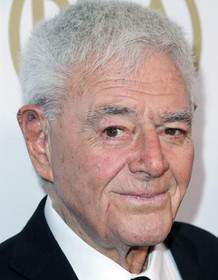
Richard Donner
Made by

Stonebridge Entertainment
Radio Flyer Plot Summary
Read the complete plot summary and ending explained for Radio Flyer (1992). From turning points to emotional moments, uncover what really happened and why it matters.
Mike Tom Hanks observes his two sons fighting, with one insisting that a promise doesn’t mean anything. To help them understand that a promise does mean something, he tells them the story of his youth. In 1969, 11-year-old Mike Elijah Wood and his 8-year-old brother Bobby Joseph Mazzello, their mother Mary Lorraine Bracco, and their German Shepherd Shane relocate from New Jersey to Novato, California after their father leaves them. There, Mary weds a new man named Jack MacKenzie, whom the children call The King Adam Baldwin. Unbeknownst to Mary, The King is an alcoholic who often gets drunk and beats Bobby. The King also repeatedly plays Hank Williams’s Jambalaya (On the Bayou) on his record player.
Seeing that Mary has found happiness at last with The King, Bobby swears Mike to secrecy about the abuse. Instead, the two boys seek adventures to occupy the time that would otherwise be spent with The King; they recount the “seven great abilities and fascinations” of childhood while exploring their new surroundings and dealing with the neighborhood bullies. An unsupervised incident in the kitchen in which the boys attempt to create an anti-monster potion to get rid of The King leads to Bobby being hospitalized by The King, but Shane gets revenge on The King by violently biting him on the arm. After spending time in jail, The King is released following the death of his mother and returns to their house with flowers and chocolates promising never to drink or abuse Bobby again; he violates his promise while the boys are at school and nearly kills Shane. As a result, the brothers devise a plan for Bobby to escape The King once and for all. Mary also starts to catch on to The King’s true nature and finally requests a divorce.
Inspired by the urban legend of a boy named Fisher Sean Baca who attempted to fly away on his bicycle over a cliff nicknamed “The Wishing Spot”, the two convert their eponymous Radio Flyer toy wagon into an airplane in the hopes of sending Bobby and Shane away from harm. They draw up a schematic diagram with wings and an engine and scavenge numerous parts, secretly using The King’s tools to build the aircraft in their shed. The boys also raise money through various means, such as retrieving lost balls on a golf course and selling them back to the golfers. After leaving a farewell letter for their mother, the brothers take the device to the cliff at night, but The King discovers their plan and attempts to stop them, prompting Shane to furiously attack him. Bobby then speeds down the hill alone (knocking out The King with the wing of his plane) and triumphantly soars into the air as Mike and Shane look on. Mary arrives with police officer Jim Daugherty John Heard who arrests The King. Though Mike never sees Bobby again, he continues to receive postcards from him from places all over the world.
Back in the present, Mike reiterates to his sons the importance of keeping a promise, and imparts a lesson about history being in the mind of the teller. He concludes his story by saying, “That’s how I remember it.”
Radio Flyer Timeline
Follow the complete movie timeline of Radio Flyer (1992) with every major event in chronological order. Great for understanding complex plots and story progression.
Move to Novato and start of new life
In 1969, 11-year-old Mike and 8-year-old Bobby relocate with their mother Mary and their dog Shane from New Jersey to Novato, California after their father leaves. Mary soon enters into a relationship with a man they call The King, setting up a fragile new family dynamic. The move marks the beginning of a tense period the brothers will navigate in relative silence.
The King arrives and reveals trouble
Mary marries The King, a man whose alcohol problem and volatile temper soon become a threat to Bobby. The King drinks heavily and often hurts Bobby, while his constant playing of Hank Williams’s Jambalaya fills the house with an uneasy rhythm. The boys sense the danger, even as Mary remains unaware of the full extent of the abuse.
Boys cling to childhood while the threat grows
With abuse looming over them, Mike and Bobby vow to protect themselves rather than expose their mother to danger. To cope, they recount the ‘seven great abilities and fascinations’ of childhood and explore their new surroundings while dodging neighborhood bullies. Their defiant imagination becomes a shield against a harsh reality.
Kitchen incident and Shane’s retaliation
An unsupervised kitchen experiment to create an anti-monster potion leads to Bobby being hospitalized after an attack by The King. Shane retaliates by violently biting The King’s arm, adding another layer of danger to the household turmoil. The incident deepens the brothers’ fear and strengthens their resolve to escape harm.
The King’s jail and his conditional release
The King spends time in jail following the earlier incident, but is released after his mother's death, returning with flowers and chocolates and promising never to drink or abuse Bobby again. The promise proves fragile, as he violates it soon after when the boys are at school. The family splinters further as trust erodes.
The King breaks the promise, endangering Shane
Despite the stated pledge, The King resumes drinking and aggression, culminating in a moment where he nearly kills Shane. The near-tragic incident fuels the brothers’ decision to take drastic action to protect themselves and their loyal dog. The fragile household teeters on the edge of collapse.
The idea to escape on a flying wagon
Inspired by the urban legend of a boy who attempted to fly away on a bicycle from a cliff nicknamed “The Wishing Spot,” the brothers decide to convert their Radio Flyer wagon into an airplane. They draft a schematic and secretly gather parts from The King’s tools to build the aircraft in their shed. Their plan embodies a desperate hope for safety and freedom.
Funding and clandestine construction
To fund their escape project, Mike and Bobby retrieve lost golf balls on a local course and resell them to golfers. They work secretly on the wagon-turned-aircraft, hiding their progress from The King and keeping the truth from Mary for now. The boys’ ingenuity becomes their lifeline in a dangerous situation.
Farewell and the night ascent begins
The brothers leave a farewell note for Mary and haul the makeshift aircraft to the cliff at night. The King discovers their plan and rushes to stop them while Shane lashes out in defense. The tension peaks as the attempt to fly becomes a test of courage and loyalty.
The flight and the aftermath of confrontation
Bobby speeds down the hill in the improvised wagon-airplane and appears to take off, prompting Mike and Shane to watch in awe. The wing knocks out The King during the takeoff, and Mary arrives with Officer Jim Daugherty to arrest him. Bobby vanishes from sight, but Mike continues to receive postcards from around the world.
Post-flight absence and scattered memories
Though Mike never sees Bobby again, he receives postcards from his brother from various places across the world, confirming a permanent physical separation. The family dynamics shift forever as memory and reality blur around what happened on that cliffside night. Mike wrestles with the idea that some stories end with distance rather than reunion.
Present-day lesson: promises and the power of memory
Back in the present, Mike recounts the story to his two sons, stressing the importance of keeping promises and acknowledging that history exists in the teller’s mind. He concludes with the line, 'That’s how I remember it,' underscoring how memory shapes truth and understanding. The tale becomes a parental lesson on responsibility, loss, and memory.
Radio Flyer Characters
Explore all characters from Radio Flyer (1992). Get detailed profiles with their roles, arcs, and key relationships explained.
Older Mike (Tom Hanks)
The present-day narrator who uses his youth as a lens to explain promises and family history to his sons. He reflects with warmth and pain on the events that shaped him and discovers the reliability of memory.
Mike
The 11-year-old protagonist who embodies curiosity and courage. He drives his younger brother Bobby to seek freedom, balancing realism with imagination as they navigate an unstable home life.
Bobby
Eight-year-old Bobby is cautious and loyal, bearing the weight of the family’s danger while forming a deep bond with Mike. His protective nature fuels their plan to escape The King.
Mary
The mother who seeks happiness with The King but gradually recognizes the abuse. She becomes the driving force behind the divorce and the protection of her children.
The King
An alcoholic danger to the family who abuses Bobby and intimidates the household. His behavior sets the stakes for the boys’ escape and tests Mary’s will to leave.
Daugherty
Jim Daugherty, the present-day police officer who arrives with Mary as The King’s threat escalates and ultimately contributes to his arrest.
Shane
The family’s German Shepherd, a loyal companion who protects Bobby and helps enact the dramatic escape. Shane's actions become pivotal in fending off The King and signaling the turning point of the plan.
Radio Flyer Settings
Learn where and when Radio Flyer (1992) takes place. Explore the film’s settings, era, and how they shape the narrative.
Time period
1969
The core events take place in 1969, following 11-year-old Mike and 8-year-old Bobby during a pivotal summer. The narrative also employs present-day framing as an older Mike retells the story to his sons, blending memory with storytelling. This juxtaposition highlights how a single year can cast long shadows and become a lasting family legend.
Location
New Jersey, Novato, California
Set in New Jersey and then in Novato, California, the story unfolds across a late-1960s suburban landscape. The move to a quiet California town provides the backdrop for the brothers’ adventures and the precarious home life. Their surroundings—homes, streets, and a shed where the wagon aircraft is built—become active players in their escape from danger.
Radio Flyer Themes
Discover the main themes in Radio Flyer (1992). Analyze the deeper meanings, emotional layers, and social commentary behind the film.
🪢
Promises
A central thread is the meaning and weight of promises within a family. Mike teaches Bobby that a promise binds people to what they commit to do, even when fear tempts breaking it. The King’s broken promises catalyze the brothers’ decision to act and escape. Memory of these promises then shapes how Mike tells the tale to his own children.
🎈
Imagination
The Radio Flyer wagon becomes a vessel for escape and a canvas for invention. The brothers transform a toy into an improvised airplane, fueling hope in a dangerous situation. Their inventions turn ordinary spaces into a playground of possibilities and help them cope with fear.
💥
Abuse
The King’s alcoholism and violence cast a shadow over the family, showing how power can harm the vulnerable. The boys learn to navigate fear by leaning on each other and their imagination. Mary’s struggle to protect her children and seek independence underscores the costs of leaving. The story uses these events to motivate escape and eventual healing.
📖
Memory & Storytelling
The frame narration demonstrates how memory shapes identity and truth. Mike’s retelling blends nostalgia with facts, inviting readers to question what is remembered and what is real. The tale emphasizes that history is as much about the teller as the events themselves.

Coming soon on iOS and Android
The Plot Explained Mobile App
From blockbusters to hidden gems — dive into movie stories anytime, anywhere. Save your favorites, discover plots faster, and never miss a twist again.
Sign up to be the first to know when we launch. Your email stays private — always.
Explore the mobile appRadio Flyer Spoiler-Free Summary
Discover the spoiler-free summary of Radio Flyer (1992). Get a concise overview without any spoilers.
The film opens with a quiet, sun‑dappled suburb where a grown‑up Mike gathers his own children for a bedtime story. He speaks in a voice that blends nostalgia with a quiet urgency, reminding his boys that promises are more than words. The tone is gentle yet charged with the restless energy of memory, setting up a narrative that feels both intimate and universal—an adult looking back to make sense of the moments that shaped him.
We are carried back to 1969, when Mike was an eleven‑year‑old boy whose world had just been uprooted. With his younger brother Bobby, their mother Mary, and the loyal German Shepherd Shane, they settle into a small California town that feels both new and oddly timeless. Their mother’s remarriage to Jack introduces a household that holds both the promise of stability and an undercurrent of unease. The children’s days become a blend of ordinary chores, neighborhood discoveries, and the vivid, boundless imagination that only kids possess. The setting—sun‑lit streets, a quiet cul‑de‑sac, the ever‑watchful dog—creates a warm, slightly bittersweet canvas on which the brothers’ relationship unfolds.
Amid the shifting dynamics, the brothers turn to the one object that has always sparked their wonder: a bright red Radio Flyer wagon. Inspired by the folklore of daring escapes and the simple magic of childhood games, they begin to envision it as something far more extraordinary—a makeshift aircraft that could carry Bobby away from the shadows that have begun to gather in their home. This spark of invention, fueled by love, fear, and the sheer audacity of youthful hope, hints at a journey that is as much about the power of imagination as it is about seeking safety. The film balances the nostalgia of a bygone era with an undercurrent of tension, inviting viewers to wonder how far a child’s dream can fly when the stakes feel immeasurably high.
Movies with Similar Twists and Themes
Uncover films that echo the narrative beats, emotional arcs, or dramatic twists of the one you're exploring. These recommendations are handpicked based on story depth, thematic resonance, and spoiler-worthy moments — perfect for fans who crave more of the same intrigue.
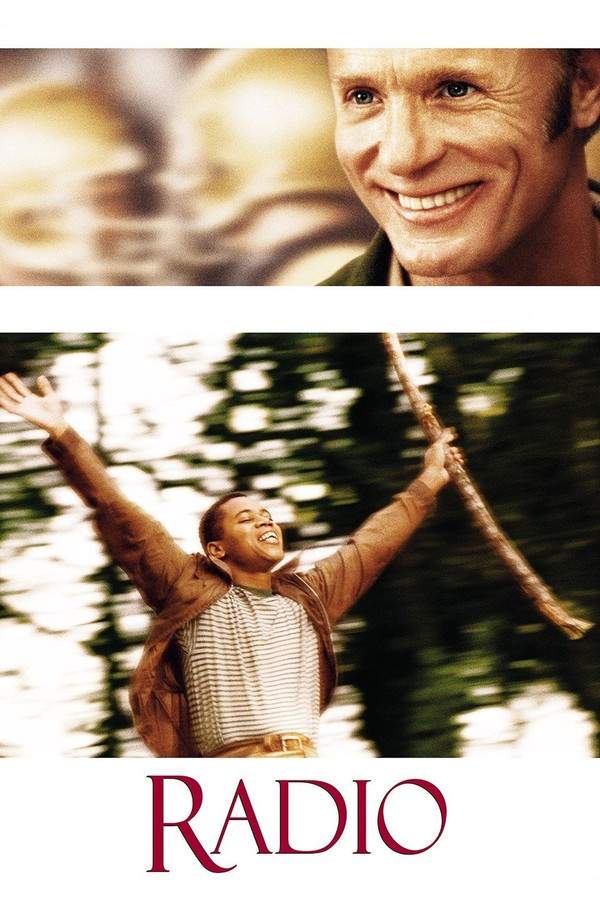
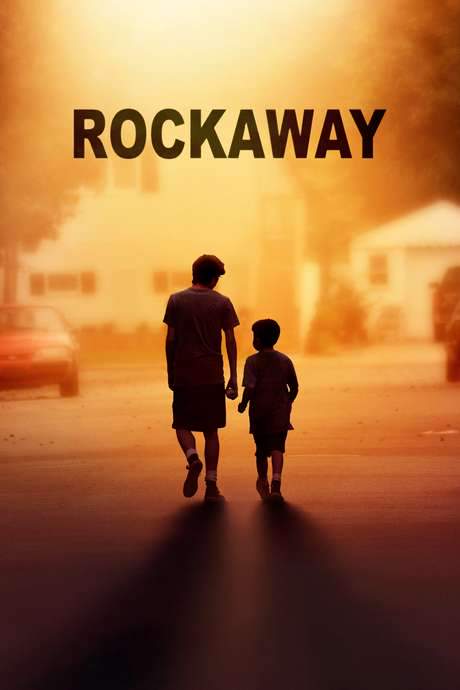
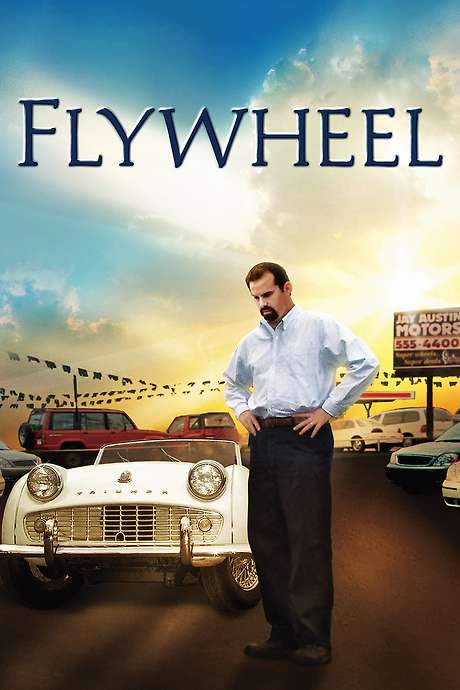



Featured on this page

What's After the Movie?
Not sure whether to stay after the credits? Find out!
Check out our other apps:

SAT Sphere
Build confidence for the Digital SAT.

Mori Atlas
Discover wild places worth protecting.

Luntero
Search smarter for a home in Amsterdam.

Plot Explained
Unravel movie endings and hidden clues.

Pokechamp
Dive into Pokémon data and battle logic.

Driving Theory
Get ready for your European theory test.

Movie Dust
Plan your next cinema trip with ease.

Musemap
Find art and culture as you travel.

Selkobase
Compare credentials before committing.

Local Manual
Turn an unfamiliar country into practical next steps.

Lernavi
Compare school systems before your next move.

GymRoam
Find a workout stop wherever your plans take you.
Explore Our Movie Platform
New Movie Releases (2026)
Famous Movie Actors
Top Film Production Studios
Movie Plot Summaries & Endings
Major Movie Awards & Winners
Best Concert Films & Music Documentaries
Movie Collections and Curated Lists
© 2026 What's After the Movie. All rights reserved.
Privacy Policy