

What Is The Railway Children About?
The premise of The Railway Children in 322 words, with nothing given away. The full story follows below.
In the quiet hills of Yorkshire in 1905, the Waterbury family is forced to exchange the spacious comforts of their London villa for a modest, somewhat shabby cottage called Three Chimneys that sits beside a bustling railway line. The move follows the abrupt disappearance of their father, a shadow that hangs over the household while the surrounding countryside hums with the steady rhythm of steam and steel. The setting feels both cramped and open, a place where the clatter of wheels against tracks becomes a new heartbeat for a family learning to live with loss.
The three children—Bobbie, a spirited and compassionate older sister; Phyllis, thoughtful and observant; and Peter, adventurous and quick‑witted—quickly make the railway their world. Their days are filled with waving to passing passengers, tracking the timetables, and turning the waiting rooms into playgrounds of imagination. Each child brings a distinct flavor to their shared wonder: Bobbie leads with a protective streak, Phyllis nurtures quiet curiosity, and Peter fuels daring schemes, all of which deepen their bond as they navigate an unfamiliar life.
Beyond the tracks, the children encounter a warm, tight‑knit community that welcomes their enthusiasm. They befriend Albert Perks, the genial station porter whose routine is punctuated by the children’s bright greetings, and a kindly gentleman who rides the 9:15 train, offering a steady, reassuring presence. Their mother, Mrs. Waterbury, now a writer and home‑schooler, adapts to new responsibilities while gently guiding her children through the upheaval, her resilience an anchor amid the uncertainty.
The film unfolds with a gentle, nostalgic tone, blending the melodic clang of railway life with the quiet strength of a family finding solace in simple rituals and new friendships. Amid the misty stations and open fields, the story hints at the quiet heroism that can emerge when ordinary lives intersect with the grand, moving world of trains, inviting viewers to share in the children’s awe and the subtle promise of brighter horizons.
What Happens in The Railway Children?
The complete story of The Railway Children, from the first scene to the last, in 674 words (about 3 minutes). Spoilers throughout. Names in the text link to 7 cast member pages.
Spoilers ahead
In 1905, the Waterbury family lives in a luxurious villa in the London suburbs. Charles Waterbury Iain Cuthbertson, who works at the Foreign Office, is arrested the day after Christmas on suspicion of being a spy, a fact hidden from the rest of the family by his wife. Now impoverished, they move to a house called Three Chimneys in Yorkshire, near the Oakworth railway station. Upon arrival, they find the house in a mess and rat-infested.
The three children Roberta ‘Bobbie’ Waterbury Jenny Agutter, Phyllis Waterbury Sally Thomsett, and Peter Waterbury Gary Warren find amusement in watching the trains on the nearby railway line and waving to the passengers. They become friends with Albert Perks Bernard Cribbins, the station porter, and with an elderly gentleman who regularly takes the 9:15 train. To make ends meet, their mother, Mrs Waterbury Dinah Sheridan, works as a writer and homeschoools the children. When Mrs Waterbury falls ill with influenza, Bobbie writes to the gentleman, who delivers food and medicine to the house to help their mother recover. Later Mrs Waterbury admonishes the children for telling others of their plight and asking for assistance. The following day, a man collapses at the railway station. He speaks a language no one understands, but the children discover he also speaks French, in which their mother is fluent. She learns from him that he is an exiled Russian writer who has arrived in England in search of his family. While he stays at their house, Bobbie writes another letter to the gentleman, and with his help the family is soon found.
One day, the children witness a landslide which has partially obstructed the tracks. The girls fashion their red petticoats into flags to warn the driver of the impending danger and the train stops in time. The railway company and villagers hold a party for the children, and they are given lifetime train-passes and personalised engraved watches. Now they are dubbed “The Railway Children.”
Discovering that Mr Perks does not celebrate his birthday, the children secretly ask for gifts from the villagers that he has helped in the past and deliver them to his house. Mr Perks initially refuses the gifts as he does not accept charity. However, after the children explain the true circumstances, he thanks them for their kindness. In return, the following day, he delivers old newspapers and magazines for them to read. There Bobbie notices a story about their father being imprisoned. She discusses this with her mother, who finally discloses that he has been falsely convicted of being a spy and selling state secrets. Mrs Waterbury speculates that a jealous colleague of his may be behind it. Bobbie again contacts the gentleman and asks him to help; he informs her that since meeting them and reading about the case, he has been convinced of their father’s innocence.
Later a group of youths are engaged in a paper chase, which the children observe, and one boy injures his leg in a railway tunnel. Helped by the children, he is taken to their house to recuperate from his injuries. The gentleman visits their home and reveals that the boy is his grandson, Jim Christopher Witty, and thanks the family for looking after him. Jim and Bobbie grow close during his recuperation and promise to write to each other when he goes home.
After Jim leaves, the children remark on their long absence from waving at the train passengers and resolve to go to the railway the following morning. When they do so, all the passengers wave at them, and the gentleman gestures to a newspaper. Later, Bobbie excuses herself from her lessons and walks down to the station, where Perks hints that something special has happened. Confused, Bobbie stands on the platform, where in the lingering smoke she sees her father, who has just alighted after being exonerated and released from prison. She runs to greet him shouting “Daddy; my Daddy!” They return together to Three Chimneys, where Bobbie leaves him to a private reunion with his wife.
The Railway Children Timeline: Every Key Event in Order
14 key events in the order they happen, from “Luxurious life in London suburbs” to “Father returns to his family”. 14 events name a place, across 9 locations.
- 1
Luxurious life in London suburbs
The Waterbury family lives in a luxurious villa in the London suburbs in 1905. Charles Waterbury works at the Foreign Office, enjoying a comfortable life while the city hums around them.
When:1905, Boxing Day Where:London suburbs
- 2
Arrest and fall from grace
The day after Christmas, Charles is arrested on suspicion of being a spy, an accusation he keeps secret from his wife and children. The scandal shatters their finances and social standing.
When:1905, day after Christmas Where:London
- 3
Move to Three Chimneys
The family is forced to abandon their former life and relocate to a small house called Three Chimneys in Yorkshire, near Oakworth railway station. They arrive to find the house rundown and infested with rats.
When:late 1905 Where:Three Chimneys, Yorkshire
- 4
Trains and new friendships
Roberta, Phyllis and Peter begin to find amusement watching the trains on the nearby line. They befriend Albert Perks, the station porter, and an elderly gentleman who regularly takes the 9:15 train.
When:early days after moving Where:Near Oakworth railway station
- 5
Mother's illness and help from afar
Their mother, a writer who homeschools the children, falls ill with influenza. Bobbie writes to the gentleman, who brings food and medicine to buoy the family until she recovers.
When:during the illness at the start of their stay Where:Three Chimneys
- 6
The Russian writer arrives
A man collapses at the railway station and is found to speak French, allowing their mother to communicate. He is an exiled Russian writer staying with the Waterburys to find his own family. The writer's presence leads to the revelation that the family is connected to larger events.
When:late 1905 Where:Three Chimneys
- 7
The landslide and the warning
The children witness a landslide that blocks the tracks. They fashion their red petticoats into flags to warn the driver, and the train stops in time.
When:during the incident Where:Railway tracks near Three Chimneys
- 8
Community celebration for the children
The railway company and villagers host a party for the children. They are given lifetime train-passes and engraved watches, and the children become known as "The Railway Children".
When:after the landslide Where:Railway station and nearby village
- 9
Gifts of kindness for Mr. Perks
The children discover that Mr Perks does not celebrate his birthday, so they solicit gifts from villagers he has helped and deliver them to his house. Perks initially refuses charity but accepts after they explain the real circumstances.
When:shortly after learning about his birthday Where:Perks' house
- 10
Father's imprisonment revealed
Back at home, Bobbie finds a newspaper about their father’s imprisonment. Their mother finally reveals that he has been falsely convicted of spying, and she suspects a jealous colleague to blame.
When:after the article appears Where:Three Chimneys
Show the other 4 events of The Railway Children Hide the last 4 events
- 11
Help from the gentleman continues
The gentleman, reading about the case, becomes convinced of the father's innocence and continues to arrange support. He informs Bobbie that the family will pursue exoneration.
When:following the confession Where:Three Chimneys
- 12
Jim's recuperation and friendship
A group of youths organizes a paper chase and a boy is injured in a railway tunnel. The Waterburys help care for him at their home. The gentleman's grandson Jim stays to recuperate, and Jim and Bobbie grow close, promising to write.
When:during the boy's recuperation Where:Three Chimneys
- 13
The long-awaited reunion
The next morning, the railway passengers wave again and Perks hints that something special happened. Bobbie goes to the station and sees her father arriving, exonerated and released.
When:the following morning Where:Station platform
- 14
Father returns to his family
Daddy is released from prison and reunites with his wife; Bobbie greets him with joy and accompanies him back to Three Chimneys for a private reunion with his wife.
When:end of the story Where:Three Chimneys
Who Are the Main Characters in The Railway Children?
12 characters, among them Roberta 'Bobbie' Waterbury - Jenny Agutter, Phyllis Waterbury - Sally Thomsett and Peter Waterbury - Gary Warren: who each one is and the part they play in the story. Every profile links to the actor’s page.
-

Roberta 'Bobbie' Waterbury - Jenny Agutter
Played by Jenny Agutter
The eldest Waterbury child, Bobbie is resourceful, compassionate, and eager to help her family. She orchestrates communication with the mysterious gentleman and leads small acts of courage that keep hope alive. Her optimism and quick thinking drive much of the family’s resilience.
- 🎭 Compassionate
- 🧠 Curious
- 🚂 Train-watcher
- PW
Phyllis Waterbury - Sally Thomsett
Played by Sally Thomsett
Phyllis is the younger sister, sunny and brave, who supports her mother and siblings with cheerful determination. She shares in the family’s efforts to stay hopeful and brave in difficult times. Her warmth helps maintain morale in the household.
- 🎭 Cheerful
- 🧭 Adventurous
- 🌿 Optimistic
- PW
Peter Waterbury - Gary Warren
Played by Gary Warren
Peter is the middle child, curious and playful, who forms a bond with friends around the railway. He learns early from the family’s struggles and shows resilience through simple acts of kindness. His presence adds warmth and humor to the crisis.
- 🎒 Adventurous
- 💡 Curious
- 🚆 Railway-minded
- CW
Charles Waterbury - Iain Cuthbertson
Played by Iain Cuthbertson
Charles is the father, a refined official unjustly imprisoned. He remains dignified and hopeful, trusting in his family's endurance. His absence drives the plot and highlights themes of innocence and perseverance.
- 🎭 Dignified
- 🧠 Thoughtful
- 🕊️ Principled
- MW
Mrs. Waterbury - Dinah Sheridan
Played by Dinah Sheridan
Mrs. Waterbury is a writer who home-schools the children and carries the burden of poverty with grace. She hides the truth to protect her children before finally seeking justice for her husband. Her resilience anchors the family’s emotional arc.
- 🎨 Creative
- 🧑🏫 Resilient
- 🕊️ Protective
-
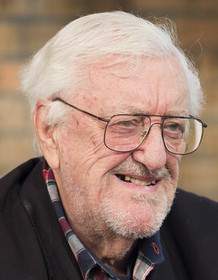
Albert Perks - Bernard Cribbins
Played by Bernard Cribbins
Albert Perks, the station porter, becomes a trusted guardian to the Waterbury children. He helps them in practical ways and embodies quiet, steadfast kindness. His generosity and steady presence offer a critical lifeline during their hardship.
- 🤝 Helpful
- 🧭 Guiding
- 🧰 Dependable
- OG
Old Gentleman - William Mervyn
Played by William Mervyn
An elderly, kindly man who regularly rides the 9:15 train and becomes a quiet patron to the family. He embodies the mystery and generosity that help the children when they need it most. His gestures influence the plot and the children’s outlook.
- 🧓 Wise
- 🕰️ Kind
- 🧭 Influential
- J-
Jim - Christopher Witty
Played by Christopher Witty
Jim is the grandson of the Old Gentleman, who befriends Bobbie during his recuperation in the house. Their budding friendship is built on shared kindness and a promise to write. Jim’s presence adds a sense of intergenerational warmth.
- 🧒 Affectionate
- 🫶 Loyal
- 📚 Studious
- TE
The Exiled Russian Writer - Gordon Whiting
Played by Gordon Whiting
The exiled Russian writer, who speaks French and seeks his own family in England, becomes a conduit for the family to reconnect with legitimacy and hope. He forms a bridge between cultures and offers educated, hopeful insight during the crisis.
- 🗣️ Multilingual
- 🧭 Intellectual
- 🕊️ Hopeful
- D-
Doctor - Peter Bromilow
Played by Peter Bromilow
The doctor visits to tend to Mrs. Waterbury’s illness and plays a role in the care network around the family. His practical care complements the village’s wider acts of support.
- 👨⚕️ Caring
- 🧭 Pragmatic
- 📜 Professional
- B-
Bandmaster - David Lodge
Played by David Lodge
The Bandmaster is a village figure who participates in the community gatherings that celebrate the children’s bravery. He represents the social fabric and communal morale.
- 🎺 Community
- 🧭 Local figure
- 🎶 Music
- MP
Mrs. Perks - Deddie Davies
Played by Deddie Davies
Mrs. Perks helps manage the household around the Waterburys, keeping the home’s routines steady. Her presence adds a domestic backbone to the family’s everyday life.
- 👩🍳 Domestic
- 🛡️ Supportive
- 🧵 Practical
Where and When Is The Railway Children Set?
The Railway Children is set in London suburbs, Three Chimneys (Yorkshire) and Oakworth railway station (1905). Here is why the time and place matter to the story.
When
1905
Set in 1905, during the late Edwardian era in Britain. It was a time of strict social codes, expanding rail networks, and political tensions that could imprison an innocent man. The period foregrounds vulnerability and resilience within a society on the brink of modern change.
Where
London suburbs, Three Chimneys (Yorkshire), Oakworth railway station
From a luxurious London suburb the Waterbury family relocates to Three Chimneys near Oakworth railway station in Yorkshire. The railway line and nearby station shape daily life and become a lifeline for the family. The setting centers on a close-knit community that thrives around trains, cottages, and the surrounding countryside.
- 🏡 Suburban to rural setting
- 🧭 Period piece
- 🚂 Railway town
What Are the Themes of The Railway Children?
4 ideas the story keeps returning to, among them Family, Community and Justice.
-
01
Family
The Waterbury family endures hardship together, with love and loyalty keeping them afloat after Charles's arrest. The children support their mother and each other as they adapt to poverty and isolation. Their bond with the station community also reinforces the idea that family extends beyond blood.
-
02
Community
Neighbors and villagers rally around the children, turning acts of kindness into practical help. Albert Perks, the station porter, and others offer food, aid, and companionship when the family needs it most. The railway town becomes a web of support that sustains them.
-
03
Justice
The false imprisonment of Charles exposes the fragility of reputation and the reach of political intrigue. Letters and appeals gradually uncover the truth, revealing the family's innocence. The narrative emphasizes the power of perseverance and credible help to overturn a wrongful conviction.
-
04
Hope
Trains symbolize movement from hardship toward reconciliation and renewal. The ongoing presence of the railway and its people offers a beacon of hope for the family, particularly as the truth about the father emerges. The community's ongoing support helps the children reclaim their future.
What Kind of Film Is The Railway Children?
Hopeful in tone, with steady pacing and a straightforward story, going by the plot summary.
- Tone
- Hopeful
- Pacing
- Steady
- Story
- Straightforward
- Intensity
- Low
- Ending
- Happy
A gentle and nostalgic Edwardian drama that follows three resilient children finding hope and community by a Yorkshire railway, weaving small-scale adventures with a touching journey toward restoring their family.
- nostalgic
- heartwarming
- innocent
- hopeful
- touching
- gentle
- family bonds
- loss of a parent
- false accusation
- community support
Content notes: false imprisonment, parental separation.
Quiz
How well do you remember The Railway Children? Test yourself on the story.


