

What Is Rabbit Rampage About?
The premise of Rabbit Rampage in 290 words, with nothing given away. The full story follows below.
In a world where the very lines that define reality are drawn and erased with the flick of a brush, the cartoon realm becomes a playground of endless possibility. Everything from the horizon to the smallest burrow is subject to the whims of an unseen hand, giving the setting a fluid, ever‑shifting quality that feels both familiar and whimsically unreliable. The atmosphere crackles with a self‑aware sparkle, inviting the audience to watch a creation that constantly questions its own existence while reveling in the absurdity of its own mechanics.
Bugs Bunny awakens to this mutable landscape with his trademark confidence intact, but the usual banter takes on a new edge when he discovers that his world is being shaped not by fellow animals but by an animator who seems intent on dictating every hop, twitch, and punchline. Known for his quick wit, clever wordplay, and unflappable cool, Bugs finds his legendary bravado tested by a creator who can rewrite the rules at a moment’s notice. This meta‑confrontation sets the stage for a lively clash of personalities: the irreverent rabbit who refuses to be merely a puppet, and the behind‑the‑scenes artist who delights in pushing the boundaries of what a cartoon can become.
The film’s tone balances classic slapstick humor with a clever, fourth‑wall‑breaking commentary on the relationship between performer and creator. Visual gags hint at the limitless elasticity of animation, while the dialogue sparkles with the kind of rapid, playful repartee that has defined Bugs for generations. As the two forces trade barbs and bend the very fabric of the animated world, the audience is treated to a dazzling display of creativity that feels both nostalgic and refreshingly inventive, promising a romp that celebrates the joy of cartoon storytelling itself.
What Happens in Rabbit Rampage?
The complete story of Rabbit Rampage, from the first scene to the last, in 726 words (about 3 minutes). Spoilers throughout. Names in the text link to 1 cast member page.
Spoilers ahead
This short cartoon unfolds around Bugs Bunny, who discovers that the person shaping his world is not a fellow rabbit but an animator intent on directing every frame. The opening scene shows Bugs’ hole being drawn in the ground, only to be erased and redrawn in the sky. A sleepy Bugs climbs out and, in a quick turn, finds himself at the mercy of the animator who wants to choreograph his every move. Bugs makes his preference clear: he does not want to be a victim of an artist who plans to make him look bad. Yet the animator keeps testing him, erasing the ground itself and forcing Bugs to dive headfirst into a groundless trap before he can react.
Bugs is then confronted with a running joke about cowardice, as the animator paints a yellow streak on Bugs’ back. Bugs snatches the brush and breaks it, signaling his defiance. He threatens to report the animator to Warner Bros. and calls the creator “a menace to society,” a meta-commentary on the power dynamics of cartoons and studios. The animator counters with a cartoonish picket sign in Bugs’ left hand that reads, “I won’t work,” prompting Bugs to panic and discard it off-screen. The cycle continues as the animator conjures another sign, this time declaring, “I refuse to live up to my contract.” After the flurry of protest and hand-waving, Bugs reluctantly agrees to continue the project, though not before the animator adds a hat to Bugs’ head—an absurd provocation that bugs refuses by tossing it aside.
The animator counters with a bigger gag: a sequence of hats, wigs, and other head adornments stacked one atop another. Each piece is discarded in a growing cascade of ridiculous headgear until Bugs finally surrenders to the endless parade. In the next beat, the animator sketches a rotated forest and Bugs, trying to retreat to his hole, ends up chasing his tail as the scene spirals into a surreal chase. A clever bit of misdirection erases Bugs’ head, then replaces it with a pumpkin, which Bugs promptly objects to. The artist merely adds ears to the pumpkin, which inflates Bugs’ fury even further. When the pumpkin head is erased again, the head reappears in a different form, until Bugs discovers that his own head has become comically small, while his voice sounds unusually high. He demands his normal head back, and the animator complies—though not without first transplanting human ears, then long, droopy rabbit ears, only to revert them when Bugs protests the literalism.
With his ears restored, Bugs moves on, only for the tail to be erased and replaced with a horse’s tail. When Bugs notes that a horse should have a horse’s tail, the animator escalates and redraws Bugs as a horse himself. Bugs, now standing upright on hind legs and nibbling a carrot, points out that his contract specifies he is a rabbit, and the cartoon must reflect that. The animator pretends to comply by erasing the horse body and drawing a more abstract, simplified rabbit with oversized cheeks and big feet. Bugs warns that this type of manipulation could have consequences, and the animator obliges to restore him to his expected form.
A new moment of mischief arrives when the animator toys with the possibility of painting Bugs into a grasshopper, but Bugs quickly retrieves the brush. He tries to make peace, suggesting they could collaborate on something popular, but the animator retaliates by creating two clones of Bugs. Bugs shoves the clones out of the frame and declares that he will not leave the spot until the boss is brought in. The animator then places Bugs on a railroad track with a train coming from a tunnel behind him. Bugs leans on a rock to dodge the engine as it passes and asserts that he still knows a way out, pulling down a card that reads “The End.”
The camera pulls back to reveal the animator as Elmer Fudd in a cameo, who chuckles and addresses the audience with a playful line that signals the cartoonish justice of the moment. The playful sting of the meta-joke lands as Bugs’ world is once again under the animator’s control, yet the audience is reminded that this is all part of the game of cartoons and their creators.
“Well anyway, I finawwy got even with that scwewy wabbit!”
Rabbit Rampage Timeline: Every Key Event in Order
15 key events in the order they happen, from “Hole is drawn; Bugs wakes up” to “Elmer Fudd cameo and closure”. 15 events name a place, across 9 locations.
- 1
Hole is drawn; Bugs wakes up
The animator draws Bugs Bunny's hole in the ground, then abruptly erases it and redraws a hole in the sky. A sleepy Bugs climbs out of the sky-hole and stumbles, then falls back to the ground. He quickly realizes the animator is in charge of what happens to him on screen.
When:Opening Where:Bugs Bunny's world inside the animator's studio
- 2
Sky-hole arrival and fall
The ground hole is erased and moved up into the sky, and Bugs climbs out of the sky-hole. He loses his footing and falls to the ground again, underscoring that the animator can rewrite even his exits. The moment makes evident who is directing the scene.
When:Opening Where:Studio drawing space; within the animated world
- 3
Bugs asserts autonomy
Bugs states clearly that he does not want to be a victim of the animator. He tries to walk back to his rabbit hole, but the erasing continues, and he ends up diving headfirst into the ground as the scene is rewritten.
When:Early Where:Bugs' world; studio drawing space
- 4
Yellow marker of cowardice
The animator paints a yellow streak on Bugs' back, implying cowardice. Bugs angrily grabs the brush and breaks it in half, signaling his resistance to being tampered with.
When:Early Where:Studio drawing space
- 5
Threat of reporting; 'I won't work' sign
Bugs declares he will report the animator to Warner Bros., calling him a menace to society. The animator responds by drawing a picket sign reading 'I won't work' in Bugs's left hand, provoking Bugs' panic at the potential consequences.
When:Early Where:Studio
- 6
Second sign; 'contract' concerns
Bugs panics further, insisting he is a valuable asset to the studio. The animator adds another picket sign, reading 'I refuse to live up to my contract.' Bugs panics again and discards the sign off-screen, fearing his fate.
When:Early Where:Studio
- 7
Hat cycle starts
Bugs reluctantly agrees to work on the project, but the animator keeps drawing hats on Bugs' head. The hats pile up in a ridiculous sequence—pink women's hats and more—until Bugs finally concedes and the cycle ends as the hats come off.
When:Mid Where:Studio
- 8
Rotated forest and the anvil
The animator draws a rotated forest, and Bugs tries to use a nearby tree to reach his hole. An anvil appears on Bugs' tail, causing him to crash onto a street and roll into an empty area.
When:Mid Where:Rotated forest drawing; street area
- 9
Head erased; jack-o'-lantern appears
In a fit of frustration, the animator erases Bugs' head and draws a jack-o'-lantern on his body. Bugs demands correction, and the animator simply adds rabbit ears to the existing head, deepening the chaos.
When:Mid Where:Studio drawing area
- 10
Head distortion and voice change
Bugs discovers a huge carrot in his pocket and realizes his head has become small with a high-pitched voice. He begs to restore his head, while the animator adds then adapts long ears, only to revert them when Bugs complains about literalism.
When:Mid Where:Studio
Show the other 5 events of Rabbit Rampage Hide the last 5 events
- 11
Tail and body swapped for a horse
Bugs' tail is erased and replaced with a horse's tail. He protests that a horse should have a horse's tail, prompting the animator to erase Bugs' body and redraw him as a horse. Bugs reminds him that his contract requires him to be drawn as a rabbit.
When:Mid-Late Where:Studio
- 12
Abstract rabbit and warning
The animator pretends to comply by erasing the horse and redrawing Bugs as a more abstract rabbit with big cheeks and feet. Bugs warns that this misinterpretation could have serious consequences for both of them, and the animator eventually returns him to normal.
When:Late Where:Studio
- 13
Two Bugs and resistance to clones
Bugs tries to befriend the animator and suggests doing something popular, but the animator paints two clones of Bugs into the frame. Bugs shoves the clones out of the picture, insisting he won’t be replaced or forced to leave until the boss is brought in.
When:Late Where:Studio drawing space
- 14
Railroad trap and the End card
The animator paints Bugs on a railroad track with a train coming from a tunnel behind him. Bugs leans on a rock to avoid the passing train and declares he still knows a way out, then pulls a card reading 'The End' to signal his attempted escape.
When:Climax Where:Railroad track within the drawing
- 15
Elmer Fudd cameo and closure
The camera pulls back to reveal the animator is Elmer Fudd in a cameo, who laughs and says he finally got even with that scwewy wabbit. The signature gag closes with the implicit victory of the cartoonist over Bugs.
When:End Where:Studio/animation set
Who Are the Main Characters in Rabbit Rampage?
2 characters, among them Bugs Bunny (Mel Blanc) and Elmer Fudd (Arthur Q. Bryan): who each one is and the part they play in the story. Every profile links to the actor’s page.
-
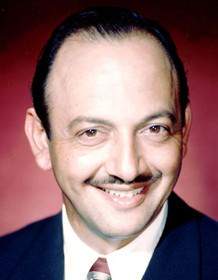
Bugs Bunny (Mel Blanc)
Played by Mel Blanc
A wily rabbit who refuses to be a victim of the animator, Bugs uses sharp wit and quick thinking to resist manipulation. He negotiates his role in the film, pushing back against endless edits and hats. Despite the chaos, he remains self-aware and resourceful, turning the animator's tricks to his advantage whenever possible.
- 🐰 Witty
- 🎭 Self-aware
- 🧠 Quick thinker
- EF
Elmer Fudd (Arthur Q. Bryan)
Played by Arthur Q. Bryan
The animator is revealed to be Elmer Fudd in a cameo, the figure controlling Bugs' world and delivering the final punchline. He embodies the authority figure who toys with the character, illustrating the power dynamics inside the cartoon production. His presence frames the conflict as a battle between an auteur and his most famous creation.
- 🎯 Hunter
- 🧭 Cautious
- 😂 Clumsy
Where and When Is Rabbit Rampage Set?
Rabbit Rampage is set in Animation Studio (Warner Bros.) and Cartoon World. Here is why the place matters to the story.
Where
Animation Studio (Warner Bros.), Cartoon World
Rabbit Rampage takes place in a meta-animation workspace where drawings come to life. Bugs Bunny's world is literally painted, erased, and reshaped by an animator, blending the studio with a cartoon universe. The setting showcases the production process through ever-changing scenery, hats, and landscapes conjured from the animator's brush. It embodies Warner Bros.'s playful approach to breaking the fourth wall and celebrating animation as a craft.
- 🎨 Studio
- 🖼️ Cartoon World
- 🛠️ Animation Tools
What Are the Themes of Rabbit Rampage?
4 ideas the story keeps returning to, among them Creative Control, Meta-Animation and Authority & Contract.
-
01
Creative Control
Rabbit Rampage frames the animator as the master of Bugs' destiny, using drawing tools to bend reality. Bugs resists being defined by the creator's choices and asserts his value to the project. The back-and-forth with edits becomes a running joke about who holds creative power. The short satirizes production control, suggesting that a character's image is a fragile contract between creator and audience.
-
02
Meta-Animation
The short blurs the line between producer and product, revealing a cartoon world that can be drawn, erased, and redrawn on demand. Bugs and the animator operate within a feedback loop that comments on the very medium of animation. The viewer witnesses the storyboard as a living stage where gags are generated and discarded in real time. This self-referential approach is a hallmark of classic Warner Bros. humor.
-
03
Authority & Contract
Bugs' insistence on proper treatment and his threats to report the animator highlight the tension between contractual obligation and artistic freedom. The recurring signs of not working and the looming idea of being fired sit at the heart of the joke. The short underscores the corporate frame within which the characters operate, poking fun at how employment terms shape behavior in a world where reality can be drawn anew.
-
04
Identity & Transformation
Edits to Bugs' head, ears, tail, and even body show how identity can be manipulated through drawing. The character endures ridiculous physical changes, highlighting the malleability of cartoon personas. Despite the chaos, Bugs maintains cleverness and a stubborn sense of self under the animator's edits. The sequence ultimately returns Bugs to his recognizable rabbit form, emphasizing core identity amid constant transformation.
What Kind of Film Is Rabbit Rampage?
Whimsical in tone, with fast pacing and a straightforward story, going by the plot summary.
- Tone
- Whimsical
- Pacing
- Fast
- Story
- Straightforward
- Intensity
- Medium
- Ending
- Happy
A fast-paced, whimsical cartoon that feels like a playful and chaotic tug-of-war between an animated rabbit and his mischievous animator, filled with surreal transformations and meta-humor.
- playful
- meta
- defiant
- surreal
- chaotic
- animated
- character vs creator
- artistic control
- defiance
- animation process
Quiz
How well do you remember Rabbit Rampage? Test yourself on the story.


