

What Is Raanjhanaa About?
The premise of Raanjhanaa in 291 words, with nothing given away. The full story follows below.
In the timeless ghats of Varanasi, a city where devotion and daily life flow together like the Ganges, the story follows a young, earnest son of a Tamil priest. Kundan Shankar is a dreamer anchored by an unshakable faith, whose world is painted in the humble colors of his hometown. From an early age he is drawn to the rhythm of rituals, the chatter of markets, and the quiet yearning that fuels his every action.
Across the river, Zoya Haider moves in a world of contrasting traditions. A Muslim scholar’s daughter, she carries the aspirations of her family and the weight of societal expectations. Their childhood friendship blossoms into a tender, one‑sided devotion for Kundan, whose affection remains steadfast despite the barriers of class, religion, and the occasional sting of youthful mischief. The pair navigate a delicate dance of longing, each aware that the bridge between their worlds is as fragile as the paper lanterns that drift over the water.
As Zoya pursues higher studies, the narrative stretches from the sacred lanes of Varanasi to the bustling, idea‑charged campuses of Delhi. Here the city’s political pulse quickens, and Zoya encounters the magnetic energy of student activism and idealistic ambition. The contrast between the serene, age‑old charm of her hometown and the restless, modern fervor of the capital underscores the central tension: a small‑town heart striving to be heard amid the roar of big‑city dreams.
Through all of this, Kundan’s quiet determination and pure‑hearted love set the tone for a story that blends romance with the spiritual texture of its setting. The film promises a richly woven tapestry of devotion, cultural clash, and the hopeful pursuit of acceptance, inviting viewers to wonder whether love can truly bridge the divides that separate us.
What Happens in Raanjhanaa?
The complete story of Raanjhanaa, from the first scene to the last, in 1,068 words (about 5 minutes). Spoilers throughout.
Spoilers ahead
Kundan Shankar [Dhanush] is introduced as a deeply devout man, the son of a Tamil priest, whose childhood crush on Zoya Haider [Sonam Kapoor Ahuja] grows into a steadfast, patient love. In the holy city of Varanasi, their whispered affection unfolds in quiet moments and small gestures, even as the world around them—their families, faiths, and social expectations—keeps testing the possibility of a shared future. In those early years, Kundan’s unwavering belief and Zoya’s curiosity toward his constancy begin to define a bond that feels both timeless and fragile.
As time passes, Zoya’s heart begins to tilt toward Kundan’s gentle persistence, and she finally allows herself to consider a life with him. But the path is blocked by orthodox family ties and social norms that insist on keeping lovers apart. When Zoya advances to Aligarh for her studies, Kundan does not retreat; instead, he adapts, supporting her family and assisting with everyday duties, earning a space in their household through quiet reliability. This shift marks a turning point: the relationship is no longer a private crush but a treaty of patience and care, slowly broadening into a mutual, if contested, understanding.
The story broadens its horizon as Zoya enters Jawaharlal Nehru University, where the film casts a lens on Delhi’s vibrant, sometimes volatile political and ideological atmosphere. Here, Zoya encounters a charismatic student leader, Jasjeet Singh Shergill, who is disguising himself as Akram Zaidi to win acceptance from her family [Abhay Deol]. In this complex city of ideas, Zoya discovers a fierce, new strength within herself, and her affections shift toward the activist figure who embodies her own idealism and courage.
Fast forward to eight years later: Zoya makes her return to Varanasi, and the old romance hesitates at the doorstep of a new reality. She reveals that she loves Akram, and she urges Kundan to help win her family’s blessing for a marriage with him. Yet Kundan’s own heart remains divided. He agrees to assist, but he also reaffirms his long-standing commitment to a different life, proposing to his childhood friend Bindiya [Swara Bhasker], a woman who has cherished him since they were children. The moment exposes the tangled threads of love, loyalty, and sacrifice that will soon pull him into a brutal collision of two worlds—the personal and the political.
On the day of Zoya and Akram’s wedding, Kundan learns a painful truth: Akram is the Sikh Jasjeet Singh Shergill he was pretending to be, and Zoya had engineered the identity to win her family’s approval. The revelation shatters the fragile equilibrium around them. In a dramatic confrontation, Kundan interrupts the ceremony and reveals the truth to Zoya’s parents, creating an irrevocable rift. The aftermath is brutal: Jasjeet is badly beaten by Zoya’s relatives, and the severed ties drive him toward a distant village. He survives, but the price of the truth is heartbreak and exile. In a bid to redeem himself, Kundan accompanies Zoya to Jasjeet’s village, only to find that the man has died from his injuries. This revelation crushes Kundan with the weight of unintended consequences—his one-sided love has cost an innocent life, and the man he planned to marry is no longer alive. In that moment, he also realizes that his dream of a life with Bindiya must be abandoned, and his family distance himself, leaving him isolated.
Homeless and haunted, Kundan wanders through temples and temples-adjacent avenues of faith, seeking penance rather than escape. A quiet encounter on the banks of the Ganga offers him a hard-won piece of counsel: do the right thing, not just bear the punishment of your sins. This turning point propels him toward Zoya’s world in Delhi, where she now leads a new political force—the All India Citizen Party (AICP), started by Jasjeet. Kundan steps into a service role at a nearby canteen, quietly distributing food and listening to the party’s people, and he discards his former fears in favor of simple, unwavering service. His plain honesty and steady demeanor win him admiration within the party, and he soon emerges as a popular, unpretentious figure whose actions speak as loudly as his words.
As Kundan’s presence grows, Zoya’s perception of him shifts from resentment to recognition of his sincerity. She begins to see the depth of his love and the selfless choices he has made. Yet her political world grows more complicated: she becomes wary of the man who could so easily upend her carefully built plans, and she grapples with the question of whether forgiveness can outpace the desire for revenge. Rashmi [Shilpi Marwaha], Zoya’s close ally and sister-figure, nudges her toward a more forgiving path, reminding her that Jasjeet’s dead dream deserves a different future.
The Chief Minister [Sujata Kumar] enters the scene with a brutal political calculus: to regain power within the AICP, Zoya must show strength, even if that strength is measured in pain. She is urged to orchestrate an injury to Kundan during a campaign speech to demonstrate dominance and resolve. Zoya finds herself pulled between a protective love for Kundan and a ruthless political strategy designed to reassert control over the party’s direction. The plan succeeds in wounding him, and Kundan ends up in an ICU, the lines between love and duty increasingly blurred.
In a moment of stark clarity, Zoya steps forward at a press conference and admits that the plan was devised by herself and the Chief Minister. The confession should heal old wounds, but it unravels into a deeper discovery: Kundan, who had known about the plan from the start, allowed himself to be hurt because his love for Zoya was greater than his own safety. She rushes to the hospital, intending to claim his forgiveness and declare her love, but fate has one final, devastating twist: Kundan dies. In his final voice-over, he imagines a chance to be reborn in the same Benaras, to fall in love again with a Zoya-like soul, and to become a Raanjha again, living the same love story in a new life.
The film closes on a meditation about love, faith, responsibility, and the fragile balance between personal longing and public duty. It is a sweeping, intimate portrait of two people who navigate forbidden love, political ambition, religious identity, and the pain that comes when good intentions collide with real consequences. A tale that asks whether love can endure the hardest truths—and whether forgiveness might be the ultimate act of faith.
Raanjhanaa Timeline: Every Key Event in Order
12 key events in the order they happen, from “First glimmers of love in Varanasi” to “Final rebirth fantasy and closing meditation”. 12 events name a place, across 8 locations.
- 1
First glimmers of love in Varanasi
Kundan, a deeply devout son of a Tamil priest, forms a quiet, patient bond with Zoya. Their affection is whispered in the sacred city and sustained by small, thoughtful gestures. External pressures—families, faiths, and social norms—test whether their bond can endure.
When:early years Where:Varanasi
- 2
Kundan adapts as Zoya moves to Aligarh
As Zoya advances to Aligarh for studies, Kundan does not retreat. He supports her family and earns a place in their home through quiet reliability. The relationship deepens from private crush to patient treaty, shaping their shared future.
When:early adulthood Where:Varanasi/Aligarh
- 3
Zoya enters Delhi's JNU and meets Akram/Jasjeet
Zoya enters Jawaharlal Nehru University and encounters the charismatic student leader Jasjeet Singh Shergill, who hides his identity as Akram Zaidi to win her family's acceptance. In this vibrant, political city, Zoya discovers a fierce new confidence and idealism that draws her toward him.
When:college years Where:Delhi
- 4
Eight years later: return to Varanasi; Akram’s love and Kundan’s dilemma
Zoya returns to Varanasi and reveals her love for Akram, urging Kundan to help win her family’s blessing. Kundan remains torn and proposes to his childhood friend Bindiya, signaling a choice between enduring love and loyal duty.
When:eight years later Where:Varanasi
- 5
The wedding day plan and revelation
On Zoya and Akram’s wedding day, Kundan learns that Akram is Jasjeet in disguise. He interrupts the ceremony and reveals the truth to Zoya’s parents, shattering the fragile equilibrium and triggering a chain of painful consequences.
When:wedding day Where:Wedding venue (Varanasi)
- 6
Jasjeet’s attack and exile; Kundan’s companionship
Zoya’s relatives beat Jasjeet, who is exiled to a distant village. Kundan accompanies Zoya to the village, only to learn that Jasjeet has died from his injuries, a consequence of the buried truth
When:immediately after confrontation Where:Jasjeet’s village
- 7
Kundan’s collapse of dreams and penance by the Ganga
Kundan, separated from Bindiya, becomes homeless and wanders through temples seeking penance. A quiet moment on the banks of the Ganga offers hard-won counsel: do the right thing, not just bear punishment for sins.
When:aftermath of Jasjeet’s death Where:Ganga banks, Varanasi
- 8
Kundan enters Delhi politics through the AICP
Kundan moves to Delhi and takes a service role at a nearby canteen, listening to the party’s people. His plain honesty earns him admiration, and he becomes a popular, unpretentious figure within the new political landscape.
When:AICP phase Where:Delhi
- 9
Zoya weighs forgiveness amid political power
As Kundan’s role grows, Zoya questions whether forgiveness can outpace revenge. Rashmi nudges her toward mercy, reminding her that Jasjeet’s dead dream deserves a different future.
When:during AICP era Where:Delhi
- 10
Chief Minister’s plan; injury and ICU
The Chief Minister pushes a brutal political tactic: Zoya should injure Kundan during a campaign speech to prove strength. Zoya orchestrates the plan, and Kundan ends up in an ICU, his safety sacrificed to political theater.
When:campaign period Where:Delhi
- 11
Zoya’s confession and Kundan’s death
Zoya confesses at a press conference that the plan was hers and the Chief Minister’s. Kundan, who had known the scheme all along, lets himself be hurt for love. He dies in the hospital, leaving Zoya to confront the consequences.
When:after press conference Where:Hospital (Delhi)
- 12
Final rebirth fantasy and closing meditation
In a final voice-over, Kundan imagines being reborn in Benaras to fall in love again with a Zoya-like soul, living the same story anew. The film ends with a meditation on love, faith, and responsibility, balancing personal longing and public duty.
When:ending Where:Benaras/Varanasi
Who Are the Main Characters in Raanjhanaa?
8 characters, among them Kundan Shankar (Dhanush), Zoya Haider (Sonam Kapoor Ahuja) and Akram Zaidi / Jasjeet Singh Shergill (Abhay Deol): who each one is and the part they play in the story. Every profile links to the actor’s page.
-
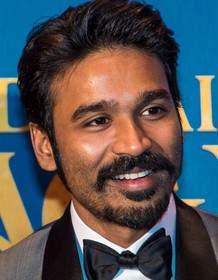
Kundan Shankar (Dhanush)
Played by Dhanush
Deeply devout and patient, Kundan Shankar's childhood crush on Zoya matures into steadfast, selfless love. His quiet loyalty leads him to support Zoya's family and navigate their world with restraint, even as social norms press for separation. He ultimately makes difficult choices for the sake of duty and the people he cares about, accepting painful consequences along the way.
- 💖 Romance
- 🧭 Duty
- 🙏 Faith
- ZH
Zoya Haider (Sonam Kapoor Ahuja)
Played by Sonam Kapoor Ahuja
Zoya is intelligent and ambitious, moving from private affection to a more assertive, political life. She studies at Aligarh and later attends JNU, where she engages with Delhi's vibrant ideologies. Her actions—inclining toward Akram and later shaping a political force—reveal a blend of idealism, pragmatism, and personal resolve.
- 🎓 Education
- 🗳️ Politics
- 💫 Transformation
- AZ
Akram Zaidi / Jasjeet Singh Shergill (Abhay Deol)
Played by Abhay Deol
A charismatic student leader who lives a double life—Akram Zaidi and the public persona of Jasjeet Singh Shergill. He embodies ambition and allure, using disguise and political savvy to win acceptance from families and peers. His complex identity drives the central collisions between love, loyalty, and political aspiration.
- 🎭 Identity
- 🗳️ Politics
- 🌀 Deception
- B(
Bindiya (Swara Bhasker)
Played by Swara Bhasker
Kundan's childhood friend who has cherished him since they were kids. She embodies steadfastness and quiet resilience, serving as a counterpoint to the evolving love triangle and offering a grounded, loyal presence through shifting loyalties and heartbreak.
- 💞 Friendship
- 🧭 Loyalty
- 🏠 Roots
- R(
Rashmi (Shilpi Marwaha)
Played by Shilpi Marwaha
Zoya's close ally and sister-figure who nudges her toward a more forgiving path. Rashmi is a steady voice within Zoya's circle, supporting her decisions while highlighting the human costs of political and personal choices.
- 🤝 Ally
- 👭 Sisterhood
- CM
Chief Minister (Sujata Kumar)
Played by Sujata Kumar
A ruthless political operator who uses power and strategy to consolidate control. She engineers plans that test Kundan and Zoya, illustrating how political ambition can manipulate personal lives and press on the edges of morality.
- 🏛️ Power
- 🧭 Strategy
-
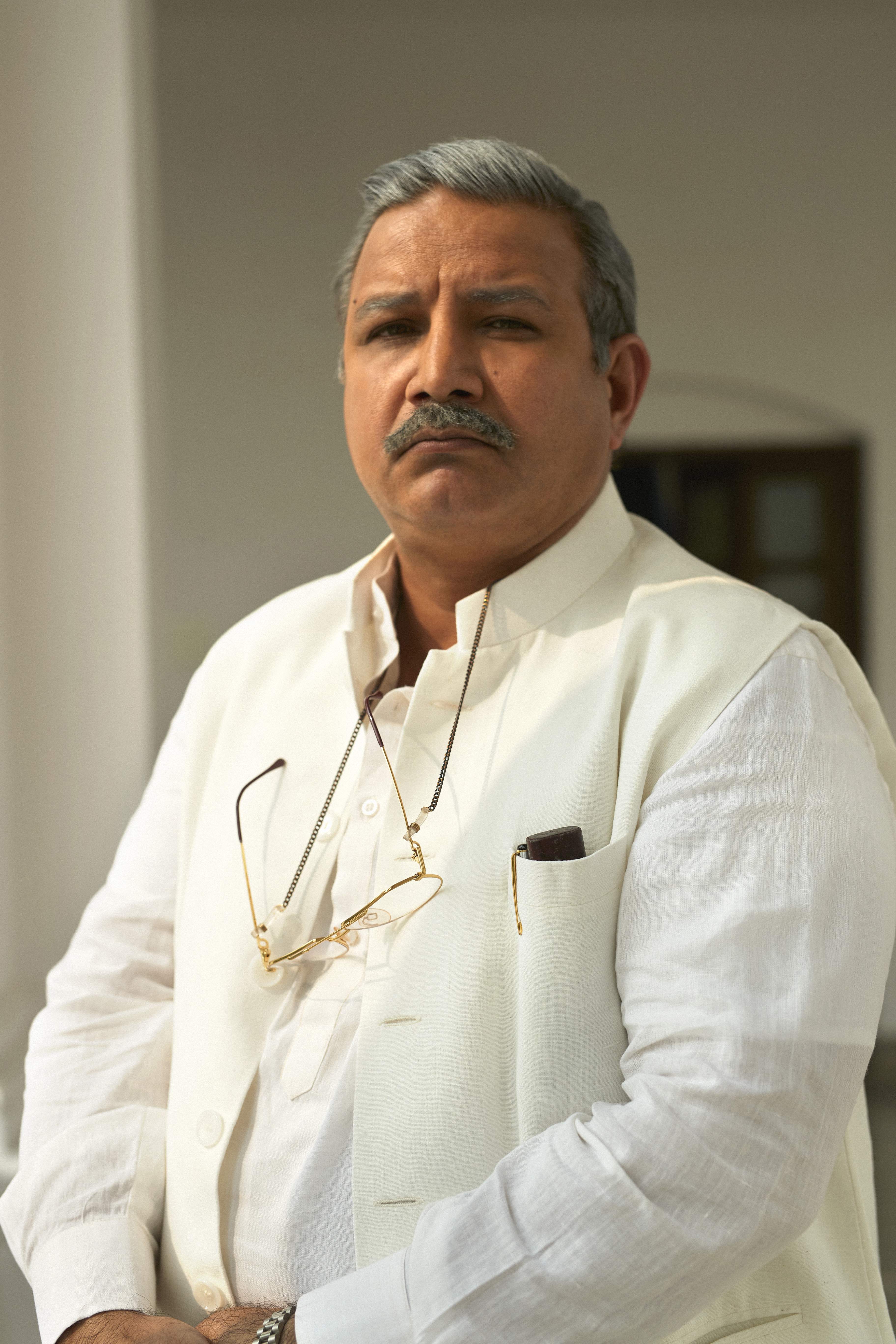
Zoya's Father / Guruji (Kumud Mishra)
Played by Kumud Mishra
A respected authority figure who embodies tradition and guidance. His presence anchors Zoya's upbringing and contextualizes the conflicts between faith, family duty, and personal ambition.
- 👪 Family
- 🕊️ Tradition
- KF
Kundan's Father (Vipin Sharma)
Played by Vipin Sharma
A cameo appearance that grounds the family dynamics. His role reinforces the influence of lineage and religious devotion on Kundan's values and decisions.
- 👨👦 Family
- 🕰️ Legacy
Where and When Is Raanjhanaa Set?
Raanjhanaa is set in Varanasi and Delhi (2010s). Here is why the time and place matter to the story.
When
2010s
The story unfolds in contemporary India, spanning childhood to adulthood across the 2010s. It moves between the sacred spaces of Varanasi and the bustling, often tense environment of Delhi's political scene. The timeline tracks a decade of growth, love, and consequence.
Where
Varanasi, Delhi
Varanasi is portrayed as a holy city on the banks of the Ganga, steeped in ritual and tradition. Its narrow lanes and temples frame Kundan's patient devotion to Zoya. The story then shifts to Delhi, a modern political capital where public life and personal history collide.
- 🕌 Holy city
- 🎭 Cultural hub
- 🕉️ Sacred traditions
What Are the Themes of Raanjhanaa?
4 ideas the story keeps returning to, among them Love vs Duty, Politics and Forgiveness.
-
01
Love vs Duty
Raanjhanaa centers on a love that buckles under social expectations and family obligations. Kundan's lifelong devotion to Zoya collides with the practical demands of tradition, faith, and caste. The story tests how far love can bend rules without breaking people. The tension between personal longing and communal duty is the core engine of the narrative.
-
02
Politics
Politics in the film acts as both catalyst and mirror, showing how power can fuse with passion to redefine lives. Zoya evolves into a political leader within Delhi's dynamic arena, while Akram/Jasjeet's persona reveals how charisma and strategy can influence families. The Chief Minister's manipulation demonstrates the cost of ambition and control. The political landscape is inseparable from the characters' intimate choices.
-
03
Forgiveness
Forgiveness is a recurring motif as characters confront the consequences of their choices. The moment of truth—Zoya's confession and Kundan's willingness to bear the consequences—drives the drama toward tragedy and reflection. The narrative asks whether mercy can redeem deep betrayals or if certain wounds remain irreparable. Forgiveness becomes both a personal and collective test.
-
04
Identity
Identity is explored through disguises, names, and social roles. Akram Zaidi's double persona as Jasjeet Singh Shergill highlights the fragility and performative aspects of acceptance in a conservative milieu. The film also probes how religious and cultural identities influence love, loyalty, and political allegiance. The question of who one truly is sits at the heart of the escalating conflict.
What Kind of Film Is Raanjhanaa?
Melancholic in tone, with variable pacing and a moderate story, going by the plot summary.
- Tone
- Melancholic
- Pacing
- Variable
- Story
- Moderate
- Intensity
- High
- Ending
- Sad
A deeply melancholic and intense epic tracing one man's obsessive, devotional love across decades, which escalates from quiet patience to tragic political consequences and a heartbreaking final act of sacrifice.
- devotional
- obsessive
- tragic
- penitent
- unrequited
- political
- forbidden love
- class divide
- religious identity
- political ambition
Content notes: political violence, fatal beating, emotional manipulation.
Quiz
How well do you remember Raanjhanaa? Test yourself on the story.
