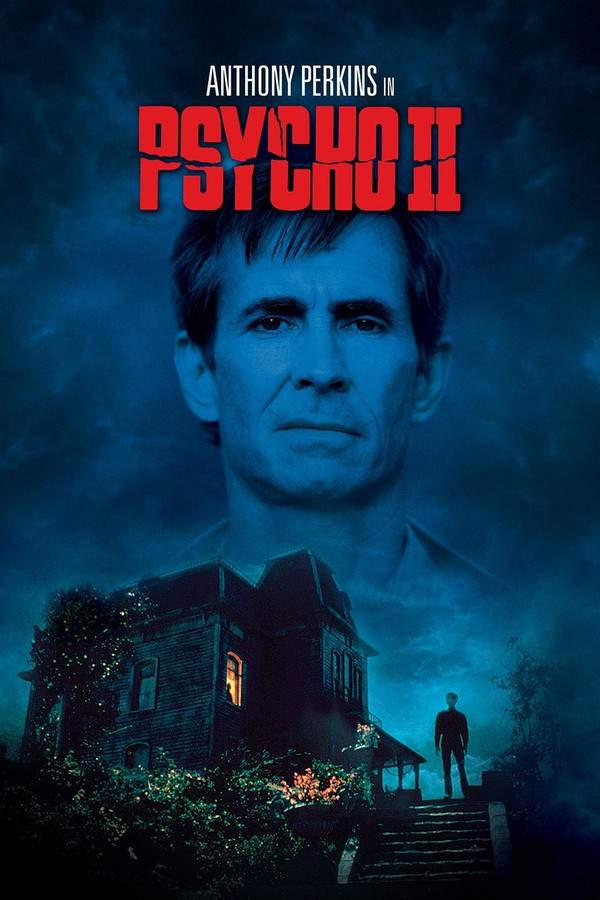
What Is Psycho IV: The Beginning About?
The premise of Psycho IV: The Beginning in 282 words, with nothing given away. The full story follows below.
In the shadowed corridors of the iconic Bates Motel, a fragile peace has settled over a life once defined by terror. Norman Bates, recently released from the grip of his own haunted past, tries to build a new reality with his psychiatrist wife, Connie, as they await the arrival of their first child. Yet the quiet of the present is constantly pierced by a lingering dread that the darkness that once consumed him might surface again, especially as he worries whether his unborn son could inherit the same fractured mind.
The quiet ordinary world cracks open when a late‑night talk‑radio program, hosted by the incisive Fran Ambrose, turns to the unsettling topic of matricide. Joined by former therapist Dr. Leo Richmond, the discussion becomes a magnet for a voice from the past. Using a false name, Norman reaches out from the shadows, offering a fragmented confession that blurs the line between present and memory. The radio airwaves become a conduit for a man grappling with the ghosts of his childhood and the suffocating influence of his mother, whose presence still looms over every decision he makes.
The film’s tone sways between stark, modern psychological drama and the classic, eerie atmosphere of the original horror saga. Moody lighting, flickering shadows in the motel’s aging interiors, and a steady, low‑rumble soundtrack amplify the sense of unease, while the fragmented flashbacks suggest a mind caught in a looping nightmare. As Norman negotiates the fragile ties to his wife, his unborn child, and the lingering specter of his mother, the audience is left to wonder whether the call to the radio show is a desperate plea for help or a step toward something far more perilous.
What Happens in Psycho IV: The Beginning?
The complete story of Psycho IV: The Beginning, from the first scene to the last, in 697 words (about 3 minutes). Spoilers throughout. Names in the text link to 8 cast member pages.
Spoilers ahead
A once-again rehabilitated Norman Bates, Anthony Perkins, is now married to a psychiatrist named Connie Donna Mitchell and is expecting a child. Norman secretly fears that the child will inherit his mental illness. One evening, he hears radio talk show host Fran Ambrose, CCH Pounder, discussing the topic of matricide with her guest Dr. Leo Richmond, Warren Frost, Norman’s former psychologist. Norman calls into the radio show, using the alias “Ed”, to tell his story. The scene shifts between present tense and a series of flashbacks, gradually revealing the origins of a crime that still haunts him.
Norman’s narrative unfolds as a mosaic of memories from the 1940s and 1950s, occasionally out of order. When Norman is six years old, his father John dies, leaving him in the care of his mother, Norma Bates Olivia Hussey. Norma dominates the household with a harsh, controlling presence, and she subjects Norman to brutal punishments for the slightest infraction. She beats him, even exposes him to rain while naked, and instructs him in a view of sexuality as sinful. She dresses him up in her clothes, smears lipstick on his face, and imposes an unsettling dynamic during acts of sexual tension, including incestuous foreplay. She also makes him urinate like a girl, squatting over a pitcher, a punishment he endures as part of her grip on him. The motel’s fortunes wobble under financial stress, and Norma’s mood darkens as she channels her frustration into harsh discipline.
The family unit remains secluded until, in 1949, Norma becomes engaged to a brutish man named Chet Rudolph Thomas Schuster. Chet openly bullies Norman, and Norma seems to take pleasure in the arrangement. Driven to a breaking point by jealousy and repeated abuse, Norman murders them both—poisoning their iced tea—and then disposes of Chet’s body while stealing and preserving his mother’s corpse. This act catalyzes a chilling split in Norman’s psyche, as he temporarily “becomes” his mother to suppress the guilt of the deed. When the “Mother” voice takes over, he clothes himself in his mother’s garments, wears a wig, and speaks in her voice, committing further killings. As “Mother,” he murders Holly Sharen Camille and Gloria Bobbi Evors, two local women who linger at the motel with romantic interest in him. After each murder and other acts, Norman awakens with the belief that “Mother” is responsible, and he destroys the evidence to hide the truth.
In the present day, Dr. Richmond recognizes “Ed” as Norman and urges Fran Ambrose to trace the calls. His concerns are dismissed by the outside world, but Norman grows increasingly anxious that he might slip into madness and kill again. He tells Fran that Connie has become pregnant against his wishes and that he fears the birth could produce another “monster.” Yet he also acknowledges a dangerous desire to protect his wife and unborn child from a fate like his own. He confesses that he thinks he can control the impulses, cultivating a complacent belief that the past can be reined in.
Norman eventually takes Connie to his mother’s old house, intending to finish what he started by killing her and the unborn baby. Connie confronts him with courage and clarity, reminding Norman that freedom of choice lies in his hands and that their child can be guided toward a different path. Her insistence gives Norman a moment of reckoning: he acknowledges that his choices matter and that he has the capacity to shape the future. He puts down the knife and, in a dramatic turn, sets fire to the house that housed so much of his misery. As the flames rise, he experiences a final, haunting vision—his victims, Norma, and even himself preserving her corpse—before he barely escapes the burning wreck alive.
When daylight returns and investigators survey the ruins, Norman declares that he is finally free of his mother. He and Connie walk away, but the house’s cellar doors remain, creaking closed on a rocking chair that continues to move, as if Mother herself is trapped beneath the ashes, screaming for release. The final sound—a baby’s cry—echoes as the screen cuts to black, leaving the question of Norman’s fate suspended in the aftermath of the blaze.
Psycho IV: The Beginning Timeline: Every Key Event in Order
15 key events in the order they happen, from “Present-day life and Ed's radio confession” to “The fire and the ending image”. 15 events name a place, across 9 locations.
- 1
Present-day life and Ed's radio confession
Norman Bates, now married to Connie and expecting a child, fears the baby may inherit his mental illness. He calls Fran Ambrose's radio talk show, using the alias 'Ed', to tell his life story. The confession frames the film's present-day narrative around the past he cannot fully escape.
When:Present day Where:Radio studio
- 2
Dr. Richmond suspects 'Ed' is Norman
Dr. Leo Richmond realizes that the caller 'Ed' is Norman Bates and urges Fran to trace the call. The idea of tracing provokes tension and a sense that the past might break into the present. Ambrose dismisses the concern as entertainment, delaying any real action.
When:Present day Where:Radio studio / Richmond's office
- 3
Norman fears for his unborn child
During the exchange, Norman confides that Connie's pregnancy might produce another monster unless he exercises control. He voices anxiety that his child could inherit his madness. The moment foreshadows the danger lurking behind seemingly ordinary family life.
When:Present day Where:Radio studio
- 4
Norman plans to kill Connie
Norman tells Fran that, even knowing his mother is dead, he intends to kill Connie with his own hands. The confession exposes the dangerous line between self-preservation and homicidal impulse. It sets the stage for the present-day climax.
When:Present day Where:Radio studio
- 5
Norma's domination begins in childhood
In flashbacks, six-year-old Norman loses his father and is left under Norma Bates' controlling rule. The mother exerts constant authority and abuse, shaping Norman's fear and dependence. The memory anchors Norman's fractured psyche.
When:1940s Where:Norma Bates home
- 6
Systematic abuse and humiliation
Norma subjects Norman to brutal punishments for minor infractions, including being beaten, kept out in the rain, and told sex is sinful. She dresses him in girl clothes, smears lipstick, and even forces him to urinate like a female. These acts carve deep psychological scars and confusion about his identity.
When:1940s Where:Norma Bates home
- 7
Norma's engagement to Chet Rudolph
In 1949, Norma becomes engaged to the brutish Chet Rudolph, who openly bullies Norman. The abusive pairing heightens Norman's sense of threat and desperation. The looming violence seems inevitable as the past tightens its grip.
When:1949 Where:Norma Bates home
- 8
Norman murders Chet and Norma
Driven by jealousy and sustained abuse, Norman poisons both Chet and his mother by serving iced tea. He disposes of Chet's body and preserves Norma's corpse, beginning his long-running masquerade. The act triggers the emergence of a new, murderous split personality.
When:1949 era Where:Norma Bates home
- 9
The birth of the 'Mother' personality
To mask his guilt, Norman's psyche splits and he 'becomes' his mother. When 'Mother' takes over, he dresses in her clothes, wears a wig, and speaks in her voice. This alter ego drives further killings and erodes his sense of self.
When:Post-1949 Where:Norman's mind / house
- 10
Mother murders Holly and Gloria
As 'Mother', Norman kills two local women who try to seduce him at the motel. The killings deepen the rift between Norman and reality and widen Norma's influence. After the acts, Norman wakes, convinced that 'Mother' is responsible and destroys the evidence.
When:Post-1949 Where:The motel
Show the other 5 events of Psycho IV: The Beginning Hide the last 5 events
- 11
Confronting the past: destroying evidence
Norman confronts the aftermath of the killings and believes 'Mother' committed them. He destroys any evidence that could reveal the truth, attempting to suppress the truth from himself and others. The moment marks a fragile victory over guilt, at least temporarily.
When:Post-1949 Where:Norma Bates home / surrounding area
- 12
Present-day tension escalates
Back in the present, Norman's fear of losing control resurges as he suspects he could kill Connie again. He emphasizes the danger to Fran and the danger to the unborn child. The conversation deepens the sense that the past is never fully behind him.
When:Present day Where:Present day
- 13
Norman takes Connie to the mother's house
Norman drives Connie to his mother's house with the intent to kill her and her unborn baby. Connie challenges him, reminding him that their child will be guided by love and free will. The moment crystallizes the couple's conflict and test of trust.
When:Present day Where:Mother's house
- 14
Turning point: choosing freedom over murder
Connie's words rally Norman to choose freedom and responsibility over violence. He drops the knife and confronts the possibility of reform. The decision reframes his fate, cutting off the killer's path for the moment.
When:Present day Where:Mother's house
- 15
The fire and the ending image
Norman impulsively sets the house on fire, trying to escape his past as smoke and flames fill the rooms. He hallucinates his victims and his mother in the blaze, barely surviving the inferno. The next day, he declares himself free of his mother, but the final image shows the rocking chair in the ruins and a baby crying, implying an unsettled future.
When:Day after the fire Where:Mother's house ruins
Who Are the Main Characters in Psycho IV: The Beginning?
9 characters, among them Norman Bates (Anthony Perkins), Connie Bates (Donna Mitchell) and Fran Ambrose (CCH Pounder): who each one is and the part they play in the story. Every profile links to the actor’s page.
-
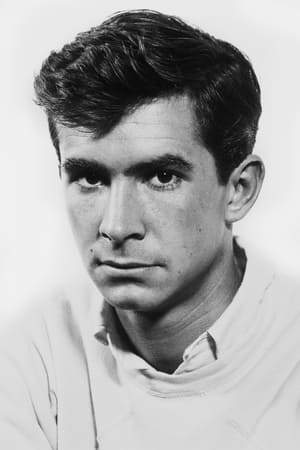
Norman Bates (Anthony Perkins)
Played by Anthony Perkins
Norman is a recently rehabilitated man who fears his child may inherit his mental illness. He grapples with guilt and a split personality that becomes his mother, driving violent impulses even as he seeks stability. The past abuse by his mother shapes his present, culminating in a crisis where he contemplates violence against his wife before choosing to seek renewal.
- 🧠 Trauma
- 🎭 Dual identity
- 🔪 Violent past
- CB
Connie Bates (Donna Mitchell)
Played by Donna Mitchell
Connie is Norman's wife and a psychiatrist by nature, mirroring his need for stability. She becomes pregnant, highlighting the possibility of a peaceful future, and she helps Norman confront his past and the idea of free will. Her support in the present contrasts with the violent history he fears he might repeat.
- 💞 Relationship
- 🧠 Mental health
- 👶 Pregnancy
-
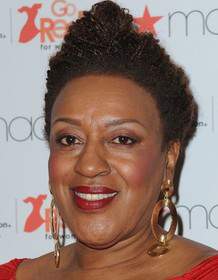
Fran Ambrose (CCH Pounder)
Played by CCH Pounder
A radio talk show host who discusses matricide with Dr. Richmond, Fran becomes the public conduit through which Norman's past is revealed. Her show catalyzes Norman to call in under an alias and share his story, turning private trauma into a broadcasted confession.
- 🎙️ Radio host
- 💬 Catalyst
- DL
Dr. Leo Richmond (Warren Frost)
Played by Warren Frost
Norman's former psychologist, Dr. Richmond suspects that 'Ed' is Norman and urges Fran and Ambrose to trace the calls. He represents the medical perspective on Norman's ongoing risk and the danger of past traumas resurfacing.
- 🧠 Psychiatrist
- 🔎 Investigator
- ⚖️ Ethics
- H(
Holly (Sharen Camille)
Played by Sharen Camille
A local woman who tries to seduce Norman and becomes a victim of his past violence. Her encounter with Norman underscores the lure of temptation and the lethal consequences of unresolved trauma.
- 💃 Seduction
- ⚰️ Victim
- G(
Gloria (Bobbi Evors)
Played by Bobbi Evors
Another woman who attempts to seduce Norman and is murdered, signaling the ongoing danger of Norman's resurfacing violence and the reach of his past.
- 💃 Seduction
- ⚰️ Victim
- NB
Norma Bates (Olivia Hussey)
Played by Olivia Hussey
Norma is Norman's mother, whose domineering, abusive presence initiates the cycle of trauma. Her influence drives Norman to enact violence and to don her identity as 'Mother' to suppress guilt.
- 👩🦳 Mother figure
- 🧠 Abuse
- 💥 Tragic past
- M(
Mother (Alice Hirson)
Played by Alice Hirson
The personified mother voice that surfaces in Norman's 행동, guiding murderous impulses and reflecting the split between Norman and the maternal force he venerates and fears.
- 🗣️ Voice
- 🧠 Split personality
- CR
Chet Rudolph (Thomas Schuster)
Played by Thomas Schuster
Norma's brutish fiancé who bullies Norman; his murder and disposal mark the escalation of Norman's violent past into the present.
- 💢 Abuser
- ⚰️ Victim
Where and When Is Psycho IV: The Beginning Set?
Psycho IV: The Beginning is set in Bates Motel, Norma Bates' House and Radio Studio (1940s–1950s and present day (late 1980s/early 1990s)). Here is why the time and place matter to the story.
When
1940s–1950s and present day (late 1980s/early 1990s)
Two timelines structure the narrative: flashbacks to the 1940s and 1950s reveal Norman's brutal upbringing at the hands of his mother. The present-day scenes follow Norman's attempts at rehabilitation, his marriage to Connie, and the public introspection sparked by a radio show. This interplay highlights how past events shape current behavior and the fragile line between sanity and madness.
Where
Bates Motel, Norma Bates' House, Radio Studio
The story unfolds across the eerie Bates Motel and the claustrophobic Norma Bates' House, settings steeped in memory and control. The present-day scenes shift to a public radio studio where Norman's past is confronted, contrasting domestic confinement with a televised confessional space. Together, these locations frame a tension between hidden abuse, family history, and the possibility of reform.
- 🏨 Bates Motel
- 🏚️ Norma Bates' House
- 🎙️ Radio Studio
What Are the Themes of Psycho IV: The Beginning?
3 ideas the story keeps returning to, among them Mental Health, Dual Identity and Destruction and Release.
-
01
Mental Health
Norman's life is defined by trauma and a fear of inherited illness. The abusive mother and the 'Mother' persona illustrate how environment shapes identity and mental collapse. The film frames violence as a consequence of unresolved trauma, while Norman wrestles with guilt and the urge to control his impulses.
-
02
Dual Identity
Norman alternates between himself and his mother, a split personality that surfaces when he is threatened or triggered. The mother voice and behavior reveal suppressed desires and violent tendencies. The narrative uses this duality to question whether a person can escape a constructed identity.
-
03
Destruction and Release
Norman's decision to set the house on fire marks a drastic break with the past, symbolizing a purge of old traumas. He sacrifices control and safety in the moment of crisis, then confronts the possibility of freedom of choice. The final image of the rocking chair and baby cry suggests that healing remains elusive, yet a new path may be possible.
What Kind of Film Is Psycho IV: The Beginning?
Dark in tone, with steady pacing and a moderate story, going by the plot summary.
- Tone
- Dark
- Pacing
- Steady
- Story
- Moderate
- Intensity
- High
- Ending
- Ambiguous
A dark and psychologically oppressive prequel that steadily builds tension through harrowing flashbacks of abuse, culminating in an ambiguous ending that questions the possibility of breaking free from a traumatic past.
- disturbing
- claustrophobic
- unsettling
- anxious
- oppressive
- dark
- childhood trauma
- mental illness
- psychological horror
- family abuse
Content notes: child abuse, psychological abuse, matricide, multiple murders, incestuous themes, voyeurism.
Quiz
How well do you remember Psycho IV: The Beginning? Test yourself on the story.
Where to Watch Psycho IV: The Beginning
Stream it on AMC Plus and AMC+, or rent or buy it from Amazon Video and Apple TV Store. US availability and prices from JustWatch.
 AMC Plus Apple TV channel
  AMC+
AMC+  AMC+ Roku Premium Channel




Streaming availability in the US, powered by