What Is Prison Song About?
The premise of Prison Song in 249 words, with nothing given away. The full story follows below.
In the bustling streets of New York, a young man whose world has been shuffled between group homes clings to art as his sole anchor. Elijah moves through a city that feels both relentless and alive, his talent for drawing offering brief moments of color amid the gray of uncertainty. Raised by a hardworking mother—portrayed by Mary J. Blige—who juggles night school and low‑income jobs, and a steady‑hand photographer step‑father, Cee, Elijah’s early life is a mosaic of fleeting stability and mounting pressure.
The film’s tone balances gritty realism with a quiet, lyrical hopefulness, letting the urban backdrop breathe through the noises of subways, cramped apartments, and the stark corridors of institutions. As Elijah matures, his devotion to art becomes more than a hobby; it’s a lifeline that fuels his ambition and keeps him reaching for something beyond his circumstances. Relationships with friends like Thomas and a budding romance with Jolie hint at a world where connection and creativity can still flourish despite the weight of the past.
When a promised scholarship slips away, the fragile equilibrium shatters, thrusting Elijah into a legal battle that lands him behind bars. Within the prison walls, the same creative spark that defined his youth begins to illuminate a harsh environment, suggesting that even in confinement, imagination can carve out pockets of humanity. The story invites viewers to contemplate how a young artist navigates a system that tests his spirit, and whether the colors he paints can survive the shadows that surround him.
What Happens in Prison Song?
The complete story of Prison Song, from the first scene to the last, in 978 words (about 4 minutes). Spoilers throughout. Names in the text link to 8 cast member pages.
Spoilers ahead
Elijah Butler is a bright, inquisitive 10-year-old growing up in New York, where everyday life blends with the challenges of a tough urban neighborhood. He lives with his mother, a tireless, aspiring professional who hopes to climb into a legal career, and her fiancé, a photographer who stands as the family’s steady presence. The mother, played by Mary J. Blige, works hard and attends night school while juggling the demands of a low-income world that makes steady employment hard to secure. Her partner, Cee, shares a genuine bond with Elijah and supports them in every way he can, even as life takes unexpected turns.
The family’s fragile balance is shattered when Cee is incarcerated after an incident on the street where he’s targeted while photographing passing pedestrians. He receives a lengthy sentence, a consequence of multiple charges, and the house that once felt alive grows quieter and more uncertain. In a parallel twist of fate, Elijah’s childhood innocence is interrupted when he and his best friend, Thomas Wilson, stumble into trouble of their own. A prank on a police officer involving a laser pointer lands them in a juvenile correctional facility, and Elijah’s mother learns just how fragile their world has become. When she attempts to reclaim her son, she ends up in a mental institution after a confrontation with an overbearing officer. The film follows their intertwined fates as Elijah is separated from his mother and placed in foster care, a separation that leaves emotional scars even as daily life resumes.
Years pass, and the story moves forward with Elijah now an adult and still guided by a remarkable artistic sensibility. He pursues art with a seriousness that earns him a scholarship offer to a prestigious arts school, but financial realities force him to confront a harsh truth: he cannot afford the tuition. His relationship with Jolie, played by Denee Rivera, remains a source of light as he wrestles with the possibility of a different life. He continues to visit Cee through prison channels, clinging to the memory of the father figure who believed in him even from a distance. Elijah’s inner world expands as he imagines a future shaped by his creative voice, though the practical obstacles he faces loom large.
The period of his life takes a sharp turn when an impulsive moment leads to tragedy: Elijah accidentally kills one of his foster brothers, Big Pete. The incident occurs during a confrontation that spills onto the subway tracks, and the consequences are devastating. Elijah is found guilty of second-degree murder and given a draconian sentence of fifteen years to life. The weight of the verdict transforms the course of his life, shoving him into a system designed to test the spirit as much as the body.
Inside the prison, Elijah’s artistic talent becomes a beacon of possibility. He reconnects with a fellow inmate he knew from earlier times, Thomas Wilson, and discovers a surprising sense of purpose in an art class that offers a rare moment of beauty and self-expression within the bleak surroundings. As the class is abruptly shut down for lack of funds, the prisoners endure harsher routines—back-breaking labor, the removal of amenities, and a growing sense of desperation. Elijah channels this frustration into bold, ambitious work, painting pieces that surprise and move his fellow inmates.
Driven by a growing sense of injustice, Elijah stages an uprising within the abandoned structure where the inmates work. The act of defiance leads to severe consequences, landing him in solitary confinement as the authorities crack down on dissent. The situation worsens when basic necessities—water, gym time, and educational opportunities—are withdrawn, pushing Elijah to a breaking point. He decides to mount a bold breakout, partnering with a small group of allies who share his hunger for freedom and a belief in the power of collective action.
The escape plan unfolds with the help of allies inside the jail: KT, Brown, and Jay, a prison electrician whose technical know-how becomes essential. As the plan advances, tension and betrayal creep in: one member, Harris, decides to bail at a critical moment, altering the dynamics of the group. The escape sequence culminates in a tense chase as the prisoners approach a police vehicle, but violence erupts when Jay stabs Thomas in the back with a screwdriver—an act rooted in a prior feud that had already left its mark on their fragile camaraderie.
Amid the chaos of the breakout, Elijah makes a last-ditch attempt to rescue Thomas, who dies in his arms. The escape does not go as planned, and Elijah finds himself trapped against a barrier while holding an officer hostage. A shotgun blast ends his life just as the escape seems within reach, a brutal finale that underscores the film’s unflinching look at the price of rebellion within a system built to keep people caged.
In the aftermath, Elijah’s artistic legacy takes on a life of its own. Some time later, his drawings—born from the time he spent behind bars—find their way into an art gallery, inviting viewers to glimpse the humanity that endured within hardship. The closing image focuses on a painting that depicts Elijah and Thomas as children, a poignant reminder of the friendship that shaped their paths and the enduring power of art to capture memory, resilience, and loss.
Throughout the film, the lives of Elijah and those around him illuminate a web of resilience, ambition, and the enduring pull of family ties. The story strides through moments of tenderness and brutality with a steady, restrained cadence, inviting viewers to reflect on the consequences of choices made under pressure and the ways in which art can offer a form of escape, expression, and, at times, absolution. The final frame lingers on the gallery painting, letting the audience consider how a single life, and the art it leaves behind, can echo across years and touch future generations.
Prison Song Timeline: Every Key Event in Order
11 key events in the order they happen, from “Elijah Butler's childhood in New York” to “Closing image: memory of Elijah and Thomas”. 10 events name a place, across 6 locations.
- 1
Elijah Butler's childhood in New York
Elijah Butler is introduced as a bright 10-year-old living in New York, with a hard-working mother who attends night school to become a lawyer. Her fiancé Cee, a photographer, supports the family. Cee is arrested after assaulting an officer who harassed him for taking photographs, and he ends up serving 25 to life for three consecutive charges.
When:Childhood Where:New York
- 2
Elijah and Thomas jailed for a prank
One night, Elijah and his best friend Thomas Wilson are incarcerated at a juvenile correctional facility after a prank on a police officer using a laser pointer. Elijah's mother comes to retrieve him but is told he cannot be released; she is involuntarily admitted to a mental institution after stabbing an officer with a pen. Elijah visits his mother once; she is medicated and unaware.
When:Soon after incident Where:New York – Juvenile correctional facility
- 3
Elijah released to a foster home
Elijah is eventually released from the juvenile facility and placed in a foster home. The reunion attempts with his mother fail due to her condition, though they both try to connect.
When:Soon after release Where:New York
- 4
Adult Elijah pursues art but faces financial barriers
Years later, Elijah is an adult and dreams of becoming an artist, supported by his girlfriend Jolie. He is offered a spot at a prestigious art school on scholarship, but the scholarship falls through and he cannot afford tuition.
When:Young adulthood Where:New York
- 5
Murder of Big Pete and prison sentence
After a troubling turn, he becomes involved in a confrontation with Big Pete; he accidentally pushes Pete onto subway tracks, causing his death. He is found guilty of second-degree murder and sentenced to fifteen years to life.
When:Adulthood Where:New York subway
- 6
Prison life begins; Elijah discovers art
Inside prison, Elijah is reunited with Thomas and takes an art class, painting works that impress fellow inmates. However, funding cuts force the class to be discontinued.
When:Early imprisonment Where:State prison
- 7
Hard labor and uprising
Life in prison deteriorates as inmates are subjected to hard labor on an abandoned building, prompting Elijah to stage an uprising by setting a fire. The rebellion leads to solitary confinement.
When:Mid imprisonment Where:State prison
- 8
Breakout plan forms
With conditions worsening, Elijah forms a breakout plan with Thomas, Harris, KT, Brown, and Jay; Harris bails out at the last minute. The group uses a ladder to escape through a window and presses a button to open the gate.
When:Late imprisonment Where:State prison
- 9
Escape night: betrayal, death, and capture
During the breakout, Jay stabs Thomas in the back with a screwdriver out of revenge for a prior incident; Elijah goes back to help Thomas, who dies in his arms. Elijah tries to flee but is pinned by a four-wall fence and is killed by a shotgun blast while holding an officer hostage.
When:Escape night Where:Prison yard and escape route
- 10
Art finds a public stage
Sometime after prison, Elijah's drawings from his time behind bars are displayed at an art gallery. Visitors view the portraits, including a painting of Elijah and Thomas as kids, highlighting his lasting memory.
When:Post-prison Where:Art gallery
- 11
Closing image: memory of Elijah and Thomas
The final image centers on a painting of Elijah and Thomas as kids, as the camera lingers on their friendship and what the story left behind.
Who Are the Main Characters in Prison Song?
7 characters, among them Elijah Butler (Young), Elijah Dixon and Mom: who each one is and the part they play in the story. Every profile links to the actor’s page.
- EB
Elijah Butler (Young)
Played by Justin 'DJ' Spaulding
A bright, perceptive 10-year-old living in New York who loves drawing and asks questions about the world. He navigates poverty with curiosity and resilience, forming a close bond with his fiancé-to-be Cee through hardship. His intelligence and sensitivity hint at the adult artist he will become.
- 🧠 Intelligent
- 🎨 Artist-in-training
- 💪 Resilient
- ED
Elijah Dixon
Played by Q-Tip
An aspiring artist who dreams of attending a prestigious art school but struggles to afford tuition. He discovers painting as a means of escape and self-expression while facing confinement and moral conflict. His journey from prisoner to gallery-worthy work underscores the power of art to survive oppression.
- 🎨 Artist
- 💡 Visionary
- 💪 Resilient
-
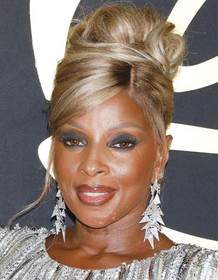
Mom
Played by Mary J. Blige
A hard-working mother who toils in night classes with the goal of becoming a lawyer, raising Elijah with resolve despite financial hardship. Her ambitions reflect a belief in education as a route out of poverty. After a violent incident, she is swept into a mental institution, illustrating the personal costs of systemic stress.
- 👩👧👦 Family-first
- 💪 Determined
- 🧠 Ambitious
-
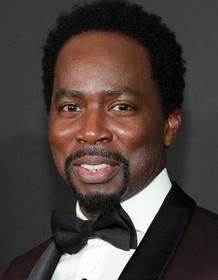
Cee
Played by Harold Perrineau
A photographer and devoted partner who supports Elijah and anchors the family during tough times. His arrest marks a turning point, underscoring how external judgment and policing alter lives. He remains a symbol of care and complexity in Elijah’s world.
- 📷 Artist
- 💖 Supportive
- 🤝 Loyal
- TW
Thomas Wilson
Played by Dominique Walters
Elijah's best friend who navigates juvenile life with the hope of a better future. His relationship with Elijah is pivotal, and his subsequent fate in prison highlights the fragility of friendship under pressure. He embodies loyalty and tragedy within the system.
- 👬 Friend
- 🗡️ Vulnerable
- 🏷️ Victim
-
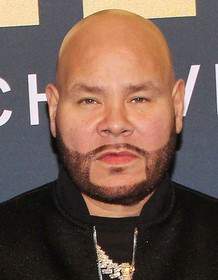
Big Pete
Played by Fat Joe
A foster brother figure whose presence underscores the vulnerability of Elijah’s circle. His death on the subway tracks becomes a catalyst for remorse and a turning point in Elijah's moral calculus. The character serves as a stark reminder of costs of the streets.
- 👤 Family
- ⚖️ Consequence
- ⚡ Tragic
- J
Jay
Played by Hassan Johnson
An inmate who plays a volatile role in the escape plan, driven by a mix of loyalty and resentment. His actions intensify the danger inside the jail and accelerate the climactic confrontation. He embodies the volatile, survivalist mindset present in the prison environment.
- 👤 Inmate
- ⚔️ Conflict
- 🧭 Loyal
Where and When Is Prison Song Set?
Prison Song is set in New York. Here is why the place matters to the story.
When
The story follows Elijah from childhood in New York through his adult years, spanning juvenile detention to life in an adult facility. It tracks years of hardship, resilience, and a quest for artistic self-expression amid confinement. The arc emphasizes a life journey over a fixed historical period.
Where
New York
New York is the central setting, shaping the characters' experiences through its dense urban landscape. The film captures neighborhood life, crowded streets, and the everyday grit of a working-class family. The city’s institutions—schools, police, and prisons—frame Elijah’s world and the forces that pull him toward both creativity and trouble.
- 🗽 Urban landscape
- 🎭 Diverse communities
- 🏙️ Street-life resilience
What Are the Themes of Prison Song?
4 ideas the story keeps returning to, among them Incarceration, Artistic Expression and Family.
-
01
Incarceration
In Prison Song, incarceration is a central force shaping every character's choices. Elijah’s life is defined by confinement, from juvenile detention to his adult sentence and a desperate breakout attempt. The story critiques social inequities that trap families in cycles of punishment and hardship.
-
02
Artistic Expression
Art becomes a lifeline for Elijah, giving him a voice inside the prison system and a way to process trauma. His paintings draw attention from fellow inmates and later appear in galleries, signaling recognition beyond confinement. The pursuit of art becomes a testament to resilience and human creativity.
-
03
Family
Family dynamics drive the narrative: a working mother striving for opportunity, a supportive fiancé, and a network of mentors and peers. The film illustrates how love and responsibility push characters to risk everything for a better future. Yet poverty and institutions stain these bonds, revealing their fragility.
-
04
Resistance
The uprising against oppressive conditions culminates in a plan to break out, highlighting the prisoners’ desperate urge to reclaim agency. The plan tests loyalties and leads to tragic consequences, underlining the high cost of rebellion. The finale links Elijah’s art with the memory of those who fought for dignity.
What Kind of Film Is Prison Song?
Bleak in tone, with steady pacing and a moderate story, going by the plot summary.
- Tone
- Bleak
- Pacing
- Steady
- Story
- Moderate
- Intensity
- High
- Ending
- Bittersweet
A heavy and relentless social drama that follows a young artist's tragic journey through the prison system, balancing bleak tragedy with the resilient power of creative expression.
- tragic
- oppressive
- resilient
- somber
- claustrophobic
- gritty
- incarceration
- systemic injustice
- coming of age
- art as salvation
Content notes: accidental death, incarceration, parent-child separation, institutionalization, prison violence.
Quiz
How well do you remember Prison Song? Test yourself on the story.
Where to Watch Prison Song
Stream it on Cineverse. US availability and prices from JustWatch.
Stream 1
 Cineverse
 Streaming availability in the US, powered by