What Is Phone Call from a Stranger About?
The premise of Phone Call from a Stranger in 326 words, with nothing given away. The full story follows below.
In the cramped waiting lounge of a mid‑century airport, a sudden storm forces a jittery DC‑3 into an unexpected layover. While the rain patters against the windows, a handful of passengers strike up conversation, sharing jokes, worries, and fleeting confidences that feel both ordinary and oddly intimate. The atmosphere hums with the restless energy of strangers on the brink of departure, each carrying a personal secret that hints at larger stories waiting to unfold.
Among them sits David Trask, a man still reeling from a painful confession of infidelity that has driven him from his wife’s side and set him on a solitary drive to Los Angeles. Across the table, a weary doctor, Dr. Robert Fortness, wrestles with a lingering sense of guilt; an aspiring actress, Binky Gay, dreams of a breakthrough on the stage; a seasoned salesman, Eddie Hoke, offers quick humor to mask his own uncertainties; and a former vaudeville performer, Sally Carr, watches the group with a mixture of skepticism and curiosity. Their dialogue drifts from light‑hearted banter to deeper reflections, forging a fragile camaraderie that seems as temporary as the weather‑delayed flight.
When the aircraft finally lifts off again, fate intervenes, leaving Trask as the lone survivor of a calamity that erases the rest of the passengers and crew. In the quiet aftermath, he is haunted not only by the wreckage but by the vivid impressions left by the people he met only hours before. Compelled by an almost compulsive need to understand the lives that were abruptly cut short, he begins a quiet, determined investigation, reaching out through phone calls that feel both intrusive and reverent.
The film balances a somber, introspective tone with moments of wry humanity, inviting the audience to contemplate how brief encounters can reshape one’s sense of identity. As Trask pieces together fragmented memories, the story unfolds like a delicate puzzle where each phone call draws him closer to a truth about himself that he never anticipated.
What Happens in Phone Call from a Stranger?
The complete story of Phone Call from a Stranger, from the first scene to the last, in 834 words (about 4 minutes). Spoilers throughout. Names in the text link to 2 cast member pages.
Spoilers ahead
David Trask, played by Gary Merrill, leaves his wife Jane Trask, Helen Westcott, after she confesses to an extramarital affair, and heads for Los Angeles with a sense of hurt and resolve. The move sets off a chain of encounters that unfold in a way no one aboard the flight could have anticipated. While waiting in the airport restaurant, Trask meets a cross-section of strangers each carrying their own burdens: Dr. Robert Fortness, [Michael Rennie], a troubled physician haunted by guilt after a car crash that claimed a colleague’s life; Binky Gay, [Shelley Winters], a hopeful actress trying to liberate her husband Mike Carr from a domineering mother-in-law; Sally Carr, [Evelyn Varden], a former vaudeville performer who looks down on Binky; and Eddie Hoke, [Keenan Wynn], a boisterous traveling salesman with a sharp sense of humor and a photograph of his wife Marie, [Bette Davis]. Also present is Mike Carr, [Craig Stevens], whose own ambitions intersect with Binky’s dreams. The conversation in that sudden layover sparks a loose, human bond among strangers who soon discover they share more in common than they would have guessed.
A storm forces the DC-3 to land en route, and the group exchanges lifelines in the form of stories and phone numbers, imagining a possible reunion once the weather clears. But fate has a harsher plan. When the aircraft resumes its flight, tragedy strikes: Trask is one of only three survivors; the other eighteen passengers and crew—including Trask’s new acquaintances—are killed. In the quiet that follows, Trask reaches out to the families by telephone and accepts invitations to visit their homes, stepping into roles he never expected to play.
At one house, Claire Fortness, [Beatrice Straight], shares with Trask that her son Jerry has run away, blaming her for his father’s frequent absences and drinking. Trask tracks Jerry down and gently persuades him to come home for a brief moment to hear what his father’s life has taught him. Claire resists discussing the truth behind the car accident and the lies that protected them all, but Trask’s explanation of Dr. Fortness’ deep-seated guilt and drive to set things right begins to soften Jerry’s stubbornness. The boy’s perspective shifts as he begins to understand the complexity of adult choices.
Meanwhile, Sally Carr’s opinion of Binky softens as Trask hints at a glamorous life for the would-be actress. He tells Sally that Binky had been cast as Mary Martin’s replacement in a Broadway production of South Pacific, and he even suggests that Sally’s own talents might have found a place on stage. Mike Carr’s gratitude is clear when he thanks Trask for giving Binky the chance to realize the dream she always hoped for, a moment of recognition that feels like a tiny, fragile triumph amid the larger, unsettled road ahead.
The most revealing visit comes with Marie Hoke, [Bette Davis], who is not the radiant figure Eddie once photographed but an invalid paralyzed from the waist down. Marie recounts a past that reshapes Trask’s understanding of loyalty, sacrifice, and love. Earlier in her marriage she walked away from Eddie, who she found vulgar and tiresome, for another man, Marty Nelson, [Warren Stevens]. The plan was to drive together to Chicago, stopping along the way to savor their newfound freedom. A cruel accident at a lakeside dock—Marie’s head injury left her dependent on an iron lung—turned that dream into a painful reality. Marty initially saved her life, but when he learned the extent of her paralysis, he abandoned her. Eddie, deeply forgiving, came to take her home, greeting her with the warmth of a man who believed in her anyway. He even says, “Hiya, beautiful,” a simple phrase that carries a weight of acceptance and decency.
Marie’s story is a stark counterpoint to the bravado and bravura of the other travelers. She reveals that, despite Eddie’s sometimes abrasive manner, he was the most decent man she had ever known, and he had taught her what true love could be. Her memory of him becomes a touchstone for Trask as he weighs the consequences of his own infidelity and the possibility of reconciliation.
In a quiet, reflective moment, Marie’s testimony becomes a catalyst for Trask’s growing realization: fidelity and responsibility matter more than appearances, and healing cannot come from denial or blame. The lessons come not from courtroom cases or moral posturing but from the intimate, painful stories of the people he met during a layover that stretched far longer than four hours.
By the film’s end, Trask sees the possibility of repair in his own life. The truth about Eddie, about Jerry, about Claire, and about Marie points toward a path of honest confrontation rather than retreat. He resolves to return home to Jane and to face the consequences with a renewed commitment to truth, responsibility, and forgiveness. The ensemble, brought together by chance and weather, has offered him a new lens through which to view marriage, obligation, and what it means to be truly faithful to the ones you love.
Phone Call from a Stranger Timeline: Every Key Event in Order
12 key events in the order they happen, from “Trask leaves his wife after the affair” to “Marie reveals Eddie's decency and Trask's resolve”. 10 events name a place, across 10 locations.
- 1
Trask leaves his wife after the affair
David Trask learns of Jane's extramarital affair and chooses to abandon her and their daughters to head for Los Angeles. He seeks a fresh start far from home, carrying the weight of the betrayal. The decision sets him on a path toward guilt, denial, and eventual self-reflection.
Where:Iowa
- 2
Airport delay leads to new connections
While waiting in the airport restaurant for a delayed flight, Trask encounters a few fellow passengers and begins to hear their stories. He remains guarded about his own pain, observing the lives around him. The chance meeting plants seeds for the film's moral exploration of truth and forgiveness.
Where:Airport restaurant
- 3
Stormy layover reveals secrets
A storm forces the aircraft to land, turning the layover into a prolonged four-hour session where passengers share their life stories. The confessions range from personal losses to moral compromises, painting a mosaic of human frailty. The gathering deepens the sense that strangers may carry similar burdens.
When:four-hour layover Where:Airport layover
- 4
Exchange of numbers and hopeful reunion
Before resuming their journey, the group exchanges home phone numbers with the notion of future reunions. The fleeting connection gives each of them a glimmer of belonging and accountability. It also foreshadows how their paths will intersect again.
Where:Airport
- 5
Airplane crash tests the survivors
The aircraft crashes after resuming the flight, killing eighteen passengers and crew. Trask survives along with two others, leaving him to grapple with survivor's guilt and the memory of those he met during the layover. The disaster acts as a catalyst for his subsequent acts of reach-out and reconciliation.
When:in flight Where:Airplane
- 6
Trask reaches out to the families
After the crash, Trask phones the families of the deceased and volunteers to visit their homes. He doubles as a catalyst for reconnecting broken relationships and begins to confront the responsibilities of his own life. His outreach marks the start of his moral transformation.
When:days after crash Where:Families' homes (via phone outreach)
- 7
Claire confides about Jerry
Claire reveals that Jerry has run off because he blames her for his father's frequent absences and drinking. Trask commits to telling Jerry the truth about the car accident to help him understand his father's pain. Claire's confession heightens the emotional stakes for the family.
Where:Claire's home
- 8
Trask locates Jerry and urges return
Trask tracks down Jerry and persuades him to go back home to hear the truth about the car accident. He frames a path toward reconciliation between father and son, suggesting that honesty can heal damaged trust. The plea marks a critical step in mending the fractures in the family.
- 9
Fortness's guilt explained to Jerry
Trask explains Fortness's deep sense of guilt and his determination to right the wrong he had committed, influencing Jerry's attitude about his father. The revelation reframes the tragedy as a shared human burden rather than a simple moral failure. Jerry's perspective begins to shift toward empathy and reunion.
- 10
Binky's Broadway moment inspires Sally
To sway Sally's opinion of his late daughter-in-law, Trask tells her that Binky had been cast as Mary Martin's replacement in South Pacific and had recommended Sally for a role. The anecdote reframes the family’s legacy and highlights unintended consequences of ambition. The exchange expands the circle of empathy around Sally.
Where:Sally Carr's home
- 11
Mike thanks Trask for Binky's success
Mike Carr expresses gratitude to Trask for giving Binky such a beautiful success, validating the idea that kindness and support can alter lives. The moment underscores the restorative potential of understanding and generosity within compromised relationships. It also strengthens Trask's resolve to seek reconciliation.
Where:Mike Carr's home
- 12
Marie reveals Eddie's decency and Trask's resolve
Marie explains how Eddie remained the most decent man she knew, forgiving her past and bringing her home despite her paralysis. Her tale of Eddie's forgiveness and steadfast love reinforces Trask's belief in reconciliation. He ultimately calls Jane to tell her he is returning home, choosing to repair his own broken bond.
Where:Marie's hospital room
Who Are the Main Characters in Phone Call from a Stranger?
11 characters, among them David Trask (Gary Merrill), Marie Hoke (Bette Davis) and Eddie Hoke (Keenan Wynn): who each one is and the part they play in the story. Every profile links to the actor’s page.
- DT
David Trask (Gary Merrill)
Played by Gary Merrill
An Iowa attorney unsettled by his wife's admission of an affair, he abandons his family and travels to Los Angeles. In the airport layover, he becomes a catalyst as he shares his life with fellow passengers and unwittingly uncovers the hidden stories of others. His arc moves toward seeking truth and deciding to return home to repair his marriage.
- 🎭 Drama
- ⚖️ Lawyer
- 💔 Betrayal
-

Marie Hoke (Bette Davis)
Played by Bette Davis
Eddie Hoke's wife, she is later revealed to be paralyzed from the waist down after a boating accident. Her confession of past love and the details of her marriage reveal resilience and a deep capacity for forgiveness. Her relationship with Eddie becomes a touchstone for understanding decency and love.
- 💞 Romance
- 💬 Secrets
- 🩺 Health
-
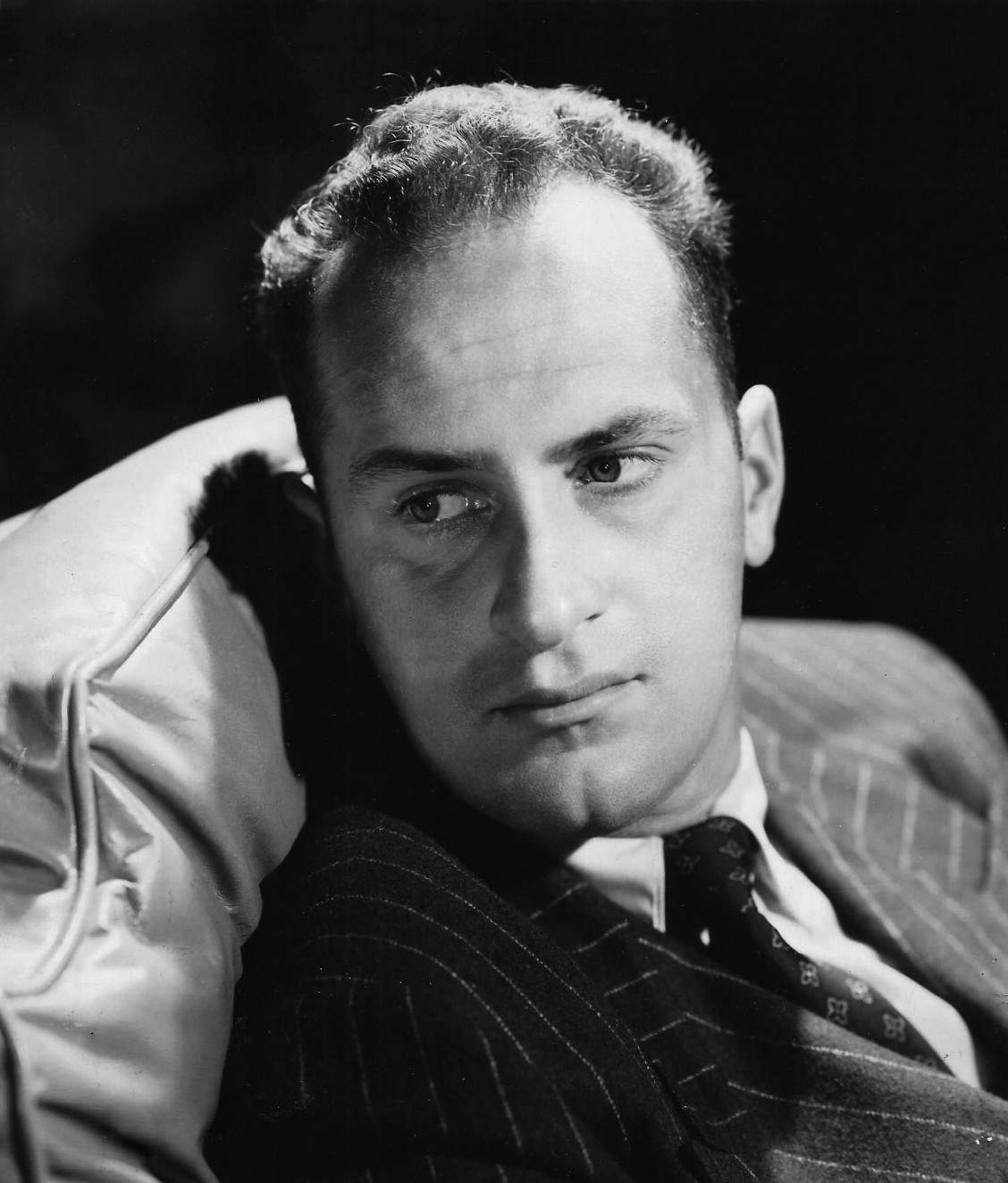
Eddie Hoke (Keenan Wynn)
Played by Keenan Wynn
A boisterous traveling salesman who is quick with a joke, Eddie is revealed as a decent man who stands by Marie despite the lies surrounding their marriage. His warmth contrasts with his rough exterior, and his capacity for forgiveness anchors the emotional core of the story.
- 🎭 Drama
- 🧭 Family
- 💪 Strength
- CF
Claire Fortness (Beatrice Straight)
Played by Beatrice Straight
Wife of Dr. Robert Fortness, she has hidden the truth to protect her husband and son from painful consequences. Claire's restraint and secrecy highlight the conflicting impulses between protecting loved ones and facing harsh realities.
- 🗝️ Secrets
- 🏡 Family
- 🤐 Silence
- DR
Dr. Robert Fortness (Michael Rennie)
Played by Michael Rennie
A doctor haunted by guilt for a car accident in which a colleague died. He plans to reveal the truth to the district attorney, driven by a need to make amends and repair the harm his actions caused.
- 🧭 Guilt
- 💉 Responsibility
- 🕯️ Redemption
- JF
Jerry Fortness (Ted Donaldson)
Played by Ted Donaldson
Teenage son of Claire and Robert, unsettled by his father's absences and his mother's silence. He becomes a focal point for the family’s need to confront the truth about his father’s accident and the consequences of deception.
- 🎒 Coming-of-age
- 🧑🏫 Family
- MC
Mike Carr (Craig Stevens)
Played by Craig Stevens
Binky Gay's husband, a man whose life is entangled with his domineering mother. He is a supportive figure whose relationship with Binky is tested by family dynamics and ambition.
- 💑 Marriage
- 🗣️ Family dynamics
-

Binky Gay (Shelley Winters)
Played by Shelley Winters
Aspiring actress who hopes to free her husband from his controlling mother, aiming for a brighter future on Broadway. Her dreams intersect with the harsh realities of family and ambition.
- 🎭 Dream
- ✨ Ambition
- 🧪 Struggle
- SC
Sally Carr (Evelyn Varden)
Played by Evelyn Varden
Former vaudevillian and Mike Carr’s mother, a domineering presence who looks down on Binky and exerts control over her son. Sally embodies a world of old-show business attitudes clashing with modern aspirations.
- 🎭 Parenthood
- 👵 Authority
- 📜 Tradition
-

Marty Nelson (Warren Stevens)
Played by Warren Stevens
Marie’s former lover who helps shape her past choices. He initially remains a distant lover but his actions reveal the complexities of forgiveness and loyalty when confronted with Marie’s condition and pain.
- 💔 Past relationships
- 🧭 Loyalty
- TB
Tim Brooks (Hugh Beaumont)
Played by Hugh Beaumont
A doctor whose involvement in a fatal accident has consequences for others; his memory and the resulting guilt contribute to the film’s exploration of responsibility and truth.
- 🧠 Medical
- 🕯️ Guilt
Where and When Is Phone Call from a Stranger Set?
Phone Call from a Stranger is set in Iowa, Los Angeles and Airplane (DC-3) (Early 1950s). Here is why the time and place matter to the story.
When
Early 1950s
Set in the early 1950s, the film sits in a postwar American context where domestic life, professional facades, and fragile marriages are tested. Air travel and social norms shape how characters interact and reveal truths. The era's sensibilities about fidelity, duty, and forgiveness underpin the story's moral decisions.
Where
Iowa, Los Angeles, Airplane (DC-3)
The story moves from a midwestern setting to the bustle of Los Angeles as travelers cross paths during a long layover. Much of the drama unfolds in the airport restaurant and in the homes of the survivors, highlighting verschiedene locales within a single narrative. The airplane crash acts as a turning point that drives the characters back into familiar spaces where secrets surface.
- ❄️ Iowa
- 🏙️ Los Angeles
- ✈️ Air travel
What Are the Themes of Phone Call from a Stranger?
3 ideas the story keeps returning to, among them Infidelity, Forgiveness and Truth & Responsibility.
-
01
Infidelity
Infidelity threads through multiple storylines, exposing how secrets undermine trust and alter family dynamics. The characters confront betrayals that ripple beyond their immediate relationships. The film uses these revelations to question the stability of seemingly ordinary marriages.
-
02
Forgiveness
Forgiveness emerges as a central resolution, allowing damaged relationships to begin mending. The narrative shows that reconciliation often requires confronting painful truths and choosing to return to one’s home and loved ones. The final choices underscore mercy over resentment.
-
03
Truth & Responsibility
The possibility of telling the truth about past mistakes drives the plot, particularly in Dr. Fortness's confrontation with his guilt. Responsibility to others clashes with personal pride, guiding characters toward accountability. The journey toward honesty ultimately reshapes families' futures.
What Kind of Film Is Phone Call from a Stranger?
Melancholic in tone, with steady pacing and a moderate story, going by the plot summary.
- Tone
- Melancholic
- Pacing
- Steady
- Story
- Moderate
- Intensity
- Medium
- Ending
- Happy
A steady, melancholic drama about a survivor connecting with the families of crash victims, creating a reflective and soul-searching journey that ultimately finds redemption through shared stories and a renewed commitment to forgiveness.
- reflective
- melancholic
- soul-searching
- tender
- contemplative
- redemptive
- grief and loss
- marital infidelity
- found family
- guilt and forgiveness
Content notes: plane crash, fatal accident, paralysis.
Quiz
How well do you remember Phone Call from a Stranger? Test yourself on the story.
Where to Watch Phone Call from a Stranger
Stream it on FlixFling and Mometu, or rent or buy it from FlixFling. US availability and prices from JustWatch.
 FlixFling
  Mometu
  Plex
Plex  Plex Channel
 Rent or buy 1
Streaming availability in the US, powered by