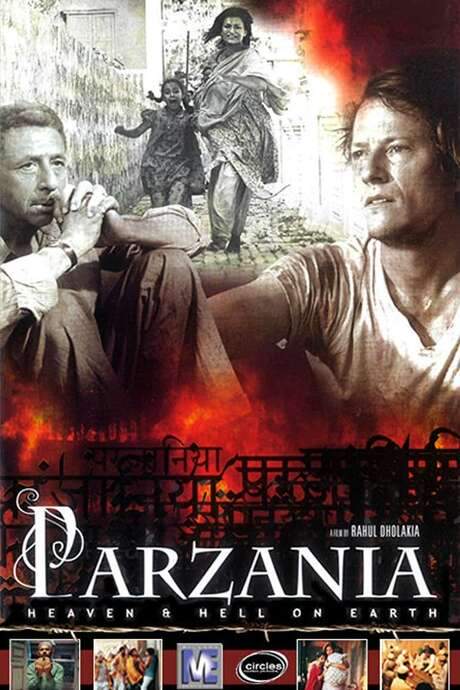
Parzania 2005

Directed by

Rahul Dholakia
Made by

Parzania Plot Summary
Read the complete plot summary and ending explained for Parzania (2005). From turning points to emotional moments, uncover what really happened and why it matters.
Allan, Allan, an American seeking peace and a deeper understanding of his troubled life, arrives in Ahmedabad to use the city as a classroom and Gandhi as the subject of his thesis, hoping this journey will shed light on the world as well as his own inner turmoil.
There he meets the Pithawala family — Cyrus, his wife Shernaz, son Parzan and daughter Dilshad. The Pithawalas, Parsis who follow Zoroastrianism, welcome Allan into their tight-knit circle, and through them and the teachings of a Gandhian mentor, Allan begins to find some measure of peace of mind.
The narrative draws on the real-life story of Rupa Mody, whose son vanished in the turmoil that followed the 2002 Gujarat riots. Ten-year-old Parzan disappears during the violence as surrounding homes are attacked, and Cyrus, Shernaz, and Dilshad narrowly escape the carnage. In the aftermath, Cyrus clings to the hope of finding his missing child while wrestling with his own frayed sanity. Meanwhile, Allan becomes caught up in the larger mystery behind the riots, seeking to make sense of the events that shattered so many lives and challenge simplistic explanations.
As Allan’s investigation unfolds, public suspicion grows over the government’s official account, which many feel downplays any deeper conspiracy. This growing skepticism helps spark the formation of a Human Rights Commission, a platform where witnesses and survivors testify about the police’s apparent indifference and failure to shield people from rioters. The film grounds its emotional and moral questions in these testimonies, presenting a careful, measured look at communal violence, accountability, and the slow process of seeking justice.
The story culminates in a sober, dignified dedication to the victims of communal violence, underscoring a message of remembrance, resilience, and the enduring human drive to understand and heal.
Parzania Timeline
Follow the complete movie timeline of Parzania (2005) with every major event in chronological order. Great for understanding complex plots and story progression.
Allan arrives in Ahmedabad
An American named Allan travels to Ahmedabad to seek inner peace and to understand the world. He chooses India as his school and Gandhi as the subject of his thesis, setting the purpose of his stay. In the process, he meets the Pithawala family.
Allan meets the Pithawala family
He meets Cyrus, Shernaz, Dilshad, and ten-year-old Parzan, a Parsis family following Zoroastrianism. They welcome him and share glimpses of their life, offering a window into Gujarati coexistence. Allan begins to see Gandhi's teachings reflected in their calm resilience.
Allan commits to Gandhi as his thesis subject
Inspired by the family's values and Gandhian philosophy, Allan decides to center his research on Gandhi. He delves into nonviolence and social harmony as guiding principles. This forms the intellectual backbone of his journey.
Riots erupt and Parzan disappears
During the 2002 Gujarat riots, surrounding homes are attacked. Ten-year-old Parzan disappears amid the carnage while Cyrus, Shernaz, and Dilshad escape. The family begins a desperate search.
Cyrus searches for Parzan
In the aftermath, Cyrus grapples with grief and tries to locate his missing son. The trauma tests his sanity as he navigates a landscape of fear and suspicion. Shernaz and Dilshad support the search.
Allan assists in the search
While aiding the Pithawalas, Allan becomes entangled in the search for Parzan. His empathy deepens as he confronts the violence and its effects on ordinary people. The experience reshapes his understanding of community and justice.
Allan investigates the riot's causes
To make sense of the massacre, Allan investigates the underlying reasons behind the riots. He probes tensions and the actions of different groups, seeking a broader truth beyond official narratives.
Public debate on government's explanation
People begin to question the government's official account that downplays conspiracy. Public discourse grows, and calls for accountability intensify as victims speak out.
Formation of the Human Rights Commission
In response to testimonies and suffering, a Human Rights Commission is formed. The commission aims to document abuses and advocate for victims with a growing public demand for accountability.
Witnesses testify against police indifference
The commission collects testimonies from witnesses and victims who describe police inaction and complicity. The testimonies highlight systemic negligence and a lack of protection during the riots.
Pursuit of accountability continues
The investigation progresses as more evidence emerges, challenging official narratives and seeking justice for the victims of the communal violence.
Dedication to victims
The film closes with a dedication to the victims of communal violence, acknowledging the human cost and the ongoing search for peace and justice. Allan and the Pithawalas reflect on Gandhian values as a path forward.
Parzania Characters
Explore all characters from Parzania (2005). Get detailed profiles with their roles, arcs, and key relationships explained.
Allan (Corin Nemec)
An American student who travels to India to study Gandhi and seek inner peace. He is reflective, curious, and uses his outsider status to question accepted histories. His presence acts as a lens that helps reveal conflicting narratives about the riots and their meaning.
Cyrus (Naseeruddin Shah)
Head of the Pithawala family, a devoted father who fights to locate his missing son while preserving his family's sanity. He embodies resilience amid trauma and takes on the burden of safeguarding his loved ones. His actions drive the family's pursuit of truth and justice.
Shernaz (Sarika)
A mother who bears the emotional weight of the tragedy with quiet strength. She navigates grief and seeks justice for the missing child, balancing care for her family with a public call for accountability. Her perspective highlights resilience and moral resolve.
Parzan (Parzaan Dastur)
The ten-year-old boy who disappears during the riots, whose absence catalyzes the search and underscores the personal cost of communal violence. His disappearance embodies innocence lost and the enduring impact on his family. The stakes hinge on finding him and understanding what happened.
Dilshad (Pearl Barsiwalla)
The daughter of the Pithawala family, a young girl who escapes the carnage alongside her family. Her survival marks a fragile thread of continuity and serves as a reminder of the personal costs behind the public events. Her presence anchors the family’s ongoing struggle to rebuild.
Parzania Settings
Learn where and when Parzania (2005) takes place. Explore the film’s settings, era, and how they shape the narrative.
Time period
2002
Set in 2002, the film traces the Gujarat riots and their long shadow over families and communities. It portrays the immediate violence and the fragile efforts to uncover what happened and deliver justice. The timeline extends from the riot year into the ensuing inquiries and policy debates.
Location
Ahmedabad, Gujarat, India
Ahmedabad, a major city in Gujarat, India, serves as the backdrop for the film during the 2002 riots and their aftermath. The Pithawala family, Parsis who follow Zoroastrianism, escape the carnage while the outsider Allan arrives seeking truth. The urban landscape becomes a canvas for personal loss, search for answers, and attempts at accountability.
Parzania Themes
Discover the main themes in Parzania (2005). Analyze the deeper meanings, emotional layers, and social commentary behind the film.
⚖️
Truth
Parzania investigates how truth surfaces amid contested narratives about the riots. The formation of a Human Rights Commission and the testimonies of witnesses expose gaps and biases in official explanations. The story demonstrates how memory and evidence confront political narratives, driving a search for accountability.
🧭
Identity
Allan's journey to India reframes identity as a cross-cultural search for meaning beyond personal turmoil. His interactions with the Pithawala family illuminate how faith, culture, and diaspora shape belonging. The outsider perspective provokes reflection on history, community, and personal peace.
🏛️
Violence
The film centers on communal violence and its impact on ordinary lives, especially a family torn by the disappearance of a child. It highlights the role of police indifference and governmental responses in the aftermath. The narrative pushes toward accountability through witness accounts and structural examination of the riot.

Coming soon on iOS and Android
The Plot Explained Mobile App
From blockbusters to hidden gems — dive into movie stories anytime, anywhere. Save your favorites, discover plots faster, and never miss a twist again.
Sign up to be the first to know when we launch. Your email stays private — always.
Explore the mobile appParzania Spoiler-Free Summary
Discover the spoiler-free summary of Parzania (2005). Get a concise overview without any spoilers.
In the bustling streets of Ahmedabad, a city layered with history and the lingering echo of recent unrest, everyday life is tinged with an uneasy quiet. The atmosphere is a delicate balance between the ordinary rhythms of market stalls and the weight of a community still trying to understand a sudden, bruising rupture. Sunlight filters through narrow alleys, casting long shadows that hint at stories yet to be spoken, while the hum of conversation carries both hope and an undercurrent of uncertainty.
Allan arrives from abroad, drawn to the city by a personal quest for meaning and a scholarly fascination with Gandhi’s philosophy. As a student preparing a thesis on non‑violence, he hopes the teachings of the past will illuminate his own tangled present. His outsider perspective is both a source of curiosity and a quiet observation, allowing him to absorb the nuances of the culture and the lingering tension that clings to the air. Through his eyes, the viewer catches glimpses of a society attempting to reconcile its ideals with its lived reality.
Cyrus and Shernaz live with their children, Parzan and Dilshad, in a modest home that reflects the warmth of a close‑knit Parsi family. Their daily life—filled with modest celebrations, shared meals, and the gentle guidance of their faith—offers a stark contrast to the broader unease surrounding them. Parzan, a bright‑eyed ten‑year‑old, and Dilshad, his protective sister, embody the innocence and promise that anchor the family’s world. As Allan becomes intertwined with their lives, the narrative settles into a contemplative mood, inviting the audience to sense the fragile hope that persists amid the shadows, and to wonder how these intersecting journeys might reshape each participant’s search for peace.
Movies with Similar Twists and Themes
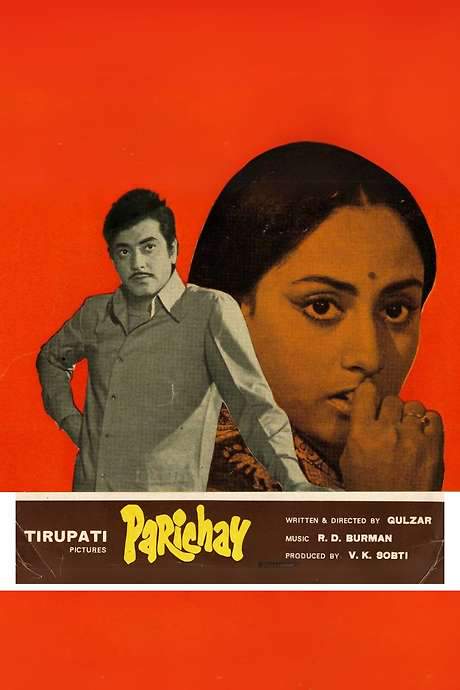
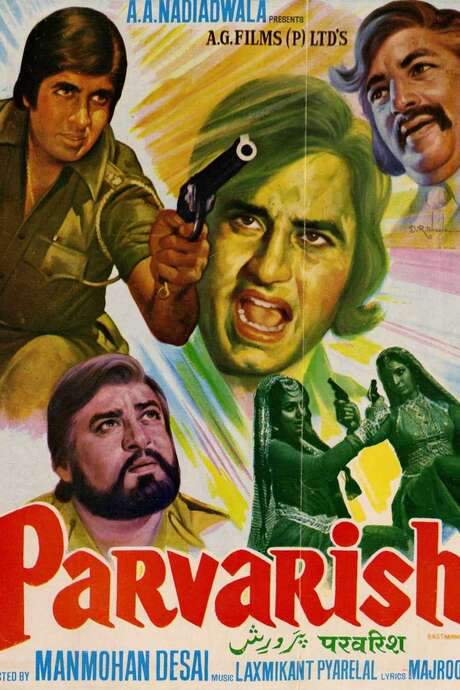
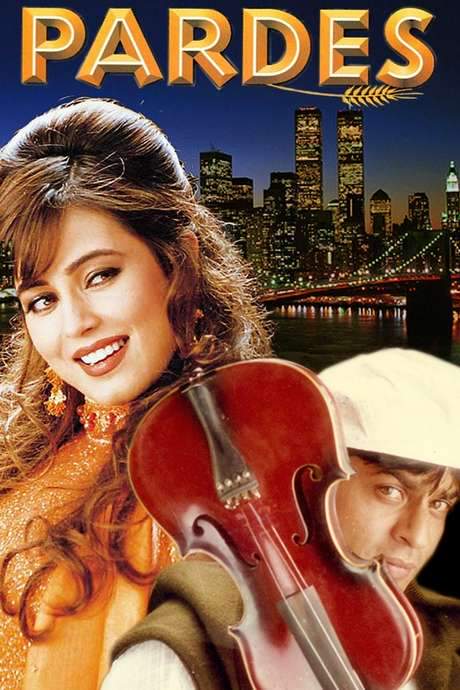
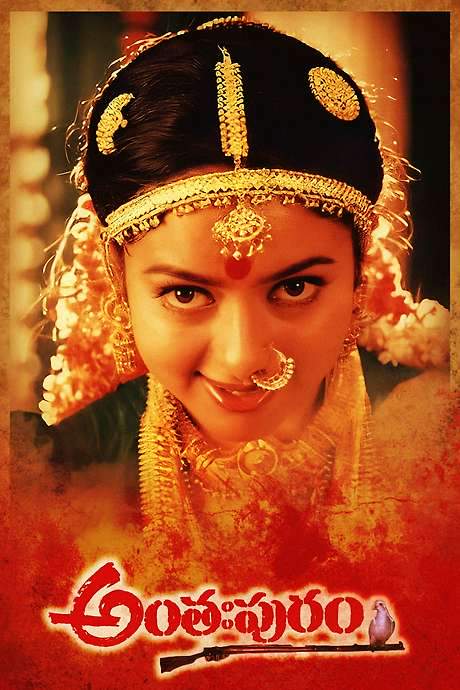
Uncover films that echo the narrative beats, emotional arcs, or dramatic twists of the one you're exploring. These recommendations are handpicked based on story depth, thematic resonance, and spoiler-worthy moments — perfect for fans who crave more of the same intrigue.

Featured on this page

What's After the Movie?
Not sure whether to stay after the credits? Find out!
Check out our other apps:

SAT Sphere
Build confidence for the Digital SAT.

Mori Atlas
Discover wild places worth protecting.

Luntero
Search smarter for a home in Amsterdam.

Plot Explained
Unravel movie endings and hidden clues.

Pokechamp
Dive into Pokémon data and battle logic.

Driving Theory
Get ready for your European theory test.

Movie Dust
Plan your next cinema trip with ease.

Musemap
Find art and culture as you travel.

Selkobase
Compare credentials before committing.

Local Manual
Turn an unfamiliar country into practical next steps.

Lernavi
Compare school systems before your next move.

GymRoam
Find a workout stop wherever your plans take you.
Explore Our Movie Platform
New Movie Releases (2026)
Famous Movie Actors
Top Film Production Studios
Movie Plot Summaries & Endings
Major Movie Awards & Winners
Best Concert Films & Music Documentaries
Movie Collections and Curated Lists
© 2026 What's After the Movie. All rights reserved.
Privacy Policy