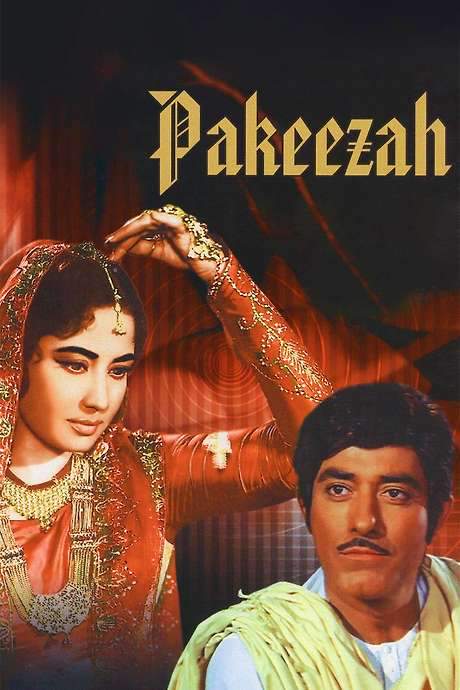
Pakeezah 1972


Directed by

Kamal Amrohi
Made by

Sangeeta Enterprises
Where to Watch Pakeezah
See current US streaming, rental, and purchase options for Pakeezah (1972) via JustWatch.








Pakeezah Plot Summary
Read the complete plot summary and ending explained for Pakeezah (1972). From turning points to emotional moments, uncover what really happened and why it matters.
Nargis Meena Kumari is a tawaif based in the Muslim quarter of Lucknow. She dreams of marrying Shahabuddin Ashok Kumar, the man she loves, but his family’s patriarch Hakim Saab D.K. Sapru strongly opposes their relationship because he finds it unacceptable to welcome a tawaif as a daughter-in-law into his respected family. Dejected, Nargis flees to a nearby qabristan (cemetery) and lives there, giving birth to a daughter before dying. On her deathbed, Nargis writes Shahabuddin a letter asking him to come for his newborn daughter. Nargis’ sister Nawabjaan Veena is buying jewellery when she finds a piece that is similar to one owned by Nargis. She asks the jeweller its origin and is led to the cemetery. She finds Nargis’ body and her daughter, whom she takes back to her kotha (performance house).
When Nargis’ belongings are sold several years later, a man finds Nargis’ letter and delivers it to Shahabuddin. Shahabuddin tracks down Nargis’ now-adult daughter Sahibjaan Meena Kumari and finds her working as tawaif at Nawabjaan’s brothel. Nawabjaan, however, does not want him to take Sahibjaan away, and flees with her niece to another town. While travelling by train, a young man enters Sahibjaan’s compartment and sees her sleeping. Struck by her beauty, he leaves her a note. After arriving at her destination, Sahibjaan wakes up and finds the note. She reads it and falls in love with the note’s author.
A brothel patron named Nawab wishes to own Sahibjaan and takes her to his boat for a night. The boat, however, is attacked by elephants and Sahibjaan is carried away by the fast-flowing river. She is taken to the riverside tent of Salim, a forest ranger. Sahibjaan reads Salim’s diary and learns it was him who had left her a note on the train. Sahibjaan feigns amnesia to avoid telling him of her profession.
Before sunset, Nawabjaan finds Sahibjaan and takes her back to the brothel. Sahibjaan keeps thinking about Salim and runs away from the brothel. She runs along the railway line and gets her gharara (clothing) stuck there. Upon seeing an approaching train, Sahibjaan panics, stumbles and faints. The train stops before in time and people come to help her. One of them is Salim, who takes her to his home.
Salim and Sahibjaan plan to elope to live peacefully but her profession makes her doubtful of the plan. When Salim proposes marriage, she refuses and decides to return to the brothel. Salim, who is heartbroken, eventually decides to marry someone else at his family’s insistence and invites Sahibjaan to perform a mujra at his wedding. During the recital, Nawabjaan recognises Shahabuddin, Salim’s paternal uncle, and calls him to witness the irony of the situation: his own daughter dancing and entertaining his family. Shahabuddin’s father tries to shoot Nawabjaan to silence her but instead kills Shahabuddin who was trying to protect her. With his dying breath, Shahabuddin asks Salim to marry Sahibjaan. Salim’s doli (wedding palanquin) defies convention and arrives at Sahibjaan’s brothel, fulfilling Shahabuddin’s dying wish.
Pakeezah Timeline
Follow the complete movie timeline of Pakeezah (1972) with every major event in chronological order. Great for understanding complex plots and story progression.
Nargis, a tawaif in Lucknow, dreams of love
Nargis works as a tawaif in the Muslim quarter of Lucknow and loves Shahbuddin. Hakim Saab, the family patriarch, rejects the idea of a daughter-in-law from the tawaif milieu. Despite her longing, their relationship is doomed by entrenched opposition.
Nargis flees to the qabristan and gives birth
Dejected, Nargis escapes to a nearby cemetery and gives birth to a daughter. She dies there, leaving a dying request in a letter for Shahbuddin to come for his child. The letter anchors the tragedy that unfolds later.
Nawabjaan finds the baby and the letter
Nawabjaan, Nargis's sister, discovers a jewel similar to one Nargis owned and follows it to the cemetery. There she finds Nargis's body and her newborn daughter, whom she takes back to her kotha. This marks the daughter's entry into the world of performance instead of a family.
A letter reaches Shahbuddin years later
When Nargis's belongings are sold, a man finds her letter and delivers it to Shahbuddin. He eventually tracks down Sahibjaan, now grown and working as a tawaif at Nawabjaan's brothel. The discovery sets the stage for their reunion and the mounting tension.
Sahibjaan's life at Nawabjaan's brothel
Shahbuddin locates Sahibjaan at Nawabjaan's brothel and hopes to claim her as his daughter. Nawabjaan resists, seeking to keep Sahibjaan for her own business interests, and plans to relocate with her to another town.
Affair on a train: a note of love
On a train journey, a young man enters Sahibjaan's compartment and leaves a note that speaks to her beauty. Reading it later, Sahibjaan feels an affinity with the note's author and begins to fall for him. The note foreshadows Salim's role in her life.
Sahibjaan escapes to Salim's world via a river voyage
Nawabjaan's pursuit leads Sahibjaan onto a river voyage, where she is carried away and ends up at Salim's riverside tent after a boat incident. There she reads Salim's diary and learns that he wrote the note. To protect herself, she feigns amnesia about her profession.
Salim and Sahibjaan's plan to elope and the wedding invitation
Salim and Sahibjaan dream of eloping for a peaceful life, but Sahibjaan's profession casts a shadow over their plans. Salim, under family pressure, decides to marry someone else and invites Sahibjaan to perform a mujra at his wedding. The arrangement pits love against duty and social convention.
Nawabjaan reveals the irony at the wedding
During the mujra, Nawabjaan recognises Shahbuddin and calls him to witness the irony: his own daughter dancing in his brother's house of pleasure. The moment binds the fates of Shahbuddin, Sahibjaan, and Salim in a cruel twist of fate.
Shahbuddin's death and a dying wish
Shahbuddin's father attempts to shoot Nawabjaan to silence her, but instead kills Shahbuddin who tries to protect her. With his dying breath, Shahbuddin asks Salim to marry Sahibjaan, turning tragedy into a final vow.
The doli arrives, fulfilling the dying wish
Salim's doli finally arrives at Sahibjaan's brothel, fulfilling Shahbuddin's last wish. The event binds the lovers in a fate tempered by loss, yet with a glimmer of hopeful union. The story closes on a note of resilience amidst tragedy.
Pakeezah Characters
Explore all characters from Pakeezah (1972). Get detailed profiles with their roles, arcs, and key relationships explained.
Nargis / Sahibjaan
An accomplished tawaif from Lucknow who longs for a private life with Shahabuddin but is constrained by social stigma. She endures poverty and separation, later dying after giving birth to their daughter in a cemetery. On her deathbed, she writes a letter to Shahabuddin asking him to come for his child, a plea that drives much of the plot.
Shahabuddin
The man Nargis loves, hampered by Hakim Saab’s opposition and family honor. He is a noble, affectionate figure who hopes for a peaceful life with his beloved, but meets a tragic end while protecting Sahibjaan, leaving behind a dying wish that Salim marry her.
Nawabjaan
Nargis's sister who, after discovering her sister's history, retrieves the daughter from the cemetery and brings Sahibjaan into her kotha. She wields social leverage to safeguard the family, even as she becomes entangled in the web of honor and money surrounding Sahibjaan’s future.
Salim Ahmed Khan
A forest ranger who discovers Sahibjaan after she is separated from Shahabuddin. He falls in love with her, plans to marry, but ultimately conforms to his family's wishes and invites her to perform at his wedding.
Hakim Saab
The family patriarch who views the tawaif with contempt and uses his status to block the union. His power embodies the social norms the plot continually challenges, even as tragedy follows.
Nawab Zafar Ali Khan
A noble patriarch figure in Lucknow’s social world, whose presence frames the family’s decisions and Sahibjaan's fate.
Pakeezah Settings
Learn where and when Pakeezah (1972) takes place. Explore the film’s settings, era, and how they shape the narrative.
Time period
Late 19th to early 20th century, British India
The narrative sits in the colonial era, when Lucknow's aristocratic households and tawaif culture coexisted with rising British influence. Customs around marriage, purity, and reputation governed choices, while trains and river travel started to shrink distances. The timeline spans from Nargis's youth to Sahibjaan's adulthood, highlighting how tradition shapes love and fate. The setting situates itself amid a changing social order that valorizes honor over personal desire.
Location
Lucknow (Muslim quarter), qabristan (cemetery), kotha (performance house), Nawab's boat, riverbank, railway
The story unfolds in the Muslim quarter of Lucknow, a city famed for its courtyards, music, and aristocratic traditions. Key locations shift from the crowded kothas to the quiet qabristan (cemetery), and from bustling railway platforms to the banks of the river where boats and mujras unfold. Performance houses and Nawab-led households anchor the social world, while travel by train and boat marks the characters' movements across space.
Pakeezah Themes
Discover the main themes in Pakeezah (1972). Analyze the deeper meanings, emotional layers, and social commentary behind the film.
💔
Love vs Honor
A central tension drives the plot: Nargis's love for Shahabuddin collides with Hakim Saab's insistence on preserving family reputation. The tawaif's profession complicates acceptance, forcing choices between personal happiness and social respectability. Marriage is hindered by class and honor codes that view the lover as unsuitable. The film explores what love must endure to survive within a rigid social code.
😢
Fate and Sacrifice
Life is shaped by fate: Nargis dies after giving birth to their daughter in a cemetery, and the letter she writes becomes the catalyst for future steps. The characters sacrifice security and happiness, sometimes even their own safety, for loyalty and duty. The tragedy is mirrored in Shahabuddin's death and Sahibjaan's ongoing struggle for autonomy. The story suggests that individual desires come second to tradition, duty, and family honor.
🎭
Art and Identity
Performance art defines who Sahibjaan is and what she can become. Mujra and the kotha serve as livelihood but also imprison her identity within societal expectations. The performances blur lines between performance and genuine emotion, highlighting performers' agency within constraints. Artistic expression becomes a means of survival and a critique of social constraints.

Coming soon on iOS and Android
The Plot Explained Mobile App
From blockbusters to hidden gems — dive into movie stories anytime, anywhere. Save your favorites, discover plots faster, and never miss a twist again.
Sign up to be the first to know when we launch. Your email stays private — always.
Explore the mobile appPakeezah Spoiler-Free Summary
Discover the spoiler-free summary of Pakeezah (1972). Get a concise overview without any spoilers.
In the winding lanes of Lucknow’s historic Muslim quarter, the scent of incense mingles with the rustle of silk, and the city’s grandeur is tempered by a rigid social order. Within this richly textured world, the courtesan houses—known as kothas—are both sanctuaries of art and cages of expectation, where music, dance, and poetry flourish under the watchful eyes of patrons who cherish beauty yet demand obedience.
Sahibjaan moves through this delicate balance with an elegance that captivates everyone who sees her, but beneath the glittering costumes lies a yearning for a life untethered from the perpetual cycle of performance and propriety. Her dreams are whispered in the quiet corners of the courtyard, where she imagines a simple existence far from the eyes of society that both revere and imprison her. The longing is palpable, a silent rebellion that grows with each graceful step she takes upon the stage.
When the forested outskirts of the city intersect with her world, Salim appears—a forest ranger whose life is rooted in the open air and whose family’s affluence carries its own set of expectations. He discovers Sahibjaan by chance, and his outsider’s perspective offers a glimpse of the freedom she has always coveted. Their unlikely connection sparks a fragile hope, even as the weight of his family’s disapproval looms, hinting at the cultural chasms they must navigate.
The film’s tone sways between lyrical melancholy and luminous hope, painting Lucknow’s opulent aesthetics against the stark simplicity of the forest. It explores the tension between duty and desire, tradition and transformation, inviting the audience to wonder whether love can truly bridge the divide between two worlds that have long spoken different languages.
Movies with Similar Twists and Themes
Uncover films that echo the narrative beats, emotional arcs, or dramatic twists of the one you're exploring. These recommendations are handpicked based on story depth, thematic resonance, and spoiler-worthy moments — perfect for fans who crave more of the same intrigue.



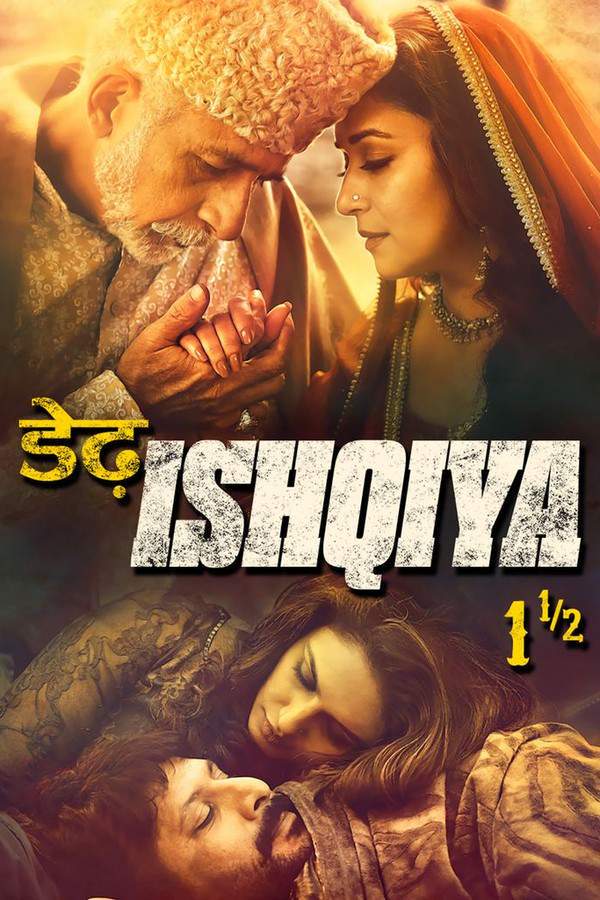
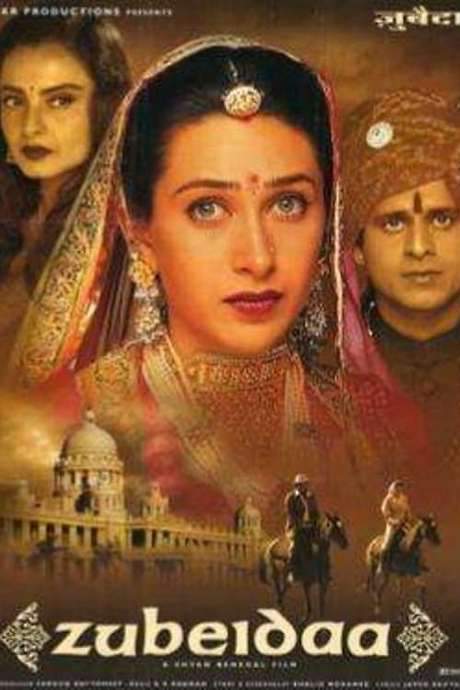
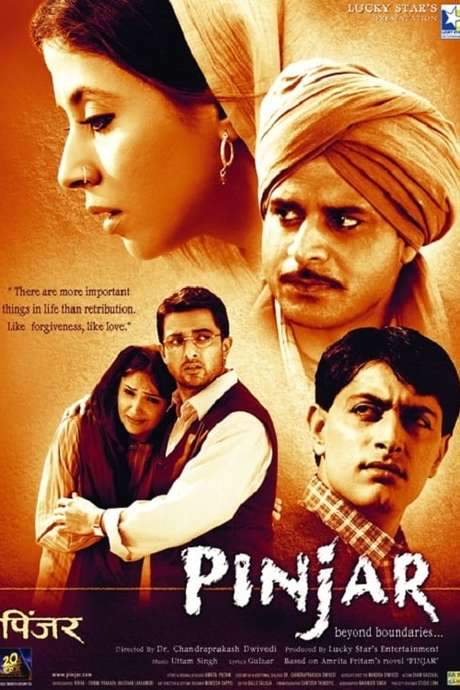


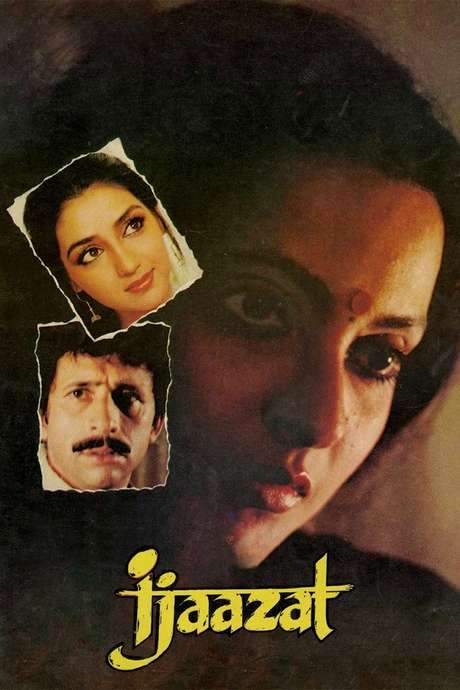
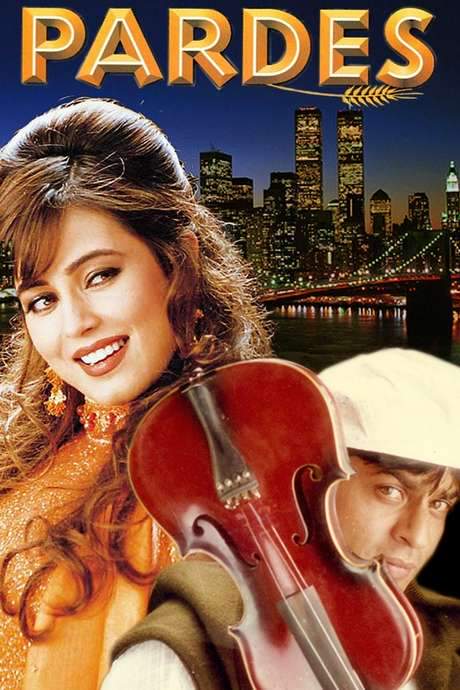

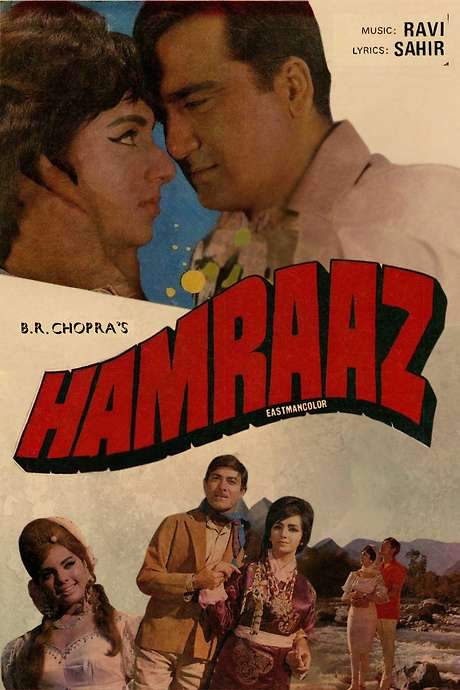
Featured on this page

What's After the Movie?
Not sure whether to stay after the credits? Find out!
Check out our other apps:

SAT Sphere
Build confidence for the Digital SAT.

Mori Atlas
Discover wild places worth protecting.

Luntero
Search smarter for a home in Amsterdam.

Plot Explained
Unravel movie endings and hidden clues.

Pokechamp
Dive into Pokémon data and battle logic.

Driving Theory
Get ready for your European theory test.

Movie Dust
Plan your next cinema trip with ease.

Musemap
Find art and culture as you travel.

Selkobase
Compare credentials before committing.

Local Manual
Turn an unfamiliar country into practical next steps.

Lernavi
Compare school systems before your next move.

GymRoam
Find a workout stop wherever your plans take you.
Explore Our Movie Platform
New Movie Releases (2026)
Famous Movie Actors
Top Film Production Studios
Movie Plot Summaries & Endings
Major Movie Awards & Winners
Best Concert Films & Music Documentaries
Movie Collections and Curated Lists
© 2026 What's After the Movie. All rights reserved.
Privacy Policy