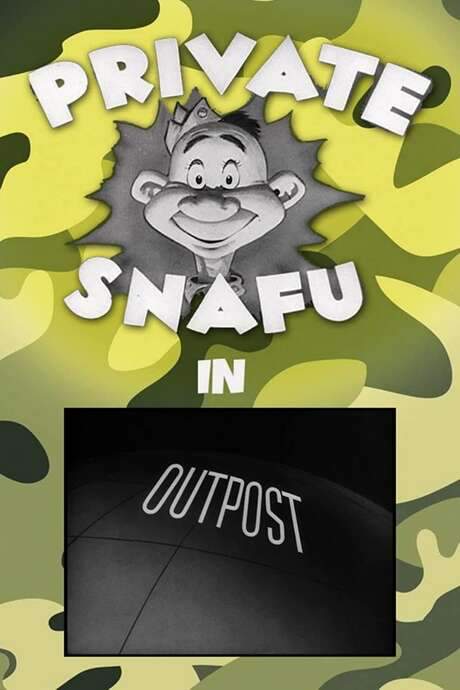
What Is Outpost About?
The premise of Outpost in 327 words, with nothing given away. The full story follows below.
In a world stitched together by a chain of isolated U.S. outposts, each tiny beacon watches over its own slice of the Pacific. The film opens with a quiet narration that frames these distant stations as the thin thread holding a larger war effort together, suggesting that even the most remote speck can matter. The atmosphere is a blend of serene tropical stillness and the underlying hum of military routine, where the vast ocean stretches beyond the horizon like a silent reminder of what lies beyond the outpost’s perimeter.
At the heart of the story stands Pvt. Snafu, the lone sentinel stationed beneath a solitary palm tree on a modest island. He spends his days in a state of idle contemplation, counting the 249 days he has lingered without combat and watching his endless requests for a transfer go unanswered. His only companion is a mischievous local bird, whose restless energy both teases and distracts him from the monotony. Their interactions are laced with dry humor, turning the everyday—such as a shared dream about girls or the discovery of a strange ration can—into moments of quiet absurdity that reveal the human need for connection, even in the most barren of posts.
The tone oscillates between gentle comedy and introspective melancholy, capturing the paradox of a soldier who feels simultaneously insignificant and essential. As military observers far away piece together the larger picture of enemy movements, Snafu is nudged into the fold of bureaucratic duty, asked to dutifully log every detail of his day. The simple act of recording becomes a subtle thread that hints at a larger significance, suggesting that the value of accurate reports may extend far beyond the confines of his lonely beach.
Through its measured pacing and understated humor, the film invites viewers to consider how routine, patience, and the smallest observations can ripple through a sprawling network of war, leaving the audience to wonder what hidden impact a single outpost might ultimately have.
What Happens in Outpost?
The complete story of Outpost, from the first scene to the last, in 450 words (about 2 minutes). Spoilers throughout. Names in the text link to 2 cast member pages.
Spoilers ahead
An opening narration by Narrator frames the world as a network of distant U.S. outposts, each guarded by diligent sentinels watching over their scopes of duty. The film then centers on a tiny Pacific island outpost, where, under a single palm tree, stands the lone sentinel, Pvt. Snafu. His only companion is a local bird, and the two share a quiet, comic tension as Snafu laments his long spell of idleness.
Snafu’s chatter is thick with boredom: he’s been on this island for 249 days without participating in any fighting, and a radio message confirms that his 249th request for a transfer has been denied. The sense of stagnation colors the mood, and the bird offers a foil to Snafu’s grumbling, providing both distraction and a touch of mischief.
That night, Snafu and the bird drift into sleep and dream of girls, but their dreams collide in a goofy, tangled fashion. The dream sequence wakes the irate sentinel, who threatens to break the bird for insubordination. In response, the bird—a practical if dim helper—fumbles upon a floating can of food, bursting with curiosity and hunger. He discovers the contents are titled “Pickled Fish Eyes with Rice,” a finding that disgusts him, nearly sending the can back into the sea until he notices the bottom text: “Hon. K Ration Imperial Japanese Navy.” The bird’s discovery becomes a comic touchstone in the day’s proceedings, a detail that will unexpectedly matter later.
Meanwhile, U.S. military observers are tracking a Japanese task force by plotting reference points, but the observation posts soon lose the fleet’s exact location. The higher-ups scramble to gather full reports, and Snafu is pressed to participate. He dutifully recites his day’s seemingly mundane entries from his logbook, and, when the antennae of command catch on the tin-can detail, they order him to repeat the exact entry and confirm its description. The bird digs up the fry of the mystery can, and Snafu’s report expands to include the can’s food label and the Japanese information gleaned from it. In a swift turn of events, American bombers descend and neutralize the Japanese fleet, delivering a decisive victory that passes almost entirely over Snafu’s head.
As night falls, the pair sits on their tiny beach, the island silent around them, with Snafu still missing the broader significance of the day’s events. He voices his perpetual boredom once more, staring out toward the sea as the sun sinks, and mutters the same perplexing refrain: “Pickled fish eyes with rice; I don’t get it. Wouldn’t you think they could find something important for me to do in this here army?” He flings the tin can into the ocean as the scene settles into quiet finality.
Outpost Timeline: Every Key Event in Order
10 key events in the order they happen, from “Outpost and sentinel” to “End of day and lingering boredom”. 9 events name a place, across 9 locations.
- 1
Outpost and sentinel
A narrator explains that the United States maintains far-flung military outposts with diligent sentinels. The film introduces a tiny Pacific island outpost where Private Snafu rests under a single palm tree, accompanied only by a local bird. The sense of boredom and isolation sets the stage for his later actions.
Where:Tiny Pacific island outpost
- 2
Snafu's stagnation and denial
Snafu laments 249 days on the island without combat and complains about the lack of action. The bird remains his sole companion as he mutters about his boredom. A radio message announces that his 249th transfer request has been denied.
Where:Isolated outpost, Pacific island
- 3
Dreams of girls
Snafu and the bird fall asleep and dream about girls, a welcome distraction from duty. Their dreams become tangled and chaotic, and Snafu wakes irate, threatening the bird for insubordination. The moment underscores the fragility of their routine existence.
- 4
Floating can of food
The bird locates a floating can of food and eagerly approaches it, hoping for a meal. He discovers the label reads Pickled Fish Eyes with Rice and nearly discards the can before noticing the bottom text revealing it is Hon. K Ration Imperial Japanese Navy. The discovery introduces a provocative twist linking food, war, and enemy intelligence.
Where:On the beach
- 5
Snafu buries the can
Snafu dismisses the find and orders the bird to bury the can, treating it as mere trash. The Japanese Navy label complicates the object, yet he remains unfazed and continues with his routine. The scene foreshadows how ordinary details can reveal military intelligence.
Where:Beach at the outpost
- 6
Tracking the Japanese fleet
Back at the command level, the U.S. military tracks a Japanese task force using reference points until observation posts lose track. The officers then call all posts to provide a full report of the situation. The tension between routine monitoring and unexpected findings drives the plot.
Where:Observation posts network
- 7
The tin-can entry caught
Snafu repeats the day’s mundane log entries aloud, and his superior radios him to recite the tin-can detail again and confirm its description. The exchange shows how a trivial find can trigger a critical military response. The moment highlights the disconnect between Snafu’s laziness and the importance of accurate reporting.
Where:Outpost communications room
- 8
Bird retrieves the buried clue
The bird digs up the buried can, and Snafu reports its contents, including the Japanese information. The exchange turns a mundane discovery into a piece of intelligence that informs the enemy’s fate. The scene blends humor with the underlying stakes of information accuracy.
Where:Beach/Burial site
- 9
Destruction of the fleet
American bombers arrive and bomb the Japanese fleet into oblivion. The raid demonstrates the power of air superiority and the rapid transformation of the battlefield. Snafu remains oblivious to the fleet’s annihilation, continuing his everyday routine.
Where:Over the Pacific
- 10
End of day and lingering boredom
The day ends with Snafu and the bird on the tiny beach, and he again remarks his boredom about the army’s duties. He tosses the can of pickled fish eyes with rice into the ocean, signaling a bitter resignation to his monotonous posting. The closing image underscores the gap between war’s enormity and his petty grievance.
Where:Beach on the island
Who Are the Main Characters in Outpost?
2 characters, among them Pvt. Snafu (Mel Blanc) and Narrator (Robert C. Bruce): who each one is and the part they play in the story. Every profile links to the actor’s page.
-
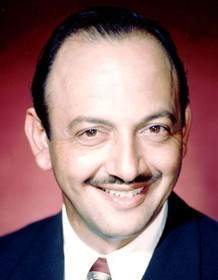
Pvt. Snafu (Mel Blanc)
Played by Mel Blanc
A lazy, cantankerous sentry who treats his assignment as a waiting game rather than combat. He exhibits stubborn boredom, a habit of reciting logs, and a willingness to lash out at innocuous rivals like a bird. His behavior drives the cartoon’s humor and undermines the seriousness of military life.
- 😒 Bored Soldier
- 🗒️ Logbook Obsession
- 🐦 Bird Rivalry
- N(
Narrator (Robert C. Bruce)
Played by Robert C. Bruce
The voiceover narrator frames the premise of U.S. outposts and the outlandish routine of a lone sentinel. He guides the audience through the setup and provides the tonal context for the satire.
- 🎙️ Narrator
- 📣 Storytelling
Where and When Is Outpost Set?
Outpost is set in Tiny Pacific Island Outpost (World War II, 1940s). Here is why the time and place matter to the story.
When
World War II, 1940s
The events unfold in the Pacific Theater during the 1940s. Outpost routines hinge on tracking a Japanese fleet via reference points and radio logs, revealing the blend of high-stakes warfare and mundane bureaucracy. The story uses this period to explore boredom, discipline, and the contrast between daily tasks and real combat.
Where
Tiny Pacific Island Outpost
An isolated U.S. military outpost on a tiny Pacific island, defined by a single palm tree and a quiet shoreline. The sentinel here is Private Snafu, with only a local bird for company. The setting underscores the remoteness of frontier war stations and the oddball humor of life on the edge of conflict.
- 🏝️ Island
- 🛰️ Remote Outpost
What Are the Themes of Outpost?
3 ideas the story keeps returning to, among them War Boredom, Isolation and Duty vs. Distraction.
-
01
War Boredom
The outpost life is monotonous, with Snafu spending days waiting for action. His dream sequences and constant complaints drive the humor, highlighting how soldiers cope with isolation and tedium instead of combat. The routine is punctured only by trivial tasks and miscommunications, which reveals the absurd side of military life.
-
02
Isolation
A single palm tree, a lone sentinel, and a backwater radio create a sense of remoteness. The narrative uses the island's seclusion to lampoon how distance from the front can distort perception and elevate trivial details into significance. The setting emphasizes how separation from real danger can make daily reports feel monumental.
-
03
Duty vs. Distraction
The plot pivots on mundane evidence—the tin-can entry—that becomes crucial in hunter-like tracking of the enemy. This tension between routine duties and absurd distractions reveals how small misinterpretations can shape wartime outcomes. The humor comes from treating inconsequential finds as strategic breakthroughs.
What Kind of Film Is Outpost?
Whimsical in tone, with steady pacing and a straightforward story, going by the plot summary.
- Tone
- Whimsical
- Pacing
- Steady
- Story
- Straightforward
- Intensity
- Low
- Ending
- Mixed
A whimsical and humorous animated short that follows a bored soldier on a remote island, blending comedic interactions with a silly bird against the backdrop of mundane military routine.
- boring
- lonely
- comic
- silly
- dreamlike
- mundane
- military life
- boredom
- wartime duty
- propaganda
Content notes: war themes.
Quiz
How well do you remember Outpost? Test yourself on the story.