What Is Otto; or, Up with Dead People About?
The premise of Otto; or, Up with Dead People in 302 words, with nothing given away. The full story follows below.
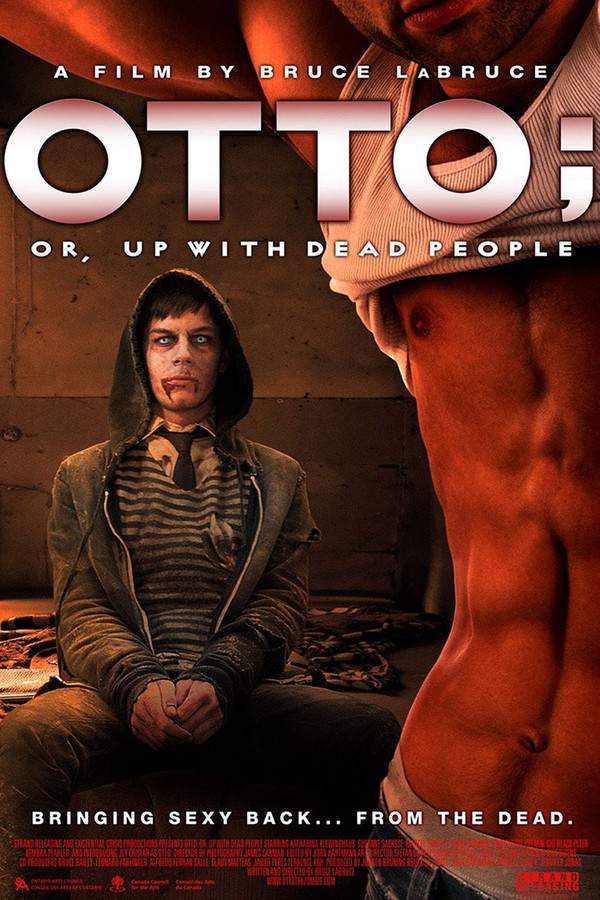
In the neon‑lit streets of Berlin, a city that feels both hyper‑modern and abandoned, an unsettling mixture of dread and absurdity hangs in the air. The film follows Otto, a sensitive, self‑identified undead neo‑Goth whose daily wanderings turn the urban landscape into a stage for his existential musings. He moves through clubs, alleys and art‑filled lofts with a demeanor that is simultaneously melancholy and oddly playful, creating a tone that wavers between horror’s chill and comedy’s wink.
A chance encounter drags Otto into the shadowy world of underground cinema, where filmmaker Medea Yarn is hunting for a living embodiment of the dehumanizing forces she wishes to critique. Seeing in him the perfect metaphor for capitalism’s cold efficiency, she offers him a role in a guerrilla‑style zombie film. The partnership ignites a strange chemistry, as Otto’s undead façade collides with the raw, human emotions he has long suppressed, prompting both characters to question the boundaries between performance and identity.
The movie’s aesthetic leans heavily into neo‑gothic fashion, stark lighting, and a soundtrack that blends industrial beats with haunting ballads, reinforcing a mood that feels both intimate and disorienting. The setting—Berlin’s gritty districts dotted with avant‑garde art installations—serves as a living character, reflecting the protagonist’s internal desolation while offering glimpses of unexpected vibrancy. Throughout, the narrative balances unsettling visual motifs with moments of dark humor, inviting the audience to contemplate the absurdity of modern life through a lens that is simultaneously grotesque and tender.
At its core, the story is a meditation on the search for authenticity in a world that constantly urges conformity. Otto’s journey hints at the possibility of reclaiming humanity amid chaos, while the surrounding chaos of the film‑within‑a‑film underscores the fragile line between creation and destruction. The film promises an off‑beat, thought‑provoking experience that lingers long after the credits fade.
What Happens in Otto; or, Up with Dead People?
The complete story of Otto; or, Up with Dead People, from the first scene to the last, in 254 words (about 1 minute). Spoilers throughout.
Spoilers ahead
As Otto, a young gay man grappling with the delusions of living an undead life, meanders through the lively streets of Berlin, he unwittingly gathers an unexpected group of followers. Notable filmmaker Medea Yarn and her partner Hella Bent quickly recognize his unconventional behavior and opt to document his journey for their underground film, Up with Dead People—a provocative blend of politics, eroticism, and the themes of the undead. With the endorsement of Fritz Fritze, the movie’s main star, Otto takes temporary shelter in Fritz’s guest room, where he stumbles upon a wallet that reveals fragments of his former life. This revelation ignites a heartfelt quest to reunite with Rudolf, an ex-boyfriend who harbors secrets about Otto’s life before embracing his zombie persona.
Their poignant reunion occurs at the very schoolyard where their romance first blossomed, exposing a harsh reality: Otto is undeniably human, yet he battles the intricate challenges of schizophrenia. As Medea tirelessly labor over the film’s completion, which features an audacious and controversial climax, Otto falls victim to an act of queerbashing. In search of comfort, he retreats to Fritz’s apartment, where a profound bond begins to develop between the two men.
Meanwhile, Medea reaches a resolution for her project by incinerating her interpretation of Otto, leaving him as nothing but remnants of ash. Yet, as the cameras cease to roll, Otto makes a pivotal choice—he decides to leave Berlin behind, embarking on a new journey as a hitchhiker, ready to escape the tumult and disorder that once characterized his life.
Otto; or, Up with Dead People Timeline: Every Key Event in Order
11 key events in the order they happen, from “Otto's Undead Journey Begins” to “Otto's Pivotal Decision”. 11 events name a place, across 6 locations.
- 1
Otto's Undead Journey Begins
Otto, a young gay man, navigates the vibrant streets of Berlin while grappling with the challenges of living an undead life. His peculiar behavior draws attention from various onlookers, setting the stage for his unique story.
Where:Berlin
- 2
Medea and Hella Document Otto
Filmmaker Medea Yarn and her partner Hella Bent discover Otto and decide to document his unconventional journey for their underground film, 'Up with Dead People.' This film serves as a provocative exploration of politics, eroticism, and themes surrounding the undead.
Where:Berlin
- 3
Fritz Fritze Offers Shelter
Otto gains the support of Fritz Fritze, the main star of the film, who provides him with temporary shelter in his guest room. This safe space allows Otto to escape the chaotic streets and reflects the camaraderie beginning to blossom.
Where:Fritz’s guest room
- 4
Discovery of the Wallet
While staying in Fritz's guest room, Otto stumbles upon a wallet that reveals fragments of his former life. This discovery acts as a catalyst for Otto, igniting a quest to reconnect with his ex-boyfriend, Rudolf, who holds secrets about their past.
Where:Fritz’s guest room
- 5
Otto and Rudolf's Reunion
Otto reunites with Rudolf at the schoolyard where their romance initially blossomed. During this emotionally charged meeting, they confront the deeper realities of Otto's condition, shedding light on his struggles with schizophrenia.
Where:Schoolyard
- 6
The Documentary Approach
Medea works tirelessly to complete her film, which takes a bold and controversial approach to portrayal, diving deeply into Otto's complex life. It encapsulates the nuances of his experiences within a provocative narrative framework.
Where:Medea's studio
- 7
The Act of Queerbashing
Tragedy strikes when Otto becomes a victim of queerbashing, a violent attack that deeply affects him both physically and emotionally. This harrowing experience adds to the layers of tension in his already tumultuous life.
Where:Streets of Berlin
- 8
Seeking Comfort in Fritz's Apartment
Following the brutal incident, Otto seeks solace in Fritz's apartment, where their initial connection deepens into a more profound bond. This refuge becomes a pivotal point for Otto, illustrating the importance of companionship during difficult times.
Where:Fritz’s apartment
- 9
Medea's Controversial Climax
Medea reaches a conclusion for her film that is audacious and controversial, depicting Otto's layered identity through a stark artistic lens. This climax serves to challenge societal norms and provoke thought about representation.
Where:Medea's studio
- 10
The Incineration of Otto's Image
In a symbolic act of closure, Medea incinerates her interpretation of Otto, leaving him as mere remnants of ash. This moment signifies a turning point in Otto's existence and the film's narrative.
Where:Medea's studio
- 11
Otto's Pivotal Decision
After the cameras stop rolling and the film wraps, Otto makes a life-changing decision to leave Berlin. He chooses to embark on a new journey as a hitchhiker, fueled by the desire to escape the chaos and turmoil of his previous life.
Where:Berlin
Who Are the Main Characters in Otto; or, Up with Dead People?
Otto: who they are and the part they play in the story.
- O
Otto
Otto is a young gay man grappling with the complexities of his identity amidst delusions of living as an undead person. His journey reflects his search for connection and understanding, particularly as he confronts his mental health challenges. Otto's character embodies resilience, vulnerability, and a deep yearning for acceptance in a world that often feels alienating.
- 👤 Protagonist
- 🧟♂️ Undead Identity
- 💔 Vulnerable
Where and When Is Otto; or, Up with Dead People Set?
Otto; or, Up with Dead People is set in Berlin. Here is why the place matters to the story.
When
The film explores contemporary themes within the backdrop of modern-day society. It delves into the complexities of identity and mental health, reflecting current societal issues that resonate with the audience. Although specific historic events are not highlighted, the film captures the zeitgeist of a city that thrives on diversity and inclusivity.
Where
Berlin
Berlin is a vibrant metropolis known for its rich history, artistic communities, and eclectic nightlife. It serves as a cultural hub where creativity flourishes, and is recognized for its open-mindedness and acceptance of diverse lifestyles. The lively streets of Berlin, filled with art and culture, provide a fitting backdrop for Otto's unconventional journey.
- 🌆 City
- 🎭 Art
What Are the Themes of Otto; or, Up with Dead People?
3 ideas the story keeps returning to, among them Love & Loss, Mental Health and Queerness.
-
01
Love & Loss
The theme of love and loss permeates the narrative as Otto revisits his past relationship with Rudolf. Their poignant reunion emphasizes the complexities of love intertwined with personal struggles and societal challenges. Through the exploration of their romance, the film illustrates the enduring impact of lost connections and the quest for understanding.
-
02
Mental Health
Otto's battle with schizophrenia and its implications underscore the film's examination of mental health. The portrayal of his experiences highlights the stigma and misunderstandings surrounding mental illness. This theme encourages empathy and showcases the struggles individuals face in reconciling their identities with societal perceptions.
-
03
Queerness
Queerness is central to the story as Otto navigates his identity as a young gay man. The film challenges societal norms and highlights the experiences of LGBTQ+ individuals, particularly in relation to acceptance and violence. Through Otto's journey, it sheds light on the resilience of queer individuals amidst adversity.
What Kind of Film Is Otto; or, Up with Dead People?
Melancholic in tone, with steady pacing and a moderate story, going by the plot summary.
- Tone
- Melancholic
- Pacing
- Steady
- Story
- Moderate
- Intensity
- Medium
- Ending
- Ambiguous
A melancholic and surreal journey through urban alienation, blending dark humor with a poignant exploration of identity, mental health, and the search for self in a gritty, neo-Goth atmosphere.
- melancholic
- surreal
- introspective
- unsettling
- quirky
- existential
- identity crisis
- schizophrenia
- existentialism
- queer identity
Content notes: queerbashing, suicide, mental illness (schizophrenia).
Quiz
How well do you remember Otto; or, Up with Dead People? Test yourself on the story.