

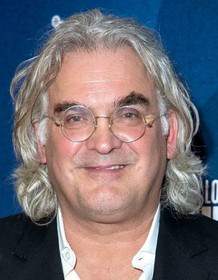

Open Fire Plot Summary
Read the complete plot summary and ending explained for Open Fire (1994). From turning points to emotional moments, uncover what really happened and why it matters.
David Martin, Rupert Graves, is the central figure in a tense, lengthy pursuit that grips Britain. The film opens by following a young officer, DC Peter Finch, Douglas Hodge, who earns a medal for bravery after a dramatic arrest of an armed criminal—David Martin—setting the tone for a career-defining moment that will soon be overshadowed by tragedy and controversy. The narrative then shifts to Stephen Waldorf, a 26-year-old film editor, Samuel West, whose life becomes entwined in the hunt in a devastating way: he is mistakenly identified as Martin and shot by police, an event that ripples through every level of law enforcement and public perception.
Martin, a volatile figure described as provocative and aggressive, has already spent time behind bars and escaped multiple times. Upon his release, he finds himself again slipping through the system, slipping into trouble as he commits a burglary at a private cinema and shoots a police officer during his escape. He is swiftly recaptured only to slip away once more, reigniting a nationwide pursuit. By 1983, he has earned the reputation of Britain’s most wanted man, and the scale of the manhunt grows as authorities push to capture him without faltering.
As the chase intensifies, investigators identify a suspect they believe could be Martin, but a single, fateful shot by Finch cuts through the suspense and reveals a terrible error: the person shot is not the fugitive. The car driver who fled the scene remains at large, and Finch finds himself suspended from duty as the case spirals into a police scandal—Finch is accused of attempted murder, and the public and media scrutinize every move, every decision, every false step.
The pursuit culminates in a harrowing sequence through an Underground station and along a railway tunnel, where Martin is finally cornered and arrested—without a single shot fired. The arrest brings a fragile sense of closure, yet the repercussions linger: the misidentification, the near-mistaken death of an innocent man, and the heavy toll on those who led the manhunt. The film uses meticulous detail and restrained, steady storytelling to explore how one high-stakes error can redefine lives, careers, and public trust in law enforcement, all while tracing the stubborn, methodical pressure of a pursuit that refuses to let go.
Open Fire Timeline
Follow the complete movie timeline of Open Fire (1994) with every major event in chronological order. Great for understanding complex plots and story progression.
Finch receives bravery medal
At the film's start, Finch is awarded a bravery medal after arresting an armed criminal, and David Martin. The medal ceremony cements his status as a celebrated officer. This moment foreshadows how the hunt for Martin will test him later.
David Martin released from prison
David Martin, a provocative transvestite with an aggressive temperament, is released from prison after serving his sentence. He has a history of escape from custody, having slipped away twice before. His return to freedom signals that trouble is far from over for the authorities.
Cinema burglary and police shooting
During a burglary at a private cinema, Martin shoots a police officer as he tries to escape. The violent incident triggers a renewed and intensified pursuit across the city. It marks Martin's return to the crime scene as the focal point of the manhunt.
Arrest and escape
Martin is arrested, but he promptly escapes custody and goes on the run again. His repeated escapes demonstrate his resourcefulness and the challenge facing the pursuing officers. The chase becomes a defining thread of the narrative.
By 1983, Martin is Britain's most wanted
As years pass, by 1983 Martin becomes Britain's most wanted man, triggering a massive police manhunt. The scale of the pursuit extends across the country as authorities track leads and try to close the net. The public awareness and pressure surrounding the case grow accordingly.
Suspect identified; Finch shoots, not Martin
During the manhunt, police identify a suspect they believe might be the fugitive. Finch shoots the suspect, only to discover he is not Martin. The misidentification adds to the tension and complicates the investigation.
Car driver flees scene
The car driver who fled the scene after the mistaken shooting escapes, adding confusion and hindering the investigation. This detail underscores how the chase becomes messier and less certain. It compounds the public and departmental scrutiny surrounding the case.
Finch suspended from duty
Following the shooting, Finch is suspended from duty as the department and media scrutinize the incident. This suspension removes him from field action and catalyzes the broader controversy around the case. The status change tests his resolve and reputation.
Police scandal and accusation of attempted murder
The case becomes a police scandal, with Finch accused of attempted murder. Media and colleagues question the conduct of the pursuit and the misidentification. The narrative shifts from the hunt to institutional accountability and public trust.
The manhunt intensifies across Britain
Despite the setbacks, the authorities continue the nationwide search, with mounting pressure to bring Martin to justice. The pursuit underscores the tension between capture, civil rights, and public safety. The scale of the operation reflects the film's focus on the manhunt.
Final chase and capture
In the climactic chase, Martin is pursued into an Underground station and along a railway tunnel before being cornered by police. He is arrested without a single shot being fired, ending the manhunt. The capture concludes the narrative and brings a quiet, decisive resolution to the pursuit.
Open Fire Characters
Explore all characters from Open Fire (1994). Get detailed profiles with their roles, arcs, and key relationships explained.
DC Peter Finch (Douglas Hodge)
A young officer celebrated for a prior act of bravery who becomes the focal point of a police shooting and ensuing scandal. His suspension and the ensuing media scrutiny test his sense of duty and identity within the force. He embodies the pressures and fallout of policing in the era.
David Martin (David O'Hara)
A volatile fugitive whose escapes and provocative temperament drive the manhunt. His actions propel a city-wide pursuit and push the police to their limits under intense pressure. He remains a dangerous, elusive presence throughout the narrative.
Stephen Waldorf (Samuel West)
A 26-year-old film editor who is mistakenly identified as the fugitive and shot by police. His experience highlights the human cost of a flawed investigation and the fragile line between victim and suspect. He becomes a focal point around which concern for justice and institutional guilt centers.
DCS Young (Jim Carter)
Senior officer overseeing aspects of the investigation and public response. His role illuminates internal police dynamics, decision-making under pressure, and the heavy burden on the force’s reputation. He represents the institutional perspective within the case.
Open Fire Settings
Learn where and when Open Fire (1994) takes place. Explore the film’s settings, era, and how they shape the narrative.
Time period
1983
Set in the early 1980s Britain, the narrative centers on events around 1983. The period is marked by heightened policing, intense media scrutiny, and public concern about crime. The manhunt and subsequent scandal unfold within a tight, time-bound urban context.
Location
Britain, private cinema, London Underground, Underground station, railway tunnel
The film unfolds across urban Britain, highlighting a private cinema burglary that triggers the pursuit. Key settings include a London Underground station and a tangled railway tunnel where the chase culminates. The environments emphasize a dense city atmosphere and the policing climate of the early 1980s.
Open Fire Themes
Discover the main themes in Open Fire (1994). Analyze the deeper meanings, emotional layers, and social commentary behind the film.
🕵️♂️
Pursuit
A high-stakes manhunt drives the plot, with police units chasing a dangerous fugitive through crowded city spaces. The pursuit exposes procedural tensions and the pressure to capture at any cost. It tests the officers' judgment and the limits of force and accountability.
⚖️
Mistaken Identity
The core of the drama centers on a case of mistaken identity, where Stephen Waldorf is shot after being misidentified as the fugitive. This error triggers a credibility crisis for the police and raises questions about due process. The film examines how misidentification can derail justice and fuel a public scandal.
📰
Media & Perception
Media coverage and public sentiment amplify the case, shaping investigations and political responses. Sensational reporting influences how the police are perceived and held to account. The narrative suggests that headlines can obscure truth and magnify mistakes.

Coming soon on iOS and Android
The Plot Explained Mobile App
From blockbusters to hidden gems — dive into movie stories anytime, anywhere. Save your favorites, discover plots faster, and never miss a twist again.
Sign up to be the first to know when we launch. Your email stays private — always.
Explore the mobile appOpen Fire Spoiler-Free Summary
Discover the spoiler-free summary of Open Fire (1994). Get a concise overview without any spoilers.
In a sweltering London summer the city still feels the echo of recent heroics, a medal‑clad constable still fresh from a daring capture. The streets hum with the ordinary rhythm of a capital still haunted by the shadows of the past, and the police force moves within a tight‑knit world of procedure, camaraderie, and an unspoken pressure to live up to its own legends.
Peter Finch arrives as a young detective constable whose badge shines with the promise of duty and the weight of recent acclaim. He strikes a careful balance between confidence earned on the line and the quiet doubts that surface when the line blurs. Across the same urban tapestry, David Martin steps back into freedom, a flamboyant and volatile presence whose reputation precedes him, hinting at a storm that could unsettle the fragile order. Meanwhile, Steven Waldorf, a filmmaker with an eye for truth, drifts through the same circles, his camera capturing the city’s restless pulse and its undercurrents of tension.
As whispers turn into headlines, the city finds itself braced for a manhunt that will test the limits of protocol and conscience. The police department, once steady, begins to feel the tremors of a scandal that threatens to fracture trust from within. In this charged atmosphere, loyalties are questioned, identities blur, and every step taken by the three protagonists pulls the audience deeper into a world where the line between heroism and tragedy hangs by a thread.
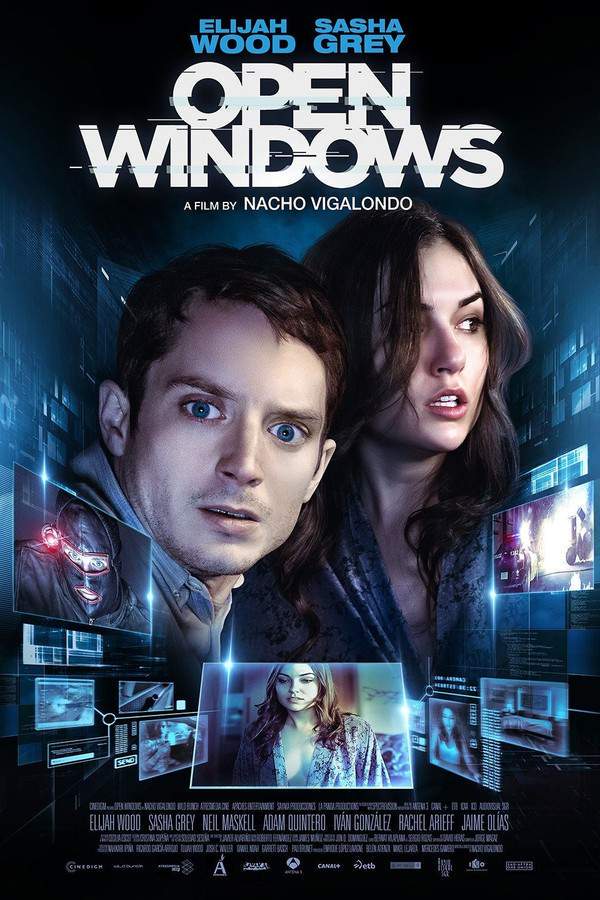
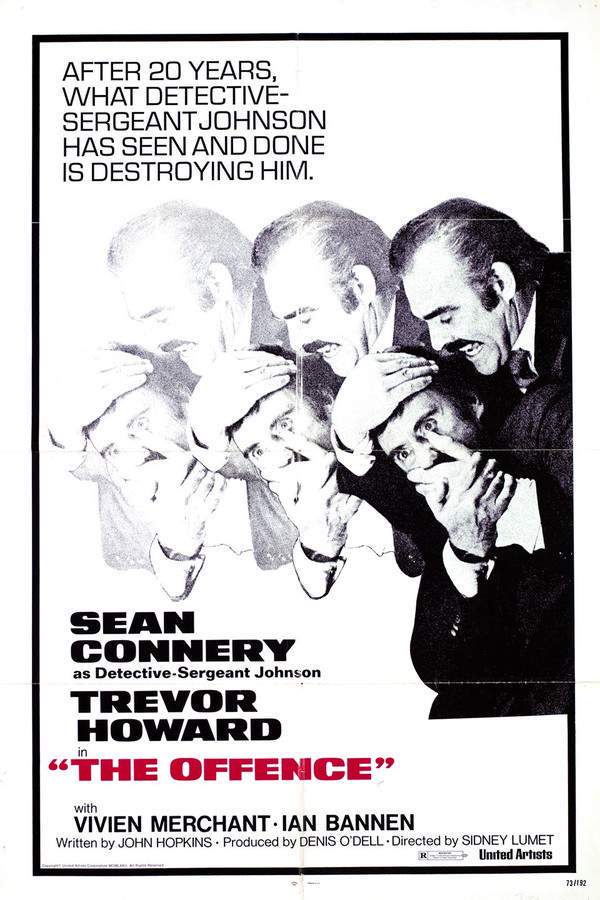
Movies with Similar Twists and Themes
Uncover films that echo the narrative beats, emotional arcs, or dramatic twists of the one you're exploring. These recommendations are handpicked based on story depth, thematic resonance, and spoiler-worthy moments — perfect for fans who crave more of the same intrigue.


Featured on this page

What's After the Movie?
Not sure whether to stay after the credits? Find out!
Check out our other apps:

SAT Sphere
Build confidence for the Digital SAT.

Mori Atlas
Discover wild places worth protecting.

Luntero
Search smarter for a home in Amsterdam.

Plot Explained
Unravel movie endings and hidden clues.

Pokechamp
Dive into Pokémon data and battle logic.

Driving Theory
Get ready for your European theory test.

Movie Dust
Plan your next cinema trip with ease.

Musemap
Find art and culture as you travel.

Selkobase
Compare credentials before committing.

Local Manual
Turn an unfamiliar country into practical next steps.

Lernavi
Compare school systems before your next move.

GymRoam
Find a workout stop wherever your plans take you.
Explore Our Movie Platform
New Movie Releases (2026)
Famous Movie Actors
Top Film Production Studios
Movie Plot Summaries & Endings
Major Movie Awards & Winners
Best Concert Films & Music Documentaries
Movie Collections and Curated Lists
© 2026 What's After the Movie. All rights reserved.
Privacy Policy