
Only Yesterday 1991

Directed by
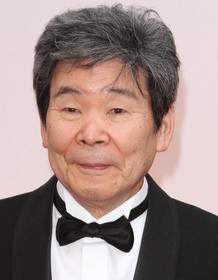
Isao Takahata
Made by
Studio Ghibli
Only Yesterday Plot Summary
Read the complete plot summary and ending explained for Only Yesterday (1991). From turning points to emotional moments, uncover what really happened and why it matters.
Taeko Okajima, Miki Imai (voice), a solitary office worker living in Tokyo in 1982, longs for the slower pace of the countryside. She travels to visit her eldest sister Nanako, Yorie Yamashita (voice)‘s in-laws to help with the safflower harvest. On a nighttime sleeper train to Yamagata, memories surge of Taeko as a ten-year-old schoolgirl in 1966, a year when classmates could holiday with family outside the city. Through vivid recollections, the film unfolds moments from that school year—the first time she fell for a boy who played baseball, the day her family shared a pineapple for the first time, and the early, awkward steps of puberty that began to shape her sense of self.
When Taeko arrives, she is surprised to be picked up by Toshio, her brother-in-law’s second cousin, who has returned from the city to help his family on the farm. Toshio, Toshiro Yanagiba (voice), becomes a bridge between two eras, guiding her through the rhythms of rural life and prompting further reflections on her younger self. As they share meals and quiet moments, she opens up to Toshio and to Nanako about the memories that keep resurfacing, weaving a tapestry that links past and present and reveals how the countryside has always spoken to her sense of belonging.
Taeko’s memories swing back to her sister Yaeko, Yuki Minowa (voice), who was asked to lend an old purse, sparking a family argument and a sharper reminder of hardship when Taeko’s father slaps her for standing outside barefoot—a small but powerful symbol of postwar poverty. The remembered scene tests Taeko’s own growing awareness of want, and it also shows Yaeko’s fragility within a family dynamic that tries to keep up appearances. As the memory unfolds, Taeko confronts how desire and pride coexist within a girl who loves her family but longs for a different path.
In another thread of memory, Taeko recalls an impulsive spark of talent for acting—an opportunity to be in a university play that her father ultimately shut down, leaving the younger Taeko and her family crestfallen. By high school, drama fades from her life, nudging her toward a different future even as the seed of storytelling remains part of who she is. This inner history enriches her understanding of the present moment and her evolving sense of self, especially as she sees how the rural landscape has shaped her identity, even as it tugs at her heart.
As the visit nears its end, Toshio’s grandmother—Taeko’s grandmother, Chie Kitagawa (voice)—senses the underlying wish in Taeko’s eyes and gently suggests that she might stay and marry Toshio. The suggestion unsettles Taeko, sparking a flutter of doubt and a rush of longing that she compounds by stepping outside to be alone. She recalls a briefly remembered, ill-mannered working-class boy she once treated with kindness, even as others looked down on him; the memory lingers, and the boy’s absence feels heavy. The moment evolves into a quiet confession: Toshio may have feelings for her, and Taeko’s own emotions begin to tilt toward him even as she fights the pull of the life she has always known.
The night before she must depart, the memories of her classmates—assembled in a chorus of quiet, unspoken urging—seem to urge Taeko to stay. On the rain-washed morning train, she makes a pivotal choice: she alights, and Toshio drives her back across the fields and lanes, with her younger self watching from the margins of the frame. The journey concludes as the present and the past walk side by side, blend into a single sense of place, and leave Taeko standing at the threshold between two worlds—the urban, grown woman she is and the girl who learned to listen to the land, the people, and her own heart.
Only Yesterday Timeline
Follow the complete movie timeline of Only Yesterday (1991) with every major event in chronological order. Great for understanding complex plots and story progression.
Taeko leaves Tokyo for the countryside
Taeko decides to visit Nanako's in-laws to help with the safflower harvest. She boards a sleeper train at night and travels from Tokyo toward Yamagata, entering a world of fields and small-town rhythms. The journey marks the shift from urban routine to reflective country life.
Memories surge: Taeko recalls being ten in 1966
The curved interior of the train sparks a flood of memories from Taeko's childhood. She remembers the longing to holiday like her classmates and the way those days shaped her. The past and present begin to intertwine on the long night ride.
Taeko's first school crush: the baseball star
In 1966, Taeko meets a baseball-obsessed classmate who becomes her first romantic fixation. They share the awkward, daydreaming moments that mark adolescence. The memory reveals how desire and insecurity mingle in school life.
First family pineapple and shared meals
Taeko recalls the unusual joy of tasting a pineapple with her family for the first time, a symbol of small pleasures in postwar life. The moment is tinged with warmth but also the awareness of material limits. It helps frame her later reflections on abundance and desire.
Taeko learns about puberty
During that same school year, Taeko confronts the mysteries of growing up and her changing body. The memories reveal awkward questions, lingering curiosities, and the social pressures of adolescence. This awareness becomes part of her broader sense of self.
Toshio returns to the country and embraces farming
Taeko's arrival is met by Toshio, a cousin who moved back from the city to help the family. He has embraced farming with a newfound passion, choosing the rural life over the city. His presence anchors the present and deepens Taeko's connection to the countryside.
Yaeko's purse quarrel and Taeko's indecision
An argument over an old purse triggers tension in the family, and Taeko sulks about whether to join everyone for a meal. When she walks outside without shoes, her father slaps her, a painful reminder of poverty's grip. The moment underscores how desire and pride interact within family life.
Lunch with Toshio; reflections on fractions and rural life
During a meal with Toshio, Taeko asks whether he ever struggled with something difficult, and they talk about fractions in school. He mentions the farming industry's decline and his own internal struggles with that reality. The conversation links arithmetic to the larger rhythms of the countryside.
Taeko's forgotten acting talent and her father's opposition
Taeko recalls a talent for acting that nearly led to a university play, but her father shut the idea down, leaving the family crestfallen. The memory contrasts with the later realization that drama wasn't Taeko's true passion. It shows how parental control shaped her early dreams.
Grandmother proposes Taeko stay and marry Toshio
On the eve of Taeko's departure, Toshio's grandmother hints that she could stay in the countryside and marry him. The suggestion flusters Taeko and crystallizes the tension between obligation and desire. The moment foreshadows the intimate turn with Toshio's feelings.
Memory of a kind act toward an ill-mannered classmate
Taeko remembers sitting next to a rough, working-class boy and choosing to treat him with kindness and dignity, even as her friends mocked him. When he changes schools, he is the one person who refuses to shake her hand, leaving a lingering sense of unspoken complexity. The scene reveals Taeko's capacity for empathy amid social tension.
Toshio's hint of mutual feelings in the rain
Back in the present, Taeko and Toshio share a moment as rain falls outside, and he bluntly suggests he may have liked her too. The confessional moment deepens their emotional connection and reveals Taeko's growing awareness of her own feelings. The weather mirrors their unfolding closeness.
Taeko contemplates staying as the train nears departure
On the eve of leaving, Taeko is pulled by memories of her childhood and classmates, realizing she may prefer staying in the country. The train's rhythm becomes a resonant heartbeat as she weighs her options. The moment marks a turning point in her sense of belonging.
Taeko gets off the train to stay and is driven home by Toshio
As the memories of her past selves and classmates surround her, Taeko decides to remain in the countryside. She exits the train, rejects the departure, and is driven back by Toshio, who may hold his own unspoken feelings. The moment closes the loop between memory and present happiness.
Only Yesterday Characters
Explore all characters from Only Yesterday (1991). Get detailed profiles with their roles, arcs, and key relationships explained.
Taeko Okajima (Taeko)
An unmarried office worker in 1982 Tokyo who reflects on a pivotal 1966 year. She is introspective, curious, and longing for experiences beyond city life, using memory as a guide to understand herself and her family. Her empathy allows her to see tenderness in others, even when she resists change.
Toshio
Taeko's relative who moved from the city to help on the family farm. He is calm, thoughtful, and deeply connected to agricultural life, though he worries about the industry's decline. His conversations with Taeko spark a mutual sense of possibility and unspoken feelings.
Nanako
Taeko's elder sister who hosts Taeko during visits; she embodies family duty and the pull between urban life and countryside responsibilities. Her interactions reveal the social circle and domestic pressures that shape Taeko's memories.
Yaeko
Taeko's other elder sister, involved in family dynamics and practical decisions, including moments of friction over possessions. Her presence anchors the conflict between tradition and personal desire within the family.
Taeko's Grandmother
The matriarch who senses Taeko's longing and proposes to keep her in the countryside with a marriage to Toshio. She represents older generations' pragmatic view and the pressure to settle within kinship networks.
Father
Taeko's stern, protective father whose expectations and discipline—such as a sharp chastening for stepping outside barefoot—mirror the poverty and social constraints of post-war Japan. His decisions shape Taeko's early experiences and sense of duty.
Mother
A maternal presence who supports the family, often caught between practical concerns and Taeko's yearnings. She embodies quiet resilience within the household.
Torahige
A working-class boy Taeko is forced to sit next to at school; she treats him with kindness even as she dislikes him. His presence highlights class differences and the social friction of the era.
Only Yesterday Settings
Learn where and when Only Yesterday (1991) takes place. Explore the film’s settings, era, and how they shape the narrative.
Time period
1982 (with flashbacks to 1966)
The film unfolds in 1982 as Taeko travels from Tokyo, while intermittently revisiting memories of her ten-year-old self in 1966. These memories reveal school-life milestones, family dynamics, and the onset of puberty, all set against a changing rural Japan. The juxtaposition highlights how the past continues to shape her present.
Location
Tokyo, Yamagata Prefecture, Japan
Taeko's story moves from modern Tokyo to the safflower-farming countryside. A sleeper train ride to Yamagata roots the narrative in real, tangible places. The rural setting and family farm life illuminate the social backdrop of 1960s Japan while contrasting with Taeko's urban present.
Only Yesterday Themes
Discover the main themes in Only Yesterday (1991). Analyze the deeper meanings, emotional layers, and social commentary behind the film.
🪞
Nostalgia
Taeko's memories create a lifelong echo that informs her present choices and longings. The narrative treats past experiences as a tapestry that shapes identity, desire, and acceptance. Nostalgia becomes both comfort and a lens that reveals what she might have become.
🏞️
Rural-Urban Contrast
The film juxtaposes Tokyo's pace with the quiet rhythms of countryside life, where family, farming, and local traditions anchor memory. This contrast exposes the limits and freedoms of each setting, shaping Taeko's sense of self. The safflower harvest and farm routines stand as a living backdrop to inner change.
🌱
Growth & Identity
Taeko's teenage perspectives on puberty, first love, and dreams collide with parental and societal expectations. The memories of acting ambitions and later disillusionment show a gradual, imperfect maturation. The journey suggests that personal identity is forged through acknowledging both desire and duty.

Coming soon on iOS and Android
The Plot Explained Mobile App
From blockbusters to hidden gems — dive into movie stories anytime, anywhere. Save your favorites, discover plots faster, and never miss a twist again.
Sign up to be the first to know when we launch. Your email stays private — always.
Explore the mobile appOnly Yesterday Spoiler-Free Summary
Discover the spoiler-free summary of Only Yesterday (1991). Get a concise overview without any spoilers.
In the early 1980s, a quiet Tokyo office worker feels the pull of a slower rhythm that lies beyond the city’s neon pulse. Taeko Okajima embarks on a solitary train journey to the remote fields of Yamagata, hoping the countryside will offer a space for the inner questions that have long lingered beneath her routine. The film opens with the gentle hum of a nighttime sleeper, setting a tone that blends melancholy with the promise of quiet discovery, as the landscape outside the window begins to echo the memories she carries.
The world of the film moves between the crisp, lacquered streets of the capital and the soft, earthy textures of rural life. As Taeko travels, the narrative drifts fluidly between present moments and vivid recollections of a ten‑year‑old girl in 1966, a time when school trips and simple family rituals felt like the world’s biggest adventures. This lyrical back‑and‑forth creates a contemplative atmosphere, inviting the audience to feel the weight of time without ever rushing toward a conclusion.
Along the way, Taeko reconnects with her eldest sister Nanako, who lives amid the safflower harvest, and meets Toshio, a distant relative of her brother‑in‑law who has returned to the farm. Their quiet interactions act as a bridge between eras, offering a gentle counterpoint to Taeko’s inner dialogue. Even the presence of her grandmother, Chie, adds a generational echo, hinting at the ways family history subtly shapes personal longing.
At its core, the story is a meditation on the space between who we were and who we have become. Through soft scenery, understated conversation, and the steady rhythm of a journey, the film asks whether the aspirations of a child can still be heard amid the adult world’s clamor, leaving the viewer with a lingering sense of wonder about the paths we choose and the ones we leave behind.
Movies with Similar Twists and Themes
Uncover films that echo the narrative beats, emotional arcs, or dramatic twists of the one you're exploring. These recommendations are handpicked based on story depth, thematic resonance, and spoiler-worthy moments — perfect for fans who crave more of the same intrigue.




Featured on this page

What's After the Movie?
Not sure whether to stay after the credits? Find out!
Check out our other apps:

SAT Sphere
Build confidence for the Digital SAT.

Mori Atlas
Discover wild places worth protecting.

Luntero
Search smarter for a home in Amsterdam.

Plot Explained
Unravel movie endings and hidden clues.

Pokechamp
Dive into Pokémon data and battle logic.

Driving Theory
Get ready for your European theory test.

Movie Dust
Plan your next cinema trip with ease.

Musemap
Find art and culture as you travel.

Selkobase
Compare credentials before committing.

Local Manual
Turn an unfamiliar country into practical next steps.

Lernavi
Compare school systems before your next move.

GymRoam
Find a workout stop wherever your plans take you.
Explore Our Movie Platform
New Movie Releases (2026)
Famous Movie Actors
Top Film Production Studios
Movie Plot Summaries & Endings
Major Movie Awards & Winners
Best Concert Films & Music Documentaries
Movie Collections and Curated Lists
© 2026 What's After the Movie. All rights reserved.
Privacy Policy