

Only the Dead 2015

Directed by
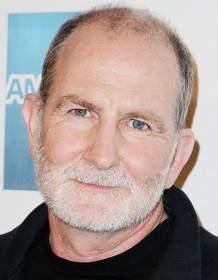
Bill Guttentag
Made by

Foxtel
Only the Dead Plot Summary
Read the complete plot summary and ending explained for Only the Dead (2015). From turning points to emotional moments, uncover what really happened and why it matters.
The documentary opens in February 2003, just before the American invasion of Iraq. Michael Ware, a war correspondent for Time magazine, travels to the northern front to cover the conflict, embedded with Kurdish fighters as mortar fire ripples through the landscape and the aftermath of a deadly suicide bombing is documented. After American forces seize Baghdad, Ware helps set up a Time bureau in the city and begins a deep, on‑the‑ground chronicle of what unfolds.
He records the aftermath of a car bombing involving a teenage boy and his brother, capturing the surviving brother’s anguished demand for accountability and his vow to “do something big.”
do something big.
Armed resistance movements across Baghdad come into focus as Ware broadcasts footage from the streets, offering a stark window into a city where loyalties blur and fear blends with resolve. The film continues with the graphic aftermath of the Jordanian embassy bombing and the Canal Hotel bombing, followed by a tense moment in which American troops detain a man suspected of planting an IED.
As the conflict intensifies, Ware acknowledges the need to understand the minds behind the frequent suicide attacks. Over time, he builds cautious relationships with insurgents who begin sharing their own recordings and invite him to clandestine gatherings. He enters their world with a measured, uneasy curiosity and documents events from within their circle, including an attack on a U.S. base outside Baghdad’s airport. He wrestles with guilt and fear, aware that night vision and other equipment could betray their location.
The insurgents publicly repudiate responsibility for the suicide bombings, instead pointing to the network of Abu Musab al‑Zarqawi. The international spotlight shifts when footage of Nick Berg’s execution surfaces and Zarqawi’s name becomes a global headline. Zarqawi himself starts delivering tapes to Ware at his hotel, containing attacks on American soldiers and a complete suicide bombing operation that traces from the pre‑attack ceremony to the blast near a checkpoint.
Ware moves to Haifa Street in Baghdad to film a child soldier and returns later after hearing that Zarqawi’s men have taken control of the area. His vehicle is halted, and he nearly faces execution, only spared by the negotiation of his insurgent escort.
With American troops during the Second Battle of Fallujah, Ware follows a harrowing assault in which a house is stormed and then ambushed. Sergeant David Bellavia enters the residence, and Ware documents the ensuing combat, the peril of close quarters, and Bellavia’s actions in hand‑to‑hand struggle. Bellavia’s subsequent Medal of Honor acknowledgement stands as a stark contrast to the chaos surrounding them.
Some insurgent contacts decide to “resign from the terror network,” and in a grim reversal they kill a Zarqawi operative they had been working with. They entrust Ware with a hard drive containing footage of a man executed for informant activities, as well as scenes of thieves punished by hanging and gunfire.
The journey takes Ware to Ramadi, where he embeds with an American unit and captures multiple firefights, including a devastating suicide bombing involving a dump truck aimed at an outpost. The narrative then turns to the aftermath of the 2006 al‑Askari mosque bombing, which Ware frames as an attempt to inflame sectarian tensions, and it culminates with the airstrike that kills Zarqawi.
In April 2007, Ware is embedded south of Baqubah as another engagement unfolds. An insurgent is fatally wounded, brought back to a U.S. courtyard, and, as magazines are found in his pockets and a locals claims he worked for Al‑Qaeda, Ware records the quiet, morally challenging moment as the man dies. The film closes with Ware reflecting on how the conflict changed him, admitting that he had become a person he never believed he would become.
The documentary offers a stark, unflinching look at a war that reshaped its participants—journalist and civilian alike—through years of fear, courage, and humanity under fire.
Only the Dead Timeline
Follow the complete movie timeline of Only the Dead (2015) with every major event in chronological order. Great for understanding complex plots and story progression.
Arrival in Iraq and embedding with Kurdish fighters
In February 2003, the documentary follows Michael Ware as he travels to the northern front to cover the conflict. He is embedded with Kurdish fighters as mortar fire ripples through the landscape, and the aftermath of a deadly suicide bombing is documented. This opening sequence sets the tone for on-the-ground reporting in a developing war.
Baghdad falls and Time bureau established
After American forces seize Baghdad, Ware helps set up a Time bureau in the city and begins a deep, on-the-ground chronicle of what unfolds. He captures the daily bustle, danger, and the sense that occupation will redefine the capital. The reporting deepens as the city adjusts to a new reality.
Car bombing aftermath
Ware documents the aftermath of a car bombing involving a teenage boy and his brother. He records the surviving brother’s anguished demand for accountability and his vow to do something big. The scene underscores the human cost of the early war and the prompt for dramatic responses.
Insurgency takes root on Baghdad streets
Armed resistance movements across Baghdad come into focus as Ware broadcasts footage from the streets. The city becomes a theater where loyalties blur and fear blends with resolve, shaping a more complex portrait of the occupation. His reporting reveals a city living under constant threat.
Embassy and Canal Hotel bombings; IED detainment
The film continues with the graphic aftermath of the Jordanian embassy bombing and the Canal Hotel bombing. A tense moment follows as American troops detain a man suspected of planting an IED, illustrating the immediate danger on the ground. The events heighten the sense of fragility in the occupation.
Seeking to understand the minds behind suicide attacks
As the conflict intensifies, Ware acknowledges the need to understand the minds behind the frequent suicide attacks. Over time, he builds cautious relationships with insurgents who begin sharing their own recordings and invite him to clandestine gatherings. These interactions complicate his view of friend and foe and deepen the moral stakes of his reporting.
Entering the insurgent world and the risk of night-vision reporting
He enters their world with measured curiosity and documents events from within their circle, including an attack on a U.S. base outside Baghdad's airport. He wrestles with guilt and fear, aware that night vision and other equipment could betray their location. The approach tests his ethics and keeps him alive through risky assignments.
Zarqawi tapes emerge; Berg execution shifts spotlight
The insurgents publicly repudiate responsibility for the suicide bombings, instead pointing to Zarqawi's network. The international spotlight shifts when Nick Berg’s execution surfaces, bringing Zarqawi into global headlines. Zarqawi himself starts delivering tapes to Ware at his hotel, containing attacks on American soldiers and a complete suicide bombing operation that traces from the pre-attack ceremony to the blast near a checkpoint.
Haifa Street: child soldier and near-execution
Ware moves to Haifa Street in Baghdad to film a child soldier and returns later after hearing that Zarqawi’s men have taken control of the area. His vehicle is halted, and he nearly faces execution, only spared by the negotiation of his insurgent escort. The close call underscores the constant peril of reporting from insurgent-dominated zones.
Second Battle of Fallujah
With American troops during the Second Battle of Fallujah, Ware follows a harrowing assault in which a house is stormed and then ambushed. He documents the peril of close-quarters combat and Bellavia’s actions in hand-to-hand struggle. Bellavia’s Medal of Honor acknowledgment later stands as a stark contrast to the surrounding chaos.
Insurgent defections and a crucial hard drive
Some insurgent contacts decide to resign from the terror network, and in a grim reversal they kill a Zarqawi operative they had been working with. They entrust Ware with a hard drive containing footage of an informant’s execution, as well as scenes of thieves punished by hanging and gunfire. The moment captures the fragile and violent shifts within the insurgent world.
Ramadi firefights and a devastating dump-truck bombing
The journey takes Ware to Ramadi, where he embeds with an American unit and captures multiple firefights, including a devastating suicide bombing involving a dump truck aimed at an outpost. The siege-like combat presents a brutal view of urban warfare and the casualties it produces. Ramadi's front lines become a focal point in his chronicle.
al-Askari mosque bombing aftermath and Zarqawi's death
The narrative then turns to the aftermath of the 2006 al-Askari mosque bombing, framed as an attempt to inflame sectarian tensions. The film culminates with the airstrike that kills Zarqawi, marking a pivotal moment in the conflict. The sequence emphasizes the high-stakes, long arc of the war as Ware continues to document the ripple effects.
April 2007: Baqubah engagement and a fatal wound
In April 2007, Ware is embedded south of Baqubah as another engagement unfolds. An insurgent is fatally wounded, brought back to a U.S. courtyard, and locals claim he worked for Al-Qaeda. Ware records the quiet, morally challenging moment as the man dies.
Ware's reflection: a changed man
The film closes with Ware reflecting on how the conflict changed him, admitting that he had become a person he never believed he would become. He acknowledges the transformation of journalist and civilian alike under years of fear, courage, and humanity under fire.
Only the Dead Characters
Explore all characters from Only the Dead (2015). Get detailed profiles with their roles, arcs, and key relationships explained.
Michael Ware (Himself)
A Time magazine war correspondent who embeds with Kurdish fighters and later reports from Baghdad and other frontlines. He records the bleak aftermath of bombings, forges cautious contacts with insurgents, and confronts the moral weight of bearing witness to violence. Over years, he grapples with fear, guilt, and a transformation into a person he never expected to become.
Only the Dead Settings
Learn where and when Only the Dead (2015) takes place. Explore the film’s settings, era, and how they shape the narrative.
Time period
2003-2007
The film spans from February 2003, just before the invasion, through the subsequent years of insurgency, culminating around 2007. It captures the early shock of occupation, the rise of insurgent networks, and the daily danger faced by civilians and reporters. The period is marked by dramatic bombings, street fighting, and shifting power dynamics across multiple Iraqi cities.
Location
Northern Iraq (Kurdistan), Baghdad, Haifa Street, Fallujah, Ramadi, Baqubah
The action shifts across Iraq—from the northern front where Kurdish fighters operate to the capital Baghdad, a central stage for the post‑invasion conflict. Baghdad houses brutal bombing aftermaths and targeted attacks, including notable incidents around the Canal Hotel and the Jordanian embassy. The documentary also follows battles and patrols in Haifa Street, Fallujah, Ramadi, and Baqubah as violence intensifies and loyalties blur.
Only the Dead Themes
Discover the main themes in Only the Dead (2015). Analyze the deeper meanings, emotional layers, and social commentary behind the film.
🗞️
War Journalism
Only the Dead centers on the reporter’s lens, showing how embedded journalism shapes understanding of a chaotic war. It highlights the pressures of documenting violence while navigating dangerous terrain and shifting allegiances. The film reveals the ethical tightrope of filming insurgent activities and government responses. It ultimately probes how close observation can illuminate truth while risking judgment and safety.
⚖️
Moral Dilemma
Ware’s interactions with insurgents expose the blurred lines between observer and participant. The documentary asks whether access and trust justify exposure to dangerous ideologies and possible manipulation. It presents camera as both shield and lens of accountability, forcing difficult choices under fire. The result is a meditation on guilt, fear, and the costs of bearing witness.
💥
War Costs
The film emphasizes the human toll beyond the battlefield, including civilians affected by car bombs and the long shadow of violence on everyday life. It shows scenes of collective grief, revenge, and the struggle for accountability in a city scarred by constant danger. By tracking families, fighters, and reporters, it underscores the enduring price of war on memory and humanity.

Only the Dead Spoiler-Free Summary
Discover the spoiler-free summary of Only the Dead (2015). Get a concise overview without any spoilers.
In the searing heat and shifting shadows of a war‑torn land, Michael Ware steps into the heart of the conflict with a notebook, a camera, and an unflinching curiosity. Assigned to capture the unfolding turmoil, he finds himself moving between the front lines of an occupying force and the tangled streets of a city that has become a crucible of fear and hope. The documentary invites viewers into a world where the ordinary—children playing in rubble, soldiers sharing a cigarette, civilians whispering in dim rooms—is constantly threatened by the extraordinary violence that looms just beyond sight.
The tone is as relentless as the desert winds, a blend of stark realism and uneasy intimacy that refuses to soften the harshness of combat. Light and sound ripple with the cadence of distant artillery, the muted hum of armored convoys, and the occasional, breath‑taken pause when a lone voice speaks into a microphone, trying to make sense of the madness. This atmosphere presses on the audience, echoing the psychological weight that settles over everyone who dwells in the conflict zone.
At the core of the film is Ware’s internal journey. As a correspondent, he is trained to observe, yet the proximity to soldiers and civilians forces him to confront his own moral compass. He builds fragile connections with those on all sides, each encounter pulling him deeper into questions about duty, survival, and the hidden cost of war on the human spirit. The documentary’s style—raw footage stitched together with reflective narration—creates a mirror in which viewers glimpse not only the external devastation but also the quiet, unsettling transformation of a man who set out to report events and ends up reshaped by them.
Featured on this page

What's After the Movie?
Not sure whether to stay after the credits? Find out!




Explore Our Movie Platform
New Movie Releases (2026)
Famous Movie Actors
Top Film Production Studios
Movie Plot Summaries & Endings
Major Movie Awards & Winners
Best Concert Films & Music Documentaries
Movie Collections and Curated Lists
© 2026 What's After the Movie. All rights reserved.