
Once More, with Feeling! 1960

Directed by
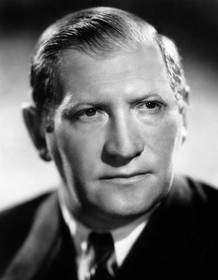
Gregory Ratoff
Made by

Stanley Donen Films
Once More, with Feeling! Plot Summary
Read the complete plot summary and ending explained for Once More, with Feeling! (1960). From turning points to emotional moments, uncover what really happened and why it matters.
Victor Fabian, Yul Brynner, is the egomaniacal and temperamental conductor of the London Festival Orchestra, a man whose mood swings set the tempo for everyone around him. His wife, Dolly Fabian, Kay Kendall a skilled harpist, acts as his intermediary with the orchestra’s backers, delivering his impossible demands while trying to keep the peace behind the scenes. Dolly’s days are a precarious balance of appeasing her husband’s whims and chasing a career that should matter just as much as his ego. But when she dares to stand up to him, the consequences are immediate: Victor’s temper erupts, and in a cruel show of power he destroys her harp, a symbolic crushing of both her artistry and her voice in the orchestra.
Dolly’s departure sends a tremor through the ensemble. With her absence, Victor’s conducting falters, and the orchestra suddenly feels less cohesive, less inspired, and less meaningful to its audience and sponsors. Into this precarious moment steps his agent, Max Archer, who fights to secure a renewed contract for the conductor. Yet a new obstacle rises in the form of Wilbur, the ambitious son of the orchestra’s patron saint. Mervyn Johns portrays Mr. Alonzo Wilbur Jr., who insists that any renewed agreement must include a performance of his mother’s favorite piece, John Philip Sousa’s Stars and Stripes Forever. The demand is non-negotiable and adds a strange, almost patriotic pressure to the already volatile dynamic inside the room.
Meanwhile, Dolly’s personal life comes into sharper focus. She contemplates a divorce so she can marry Dr. Richard Hilliard, a physicist who represents a calmer, more rational path away from Victor’s artistic storm. Geoffrey Toone brings Dr. Hilliard to life, a man who seems to offer a possible reprieve from the music-world-chaos that surrounds Dolly. Yet Victor’s stubbornness creates a twist: he blurts out a startling fact—that in truth, he and Dolly were never legally married, even though their relationship had long been treated as a marital union. The revelation complicates Dolly’s desire for separation, but it also binds the couple in a legal maze that neither of them anticipated.
As Victor digs in against a quick marriage and a fast divorce, Dolly’s resolve wears thin. She makes it clear that she wants to live on her own terms, free from the suffocating demands that have defined much of her life with Victor. The tension culminates in a critical moment of choice: a night in which Dolly is seen by the audience, while Victor—hungering for control—prepares to conduct the orchestra into a triumphant rendition of Stars and Stripes Forever. In that moment, Dolly does not fade away; she publicly supports the performance, affirming her own autonomy even as the music swells around them. Victor, though reluctant, guides the orchestra to a powerful, outward-facing triumph that underscores the complex dance between artistic ambition, intimate dependency, and the stubborn pursuit of personal freedom.
The film weaves together themes of power, artistry, and the boundaries of personal independence. It presents a portrait of a conductor whose genius is inseparable from his volatility, a harpist whose artistry is threatened by a controlling partner, and a community that must navigate the lines between loyalty, love, and professional obligation. In the end, the orchestra rises to the occasion, delivering a stirring performance that both tests and vindicates the relationships at its heart. The audience’s applause echoes the unresolved tension between two people who still share a life built around music, even as they redefine what it means to be together.
Once More, with Feeling! Timeline
Follow the complete movie timeline of Once More, with Feeling! (1960) with every major event in chronological order. Great for understanding complex plots and story progression.
Victor Fabian's dominating presence
Victor Fabian dominates the London Festival Orchestra with an egomaniacal, tempestuous style. Dolly, his harpist wife, acts as his liaison to the backers, delivering his impossible demands. At the same time, he flirts with a considerably younger musician, signaling a volatile personal life behind the façade of musical genius.
Dolly decides to leave and the harp is destroyed
Dolly decides to leave Victor after discovering his infidelity. In a fit of rage, Victor destroys her harp, a brutal symbol of their already shattered marriage. The act marks a turning point that threatens Dolly's safety and the orchestra's stability.
The orchestra struggles without Dolly
With Dolly gone, Victor's conducting falters and the orchestra's cohesion begins to crumble. The lack of Dolly's steadying presence worries the backers and puts the future of the ensemble in jeopardy. Rehearsals feel off-kilter as the music loses its balance.
Max Archer seeks a new contract
Victor's agent Max Archer tries to salvage the situation by negotiating a new contract. He faces pressure from the backers and the board who want stability, while Victor remains difficult. The negotiations set the stage for new terms that might placate everyone—if Victor cooperates.
Wilbur's demand: Stars and Stripes Forever
Young Wilbur, son of the orchestra's patron saint, insists that any agreement must include a performance of Stars and Stripes Forever. The demand becomes a non-negotiable condition that both binds and infuriates Victor. The orchestra must prepare Sousa's classic piece to satisfy this unusual stipulation.
Dolly pursues divorce to marry Hilliard
Dolly reveals she intends to divorce Victor so she can marry Dr. Richard Hilliard, a physicist. This personal motive heightens the tension between her independence and Victor's control. The plan hinges on obtaining a legal separation that may not be as simple as it seems.
Victor reveals marriage is required for divorce
In a blunt moment, Victor blurts out that to be divorced, two people must first be married. The line exposes a glaring legal loophole and shocks Dolly. It also hints at the absurdity of their supposed marriage and the complications ahead.
Colleagues assume they were married
Colleagues had assumed Dolly and Victor were husband and wife, but in truth they had never tied the knot. This revelation unsettles Dolly and complicates any plan for divorce or remarriage. The misperception adds a layer of irony to their already tangled relationship.
A three-week engagement to test the relationship
Victor refuses a quick marriage or divorce, insisting that Dolly remain with him for three more weeks. The condition is a coercive tactic designed to wear her down and cement his hold. Dolly's resolve begins to waver as the clock ticks.
Hilliard catches Dolly in nightwear
Dr. Richard Hilliard catches Dolly in a frilly nightgown, underscoring the fragility of her situation and the pressures she faces. The moment heightened the sense that Dolly must choose between independence and the tangled marriage illusion. The scene adds a personal dimension to the broader conflict.
Dolly decides she wants to live alone
Dolly declares she simply wants to live alone, rejecting both the entanglements of marriage and the manipulative tactics of Victor. The decision highlights her aspiration for autonomy amid the orchestra's turbulent future. It also reframes what she will do next, beyond the immediate divorce question.
Final Stars and Stripes Forever performance
Dolly attends the climactic concert and applauds as Victor, with great reluctance, launches the orchestra into Stars and Stripes Forever. The performance caps the film with a tense but powerful moment that underscores independence and artistic pride. The audience reaction underscores the unresolved tension, yet the music remains a unifying force.
Once More, with Feeling! Characters
Explore all characters from Once More, with Feeling! (1960). Get detailed profiles with their roles, arcs, and key relationships explained.
Victor Fabian (Yul Brynner)
A highly successful but egomaniacal conductor who wields absolute authority over the orchestra and his wife. His volatile temper and perfectionism create a tense, controlling atmosphere backstage and on stage. Beneath the bravado, he grapples with insecurities about loyalty and public image.
Dolly Fabian (Kay Kendall)
A skilled harpist and Victor’s wife who acts as his intermediary with backers. She resents Victor’s control and fights for independence, planning a possible future with Dr. Richard Hilliard. Her decision to leave triggers a chain of revelations about their marriage.
Max Archer (Gregory Ratoff)
Victor’s agent and manager, navigating backstage politics to secure a new contract for the conductor. Pragmatic and image-conscious, he focuses on outcomes and negotiations to keep the orchestra solvent and relevant.
Dr. Richard Hilliard (Geoffrey Toone)
A physicist and Dolly’s love interest, representing a possible future away from Victor’s dominance. He embodies calm rationality and a different kind of partnership, contrasting with the orchestra’s volatile dynamics.
Mr. Alonzo Wilbur Jr. (Mervyn Johns)
The patron’s son who wields influence over contracts and demands a performance of a favorite piece. His involvement heightens the stakes around what gets programmed and how success is measured.
Once More, with Feeling! Settings
Learn where and when Once More, with Feeling! (1960) takes place. Explore the film’s settings, era, and how they shape the narrative.
Time period
1950s
The plot unfolds in mid-20th-century London, a period when orchestral cannot-miss performances and musical theatre dominated cultural life. Social norms around marriage, reputation, and professional success shape the actions of the characters. The atmosphere blends post-war optimism with the glossy, high-stakes world of classical music and entertainment.
Location
London, England
The story unfolds in London around the prestigious London Festival Orchestra, with concert halls and backer rooms as its stage. The city’s cultural life provides a backdrop of prestige, ambition, and backstage maneuvering. The setting emphasizes a high-stakes world where art, money, and relationships intertwine amid metropolitan energy.
Once More, with Feeling! Themes
Discover the main themes in Once More, with Feeling! (1960). Analyze the deeper meanings, emotional layers, and social commentary behind the film.
👑
Control
Victor’s egotistical hold over the orchestra and his wife Dolly drives much of the conflict. His need to dictate both professional and personal outcomes exposes how power can corrupt relationships and art. The tension between authority and autonomy threads through every decision, culminating in a dramatic musical finale.
🎭
Performance vs. Reality
Public personas and private truths clash as Dolly and Victor navigate marriage, divorce, and professional obligations. The illusion of harmony masks underlying tensions about loyalty, fidelity, and honesty. The orchestral world becomes a stage where deception can undermine or redeem personal bonds.
💔
Love and Independence
Dolly seeks independence and a potential future with Dr. Hilliard, challenging Victor’s control. The revelation that the couple may have never legally married adds a layer of vulnerability and redefines loyalties. The story probes what love means when power and ambition threaten personal freedom.

Coming soon on iOS and Android
The Plot Explained Mobile App
From blockbusters to hidden gems — dive into movie stories anytime, anywhere. Save your favorites, discover plots faster, and never miss a twist again.
Sign up to be the first to know when we launch. Your email stays private — always.
Explore the mobile appOnce More, with Feeling! Spoiler-Free Summary
Discover the spoiler-free summary of Once More, with Feeling! (1960). Get a concise overview without any spoilers.
In the rarefied world of classical music, where artistic temperament often walks hand in hand with genius, Victor Fabian stands out as a conductor of unparalleled intensity. Leading the London Festival Orchestra, Victor is a man whose volatile mood swings dictate the tempo for everyone in his orbit. His public brilliance is matched only by his private volatility, creating an environment where the music soars, but the personal cost is steep for those forced to endure his constant, childish demands and towering ego.
Standing in the shadow of this maestro is his wife, Dolly Fabian, a talented harpist who has long served as the essential buffer between Victor and the rest of the world. While she possesses her own artistic voice, much of her energy is spent managing his tantrums, appeasing sponsors, and smoothing over the chaos his behavior leaves in its wake. Her life is a delicate balancing act of diplomacy and endurance, navigating the turbulent waters of a marriage defined by his need for control and her struggle to maintain a sense of self amidst the noise.
The fragile equilibrium of their lives begins to fracture when Victor initiates an affair with a talented young pianist, a betrayal that strikes at the heart of their partnership. This transgression forces Dolly to confront the reality of their relationship and the sacrifices she has made for a man who refuses to grow. As the dissonance between their personal and professional lives grows louder, she finds herself facing a choice: continue to endure the crescendo of his whims or finally step away from the conductor’s shadow to find her own rhythm.
Movies with Similar Twists and Themes
Uncover films that echo the narrative beats, emotional arcs, or dramatic twists of the one you're exploring. These recommendations are handpicked based on story depth, thematic resonance, and spoiler-worthy moments — perfect for fans who crave more of the same intrigue.


Featured on this page

What's After the Movie?
Not sure whether to stay after the credits? Find out!
Check out our other apps:

SAT Sphere
Build confidence for the Digital SAT.

Mori Atlas
Discover wild places worth protecting.

Luntero
Search smarter for a home in Amsterdam.

Plot Explained
Unravel movie endings and hidden clues.

Pokechamp
Dive into Pokémon data and battle logic.

Driving Theory
Get ready for your European theory test.

Movie Dust
Plan your next cinema trip with ease.

Musemap
Find art and culture as you travel.

Selkobase
Compare credentials before committing.

Local Manual
Turn an unfamiliar country into practical next steps.

Lernavi
Compare school systems before your next move.

GymRoam
Find a workout stop wherever your plans take you.
Explore Our Movie Platform
New Movie Releases (2026)
Famous Movie Actors
Top Film Production Studios
Movie Plot Summaries & Endings
Major Movie Awards & Winners
Best Concert Films & Music Documentaries
Movie Collections and Curated Lists
© 2026 What's After the Movie. All rights reserved.
Privacy Policy