Once More, with Feeling! 1960


The wife of a brilliant yet boisterous, ill‑tempered conductor of the London Symphony endures his childish mood swings and constant demands. Her patience finally snaps when he begins an affair with a talented young pianist, forcing her to confront the unraveling of their marriage.


Does Once More, with Feeling! have end credit scenes?
No!
Once More, with Feeling! does not have end credit scenes. You can leave when the credits roll.
Meet the Full Cast and Actors of Once More, with Feeling!
Explore the complete cast of Once More, with Feeling!, including both lead and supporting actors. Learn who plays each character, discover their past roles and achievements, and find out what makes this ensemble cast stand out in the world of film and television.
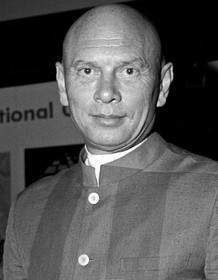
Yul Brynner
Victor Fabian

Shirley Anne Field
Angela Hooper
Martin Benson
Luigi Bardini
Geoffrey Toone
Dr. Richard Hilliard
Andrew Faulds
Interviewer (uncredited)
Harry Lockart
Chester
Colin Drake
Doctor (uncredited)
Mervyn Johns
Mr. Alonzo Wilbur Jr.
Maxwell Shaw
Jascha Gendel / Grisha Gendel
Kay Kendall
Dolly Fabian
Grace Newcombe
Mrs. Wilbur (uncredited)
External Links and Streaming Options
Discover where to watch Once More, with Feeling! online, including streaming platforms, rental options, and official sources. Compare reviews, ratings, and in-depth movie information across sites like IMDb, TMDb, Wikipedia or Letterboxd.




Full Plot Summary and Ending Explained for Once More, with Feeling!
Read the complete plot summary of Once More, with Feeling!, including all major events, twists, and the full ending explained in detail. Explore key characters, themes, hidden meanings, and everything you need to understand the story from beginning to end.
Victor Fabian, Yul Brynner, is the egomaniacal and temperamental conductor of the London Festival Orchestra, a man whose mood swings set the tempo for everyone around him. His wife, Dolly Fabian, Kay Kendall a skilled harpist, acts as his intermediary with the orchestra’s backers, delivering his impossible demands while trying to keep the peace behind the scenes. Dolly’s days are a precarious balance of appeasing her husband’s whims and chasing a career that should matter just as much as his ego. But when she dares to stand up to him, the consequences are immediate: Victor’s temper erupts, and in a cruel show of power he destroys her harp, a symbolic crushing of both her artistry and her voice in the orchestra.
Dolly’s departure sends a tremor through the ensemble. With her absence, Victor’s conducting falters, and the orchestra suddenly feels less cohesive, less inspired, and less meaningful to its audience and sponsors. Into this precarious moment steps his agent, Max Archer, who fights to secure a renewed contract for the conductor. Yet a new obstacle rises in the form of Wilbur, the ambitious son of the orchestra’s patron saint. Mervyn Johns portrays Mr. Alonzo Wilbur Jr., who insists that any renewed agreement must include a performance of his mother’s favorite piece, John Philip Sousa’s Stars and Stripes Forever. The demand is non-negotiable and adds a strange, almost patriotic pressure to the already volatile dynamic inside the room.
Meanwhile, Dolly’s personal life comes into sharper focus. She contemplates a divorce so she can marry Dr. Richard Hilliard, a physicist who represents a calmer, more rational path away from Victor’s artistic storm. Geoffrey Toone brings Dr. Hilliard to life, a man who seems to offer a possible reprieve from the music-world-chaos that surrounds Dolly. Yet Victor’s stubbornness creates a twist: he blurts out a startling fact—that in truth, he and Dolly were never legally married, even though their relationship had long been treated as a marital union. The revelation complicates Dolly’s desire for separation, but it also binds the couple in a legal maze that neither of them anticipated.
As Victor digs in against a quick marriage and a fast divorce, Dolly’s resolve wears thin. She makes it clear that she wants to live on her own terms, free from the suffocating demands that have defined much of her life with Victor. The tension culminates in a critical moment of choice: a night in which Dolly is seen by the audience, while Victor—hungering for control—prepares to conduct the orchestra into a triumphant rendition of Stars and Stripes Forever. In that moment, Dolly does not fade away; she publicly supports the performance, affirming her own autonomy even as the music swells around them. Victor, though reluctant, guides the orchestra to a powerful, outward-facing triumph that underscores the complex dance between artistic ambition, intimate dependency, and the stubborn pursuit of personal freedom.
The film weaves together themes of power, artistry, and the boundaries of personal independence. It presents a portrait of a conductor whose genius is inseparable from his volatility, a harpist whose artistry is threatened by a controlling partner, and a community that must navigate the lines between loyalty, love, and professional obligation. In the end, the orchestra rises to the occasion, delivering a stirring performance that both tests and vindicates the relationships at its heart. The audience’s applause echoes the unresolved tension between two people who still share a life built around music, even as they redefine what it means to be together.

Coming soon on iOS and Android
The Plot Explained Mobile App
From blockbusters to hidden gems — dive into movie stories anytime, anywhere. Save your favorites, discover plots faster, and never miss a twist again.
Sign up to be the first to know when we launch. Your email stays private — always.
Explore the mobile appDiscover Film Music Concerts Near You – Live Orchestras Performing Iconic Movie Soundtracks
Immerse yourself in the magic of cinema with live orchestral performances of your favorite film scores. From sweeping Hollywood blockbusters and animated classics to epic fantasy soundtracks, our curated listings connect you to upcoming film music events worldwide.
Explore concert film screenings paired with full orchestra concerts, read detailed event information, and secure your tickets for unforgettable evenings celebrating legendary composers like John Williams, Hans Zimmer, and more.


Once More, with Feeling! Themes and Keywords
Discover the central themes, ideas, and keywords that define the movie’s story, tone, and message. Analyze the film’s deeper meanings, genre influences, and recurring concepts.
Once More, with Feeling! Other Names and Titles
Explore the various alternative titles, translations, and other names used for Once More, with Feeling! across different regions and languages. Understand how the film is marketed and recognized worldwide.
Similar Movies To Once More, with Feeling! You Should Know About
Browse a curated list of movies similar in genre, tone, characters, or story structure. Discover new titles like the one you're watching, perfect for fans of related plots, vibes, or cinematic styles.


Quick Links: Summary, Cast, Ratings, More

What's After the Movie?
Not sure whether to stay after the credits? Find out!
Check out our other apps:

SAT Sphere
Build confidence for the Digital SAT.

Mori Atlas
Discover wild places worth protecting.

Luntero
Search smarter for a home in Amsterdam.

Plot Explained
Unravel movie endings and hidden clues.

Pokechamp
Dive into Pokémon data and battle logic.

Driving Theory
Get ready for your European theory test.

Movie Dust
Plan your next cinema trip with ease.

Musemap
Find art and culture as you travel.

Selkobase
Compare credentials before committing.

Local Manual
Turn an unfamiliar country into practical next steps.

Lernavi
Compare school systems before your next move.

GymRoam
Find a workout stop wherever your plans take you.
Explore Our Movie Platform
New Movie Releases (2026)
Famous Movie Actors
Top Film Production Studios
Movie Plot Summaries & Endings
Major Movie Awards & Winners
Best Concert Films & Music Documentaries
Movie Collections and Curated Lists
© 2026 What's After the Movie. All rights reserved.
Privacy Policy