
Once in a Summer 2006

Directed by

Joh Keun-shik
Made by

KM Culture
Once in a Summer Plot Summary
Read the complete plot summary and ending explained for Once in a Summer (2006). From turning points to emotional moments, uncover what really happened and why it matters.
A young assistant producer, hoping to redeem a faltering reputation, pursues a bold plan: land a revered professor on their television series. The show’s concept centers on locating the long-lost loved ones of participants from their pasts, a premise that blends nostalgia, mystery, and human connection. Although hesitant at first, the professor agrees to take part. His decision sends the assistant back in time, unveiling a story that stretches back half a century—specifically to 1969, a year when the world feels unsettled and change is in the air.
Within that historical frame, the country is under a dictatorship led by Park Chung Hee, and student unrest simmers across campuses. Suk-young [Lee Byung-hun] and a small band of classmates travel to the countryside to help a village become up-to-date with a newly invented technology. Their mission is practical at first, but it becomes a gateway to something larger: a test of loyalty, ambition, and the pull of progress on a community facing upheaval.
There, Suk-young encounters Jung-in, the cheerful custodian of the village library Soo Ae. He first hears Jung-in singing as she hangs laundry, a moment that plants a quiet spark between them. As days in the village pass, their connection deepens; Jung-in is open and warm, yet she remains hesitant about romance. Her reluctance gives way slowly, and the two begin to learn more about each other against the backdrop of a landscape that feels both intimate and uneasy.
Their budding relationship is tested by dark secrets about Jung-in’s family and the village’s hidden history—secrets that threaten to shadow their growing bond just as the volatile political climate closes in. The romance unfolds under the pressure of looming change, forcing them to confront not only personal truth but the larger currents of a nation in turmoil.
Placed within the framework of a television program that seeks to reunite people with loved ones, the story becomes a meditation on memory, longing, and the cost of truth. It contrasts tender, human moments—the small joys of a song, a shared smile, a quiet conversation—with the weighty forces of history and power that shape every life it touches. The result is a carefully balanced tapestry of personal connection and public upheaval, where hope and heartache coexist in equal measure.
Once in a Summer Timeline
Follow the complete movie timeline of Once in a Summer (2006) with every major event in chronological order. Great for understanding complex plots and story progression.
Studio pitch and the promise of a professor
In the present day, the assistant producer works to bring a renowned professor to guest star on their TV series, hoping to connect participants with long-lost loved ones. The plan hinges on the professor's willingness to participate and share his insights. The move promises a narrative arc that blends a contemporary show with a historical memory.
Professor agrees to participate and triggers flashback
The professor agrees to appear on the show, and his commitment triggers the show's memory-probing structure. He reveals that his own experiences are tied to a past era, guiding the audience into a 50-year journey. The scene sets up the transition from present-day production to 1969 storytelling.
Time jump to 1969 and political chaos begins
The professor's memories transport viewers to 1969, a Korea under the Park Chung Hee dictatorship where tension and upheaval mark daily life. The narrative frame explains how external chaos shapes personal decisions. The setting underscores the risk in any social or political action.
Suk-young and classmates travel to the countryside
Suk-young and a group of classmates leave the crowded city behind to reach a rural village. Their mission is to help the village adopt newly invented technology and modernize life. The journey foregrounds the cultural clash between tradition and modernization.
First meeting with Jung-in
In the village, Suk-young hears Jung-in singing as she hangs laundry, and their paths cross for the first time. The moment signals the budding connection between city youth and rural guardians of the village's library. The setting emphasizes Jung-in's role as custodian of knowledge.
Growing bond despite hesitations
Over time, Suk-young and Jung-in grow closer as they learn more about each other. Jung-in remains hesitant due to the fragile social climate, yet she gradually opens up to him. Their relationship becomes a quiet beacon amid the village's uncertainty.
Jung-in's family secrets surface
The couple uncovers dark secrets about Jung-in's family and their history in the village. These revelations threaten the fragile trust between them. The secrets intensify the sense of danger as political tensions rise.
Technology brings change to the village
The group works to modernize the village with new technology, transforming daily life and exposing residents to unfamiliar ideas. The push for progress tests tradition and resilience. The villagers' reactions range from hopeful to wary as power dynamics shift.
Political climate tightens and danger grows
As authorities crack down, the volatile climate threatens both the lovers and the outsiders. Protests, censorship, or surveillance create a climate of fear in the village. The couple must navigate personal risk while their relationships and plans are challenged.
Past loves surface and tie to the present
The professor's recollections link Jung-in's story to the search for long-lost loved ones, echoing the show's premise. The exploration of past loves becomes a lens on courage, sacrifice, and memory. The episode culminates with a choice between safety and truth.
Return to the present as the story closes
The flashback resolves visually, and the professor's memory returns viewers to the present-day production. The assistant reflects on what the tale means for the show and for the participants seeking closure. The timeline links a historical struggle to contemporary television.
Once in a Summer Characters
Explore all characters from Once in a Summer (2006). Get detailed profiles with their roles, arcs, and key relationships explained.
Yun Suk-young (Lee Byung-hun)
A student who travels to the countryside with classmates to help a small village adopt new technology. He is curious, hopeful, and open to change, and he forms a growing connection with Jung-in. His path intersects with the political turmoil of his era, shaping his choices and loyalties.
Seo Jung-in (Soo Ae)
The pretty, hesitant custodian of the village’s only library who gradually opens up to Suk-young. She guards family secrets tied to the village’s past, complicating their budding romance. Her quiet strength anchors the story as she navigates love and truth.
The Professor
A very renowned professor who agrees to appear on the show and unlocks the story’s clues. His decision to recount the past takes the assistant back 50 years, bridging present events with 1969 memories and revealing the roots of the village’s secrets.
Once in a Summer Settings
Learn where and when Once in a Summer (2006) takes place. Explore the film’s settings, era, and how they shape the narrative.
Time period
1969
The events take place in 1969, a year marked by political upheaval in South Korea under a dictatorship. Students protest against the regime while the country grapples with modernization and social change. The narrative uses this era to frame the characters' personal choices against a backdrop of national instability. Flashbacks to this year drive the main storyline as memories resurface.
Location
South Korea
Set in a rural South Korean village during the late 1960s, the story unfolds away from the chaos of the city. The village serves as the main backdrop, with the library as a central hub where secrets and community life intersect. The arrival of students and new technology disrupts traditional routines, highlighting the tension between modernization and local life. The period atmosphere is defined by political unrest and a drive toward progress.
Once in a Summer Themes
Discover the main themes in Once in a Summer (2006). Analyze the deeper meanings, emotional layers, and social commentary behind the film.
💖
Love
A romance blossoms between Suk-young and Jung-in, becoming a focal point against a backdrop of political tension. Their connection grows as they share quiet moments—like Jung-in singing while hanging laundry—that contrast with public unrest. The romance is tested by Jung-in's guarded nature and family secrets that threaten their future. The theme explores how love endures under pressure and secrecy.
🕰️
Memory
The professor’s assignment triggers a 50-year memory, pulling the present back to 1969. The assistant's journey becomes a conduit for revisiting past lives, revealing how past choices shape current realities. The library and the small village act as memory keepers, preserving stories that haunt the characters. Time folds as truths from the past resurface and complicate the present.
🗳️
Change
The village embraces newly invented technology as a symbol of modernization, challenging long-held traditions. Political unrest and student protests frame the journey, showing how public life intrudes on private affections. The effort to modernize clashes with hidden family histories that reveal why the village guards its secrets. The theme centers on progress versus preservation amid a turbulent era.

Coming soon on iOS and Android
The Plot Explained Mobile App
From blockbusters to hidden gems — dive into movie stories anytime, anywhere. Save your favorites, discover plots faster, and never miss a twist again.
Sign up to be the first to know when we launch. Your email stays private — always.
Explore the mobile appOnce in a Summer Spoiler-Free Summary
Discover the spoiler-free summary of Once in a Summer (2006). Get a concise overview without any spoilers.
In a tight ten‑day window, a determined assistant producer—still nursing a bruised reputation—sets her sights on a bold gamble: convincing the reclusive Professor Yun Suk‑Young to appear on a televised project that reunites people with long‑lost loved ones. The premise of the show, a blend of nostalgic longing and human curiosity, provides the perfect stage for the assistant’s redemption mission, while also hinting at deeper, unspoken wishes that have lingered for decades.
The story unfolds against the charged backdrop of 1969 South Korea, a nation under Park Chung‑hee’s authoritarian rule where student protests flicker across campus lawns and ordinary lives are tinged with uncertainty. Amid this uneasy calm, a small group of idealistic youths travels to a rural village to introduce a brand‑new technology that promises progress, yet also forces the community to confront the friction between tradition and modernization. The atmosphere is simultaneously intimate and restless, mirroring the nation’s own uneasy stride toward change.
Professor Yun Suk‑Young, a once‑renowned academic now withdrawn from the public eye, carries a quiet yearning that guides his reluctant participation. His mysterious past, rooted in the same turbulent era, subtly shapes his perspective on the program’s mission and the promise of reconnecting with a distant, forgotten chapter of his life. His presence adds a reflective, almost melancholic layer to the proceedings, suggesting that the search for lost connections is as much an internal journey as an external one.
Within the village, the assistant encounters Jung‑in, the warm‑hearted caretaker of the local library whose voice carries through the fields as she hangs laundry. Their early exchanges are marked by fleeting glances and a shared love of song, hinting at a budding bond that could illuminate the quiet corners of both their lives. The tone remains tender yet charged, weaving together personal longing, the weight of history, and the hopeful possibility that a forgotten melody might bridge the divide between past and present.
Movies with Similar Twists and Themes
Uncover films that echo the narrative beats, emotional arcs, or dramatic twists of the one you're exploring. These recommendations are handpicked based on story depth, thematic resonance, and spoiler-worthy moments — perfect for fans who crave more of the same intrigue.
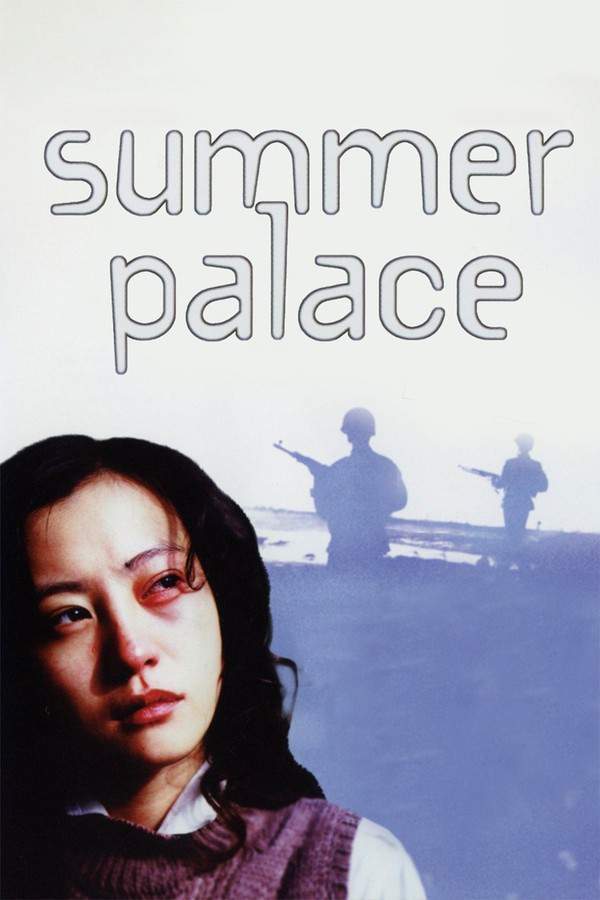


Featured on this page

What's After the Movie?
Not sure whether to stay after the credits? Find out!
Check out our other apps:

SAT Sphere
Build confidence for the Digital SAT.

Mori Atlas
Discover wild places worth protecting.

Luntero
Search smarter for a home in Amsterdam.

Plot Explained
Unravel movie endings and hidden clues.

Pokechamp
Dive into Pokémon data and battle logic.

Driving Theory
Get ready for your European theory test.

Movie Dust
Plan your next cinema trip with ease.

Musemap
Find art and culture as you travel.

Selkobase
Compare credentials before committing.

Local Manual
Turn an unfamiliar country into practical next steps.

Lernavi
Compare school systems before your next move.

GymRoam
Find a workout stop wherever your plans take you.
Explore Our Movie Platform
New Movie Releases (2026)
Famous Movie Actors
Top Film Production Studios
Movie Plot Summaries & Endings
Major Movie Awards & Winners
Best Concert Films & Music Documentaries
Movie Collections and Curated Lists
© 2026 What's After the Movie. All rights reserved.
Privacy Policy