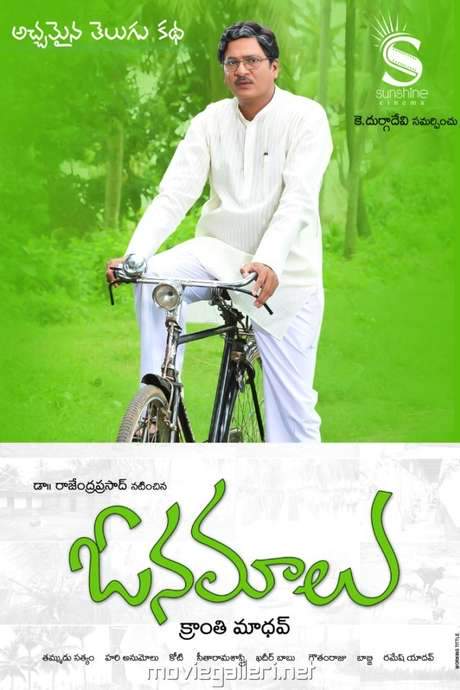
Onamalu 2012

Directed by

Kranthi Madhav
Made by

Sunshine Cinema
Onamalu Plot Summary
Read the complete plot summary and ending explained for Onamalu (2012). From turning points to emotional moments, uncover what really happened and why it matters.
Narayana Rao Master opens the film as a man of solid character living in the United States, keeping company with his son Venkatesh and his family. Even though he dwells far from the village he loves, his heart beats for his homeland, and he never tires of teaching his grandchildren about the simple rhythms, duties, and customs of village life. He embodies a quiet devotion to ethics and community, threading through every scene as he hopes to pass on integrity to the next generation.
When the moment comes for him to return, Erramanjil drives the taxi that carries him home, escorting him toward a town that still carries the echoes of his youth. The journey is less about distance and more about revisiting a life formed by affection, favors, and the long-standing ties that bind kin and neighbors. As Narayana Rao steps into the town, the film unfurls a tapestry of familiar faces and local rhythms—the President, and the people who gather around him in a close-knit circle that lives and breathes by shared celebrations, trials, and routines.
The village is not a static backdrop but a living, breathing character itself. Peddi Raju, the Zamindar who sees the world through the lens of service to the public, shares the evenings with Munasab the tailor, Ismail the skilled craftsman, Raghavaiah the proud dairy farmer, Subbarayudu the grocer, Ramkoti the postman, and Subba Rao, a man whose mischief stirs the townsfolk. These neighbors, along with others, thrive on communal festivals and the small, steady acts of daily life that bind them together. In this world, Narayana Rao’s students—Khadar, Chitti Raju, Rama Krishna, Sundaram, Suresh, Chalapati, Surendra, and Sarala—are the living proof of his philosophy: education grounded in ethics can mold responsible citizens who honor their roots even as they chase modern opportunities. Khadar stands out as a figure who is proud to uphold moral lines despite the temptations that come with poverty, a theme the film returns to again and again.
Back home, Narayana Rao shares his life with his wife, Rukmini, a woman who is lively, affectionate, and at times flirtatious, balancing his earnest nature with warmth and humor. Their bond becomes a touchstone for the family as the children, drawn to cities for education and work, gradually drift toward new horizons. After some years, Narayana Rao’s world shifts again as he travels abroad once more following [Rukmini]’s passing, a heartbreak that reshapes his sense of belonging and purpose. He returns to the village to survey how urbanization has altered lives, yet his resolve to guide remains steadfast.
The return to rural life reveals a landscape transformed by time. Chitti Raju labors as a peasant, while Chalapati—once a mathematics prodigy—has left formal schooling and works as a waiter. Sundaram, who once carried the title of President, navigates a position that has become entwined with missteps and mismanagement. Sarala, meanwhile, struggles to rebuild a damaged railway line as a teacher, trying to stitch together a future from the tattered fabric of the past. Narayana Rao learns from his observations that many have stepped away from their roots, even as some elders try to keep the flame of moral learning alive.
A thread running through these vignettes is the concern for family and the wider community. Narayana Rao discovers that his nephew Ramakrishna has admitted his mother, Mahalakshmi, to a nursing home, a sign of aging and care that underscores the fragility of time. He also observes Khadar, a senior journalist, who remains committed to moral reporting and community service even when poverty weighs on him. These moments reinforce the film’s central message: identity and virtue are nurtured most strongly when people remember where they came from and what they owe to their origins.
Tragedy then strikes with the death of Chitti Raju in an accident, a blow that reverberates through Narayana Rao’s core. The loss crystallizes the film’s meditation on the corrosive pull of commerce and greed that erodes sentiment and kids away from shared values. In response, Narayana Rao summons the dispersed natives from four directions, urging them to confront their faults, rediscover their humanity, and reconnect with the roots that shaped them. He reminds them that true progress cannot come at the expense of the very communities that raised them.
The film culminates in a bold, hopeful pledge. Narayana Rao declares October 2nd as Motherland’s Day, a day when all Indians—from the President to ordinary citizens—should return to their native places and re-anchor themselves in the culture, traditions, and responsibilities that define their homeland. It is a call to honor one’s roots while embracing a more compassionate, value-driven future for the country. In this story, memory, lineage, and moral education fuse into a powerful reminder that staying connected to one’s origins can guide a nation toward better choices and brighter days.
Onamalu Timeline
Follow the complete movie timeline of Onamalu (2012) with every major event in chronological order. Great for understanding complex plots and story progression.
Narayana Rao Master in the United States
The film opens with Narayana Rao as a man of solid ethics living in the United States, devoted to his family and rooted in village values. He uses every moment to teach his grandchildren about simple duties, customs, and the moral rhythms of village life. His heart remains tethered to his homeland even while he dwells abroad.
Return journey home with Erramanjil
The journey is framed more as a return to roots than a physical distance, as he prepares to re-enter a town filled with memories. The ride marks a transition from diasporic life to a familiar, intimate setting.
Arrival and welcome by the town
Narayana Rao steps into the town and encounters a world still echoing his youth. The President and a circle of locals gather, ready to re-knit the social fabric through shared celebrations, trials, and daily rhythms. The scene establishes the village as a living character central to the narrative.
Community figures of Peddi Raju and neighbors
The village is populated by Peddi Raju the Zamindar, Munasab the tailor, Ismail the craftsman, Raghavaiah the dairy farmer, Subbarayudu the grocer, Ramkoti the postman, and Subba Rao whose mischief stirs the townsfolk. Narayana Rao observes how these roles anchor daily life and mutual aid in the community. Their interactions illustrate a society defined by service and common rituals.
Narayana Rao’s students embody ethical education
Among the town’s fabric are his students—Khadar, Chitti Raju, Rama Krishna, Sundaram, Suresh, Chalapati, Surendra, and Sarala—proof of his philosophy that education anchored in ethics can shape responsible citizens. They represent the passing of values from teacher to younger generations. The bonds hint at a long arc of mentorship that transcends time.
Narayana Rao’s life with his wife Rukmini
Back home, Narayana Rao shares a life with his wife, Rukmini, whose warmth and flirtatious humor balance his earnestness. Their bond serves as a touchstone for the family, illustrating how affection and integrity sustain a household amid distant opportunities. The couple’s dynamic anchors the emotional core of the community’s story.
Rukmini’s death and his return to the village
After Rukmini's passing, Narayana Rao travels abroad again, a heartbreak that reshapes his sense of belonging and purpose. He eventually returns to survey how urbanization has altered lives and to reaffirm his commitment to guiding others. The loss deepens his resolve to stay connected to roots.
A transformed rural landscape on his return
On returning, Narayana Rao finds a landscape transformed by time: Chitti Raju works as a peasant, Chalapati has left schooling to wait tables, Sundaram’s leadership as President falters with mismanagement, and Sarala toils as a teacher trying to repair a damaged railway line. The changes test the values he has tried to pass on, highlighting tensions between progress and tradition.
Personal connections reveal aging and care
Narayana Rao learns that his nephew Ramakrishna has admitted his mother Mahalakshmi to a nursing home, a quiet reminder of aging within the family. The moment underscores the fragility of time and the ongoing duties that bind kin across generations. It anchors the family’s intimate stakes within the broader community.
Khadar remains moral amid poverty
Khadar, a senior journalist, continues to pursue moral reporting and community service even as poverty weighs on him. His steadfast integrity serves as a counterpoint to the creeping influence of commerce and greed that the film critiques. He embodies the ideal Narayana Rao hopes to nurture in students and townsfolk alike.
Tragedy strikes: Chitti Raju’s death
A devastating accident takes Chitti Raju’s life, a blow that reverberates through Narayana Rao’s core. The event crystallizes the film’s meditation on how unchecked commerce and greed erode sentiment and shared values. The tragedy acts as a catalyst for the elder’s call to return to roots.
Narayana Rao calls for collective self-reflection
In response to the tragedy, Narayana Rao summons the dispersed natives from four directions, urging them to confront their faults, rediscover humanity, and reconnect with the roots that shaped them. The moment reframes progress as a reintegration of ethical community life rather than individual gain. It marks a turning point toward communal accountability.
Motherland’s Day: a call to return to roots
The film culminates in Narayana Rao declaring October 2nd as Motherland’s Day, urging every Indian—from the President to ordinary citizens—to return to their native places. The day serves as a symbolic reset, anchoring modern life in culture, traditions, and responsibilities. It frames national progress as rooted in memory and community.
Onamalu Characters
Explore all characters from Onamalu (2012). Get detailed profiles with their roles, arcs, and key relationships explained.
Narayana Rao Master (Rajendra Prasad)
A man of steadfast ethics whose heart never leaves his homeland. He mentors his grandchildren in village customs and moral duties, travels abroad, then returns to reconnect the community to its roots after personal losses.
Erramanjil
A taxi driver who bridges Narayana Rao’s worldly life with his rural roots. He embodies practical wit and acts as a conduit between the village and the outside world.
Rukmini
Narayana Rao’s wife, lively and affectionate, whose warmth balances his seriousness. She embodies feminine strength and gentle humor within the family unit.
Khadar
A senior journalist devoted to truthful, moral reporting and public service, even when poverty weighs on him. He represents integrity in a changing society.
Sundaram
Former President whose later role is marked by missteps and mismanagement, reflecting how power can drift away from ethical foundations.
Peddi Raju
The zamindar who serves the public and embodies the village’s leadership and civic duty, a foil to the shrinking traditional structures amid modernization.
Chalapati
Chalapati, once a mathematics prodigy, ends up working as a waiter, illustrating how talents can be redirected by circumstances and time.
Mangapati Master
An elder figure who perhaps acts as a guiding teacher or administrator in the village; a representative of traditional mentorship within the community.
Venkatesh
A resident of the village whose experiences and actions reflect the evolving social fabric and the impact of urbanization on family and community life.
Onamalu Settings
Learn where and when Onamalu (2012) takes place. Explore the film’s settings, era, and how they shape the narrative.
Time period
The narrative unfolds in a contemporary era, contrasting modern life abroad with the enduring rhythms of village life in India, while memory of the past shapes present choices.
Location
United States, Indian village
The story begins with Narayana Rao Master living in the United States, far from his beloved homeland. He eventually returns to a rural Indian town where the community is tightly knit around family, festivals, and local governance. The village atmosphere is depicted through its zamindar Peddi Raju, the President Chalapati Rao, the postman Ramkoti, and other townsfolk who embody traditional rhythms of life.
Onamalu Themes
Discover the main themes in Onamalu (2012). Analyze the deeper meanings, emotional layers, and social commentary behind the film.
🌱
Roots
The film centers on staying connected to one’s origins, values, and family heritage. Narayana Rao’s travels and his return underscore the importance of memory and lineage in guiding present actions.
🎓
Education
Education is portrayed as a tool for moral development and responsible citizenship. Narayana Rao teaches his grandchildren ethics, while Khadar exemplifies journalism grounded in truth and service, even in hardship.
🤝
Community
The close-knit village forms the social fabric that binds people through shared festivals, labor, and mutual support. The story emphasizes reunions, accountability, and reviving traditions in the face of urbanization.

Coming soon on iOS and Android
The Plot Explained Mobile App
From blockbusters to hidden gems — dive into movie stories anytime, anywhere. Save your favorites, discover plots faster, and never miss a twist again.
Sign up to be the first to know when we launch. Your email stays private — always.
Explore the mobile appOnamalu Spoiler-Free Summary
Discover the spoiler-free summary of Onamalu (2012). Get a concise overview without any spoilers.
In the quiet folds of an Indian countryside, a once‑vibrant village clings to the rhythms of festivals, shared meals, and the gentle hum of daily life. The community has long been defined by close‑knit relationships, a tapestry of neighbours who celebrate each other’s joys and shoulder each other’s hardships. Yet the relentless tide of modernization has begun to loosen these familiar threads, introducing a subtle sheen of commerce that feels foreign against the backdrop of age‑old customs.
When Narayana Rao, a retired schoolmaster whose heart has forever beat for his hometown, steps off a taxi after decades abroad, he is greeted by a place both familiar and strangely altered. Raised by a deep sense of patriotism and guided by the values he once imparted to generations of students, he carries with him memories of a world where respect, humility, and collective well‑being were the cornerstones of everyday conversation. The contrast between those recollections and the present atmosphere – a village edging toward a more materialistic outlook – stirs a quiet resolve within him.
His family, including his son Venkatesh and his late wife Rukmini, have long stood as the bridge between his overseas life and the roots he left behind. Though he has taught his grandchildren about the village’s traditions from afar, the pull to experience his origins firsthand grows stronger. As he wanders familiar lanes, the lingering scent of incense and the echo of traditional songs remind him of the community’s once‑unshakable spirit.
Faced with the subtle erosion of those values, Narayana Rao feels an innate responsibility to breathe new life into the place that shaped him. The film sets a tone of nostalgic longing tempered by hopeful determination, inviting viewers to contemplate the delicate balance between progress and preservation, and to wonder whether one man’s quiet conviction can rekindle the communal soul of his beloved village.
Featured on this page

What's After the Movie?
Not sure whether to stay after the credits? Find out!
Check out our other apps:

SAT Sphere
Build confidence for the Digital SAT.

Mori Atlas
Discover wild places worth protecting.

Luntero
Search smarter for a home in Amsterdam.

Plot Explained
Unravel movie endings and hidden clues.

Pokechamp
Dive into Pokémon data and battle logic.

Driving Theory
Get ready for your European theory test.

Movie Dust
Plan your next cinema trip with ease.

Musemap
Find art and culture as you travel.

Selkobase
Compare credentials before committing.

Local Manual
Turn an unfamiliar country into practical next steps.

Lernavi
Compare school systems before your next move.

GymRoam
Find a workout stop wherever your plans take you.
Explore Our Movie Platform
New Movie Releases (2026)
Famous Movie Actors
Top Film Production Studios
Movie Plot Summaries & Endings
Major Movie Awards & Winners
Best Concert Films & Music Documentaries
Movie Collections and Curated Lists
© 2026 What's After the Movie. All rights reserved.
Privacy Policy