What Is Oliver Sacks: His Own Life About?
The premise of Oliver Sacks: His Own Life in 284 words, with nothing given away. The full story follows below.
In a quiet New York apartment filled with books, minerals, and countless notebooks, Oliver Sacks sits surrounded by friends, family, and the lingering scent of curiosity that defined his life’s work. The documentary opens with this intimate setting, inviting viewers into a world where the ordinary becomes a portal to the extraordinary workings of the human mind. The atmosphere is gentle yet charged with intellectual vigor, a space where scientific rigor meets poetic wonder, reflecting a career spent translating the enigmas of consciousness into stories that resonate with anyone who has ever felt different.
As the camera glides through shelves of faded journals and artifacts of a half‑century of inquiry, the tone remains reverent and contemplative. Sacks’ voice—soft, articulate, and unflinchingly honest—guides us through reflections on his own mortality, the evolution of his field, and the personal challenges he faced, from addiction to the quiet battles against homophobia in a profession slow to accept him. The film’s style feels like a thoughtful conversation, each moment a blend of memoir and meditation, encouraging a deep sense of empathy for the fragile, awe‑inspiring nature of human experience.
Around him, the presence of documentarian Ric Burns and a chorus of admirers—including scientists, writers, and fellow patients—adds layers of perspective without detracting from the central introspection. Their measured, respectful contributions weave a tapestry that showcases Sacks not merely as a celebrated neurologist but as a storyteller who dared to map the interior landscapes of the mind. The resulting mood is one of quiet reverence, inviting the audience to sit, listen, and consider the shared threads that bind us all, all while hinting at the profound legacy that continues to ripple through both science and the art of narrative.
What Happens in Oliver Sacks: His Own Life?
The complete story of Oliver Sacks: His Own Life, from the first scene to the last, in 319 words (about 1 minute). Spoilers throughout. Names in the text link to 3 cast member pages.
Spoilers ahead
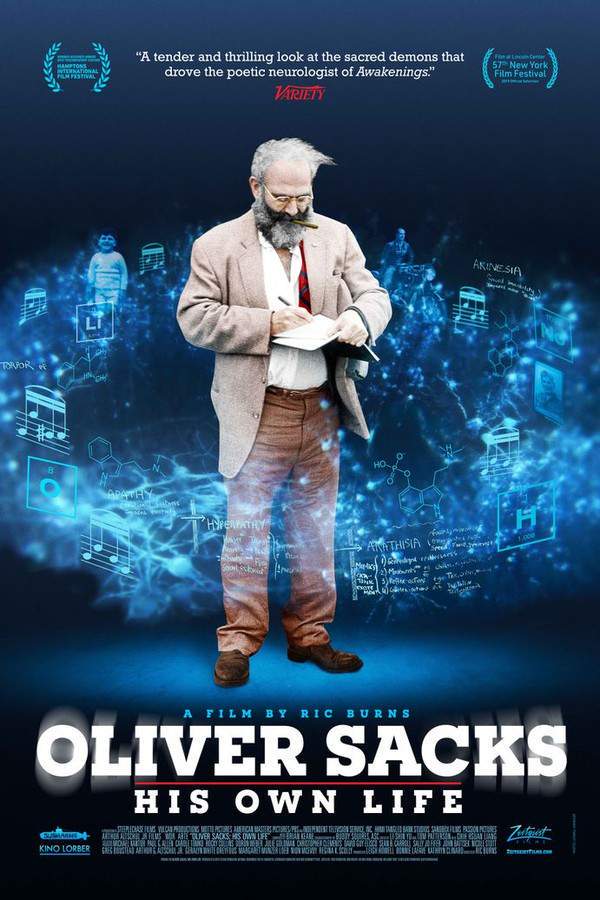
On January 15, 2015, shortly after finishing his autobiographical memoir, the renowned writer and neurologist Oliver Sacks was faced with the heartbreaking news that the rare form of cancer he had battled nine years prior had returned, granting him only a few months to live. Just weeks following this revelation, he engaged in a series of extensive, filmed interviews with the renowned documentarian Ric Burns in his cozy New York apartment. Over the course of eighty hours spread across five days in February, and on several occasions in April and June, Sacks was surrounded by cherished family and friends, along with an array of books, minerals, and a remarkable collection of notebooks that documented six decades of contemplation and writing about the human brain.
With unmatched bravery and clarity, this profoundly gifted 81-year-old confronted his mortality, sharing his reflections on life, work, dreams, and fears. He conveyed a sense of awe for the natural world and humanity’s place within it, candidly admitting, > “a sentient being on this beautiful planet.”
The film, Oliver Sacks: His Own Life, is woven together from these captivating discussions, featuring nearly two dozen insightful interviews with those close to him, including notable figures like Temple Grandin, Jonathan Miller, Robert Silvers, Bill Hayes, Kate Edgar, Mark Homonoff, and many others like Atul Gawande and Lowell Handler. Additionally, it benefits from exclusive access to the extensive archives of the Oliver Sacks Foundation.
The documentary serves not only as a profound biography of a remarkable physician and storyteller but also as a poignant exploration of the science behind human consciousness. It delves into the complex relationship between art, science, and the art of storytelling, all while illustrating how Sacks redefined the understanding of the human mind through his deeply compassionate narrative style. With his legacy, Oliver Sacks invites us to reflect on our own lives and the wonders that come with being a part of this exquisite planet.
Oliver Sacks: His Own Life Timeline: Every Key Event in Order
12 key events in the order they happen, from “Completion of Autobiographical Memoir” to “Documentary Release”.
- 1
Completion of Autobiographical Memoir
On January 15, 2015, Oliver Sacks completed his autobiographical memoir, encapsulating his life experiences and reflections. This marked a significant moment as he not only documented his journey but also prepared to confront his own mortality.
When:January 15, 2015
- 2
Diagnosis of Cancer Recurrence
Shortly after finishing his memoir, Sacks received the heartbreaking diagnosis that the rare form of cancer he had battled nine years earlier had returned. Given only a few months to live, this revelation profoundly impacted his outlook and priorities at the twilight of his life.
- 3
Filmed Interviews with Ric Burns
In the weeks following his diagnosis, Sacks engaged in extensive filmed interviews with documentarian Ric Burns. These interviews took place in his cozy New York apartment and spanned nearly eighty hours across five days filled with intimate conversations.
When:February 2015 Where:New York
- 4
Engagement with Family and Friends
During the interviews, Sacks was surrounded by his beloved family and friends, sharing candid discussions about his life. This environment allowed him to reflect on his experiences openly and authentically.
Where:New York
- 5
Surrounded by Collections
As he engaged in these discussions, Sacks was accompanied by cherished items including books, minerals, and notebooks from his extensive career. These items served as vital touchstones for his reflective journey about the human brain and existence.
Where:New York
- 6
Reflections on Mortality
Throughout the interviews, Sacks confronted the concept of mortality with unmatched bravery and clarity. His candid admittance to being 'a sentient being on this beautiful planet' demonstrated his deep appreciation for life and its fragility.
- 7
Insights from Close Associates
The documentary interweaves nearly two dozen insightful interviews with notable figures close to Sacks. Contributors like Temple Grandin, Jonathan Miller, and Atul Gawande enriched the narrative by sharing their thoughts and experiences with him.
- 8
Exploration of Human Consciousness
The film serves as a comprehensive exploration of human consciousness, illustrating how Sacks redefined our understanding of the mind. It showcases the complex interrelationship between art and science through his compassionate storytelling.
- 9
Access to Archives of the Oliver Sacks Foundation
The documentary benefited from exclusive access to the extensive archives of the Oliver Sacks Foundation. This invaluable resource provided layers of context and richness to Sacks' life and work, further enhancing the film's biography aspect.
- 10
Legacy of Oliver Sacks
Oliver Sacks' reflections in the film invite viewers to contemplate their own lives amid his legacy as a physician and storyteller. His insights emphasize the wonders of existence and the importance of understanding our individual places in the world.
- 11
Final Days and Introspection
As Sacks approached his final days, he continued to engage in deep introspection, focusing on his past, work, dreams, and fears. This period was marked by a profound acceptance and contemplation of his life's impact.
When:April and June 2015
- 12
Documentary Release
Following the extensive interviews and preparation, the documentary 'Oliver Sacks: His Own Life' was completed. Released later, it captures the essence of his life work and invites audiences to appreciate the depth of human experience.
Who Are the Main Characters in Oliver Sacks: His Own Life?
3 characters, among them Oliver Sacks, Temple Grandin and Bill Hayes: who each one is and the part they play in the story. Every profile links to the actor’s page.
-

Oliver Sacks
Played by Oliver Sacks
Oliver Sacks is a renowned neurologist and author whose insights into the human brain and consciousness revolutionized medical literature. Throughout the film, he demonstrates profound clarity and bravery as he reflects on his life and impending death, inspiring others to engage with their own stories of existence. His compassionate approach to storytelling showcases the intricate beauty of human experience.
- 🧠 Neurology
- 📚 Writing
- 💡 Insightful
-

Temple Grandin
Played by Temple Grandin
Temple Grandin is an influential autism advocate and a key figure in the documentary. Her contributions provide a unique perspective on human cognition and emotion, enriching the discussions surrounding Sacks' work. Known for her innovative approaches to livestock handling, she epitomizes the intersection of art and science.
- 👩🎨 Advocacy
- 🐄 Innovation
- BH
Bill Hayes
Played by Bill Hayes
Bill Hayes is an author and a close friend of Oliver Sacks who appears in the documentary, sharing personal anecdotes and reflections on Sacks' life. His presence adds depth to the narrative, revealing the profound connections between people and the impact of storytelling in understanding one's own journey.
- 📚 Friendship
- 💬 Reflection
Where and When Is Oliver Sacks: His Own Life Set?
Oliver Sacks: His Own Life is set in New York (2015). Here is why the time and place matter to the story.
When
2015
The film is set in 2015, a time when advancements in science and a growing awareness of mental health are at the forefront of public discourse. This period reflects the challenges faced by individuals confronting terminal illness while allowing for deeper conversations about consciousness and the human experience.
Where
New York
New York is a bustling metropolis known for its vibrant culture, iconic landmarks, and diverse communities. It has long been a hub for writers, artists, and intellectuals, making it an ideal backdrop for exploring complex themes in art and science. Oliver Sacks' cozy apartment in this city serves as a personal sanctuary filled with inspiration and reflection.
- 🏙️ City
- 📚 Literature
What Are the Themes of Oliver Sacks: His Own Life?
3 ideas the story keeps returning to, among them Human Consciousness, Mortality and Storytelling.
-
01
Human Consciousness
The documentary delves into the intricacies of human consciousness, exploring themes of perception, identity, and self-awareness through Oliver Sacks' reflections. It highlights the profound relationship between the mind and the narrative of life that shapes our understanding of existence. Sacks' work encourages viewers to ponder their own place in the world.
-
02
Mortality
A central theme of the film is mortality, as Sacks confronts his terminal illness with bravery and introspection. His candid discussions about life, dreams, and fears resonate deeply, inviting the audience to reflect on their own lives and the inevitable nature of death. It emphasizes the importance of appreciating the present and the beauty of existence.
-
03
Storytelling
Storytelling is woven throughout the documentary, illustrating its power to connect individuals and convey complex emotions. Sacks' narrative style reveals how he blended science and personal experience to redefine our understanding of the human mind, making the scientific accessible and relatable to the audience.
What Kind of Film Is Oliver Sacks: His Own Life?
Bittersweet in tone, with slow pacing and a moderate story, going by the plot summary.
- Tone
- Bittersweet
- Pacing
- Slow
- Story
- Moderate
- Intensity
- Medium
- Ending
- Bittersweet
An intimate and reflective documentary portrait that balances the melancholy of facing mortality with the inspiring hope found in a life dedicated to understanding the human mind.
- reflective
- poignant
- candid
- melancholic
- hopeful
- inspiring
- legacy
- mortality
- neurology
- human consciousness
Content notes: terminal illness.
Quiz
How well do you remember Oliver Sacks: His Own Life? Test yourself on the story.