What Is Heal About?
The premise of Heal in 263 words, with nothing given away. The full story follows below.
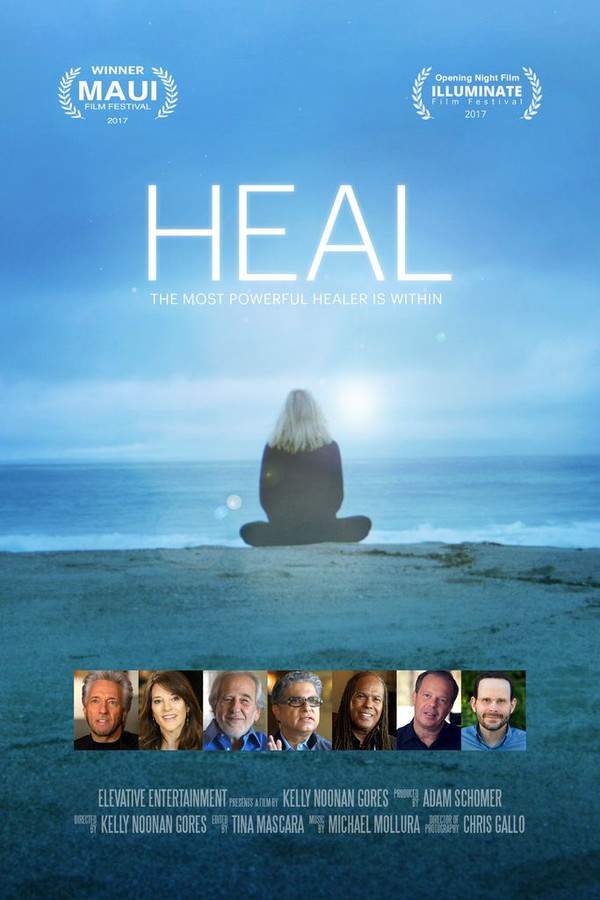
Heal is a thought-provoking documentary that delves into the profound connection between the mind, body, and spirit, exploring how thoughts, beliefs, and emotions might shape health and well-being. Directed by Kelly Noonan-Gores, the film opens with a candid reflection on the growing prevalence of illness in modern society, setting a contemplative tone that invites viewers to question conventional approaches to medicine. Through intimate interviews with doctors, scientists, and holistic practitioners, the documentary weaves a tapestry of ideas that challenges the boundaries of traditional healthcare.
At the heart of the film are the journeys of several individuals seeking answers beyond standard medical protocols. A chiropractor named Joe Dispenza shares how his own remarkable recovery sparked a lifelong curiosity about the mind’s potential to influence physical health, while other participants open up about their personal encounters with chronic illness and the search for alternative paths to healing. These personal narratives are interwoven with insights from voices like Deepak Chopra, Bruce Lipton, and Kelly Turner, who contribute perspectives rooted in quantum physics, cellular biology, and the study of radical remissions. The film’s tone is hopeful and empowering, encouraging viewers to consider the body’s innate capacity to restore itself.
The documentary paints a vivid picture of a world where stress, trauma, and environment are examined as potential contributors to disease, while also highlighting the promise of practices like meditation, energy work, and dietary shifts. With a warm, reflective atmosphere, Heal positions itself not as a rejection of medicine, but as an exploration of possibilities that lie alongside it, inviting audiences to reimagine what healing can truly mean.
What Happens in Heal?
The complete story of Heal, from the first scene to the last, in 244 words (about 1 minute). Spoilers throughout. Names in the text link to 12 cast member pages.
Spoilers ahead
The documentary Heal opens with director Noonan-Gores expressing concern over the rise of diseases linked to environmental toxicity and poor dietary habits. The film transitions into a series of testimonials and expert insights regarding the power of mind-body medicine.
The narrative introduces several individuals and practitioners, including Joseph Dispenza, a chiropractor who claims to have reconstructed his own spine through mental visualization after a serious accident. Elizabeth Craig shares her battle with stage four colorectal cancer, working alongside spiritual therapist Dianne Porchia to manage the psychological burdens of her illness. During her journey, Craig observes:
“It’s the mind that gets in the way of healing.”
The film further explores autoimmune struggles through Eva Lee, while experts like Bruce Lipton and David Hamilton explain the application of quantum physics and chemistry to healing. Other notable contributors include Anita Moorjani, who discusses her recovery from lymphoma, and Kelly Turner, who provides research on radical remissions.
The documentary critically examines the pharmaceutical industry and the use of prescription drugs for chronic illness, featuring perspectives from Kelly Brogan, Michael Beckwith, and Deepak Chopra. Additionally, Anthony William emphasizes the vital role of diet in treatment.
As the film progresses, Gregg Braden discusses the intersection of genetics, stem cells, and the environment, while Marianne Williamson and other experts highlight how meditation can activate the parasympathetic nervous system to reduce stress. The movie concludes on a hopeful note, documenting Elizabeth Craig becoming cancer-free and challenging conventional societal views on Western medicine.
Heal Timeline: Every Key Event in Order
15 key events in the order they happen, from “Opening Monologue on Environmental Toxicity” to “Elizabeth Craig Becomes Cancer-Free”.
- 1
Opening Monologue on Environmental Toxicity
The film opens with a monologue from director Noonan-Gores, in which she states her concerns about the growing cases of disease caused by the toxicity of the environment and the food people consume. This introduction sets the stage for the documentary's exploration of the body's capacity to heal itself.
- 2
Gathering Testimonials on Mind-Body Medicine
Following the opening statement, Noonan-Gores transitions to gathering testimonials from people who have experienced mind-body medicine. These personal accounts form the foundation of the documentary and introduce the film's central themes.
- 3
Joe Dispenza's Triathlon Accident and Recovery
Chiropractor Joe Dispenza describes his experience of being hit by a car during a triathlon. He declined surgery and says he recovered by reconstructing his spine in his mind. His recovery led him to conduct research on mind-body medicine.
Where:Triathlon
- 4
Elizabeth Craig's Stage Four Cancer Diagnosis
Elizabeth Craig details her healthy yet stressful life, explaining that she worked with Dianne Porchia, a spiritual therapist and holistic stress reduction facilitator. She noticed something was physiologically wrong when she began developing frequent headaches and nausea, and doctors eventually diagnosed her with stage four colorectal cancer. Scientists and mind-body practitioners then discuss the role of stress in the modern age and its physiological effects. Craig reflects, "It's the mind that gets in the way of healing."
- 5
Eva Lee's Autoimmune Disease
Eva Lee describes the appearances of skin rashes and boils throughout her body. Doctors diagnosed her with an unspecified autoimmune disease, and she sought an alternative to medications. Following her story, Bruce Lipton and David Hamilton discuss quantum physics and chemistry applied to mind-body healing.
- 6
Anita Moorjani's Lymphoma Story
Anita Moorjani describes her experience with lymphoma. She believes that fear was the cause of her cancer, and she says her tumors dissolved within five weeks. Her account becomes one of the film's most striking examples of radical healing.
- 7
Research on Radical Remissions
Kelly Turner, who holds a Ph.D in social welfare, discusses her research on radical remissions. Kelly Brogan also briefly discusses her experience in seeking alternative medicine as a way to circumvent taking medications for the rest of her life.
- 8
Concerns About Pharmaceuticals and Diet
Michael Beckwith weighs in with his views on pharmaceuticals, while Bruce Lipton and Deepak Chopra express their concerns with prescription drug use for chronic illnesses. Anthony William then describes his role in assessing patients and the importance of diet in treating chronic illnesses.
- 9
The Placebo Effect and Prognosis
David Hamilton describes his role as an organic chemist and explains the effects of a placebo. Bruce Lipton, Joe Dispenza, Deepak Chopra, Michael Beckwith, and Kelly Turner comment about the nature of prognosis and how expectations shape outcomes.
- 10
Craig Seeks Treatment Beyond Chemotherapy
Elizabeth Craig is seen explaining her reasons for seeking treatment in addition to chemotherapy. She eventually starts seeing Dianne Porchia, a spiritual psychologist, to help her get rid of her fear of death. This marks a turning point in her healing journey.
Show the other 5 events of Heal Hide the last 5 events
- 11
Stem Cells, Genetics, and the Environment
Bruce Lipton, Joan Borysenko, Gregg Braden, and Darren Weissman discuss stem cells, genetics, and the role of the environment on one's health. The segment expands on how external factors can influence the body's biology and healing capacity.
- 12
Eva Lee's Reiki and EFT Therapy Session
The film refocuses on Eva Lee, who is shown in a therapy session with Patti Penn, a Reiki master and Emotional Freedom Technique practitioner. Several individuals discuss the supposed roles of past trauma and stress on physical ailments, followed by commentary on the pharmaceutical industry.
- 13
Sound Wave Therapy for the Nervous System
Jeffrey Thompson is shown discussing the nature of the nervous system and how he uses sound waves to activate Eva Lee's parasympathetic nervous system. This segment highlights one of the alternative therapies featured in the film.
- 14
Meditation, Prayer, and the Parasympathetic System
Noonan-Gores, Joan Borysenko, Marianne Williamson, Deepak Chopra, and Kelly Turner discuss the role of meditation in relieving stress and activating the parasympathetic nervous system. Gregg Braden then asserts that prayer and thoughts of love work in combating illness by incorporating quantum entanglement and the Big Bang.
- 15
Elizabeth Craig Becomes Cancer-Free
The film concludes with Elizabeth Craig becoming cancer-free, delivering one of the documentary's most powerful outcomes. The closing segment provides commentary about societal conventions regarding western medicine, inviting viewers to reconsider how healing is approached.
Who Are the Main Characters in Heal?
5 characters, among them Joe Dispenza, Elizabeth Craig and Anita Moorjani: who each one is and the part they play in the story. 4 of them link to the actor’s page.
- JD
Joe Dispenza
Played by Joseph Dispenza
Joe Dispenza is a chiropractor whose near-death experience led him to explore mind-body medicine. He advocates for the power of visualization in healing, emphasizing mental reconstruction of physical ailments. His journey illustrates the transformative potential of belief and thought in medical recovery.
- 🧠 Mindfulness
- 🏋️♂️ Healing
- 📖 Testimonial
- EC
Elizabeth Craig
Elizabeth Craig is a cancer survivor who shares her journey with cancer and emphasizes the role of stress in her illness. Working with Dianne Porchia, she evolves in understanding her fears surrounding health and incorporates alternative therapies into her recovery process. Her story showcases the struggle and triumph over life-threatening disease.
- 💪 Resilience
- ⚖️ Holistic Approach
- 📈 Recovery
- AM
Anita Moorjani
Played by Anita Moorjani
Anita Moorjani is a former lymphoma patient whose profound experiences with illness and healing highlight the role of fear in disease manifestation. Her story of spontaneous remission challenges conventional beliefs about cancer treatment, showing the importance of self-love and acceptance in healing.
- ❤️ Self-Love
- 🔮 Spontaneous Healing
- ✨ Inspiration
- BL
Bruce Lipton
Played by Bruce Lipton
Bruce Lipton is a cellular biologist and author who discusses the scientific aspects of mind-body healing. He integrates concepts from quantum physics to explain how beliefs and environment can influence health at a cellular level, promoting the notion that thoughts can directly impact bodily functions.
- 🔬 Science
- 🧬 Biology
- 💭 Mind-Body Connection
-

Deepak Chopra
Played by Deepak Chopra
Deepak Chopra is a prominent figure in alternative medicine, discussing its relevance in contemporary health issues. He advocates for a unified approach to health that includes meditation and consciousness, challenging the logic of conventional Western medicine.
- 🌌 Spirituality
- 🧘♂️ Meditation
- 🌍 Health Advocate
Where and When Is Heal Set?
Where and when the story of Heal unfolds, and why it matters.
When
The movie reflects contemporary issues regarding health and wellness, focusing on modern-day societal challenges such as rising disease rates and the influence of stress on physical well-being. It discusses current perspectives and alternative methods in medicine, emphasizing a shift towards mind-body healing practices. This context is critical in exploring the ongoing debates in healthcare and treatment approaches today.
What Are the Themes of Heal?
3 ideas the story keeps returning to, among them Healing, Holistic Health and Critique of Pharmaceuticals.
-
01
Healing
The film addresses the theme of healing, exploring how mental and emotional states affect physical health. It emphasizes the importance of mind-body connections and alternative healing methods that challenge traditional medical practices. Through personal stories, it showcases the transformative journey of individuals overcoming serious illnesses by shifting their mindset.
-
02
Holistic Health
Heal highlights the holistic health perspective, integrating emotional, mental, and spiritual dimensions into treatment. By featuring testimonials from various practitioners, it advocates for an approach to health that considers the individual as a whole rather than just their physical symptoms. This theme promotes awareness of lifestyle changes and psychological well-being as essential elements of recovery.
-
03
Critique of Pharmaceuticals
The film offers a critical view of the pharmaceutical industry, discussing its role in managing chronic illnesses and the reliance on medications. Through interviews with various health experts, it calls for a reevaluation of conventional treatments in favor of more integrated and mindful approaches to healthcare. This critique challenges viewers to consider the implications of pharmaceutical dependence.
What Kind of Film Is Heal?
Hopeful in tone, with steady pacing and a moderate story, going by the plot summary.
- Tone
- Hopeful
- Pacing
- Steady
- Story
- Moderate
- Intensity
- Medium
- Ending
- Happy
A hopeful documentary that gently explores mind-body healing through patient stories and expert interviews, offering inspiration and empowerment amid serious health challenges.
- hopeful
- contemplative
- inspiring
- empowering
- reflective
- gentle
- mind-body healing
- alternative medicine
- cancer recovery
- meditation
Content notes: cancer, serious illness, references to death, chronic disease.
Quiz
How well do you remember Heal? Test yourself on the story.